
The Harmony cucumber variety was created by Dutch breeders. This hybrid is ideal for both outdoor and indoor cultivation. It is noted for its hardiness, rapid recovery from various adverse conditions, and rapid growth.
Introduction to the variety
Harmony is a parthenocarpic hybrid, producing only female buds, with up to six per node. Its self-pollinating properties make it productive both in greenhouses and in the open field. However, the quality of the harvest directly depends on proper planting and subsequent care.
Copyright
The Harmony variety was developed in the Netherlands and is owned by Rijk Zwaan Welver GMBH. Its use began in 2003 and it is known by its alternative name, Harmonie.
External characteristics of the plant and cucumbers
This cultivar has an indeterminate growth habit, medium branching, and standard-sized leaves. They have a characteristic green hue, while the fruit color can vary from standard to more intense.
- ✓ Resistance to sudden temperature changes, which is rare in other varieties.
- ✓ Ability to quickly recover from damage such as hail or strong winds.
Other indicators:
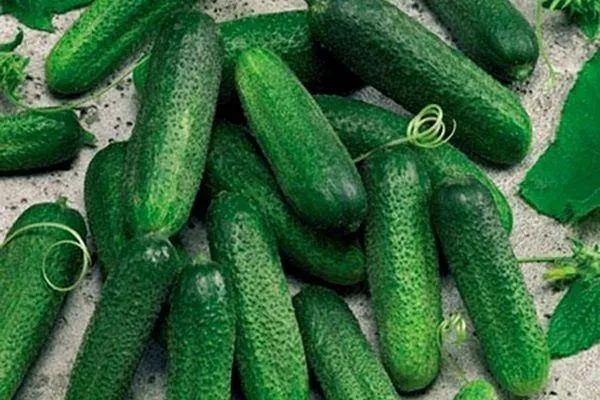
- The fruits are decorated with short light green stripes and a light spotted pattern.
- The cucumbers are shortened – their length reaches 9-12 cm with a diameter of 3.3-4 cm and a weight of 50 to 60 g.
- They are cylindrical in shape, and their surface is covered with white fluff and densely dotted with ultra-fine tubercles.
- The pulp is dense and juicy, with a minimal number of seeds that are not suitable for subsequent sowing.
- When biting, a peculiar crunching sound is felt.
Taste and purpose
The flavor and versatility of Harmonie cucumbers make them a versatile product. They have an excellent flavor without the bitterness, but with the pleasant aroma typical of fresh cucumbers.
When ripe, the yield
Harmony is an early variety that begins bearing fruit just 35-45 days after germination. Fruiting continues for a long time, but regular harvesting encourages new fruit formation.
Optimally, harvesting is done every two days. The variety yields an impressive 190-219 centners per hectare, with almost all fruits being of high quality.

Soil requirements
The structure of the soil in which seedlings or seeds are planted is crucial for cucumber yield. If it is deficient in nutrients, it should be enriched with nitrogen, which can be done with an inexpensive natural solution: mullein.
- ✓ Soil pH should be between 6.0-6.8 for optimal nutrient absorption.
- ✓ The soil must be well-drained to avoid waterlogging and root rot.
The soil mixture should include two parts peat, the same amount of compost, one part turf soil, and half a part river sand. It's advisable to disinfect the mixture before use to prevent fungal diseases of the seeds.
Climate conditions
Harmonie prefers a warm and stable climate and does not tolerate frost well, even for short periods. It is recommended for cultivation in the Central, Volga-Vyatka, Central Black Earth regions, and any southern zones.
Specifics of planting work
As with other crops, the yield of the Harmony f1 cucumber variety directly depends on the selection of a suitable location and strict adherence to all planting instructions.
When planting Harmony directly in open ground, sowing occurs between May 20 and June 10. If growing seedlings, the seeds are sown between April 15 and 25.
Site preparation
The preparation process requires choosing a sunny, well-lit site, yet protected from gusty winds and cool drafts. Experienced vegetable growers recommend choosing beds on the south side of the field.
For successful cultivation, carefully prepare the soil:
- dig up;
- enrich with mineral fertilizers;
- clear the weeds.
In the spring, prepared beds are loosened to a depth of 2.5-3.5 cm and enriched with mixtures containing potassium or phosphorus elements.
Sowing seeds
Harmony cucumber seeds are already pre-treated and require no further treatment. However, experienced gardeners recommend hardening off the seeds. To do this, follow these steps:
- the seeds are poured with hot water for a couple of minutes;
- quickly transferred to cold water;
- After this they are dried.
Features of sowing using different methods:
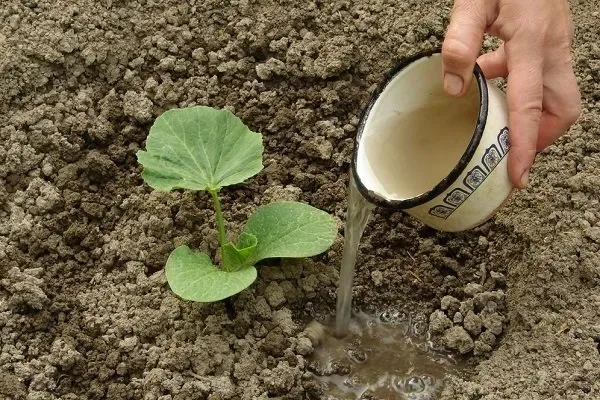
- For direct sowing In open ground, the seeds are placed in holes 2 cm deep and carefully covered with a thin layer of soil. The soil is then moistened with warm water and a plastic cover is applied.
- For growing seedlings The seeds are placed in pots with peat at a depth of 3 cm, moistened, and placed in a bright location with a temperature of 27-28 degrees Celsius. After green shoots appear, the room temperature is reduced to 20-22 degrees Celsius.
Transplanting seedlings
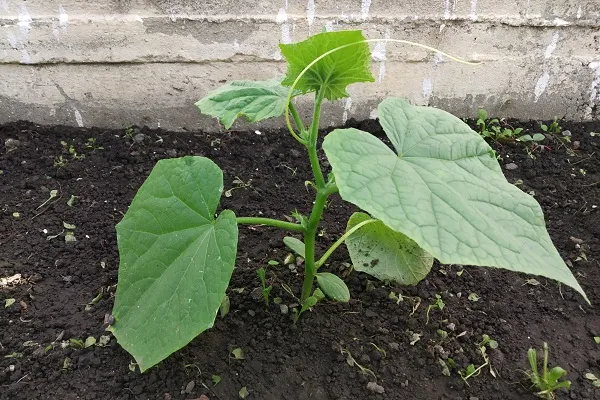
Transplant seedlings into open ground when the shoots have five leaves, and the soil temperature should be at least 15 degrees Celsius. Seedling growth typically takes about 27-30 days.
Please note some subtleties:
- The distance between bushes of the variety should be 20-30 cm, and between rows – 60-70 cm.
- The depth of planting the bushes is about 8-12 cm, but you need to be guided by the bottom leaf.
- After planting, cucumbers are watered and covered with film to ensure rapid rooting and protection from frost.
Rules for caring for cucumbers
The yield of the Harmonie f1 variety is directly related to the quality of plant care. Experienced gardeners advise not skimping on watering, fertilizing, soil aeration, and plant support.
Watering
Cucumbers are watered daily with warm water. It's important to direct the water directly to the roots to prevent fungal and other diseases.
Garter and shaping of bushes
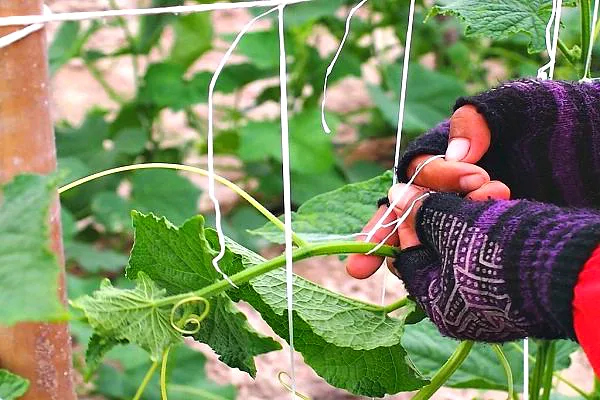
In open ground, the Harmonie f1 variety does not require staking or shaping. In greenhouses, the bushes are secured to a support. To accelerate fruit ripening, it is recommended to pinch off the five lower internodes and side shoots at a height of approximately 120-140 cm. After this, the bushes require no further shaping.
Nutrition
Fertilizing cucumbers should be done during warm periods of the day, combined with watering. Mineral and organic fertilizers are typically used.
Hilling
Cucumbers require hilling, so gardeners recommend loosening the soil around the stems with a pitchfork. This method helps remove compaction on the surface, providing the roots with essential oxygen and moisture.
Resistance to diseases and pests
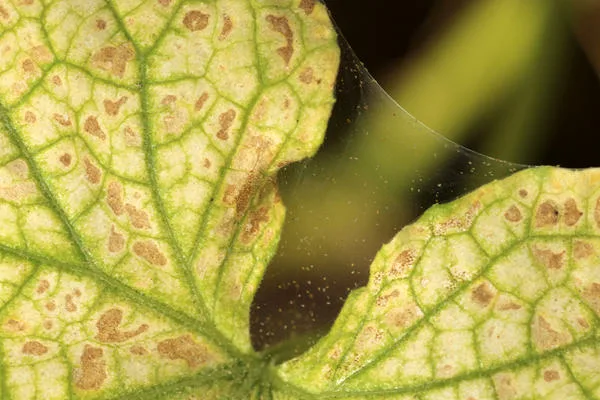
Harmonie has good resistance to a wide range of diseases, including powdery mildew, root rot, white mold, and ascochyta leaf spot. However, if improperly managed, plants can fall victim to the following infections:
- Mosaic. Characterized by the appearance of light green spots on the leaves, which then become wrinkled. Subsequently, flowering slows, and small bumps with spots of various shades may appear on the cucumbers.
To restore the health of plants, treat them with preparations such as Aktara, Actellic, Farmayod, or spray with Bordeaux mixture. - Alternaria or dry spot. This is an infection that causes small, raised, dry spots to form on the underside of leaf blades. Over time, these spots enlarge and cover the entire foliage. Eventually, the plants begin to die back and ultimately die.
To prevent the spread of the disease, spray with Bordeaux mixture or copper sulfate. - Cladosporiosis or olive spot. It is an airborne infection spread during rain. Clinical manifestations include the formation of yellowish-green spots on cucumbers and leaves.
Over time, they become harder, which can lead to cracking of the cucumbers. To treat cladosporiosis, use Fitosporin or Ordan.
Harvesting and storage
Harmony cucumbers should be harvested every two days if grown outdoors, and daily if grown in greenhouses or hotbeds. Failure to harvest regularly can lead to reduced productivity and poor fruit quality.
Positive and negative qualities
Harmony is a hybrid cucumber variety that is pollinated without insects. This makes it ideal for a variety of cultivation methods, whether in an open garden, a greenhouse, or under temporary plastic cover.
Pros:
Cons:
Reviews
The Harmony F1 cucumber hybrid is characterized by its fruitfulness and disease resistance. This variety is ideal for both commercial cultivation and personal consumption, including fresh growing, pickling, and canning. Harmony F1 thrives in a wide range of climates.