
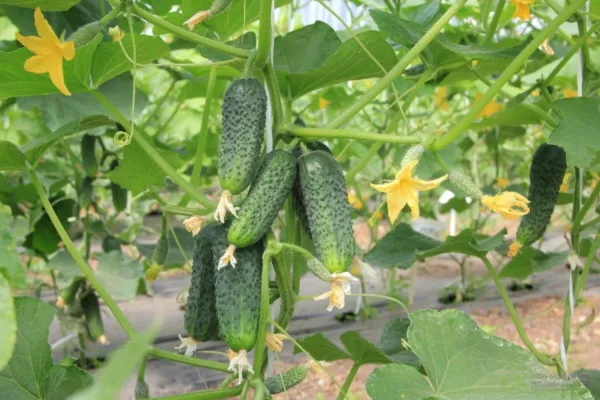
The Galina F1 cucumber is a Dutch hybrid characterized by moderate yields and excellent product quality. This variety is particularly demanding of soil conditions and prefers a warm climate, but is fairly stress-resistant and shade-tolerant. It is ideal for outdoor cultivation.
Introduction to the variety
Galina is a hybrid cucumber distinguished by its generous yields and pleasantly flavored fruit. It is parthenocarpic, meaning it can produce fruit without the need for full or assisted pollination.
- ✓ High stress resistance and ability to tolerate shade.
- ✓ Parthenocarpic fruiting type, does not require pollination.
This mid-early variety begins to yield approximately 40-45 days after germination. The average yield is 9 to 11 kg per square meter.
Characteristics of the appearance of the plant and cucumbers
The plant grows tall. Its main stem reaches 150-170 cm in length, with moderate branching. The leaves of this cucumber are small and heart-shaped.
There are also other varietal characteristics:
- The bush is characterized by foliage.
- The leaves of the hybrid have a rich greenish color and slightly pronounced wrinkles.
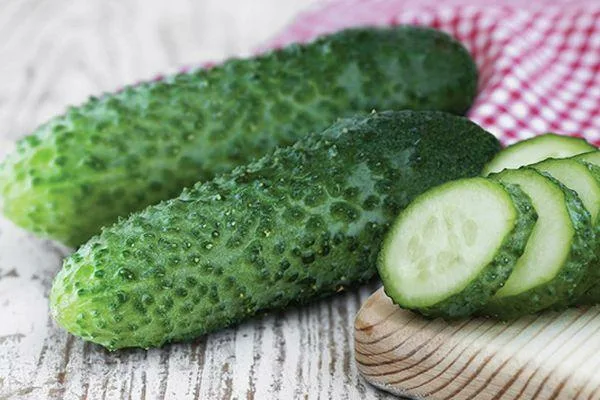
- The fruit is cylindrical, deep green, 10-12 cm long, and weighs approximately 95-100 g. Depending on growing conditions, cucumbers can weigh between 8 cm and 15 cm. Accordingly, the weight is a minimum of 80 g and a maximum of 120 g.
- The cucumber pulp is sweet, fleshy, juicy, free of voids and bitterness, with a delicately sweet aroma and taste.
- The surface is decorated with large tubercles, and the skin is thin.
Pros and cons
The Galina F1 cucumber isn't widely grown in Russia, so there's not much information about it. However, those who have already tried growing this variety note its rapid growth and the excellent quality of its vegetables. However, this hybrid is particularly sensitive to low temperatures and requires special attention to soil and nutrition.
Landing features
Galina F1 is a cucumber variety that is particularly well suited for outdoor cultivation or in lightweight structures such as plastic greenhouses. Unlike greenhouse-only crops, Galina F1 can be grown under cover, but this comes with an increased risk of late blight.
- ✓ Soil temperature at planting should be at least 15°C for optimal seed germination.
- ✓ Soil pH should be in the range of 6.0-6.8 to ensure nutrient availability.
Timing, preparation
When choosing the right time for planting, keep in mind that this heat-loving cucumber requires late planting, once the danger of frost has completely passed. It is recommended to plant it outdoors between May 12 and 16, and under plastic from the first of the same month.
Features to consider:
- The key condition for successful cultivation is a stable daytime temperature of around 15-17 degrees and at least 8-11 degrees at night.
- Preparing the planting site involves clearing the area of weeds in the fall, deep digging, replacing the top layer of soil, and sprinkling the surface with chicken manure.
- In the spring, the soil must be dug up again to the depth of a shovel, disinfected with a solution of manganese or wood ash, and also fertilized with peat or humus/compost.

Sowing and transplanting seedlings
For sowing seeds, use individual wooden boxes with holes, plastic cups or peat pellets, or pots. Here are the steps:
- Place fertile, loose soil in each container and plant 2-3 seeds into it. Place the seeds at a depth of 2 cm and mist them regularly with water early in the morning.
- When the cucumber seeds have sprouted and are 25-28 days old, and each has 3-4 leaves, transplant them into the garden. A week before, acclimate the seedlings to outdoor conditions by placing them outside and gradually increasing their time outdoors by 15 to 40 minutes per day. The ideal day for planting is a cloudy but sunny day, without wind or rain.
- Carefully remove the cucumbers from their pots and plant them in pre-prepared holes at a depth of 4 cm. It is recommended to plant 4, or a maximum of 5, plants per square meter. Cucumbers can be planted in rows, either horizontally or vertically. The space between plants should be 40-50 cm, and the width between rows should be 70-80 cm.
Care
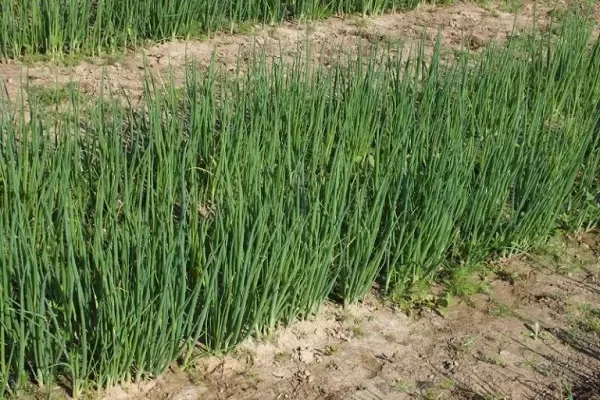
This cucumber requires careful and rather expensive care. It requires frequent loosening and weeding, regular feeding, and gentle but warm watering. Pest control measures are also essential.
Watering
Galina F1 appreciates water but does not tolerate excess moisture, so it's important to ensure rapid drainage from the roots. It's recommended to water the plants every two mornings before sunrise. This cucumber prefers gentle watering at the base, using water warmed to 23-25 degrees Celsius.

Support and shaping of bushes
Galina F1 bushes are distinguished by their vigor and rapid growth, so shaping them should begin immediately after the fully developed shoots emerge. The process involves the following steps:
- When the bush reaches 20-22 cm in height, fix it vertically on supports.
- Form the plant into a single-stemmed bush, removing side shoots, leaving only 3-4 stems up to 14-16 cm long.
- Tie up the main stem up to the 5th leaf.
Due to its extensive branching, Galina F1 will require repeated pinching several more times during the season.
Top dressing
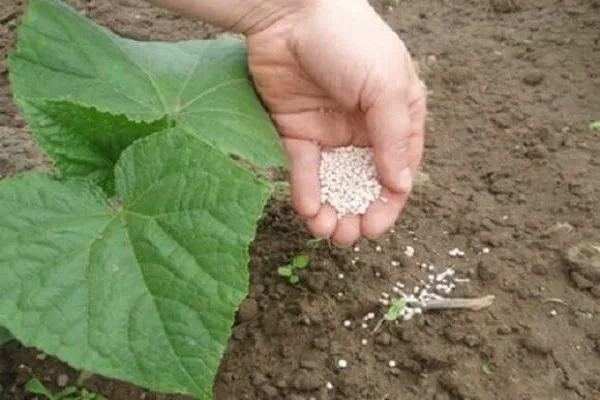
Four to five fertilizing applications are recommended per season, spaced approximately seven to ten days apart. Mineral fertilizers applied to cucumbers alternate with organic fillers. Humus, wood waste, diluted manure, and compost are added to the root system.
Hilling
This procedure is performed every 2-4 days to protect plants from rot, frost, and pests. The bushes are covered with a layer of soil to a depth of 28-30 cm. After each watering, the soil around the plants is loosened to a depth of 20-21 cm to prevent a dense crust from forming under the roots, preventing water and air from penetrating.
Diseases and parasites
Galina f1 has a strong immune system and is rarely susceptible to common viral infections. However, before planting, it should be treated with potassium permanganate or copper sulfate solutions.
What to be wary of:
- Root rot. This disease develops in cucumbers when exposed to cold water at high temperatures. Symptoms include the appearance of brown, water-soaked ulcers on the roots, which then spread to the stem. Galina f1 is treated with fungicides such as Gliocladin, Previcur Energy, and others.
- Cladosporiosis. Cucumbers are susceptible to olive spot in conditions of frequent rainfall and high air and soil humidity. The disease is detected by irregular greenish-beige leaf pigmentation. To treat the disease, plants are sprayed with Bordeaux mixture, and as a preventative measure, greenhouses where Galina is grown are disinfected with a copper sulfate solution.
- Whitefly. These insects suck the sap and lay eggs on cucumber plants. The pest infests this variety in warm regions and areas with excessive plant density. Whiteflies can be identified by a black, sticky coating on the leaves. A tar soap solution or yarrow decoction can be used to control them. In severe cases, insecticides are used to treat Galina f1.
Harvesting and storage
The variety begins to ripen in early July, but can be picked under plastic wrap as early as the end of the previous month. The cucumber is ready for harvesting when it reaches 10 cm in length. Cucumbers are harvested every two to three days.
According to the description, the Galina F1 variety is quite stable in storage – it can retain its quality for about 7-9 days at temperatures between 7 and 10 degrees Celsius. However, gardeners recommend eating the cucumber immediately or freezing it for the winter immediately after harvesting to prevent it from losing too much moisture.
Reviews
The Galina hybrid is characterized by its hardiness and ability to produce abundant harvests, but in exchange, it requires careful site selection and fertilizing. If you follow all the agricultural recommendations and standards, you can harvest a huge number of tasty, transportable, and shelf-stable fruits of uniform shape and excellent marketability.