
Farmer cucumbers offer a range of advantages that can significantly simplify the growing process and improve the final result. Thanks to their high yield, excellent taste, and disease resistance, this hybrid is deservedly popular among experienced gardeners and novices alike. Proper care will ensure healthy and delicious vegetables.
Introduction to the variety
Farmer is a sought-after variety, chosen by many agronomists in our country. It boasts excellent characteristics and is easy to grow, even for those with no gardening experience.
Originators
The variety's copyright holder is the Manul breeding and seed company. Breeders A. V. Borisov and O. N. Krylov developed it in the 1990s, and the plant was registered in 2000.
External characteristics of the plant and cucumbers
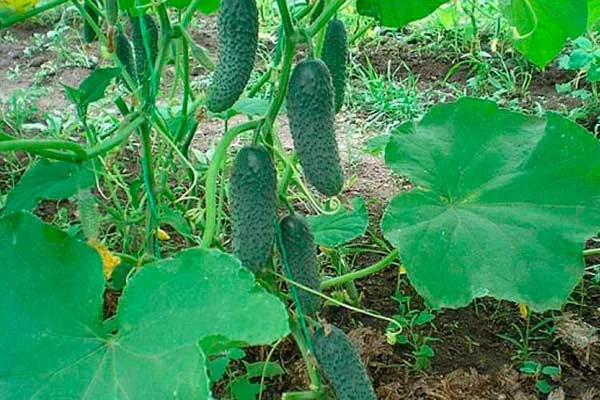
This medium-sized indeterminate shrub features long vines, moderate branching, moderate foliage with dark green leaves, a strong central stem growing to 170-200 cm, and a well-developed root system. A characteristic feature is the rapid growth of lateral shoots.
Other characteristics of the culture:
- During flowering, the bushes produce pale yellow flowers, predominantly female, so there are no sterile flowers. One to two fruits are formed at each node.
- The bush is pollinated by bees, so plant nearby plants that attract insects.
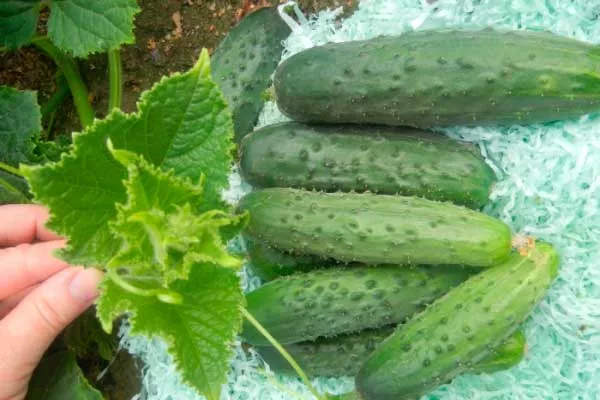
- The cucumbers are distinguished by their excellent commercial qualities. They ripen uniform and neat, weighing 95-105 g and reaching 8-11 cm in length.
- The fruit is spindle-shaped, dark green with light stripes. The skin is fairly thick, sparsely covered with large tubercles, small spines, and faint ribs.
The hybrid is prone to overgrowing, which leads to deformed shape and poor flavor, so avoid leaving the fruits on the plants for too long. The vegetables transport well and can be stored for a long time under appropriate conditions without losing their flavor or nutritional value.
Taste and purpose
The flesh of these cucumbers is dense, meaty, tender, crunchy, and very juicy, without any air or wateriness. The flavor has a subtle sweetness and a distinct, refreshing aroma, adding a piquant touch to salads and sautéed dishes. There's no bitterness, and the skin is soft. There are few seeds in the flesh.
When ripe, the yield
This hybrid has a medium yield of 12 to 14 kg per square meter. Depending on the growing conditions, you can harvest more or less vegetables. It's a mid-season variety, so the first fruits ripen moderately early.
- ✓ The soil acidity level should be strictly neutral (pH 6.5-7.0).
- ✓ The soil must contain at least 4% organic matter.
Soil requirements
The plant prefers light, well-drained, and nutritious soils that are permeable to moisture and air and have a neutral pH. It does not grow in waterlogged or heavy soils.
Positive and negative qualities
To determine the value of cultivating this variety, it's worth familiarizing yourself with the Farmer's positive qualities. It also has some drawbacks that are important to consider before planting.
Vegetable growers note several disadvantages of the crop: it is not suitable for greenhouse cultivation, and the seeds are unsuitable for subsequent cultivation.
Landing features
In the northern regions, the hybrid is grown using seedlings, while in the southern regions, sowing is preferred. To ensure successful plant development and strong, healthy growth, vegetable growers recommend taking into account cultivation practices.
Deadlines and requirements
Plant seeds and transplant seedlings when the soil warms to 15°C. Plant cucumber seedlings in mid-April to early May (usually 30 days before outdoor cultivation). Sow seeds directly into the garden beds in late May.
Site preparation
Prepare the cucumber plot in the fall: remove weeds and last year's remaining tops, dig over the soil, and fertilize it with humus, compost, or ammonium nitrate. Choose planting sites where tomatoes, eggplants, cabbage, potatoes, onions, or peppers were previously grown.
Planting seeds in the ground
Before the procedure, prepare the seeds: soak them in hot water for a few minutes, then in cold water for the same amount of time. Then, place the seeds on cheesecloth and let them dry.
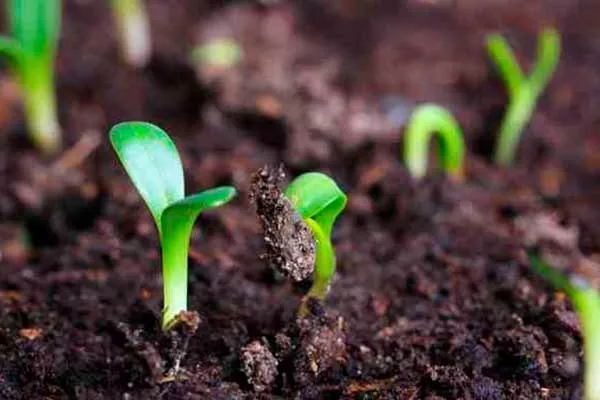
Plant the seeds 2-3 cm deep. Place two seeds in each hole, cover with soil, and thoroughly moisten with warm water. Cover the bed with plastic wrap to maintain the temperature.
Planting seedlings
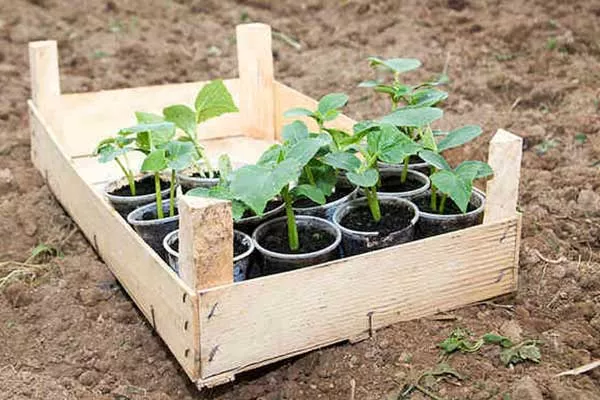
To grow strong seedlings, place the seeds in small peat pots at a depth of 3 cm. After planting, moisten the soil and place the pots in a room with a temperature of 25-27°C. Once the seeds germinate, reduce the temperature to 18-20°C and provide up to 15 hours of light per day.
Planting diagram
Plant three seedlings per 1 square meter plot. Maintain a 60 cm spacing between rows and 40-50 cm between plants.
Care
Although the Farmer variety is undemanding in terms of agricultural practices, care remains an important aspect of cultivation. The hybrid requires basic procedures: watering, hilling, loosening the soil, fertilizing, and shaping the bushes. Read the detailed description of these procedures for effective care.
Watering
Apply water to the roots. Water the seedlings once every 3-4 days. During the period when the cucumbers are forming, increase the frequency to once every 2 days or even daily, depending on weather conditions. Water the plants primarily in the evening.
Garter and shaping of bushes
Tie the shoots to vertical supports. The plants require shaping: prefer the "single-stem" method. To promote fruit development, trim off 4-5 lower leaves.

- First feeding: 2 weeks after planting the seedlings, use nitrogen fertilizers.
- Second feeding: at the beginning of flowering, use phosphorus-potassium fertilizers.
- Third feeding: during the period of active fruiting, use complex fertilizers.
Top dressing
Fertilize three times per season. Use fertilizers containing nitrogen, phosphorus, and potassium. Use manure, litter, potassium or ammonium nitrate, urea, potassium, ammonium phosphate, or superphosphate.
Hilling
Hilling and loosening the cucumber beds is done after watering, usually every two weeks. These procedures help remove the hardened soil layer and strengthen the root system.
| Disease | Sustainability | Control measures |
|---|---|---|
| Powdery mildew | High | Prevention: treatment with Fitosporin |
| Root rot | Average | Treatment with Previkur |
Diseases and parasites
The breeders who developed the hybrid focused on strengthening immunity against key diseases, such as olive spot, powdery mildew, and root rot. However, improper care or planting errors can lead to other diseases.
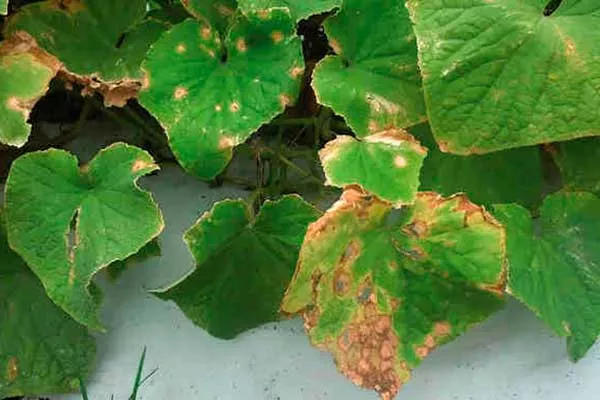
Let's consider the main ones and methods of combating them:
- Copperhead (anthracnose). It causes rusty spots on the tops of cucumbers, cucumbers, and vines, which then become covered with ulcers. Leaves may develop holes. To combat copperhead, use chemicals such as Previkur, Fundazol, Fitosporin, Quadris, or Thiovit Jet.
- Rhizoctonia. Oval or round yellow-orange spots appear on the affected areas. Elongated, light-brown ulcers form on the cucumbers.
For treatment, use biological preparations Baktofit, Planriz or Trichodermin, and chemical substances Quadris or Strobi. - Fusarium. The disease causes bushes to wilt during the day, foliage to turn yellow, and white bloom and yellow spots to appear. When affected by fusarium, the stems become dark and crack. For prevention and treatment, use the following products: Fundazol, Topsin-M, Previkur, Quadris, or Gymnast.
Plants can be attacked by insects such as ants, melon aphids, whiteflies, spider mites, and slugs. To control them, use commercial pesticides such as Kinmix, Decis, Inta-Vir, Arrivo, Fitoverm, and Actofit. Two to three sprays are usually sufficient to eliminate the pests.
Harvesting and storage
Harvest the greens regularly, every 1-2 days, to prevent them from becoming overgrown. If not harvested promptly, the fruits may become larger, which can affect their taste and appearance.
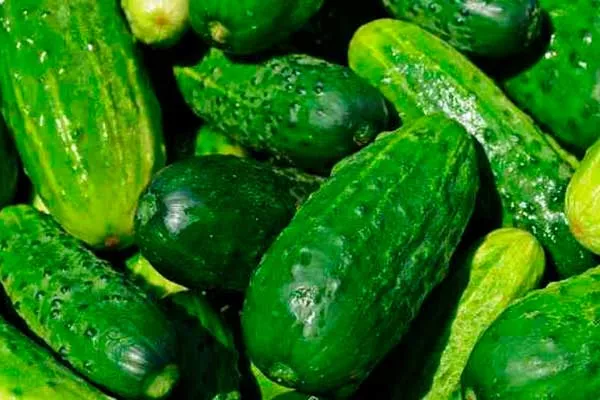
Collection process:
- Pick cucumbers carefully to avoid damaging the stems and surrounding fruits.
- Use a knife or scissors to cut vegetables to avoid damage.
- Pick only mature specimens, leaving small and immature ones to give them a chance to grow.
Storing the harvest requires special attention to preserve the taste and benefits:
- Cucumbers are best stored at temperatures of 8-10°C. Higher temperatures can cause their quality to deteriorate more quickly.
- Maintain high humidity (around 90-95%) to prevent vegetables from wilting.
- Store your harvest in the refrigerator or in a cool, well-ventilated area. Avoid direct sunlight or high temperatures.
- Pack vegetables in plastic bags or containers with ventilation holes to prevent them from sweating excessively and rotting.
Farmer cucumbers can be stored in such conditions for up to 1-2 weeks without significant loss of appearance and taste.
Reviews
Farmer cucumbers are one of the most popular varieties on the market, winning acclaim among both experienced and novice gardeners. This hybrid boasts excellent commercial qualities, high yields, and disease resistance, making it an ideal choice for any garden. It's important to provide the crop with timely and comprehensive care.