
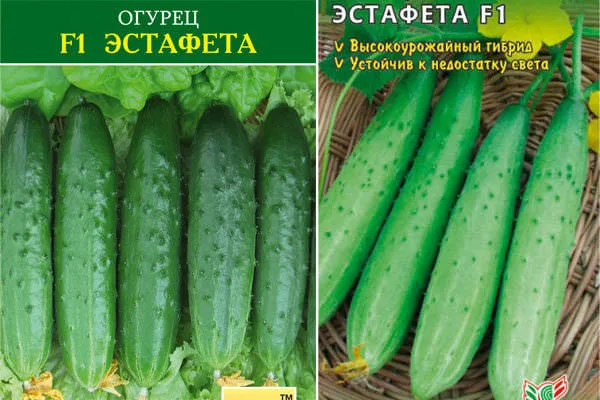
Estafeta cucumbers are an excellent choice for those who want a consistent, abundant harvest of delicious, healthy cucumbers. This hybrid boasts excellent productivity, weather resistance, and culinary versatility. The key is to follow simple cultivation practices to unlock the best potential.
Description of cucumbers
This hybrid variety was developed for cultivation in plastic and glass greenhouses, as well as in open ground. Its creators were A. V. Borisov, G. I. Tarakanov, V. S. Krylov, and T. P. Banshchikova, breeders from the V. I. Edelstein Vegetable Experimental Station of the Moscow Agricultural Academy. It was officially accepted for use in 1983.
Bush
The plant develops fairly quickly. It is compact, with long, trailing shoots that require no foliage control.
The leaves are classically shaped, large, with ribbed edges and pubescent on the upper surface. Lateral and central veins divide the leaf blade into several sections. The color varies from bright green to pale green, depending on growing conditions.
Fruit
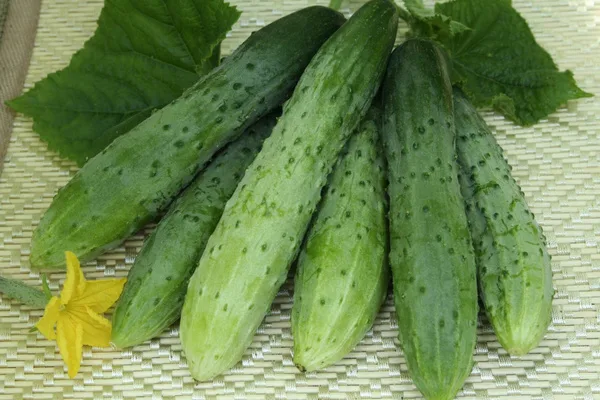
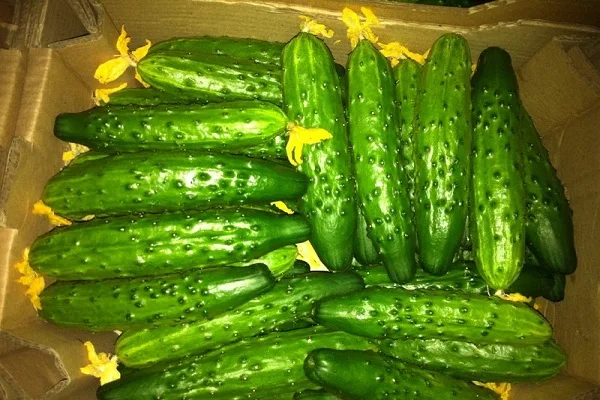
Ripe cucumbers reach 14-23 cm in length. Their skin is firm but thin, dark green. Each cucumber weighs 141-228 g and is spindle-shaped. The surface is covered with bumps with soft, small spines.
Estafeta is a table variety, primarily used for salads, considered by many gardeners to be versatile. Unripe fruits (called gherkins or pickles) are used for canning.
The flesh is crisp, with a refreshing, slightly sweet flavor, without bitterness. They are added to salads, cold cuts, and entrees, such as rassolnik.
Characteristics of the variety
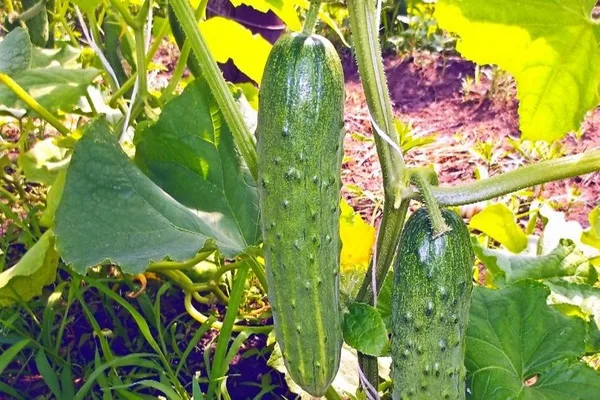
This mid-season variety reaches technical maturity 53-66 days after planting. It is distinguished by its high yield – with proper care, a single plant can yield up to 30 kg of cucumbers per season.
Pros and cons
Climate and regionality
It is characterized by good stress tolerance to sudden weather changes, cold snaps, and prolonged heat waves. The most favorable regions for cultivation are the northern, northwestern, central, Volga-Vyatka, Black Earth, North Caucasus, and Middle Volga districts.
Landing features
The crop matures successfully in a greenhouse during the fall and winter, but the most productive time for cultivation is late spring or early summer. Relay doesn't have any special soil requirements, but for best results, nutritious, loose soil is recommended.
- ✓ Optimum soil temperature for seed germination: +17°C and above.
- ✓ Required daylight hours: 12 hours.
- ✓ Water temperature for irrigation: 32°C.
Deadlines
Sow seeds for seedlings in the first half of April, when the air temperature in the area reaches 19-20°C. Transplant the sprouted seedlings into protected soil from mid-May until the second half of the month, provided that nighttime temperatures do not drop below 18°C.
Soil preparation
Choose a site in elevated, sunny areas. The optimal soil for this variety is rich black soil or loose, light sandy loam.
In September, begin preparing the site: dig the soil to a depth of 45-50 cm, completely replacing the top layer of soil, then clear the area of weeds and disinfect it with a solution of copper sulfate.
The final step in preparation is to apply fertilizer—urea or cow manure. Three to four days before planting, loosen the soil again, dig holes, and fill each with chicken manure and wood ash.
Planting seeds
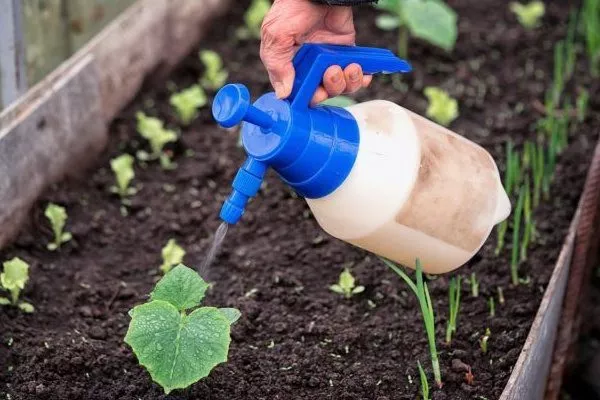
Plant the seedlings in separate containers to minimize damage to the root system during transplantation. Before planting, disinfect the seeds in a potassium permanganate solution for 40 minutes. Place three seeds in each container.
During the germination period, provide the seedlings with daily watering and regular fertilization with peat, humus, and a growth stimulant. If lighting is insufficient, install additional grow lights around the seedlings. Maintain a temperature of at least 17°C (63°F) for seed germination.
Planting seedlings
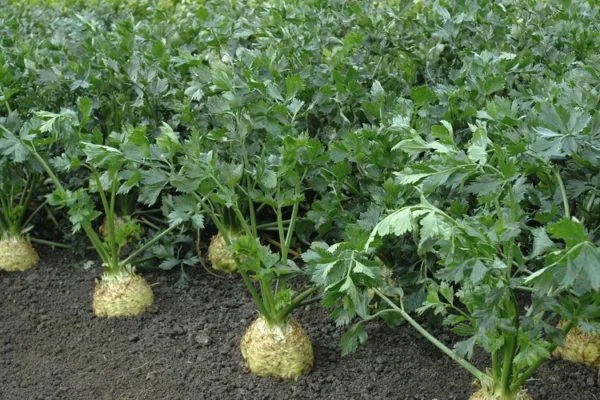
Transfer the seedlings to the greenhouse 27-28 days after germination. Six to seven days before transplanting, begin hardening off the seedlings by placing them outside for 15 minutes at a time, gradually increasing the time spent outdoors. Transplant on a sunny, but not hot, or windless day.
When planting, place the seedlings 5-6 cm deep into the soil, up to the level of the second true leaf. After transplanting, water the seedlings thoroughly and gently loosen the soil around the stems.
Planting diagram
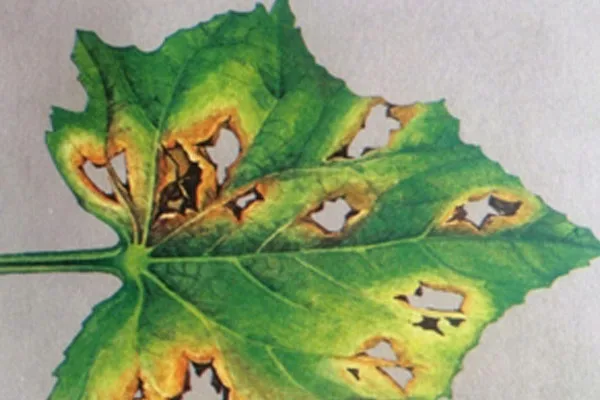
Seedlings are compact, and planting them too close together can lead to disease. Plant three plants per square meter in a greenhouse, and increase this number to five in open ground. Leave wide row spacings of about 70-75 cm, while reducing the distance between adjacent plants to 30 cm.
Care activities
The hybrid doesn't require complex agronomic techniques for care. The gardener's primary tasks are standard measures. To prevent pest problems, it's important to maintain crop rotation, keep the beds clean, and carefully remove all emerging weeds by the roots.
Watering
Provide the crop with daily watering according to a strictly established schedule. Water in the morning before the sun begins to shine brightly. Use warm, settled water with a temperature of 32°C (90°F), as cucumbers do not tolerate cold water.
Garter and shaping the bush
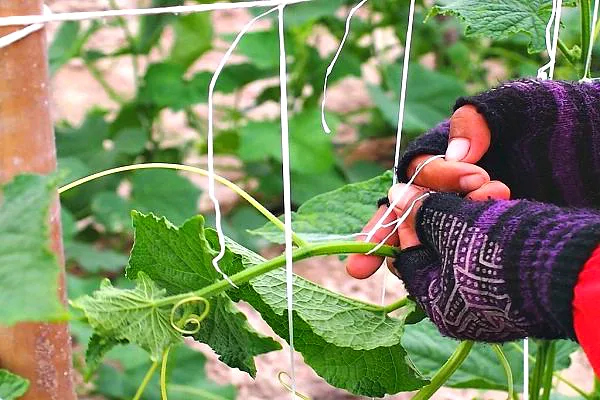
The hybrid isn't particularly sprawling, but its characteristics, such as bee pollination and large fruit, require special attention to shaping. To ensure proper development, follow these steps:
- Once the bush grows to 25 cm, tie it vertically to the trellis.
- Train the plant to a single central stem, removing most of the side shoots and leaving only 3-4 shoots up to the 6th leaf. These branches will form the female inflorescences.
- When the main stem reaches a height of 1.5 m, carefully pinch off its top.
This variety doesn't require constant pruning of its side shoots, as they develop slowly. The only thing you need to ensure is that the leaves don't touch the ground.
Top dressing
The plant requires regular fertilization. Don't neglect feeding. Follow these recommendations:
- Feed the bushes weekly with 1 liter of diluted fertilizer. For the first few weeks, use a solution of chicken manure and nitrophoska. The hybrid responds well to a combination of organic and mineral fertilizers.
- After the first feeding, use wood ash, mullein and sawdust, alternating them with mineral fertilizers - potassium nitrate, sodium sulfate, superphosphate, etc.
- First feeding: a solution of chicken manure and nitrophoska 2 weeks after planting the seedlings.
- Second feeding: wood ash a week after the first.
- Third feeding: mullein and sawdust a week after the second.
Plants respond best to fertilizer applied directly to the roots to avoid contact with the leaves. Check the plants regularly to adjust the fertilizing schedule if necessary.
Hilling
Loosen the soil and hill up the plants to protect them from frost and improve root conditions. Helpful tips:
- Hill up the bushes every 2-3 days, adding soil to a depth of 25-30 cm. This will protect the plants from frost and improve water and air access to the roots.
- After hilling, lay a mulch of hay or dried field grasses on top to retain moisture and prevent the soil from overheating.
- On particularly cold nights, add additional soil up to a third of their length to protect them from frost.
Loosen the soil daily after watering to prevent waterlogging and root rot. The recommended depth is 20-30 cm.
Diseases and parasites
The crop has good resistance to diseases such as cucumber mosaic virus, ascochyta leaf spot, and root rot, but it is susceptible to powdery mildew. The hybrid exhibits moderate resistance to various pests:
| Problem | Description | Prevention and control measures |
| Powdery mildew | A whitish coating appears on the back of the leaf, the edges curl and wither. | Treat the area with fungicides before flowering and fruiting. Spray with a soap and salt solution or Fitosporin 1-2 times during flowering and fruiting. For prevention, spray with a weak iodine solution (40 drops per 10 liters of water) every week. |
| Cladosporiosis | Light beige, wet spots with a greenish tint on the leaves. | Treat with Bordeaux mixture or Oxychom. Ventilate the greenhouses on warm days. Water with warm water, remove and burn affected bushes. |
| Ants | They drink juices from leaves and eat the roots of plants, causing them to dry out. | Get rid of ant nests. Mulch the space between rows with dried wormwood and sprinkle with bay leaves and mustard. Spray areas where ants congregate with garlic infusion. Treat the soil with a diazinon-based preparation before planting if there were ants last year. |
 Harvesting and storage
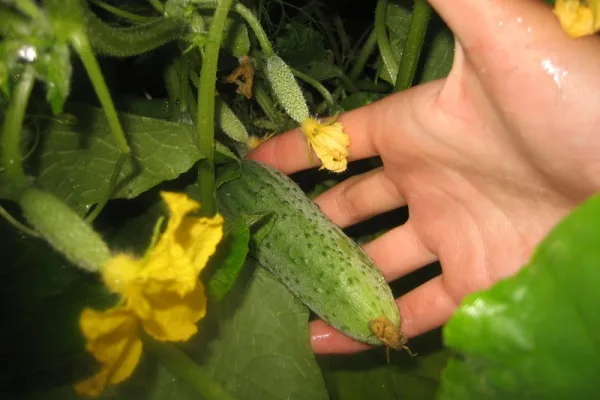
The cucumbers ripen around mid-July. If you pick them daily, the fruiting period can be extended until October. Pick early in the morning, before watering, carefully cutting the cucumbers from the branches with pruning shears, being careful not to damage adjacent shoots.
This variety is renowned for its excellent storage properties. Harvested cucumbers can be stored in the refrigerator at 8-10°C for up to 10 days without losing their flavor or appearance. To keep them in good condition, lightly wipe them with a dry cloth and store them immediately.
Reviews
The Estafeta cucumber is one of the most sought-after varieties among gardeners. This is due to its impressive characteristics and versatility. This hybrid quickly gained popularity due to its good productivity, excellent taste, and resistance to adverse conditions. With proper care, you can get high-quality cucumbers and a bountiful harvest.