
Express is the best choice for those who value quality and want to enjoy fresh cucumbers as early as early summer. Its low maintenance, high yield, and disease resistance make it an ideal choice for both experienced and novice gardeners. Proper and timely care is key.
Introduction to the variety
Express is a parthenocarpic variety. Plants are grown both in greenhouses and outdoors. They are characterized by long stems and medium branching. The flowering type is female, and the variety does not require insect pollination.
Originators
Russian breeders including Maximov, Klimenko, and Baklanova have developed several varieties, including the Express hybrid. It was developed in 2015 and is approved for cultivation in the following regions:
- Northwestern;
- Central;
- Volga-Vyatka;
- North Caucasian;
- Middle Volga;
- Lower Volga;
- Ural;
- West Siberian;
- East Siberian;
- Far-fetched.
It is successfully cultivated in the Central Black Earth Region. It produces abundant and high-quality harvests in any conditions.
Characteristic features of the appearance of the plant and fruits
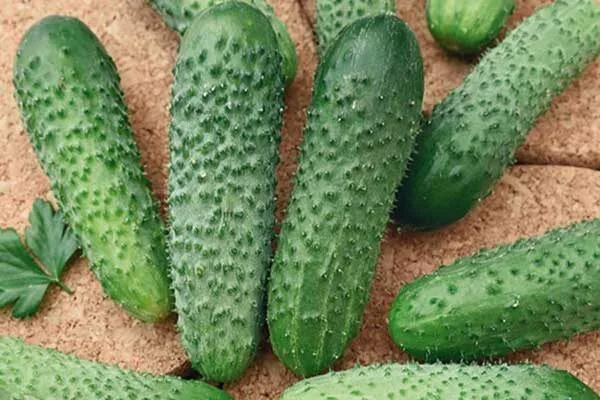
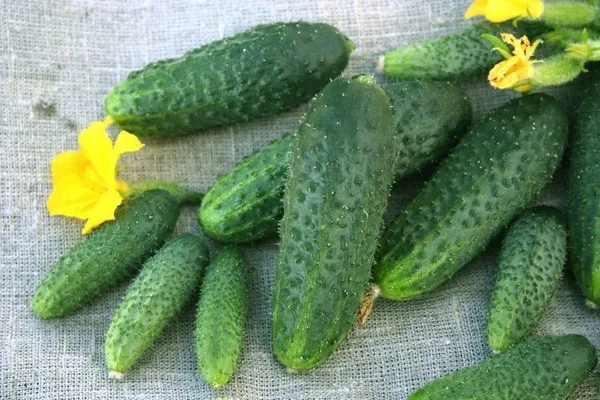
The bush is indeterminate. Its leaves are medium-sized and richly green. Each node contains 3-4 female flowers. The fruits are short, averaging 11-13 cm in length and weighing 100-120 g. They are oval in shape.
Purpose and taste
Vegetables are used in various salads, canning, pickling, and fresh eating. They have excellent presentation and exquisite taste.

Ripening and yield
This is an ultra-early variety. Expect the first harvest in as little as 32-38 days, usually in mid-June. Harvest the vegetables daily in the evening, after sunset, to prevent them from becoming overripe and turning yellow. Picking is also acceptable at the pickle or gherkin stage; cut them with scissors or pruning shears, removing most of the stem.
Advantages and disadvantages
The hybrid's main feature is that the female flowers bear fruit. The plant has a strong stem and a well-branched shoot structure. Breeders have worked hard to create this variety, and it boasts a number of advantages that make it prized by gardeners:
Express has one drawback - it is demanding of soil quality.
Growing and care
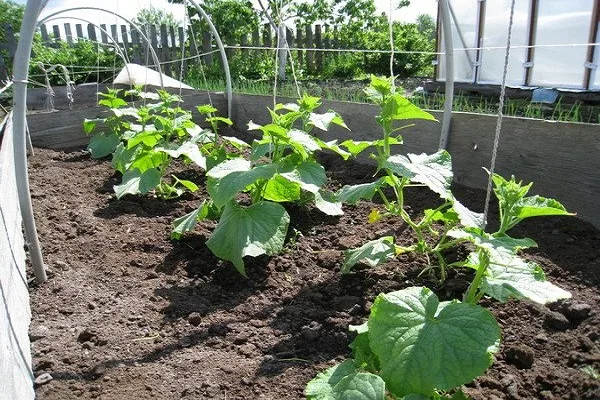
To ensure a good harvest, it's important to provide the crop with proper care. Moisten the plants with warm water, as cold water can increase the risk of diseases and fungal infections.
Regular fertilizing is essential. Fertilize the bushes three times during the growing season, at 10-12 day intervals. Fertilizing schedule:
- On the 8-9th day after planting, add fertilizers containing phosphates to the soil.
- When the first flowers appear, feed with wood ash or potassium salt.
- Before the fruits begin to ripen, fertilize with chicken manure or nitrophoska.
- ✓ Soil pH should be between 6.0-6.8 for optimal growth.
- ✓ The soil should be well-drained, with a high content of organic matter.
Don't neglect mulching between rows, which will protect the bushes from pests, saturate the soil with nutrients, and allow it to retain moisture longer.
Resistance to diseases and pests
The hybrid has good disease resistance and is rarely attacked by pests. The bushes are almost never affected by downy mildew, which is more common in greenhouses due to excessive humidity. This causes a yellow coating to appear on the plants. Immediately treat the beds with chemicals such as Strobi, Trichodermin, or Planriz.
Plants can be damaged by ants. These insects thrive in poorly weeded and overly dense beds, quickly devouring leaf blades and stems.
Reviews
Express cucumbers are the best choice for gardeners seeking an early and abundant harvest. This hybrid has gained popularity due to its good productivity, excellent taste, and disease resistance. For successful cultivation and high-quality cucumbers, it's important to ensure proper care and follow simple agricultural practices.