
The Druzhnaya Semeyka cucumber (not to be confused with the Vesyolya Semeyka variety) is a selective hybrid that requires no pollination and boasts excellent flavor. These cucumbers have one drawback: they don't produce seeds, so you'll have to buy seeds annually.
Introduction to the variety
This variety possesses the characteristic traits of many parthenocarpic plants: abundant ovary production, no voids or bitterness in the fruit, strong disease resistance, and the ability to store the harvest for a long time. It is shade-tolerant and requires little care. Flowering is predominantly female.
Features of selection
This variety was developed by our breeders at the Sedek agricultural company and registered in the State Register in 2003 after undergoing a series of tests. The hybrid is ideal for growing in various climate zones across the country, making it popular among gardeners.
Specificity of bushes and cucumbers
This variety is characterized by moderate growth and medium foliage density. Its shoots are indeterminate, meaning they elongate endlessly throughout the season. This is important: if the cucumbers exceed the height of the trellis, the tops should be carefully trimmed.
Consider other varietal characteristics:
- From two to four fruits are formed at the leaf nodes on the main stem, while on the lateral branches their number can reach six to eight.
- The intervals between nodes are shortened, the leaves have characteristic wrinkles, a rich emerald shade with a wavy edge.
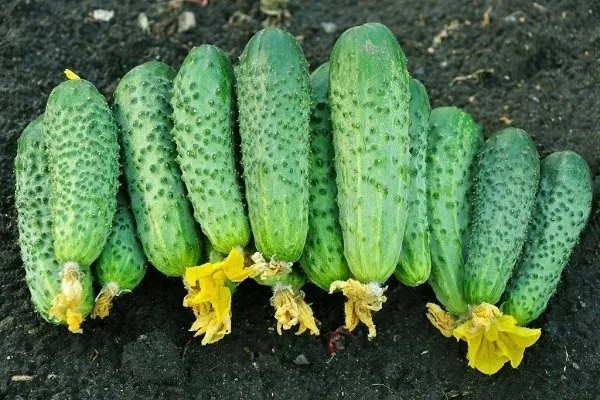
- The fruits are cylindrical in shape, rich green in colour with barely noticeable light stripes extending halfway down the length.
- Cucumbers are medium-bumpy, with whitish spines and often covered with hairs.
- The skin is strengthened due to its density.
- The fruits are firm to the touch, but inside they remain juicy and not bitter.
- During the season, the fruit length fluctuates between 10 and 12 cm, and the diameter is 3-4 cm. The fruits of this variety are ideal for harvesting at the pickle and gherkin stage, when they reach 3-7 cm in length.
- Weight varies from 60 to 100 g.
Taste and application
Druzhnaya Semeyka cucumbers are renowned for their superb flavor. Their aroma is rich and characteristic of cucumbers. These crisp, sweet, and delicious vegetables are ideal for fresh consumption, but they also make a true delicacy in pickled and salted snacks.
Fruiting period
This variety is a mid-early crop, the harvest from which can be collected 40-48 days after the first green shoots appear.
Productivity
This friendly family is renowned for its productivity, averaging almost 10.5 kg per square meter in open ground. In greenhouse conditions, this figure can increase to 14-20 kg. The fruits are characterized by high marketable quality, light weight, and excellent transportability.
The subtleties of planting work
The Druzhnaya Semeyka F1 variety can be grown in two ways. In southern regions, direct sowing of seeds is preferred, while in regions with unstable climates or poor soils, seedlings are recommended.
Before sowing, the seeds are treated: they are disinfected in a weak solution of potassium permanganate for 2-5 hours. Afterwards, they are dried and placed in a saline solution to select the high-quality planting material, which will sink to the bottom. To accelerate germination, the seeds are soaked in growth stimulants.
Planting dates
To grow strong seedlings, begin the process 3-4 weeks before you plan to transplant them into the garden. The exact timing varies by region, beginning in March and ending in May. Transplanting into the greenhouse occurs starting on April 20th.
Soil preparation
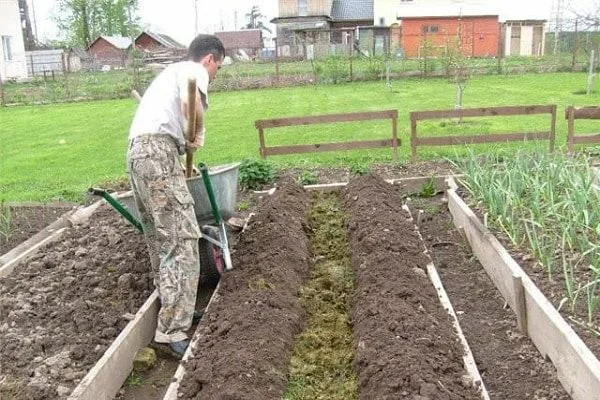
In the spring, cultivate the bed by pouring boiling water over the soil and covering it with plastic wrap for 24 hours. Afterward, dig over and level the surface, repeating this process 3-4 days later.
In the fall and spring, spray the top layer of soil with a solution of Fitosporin or Bordeaux mixture. Before turning the soil over for the winter, apply bleach.
If the soil is poor, additional fertilizing is necessary. For cucumbers of the Druzhnaya Semeyka F1 variety, the following is recommended per 1 sq. m:
- 8-10 kg of compost or 20-25 kg of manure;
- 15-20 g magnesium sulfate;
- 35-45 g Superphosphate;
- 35-45 g of potassium sulfate.
Planting seeds
The sowing procedure is classic, but there are some nuances:
- To begin the process of growing cucumber seedlings, place the seeds in individual containers, deepening them by 2 cm.
- Until the seedlings emerge, keep the cups at a temperature of 25-26°C. Once the sprouts emerge, reduce the temperature to 18-20°C.
- The seedlings should be placed in a well-lit location. If you have a north- or west-facing window, you'll need to use grow lights for additional lighting.
- When a high-quality soil mixture is used for seedlings, there is no need for additional feeding.
- A few days before transplanting, the planting material must be hardened.
Transplanting seedlings
Druzhnaya Semeyka cucumber seedlings are ready for transplanting to their permanent location 25-30 days after sowing the seeds. They are transplanted into the greenhouse once stable warm weather sets in.
Transplant young plants into the open garden in early June, when the soil warms up to 16°C. Cold can damage the plant roots.
Planting diagram
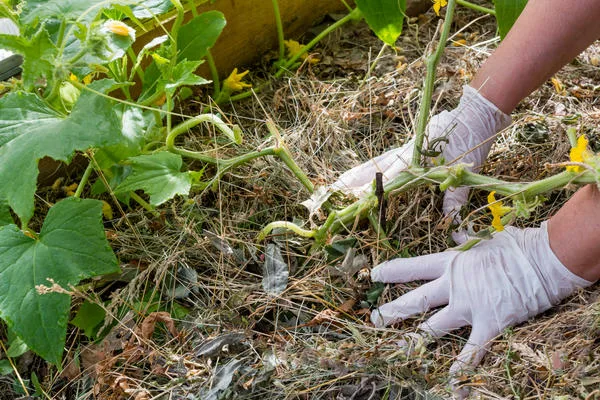
Plant placement significantly impacts yield. Planting plants too close together will compete for resources and light, so no more than 2-3 plants should be planted per square meter. Leave 40-55 cm between plants, and row widths should be 70-1006 cm.
Methods of growing a friendly family
There are several approaches to growing cucumbers in your garden, each with its own pros and cons:
- Method of spreading on the ground. With this method, cucumbers grow directly on the soil surface, allowing them to fully utilize sunlight. However, there are also disadvantages: vegetables left on the ground quickly become dirty, especially after rain, making them difficult to harvest.
In addition, any changes in the plant structure can affect yield, and the fruits become more susceptible to infections. - Using trellis. First, stakes are installed at the site of the garden bed, to which a pole is then attached. These structures can be either low (0.5 m) or high (1 m or more). For low stakes, the cucumber stems are simply draped over the pole, while for high stakes, they are secured with twine.
The trellis method is convenient for caring for plants, provides good lighting and ventilation, which contributes to longer fruiting. - Barrel method. Although not entirely traditional, it is very practical. A barrel is filled with compost and mown grass, covered with a layer of soil, and watered generously. Five to six seeds are planted around the perimeter of each container and covered with plastic. This will allow the vines to hang freely downwards.
This method provides good plant lighting, minimal maintenance, and ease of harvesting. The main advantage of this method is the ability to harvest cucumbers early.
Rules for caring for cucumbers
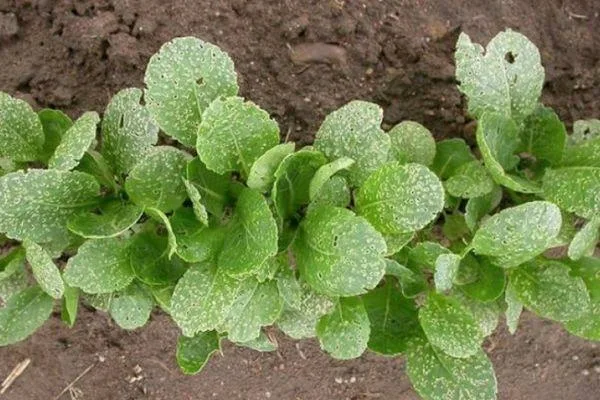
The Druzhnaya Semeyka F1 cucumber variety, which requires no pollination, is most often grown in greenhouses. To achieve high yields, it's important to maintain optimal air and soil humidity levels and fertilize the plants regularly.
Watering
To saturate cucumber plants with water, use warm, settled liquid, directing it directly to the roots. In moderate climates, watering the plants once a week is sufficient. As temperatures rise, increase the frequency of watering, as a lack of moisture can lead to bitterness in the fruit.
Garter and shaping of bushes
For the Druzhnaya Semeyka variety, it's important to avoid overcrowding and insufficient light, which can negatively impact fertility. Stranding and shaping the canes also help prevent disease and simplify harvesting.
It's recommended to tie up cucumbers at the same time as planting the seedlings in open ground. If the seeds were sown directly into the ground, tie them up when the plants reach a height of 10-12 cm.
Top dressing
The period when night frosts are likely to recur is a risk for young cucumber plants. To provide protection, be sure to apply a mixture of cow manure and bird droppings to the area around the stems.
To maintain the health and growth of young cucumbers, fertilize them with a complete fertilizer mixture, which is important to combine with evening watering. Approximately 2 liters of fertilizer solution is required per plant. Organic fertilizers are more suitable for mature plants.
Weeding and hilling
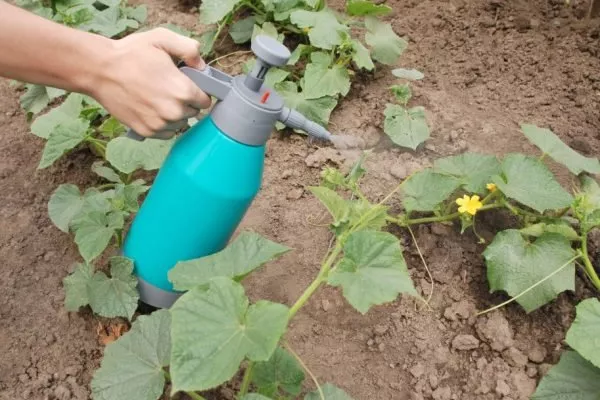
These agricultural practices promote the formation of new roots. Weeding and hilling improve soil aeration, which encourages the development of lateral roots. This, in turn, increases the plant's ability to absorb moisture and nutrients from the soil necessary for growth.
Dangerous diseases and pests
Druzhnaya Semya bushes are resistant to diseases such as mosaic, olive spot, and powdery mildew. To prevent these diseases, it's important to follow watering guidelines and regularly treat the bushes with fungicides.
However, other problems may arise:
- Ascochytosis. To treat affected plants, use copper sulfate solutions with added urea, and thoroughly disinfect the greenhouse every year. Signs of the disease include:
- the appearance of gray spots on the leaves;
- development of black fungal structures;
- formation of brown spots on the stems;
- gum secretion.
- Fusarium wilt. Mold can destroy up to 50-80% of a cucumber crop. The first sign of the disease is wilting of the shoot tips during the day. Methods for controlling fungal diseases of cucumbers include:
- seed treatment before sowing;
- ensuring good ventilation of the greenhouse;
- use of chemicals in case of the first symptoms of infection.
- Aphid. This pest actively reproduces from mid-summer, forming green or black colonies on the undersides of leaves. Cucumbers infested with aphids require chemical spraying.
How to collect and store correctly?
Regular harvesting prevents cucumbers from becoming overripe and deteriorating in quality. Failure to harvest gherkins on time can also delay the development of new fruit.
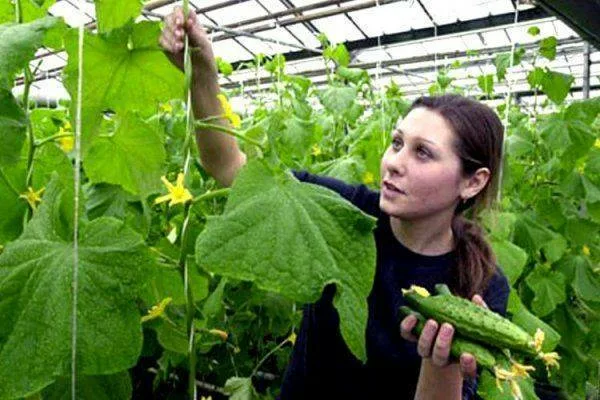
Druzhnaya Semeyka cucumbers are carefully trimmed with pruning shears or a knife, leaving the stems on the plant (literally 1-2 cm). Harvested vegetables should be stored in a cool place or covered with a cloth from direct sunlight.
Positive and negative qualities
This hybrid is ideal for both novice gardeners and experienced agronomists. It can be successfully grown in both small garden plots and large agricultural fields.
But there are other advantages of the hybrid variety:
The disadvantages of the Druzhnaya Semeyka variety include:
Reviews
Confusion has arisen among specialist seed stores regarding the characteristics of the Druzhnaya Semeyka F1 cucumber. Seed packages contain conflicting information, including varying ripening times, pollination methods, and other information. Therefore, to obtain vegetables with the characteristics stated by the originator, purchase seed from Sedek.