
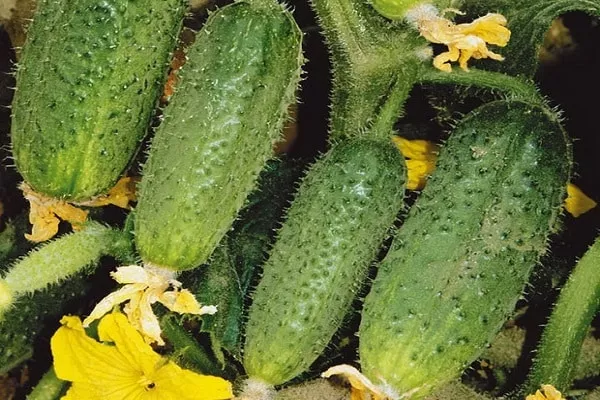
Dragoon is the name of an early-ripening cucumber hybrid characterized by clustered fruiting, excellent yields, and resistance to viral diseases. Domestic gardeners successfully cultivate it in open garden beds and greenhouses. It is also of interest to farmers producing vegetables for commercial use on an industrial scale.
Introduction to the variety
This vegetable variety is only partially pathenocarpic. It is not completely self-pollinating. While parthenocarpic hybrids, which produce exclusively female flowers, do not require pollinating insects to bear fruit, Dragun requires one.
- ✓ Ensure the presence of bees or bumblebees within a 500 meter radius of the plantings.
- ✓ Avoid using insecticides during the flowering period.
It produces good yields only when pollinated by bees. If you plan to grow the hybrid indoors, ensure these beneficial insects have unimpeded access to the cucumber plants. Otherwise, you'll harvest few fruits.
Originators
Dragun F1 was added to the Russian State Register in 2007. Its authorship belongs to breeders working in the following institutions:
- Federal Scientific Center for Vegetable Growing;
- agrofirm "Poisk".
This hybrid cucumber variety is suitable for private and commercial cultivation in the Central and Central Black Earth regions. It is suitable for both open and protected soil (greenhouses, unheated plastic greenhouses).
Characteristics of the appearance of the plant and cucumbers
The hybrid bushes are medium-vine and weakly branched. They are distinguished by a limited ability to form shoots. Their height is up to 1.5 m. They form fruit ovaries in clusters, starting from the first node. Fruit ovaries are also present on lateral shoots. A cluster consists of several gherkins, ripening simultaneously.
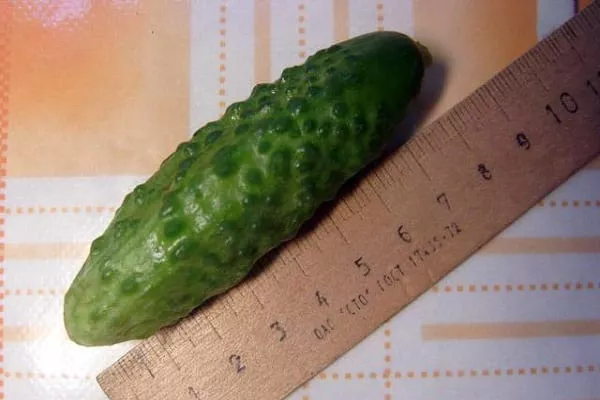
The Dragun harvest is distinguished by its marketable appearance and excellent consumer qualities. The fruits are of the gherkin type. They possess the following characteristics:
- cylindrical shape;
- length indicator - 9-11 cm;
- weight - 70-95 g;
- dark green, finely tuberculate skin with white spiny pubescence;
- dense, homogeneous pulp, crispy, juicy and aromatic.
Taste and purpose
The hybrid fruit lacks bitterness. It's slightly sweet, with a pleasant, refreshing aftertaste, accented by a classic cucumber aroma.
Thanks to their excellent taste, Draguna cucumbers are not only eaten fresh, but also used in cooking:
- for preparing summer vegetable salads;
- added to okroshka;
- used as an ingredient in sauces and marinades.
Gherkins are ideal for canning, pickling, and fermenting. Their compact size makes them easy to store in jars. Their neat shape and uniform size make them a beautiful addition to canned goods for the winter.
Ripening time and yield
Dragun is a member of the early-ripening cucumber hybrid and variety category. It takes 43-45 days for the fruit to ripen after the shoots emerge en masse. Gardeners begin harvesting the first gherkins on July 20th. Harvesting takes place in the last ten days of July and the first half of August.
Advantages and disadvantages
How to grow it yourself?
Hybrid cucumbers can be grown both in open garden plots and under plastic covers. The timing of sowing seeds depends on which of the two growing methods you choose:
- March-April - if you prefer the seedling method (sow seeds in early spring, and transplant the seedlings into the garden at the end of May or in June);
- from the second half of May to June 5 - if you plan to sow seeds directly into open ground.
Growing seedlings
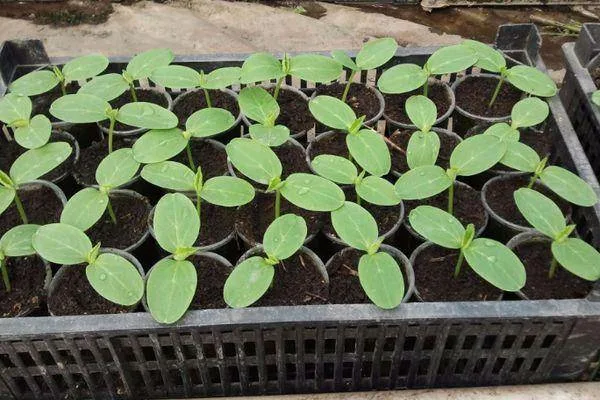
Sow seeds to produce seedlings in early spring. Place 1-2 seeds in each planting cup or peat pot. Bury them in the soil mixture to a depth of 1 cm.
Keep the seedlings indoors at a temperature of 25°C. When sprouts appear, leave one plant per pot. Reduce the room temperature to 15-18°C. Provide good lighting and water. Before transplanting to the garden, begin hardening off the plants by moving them outdoors.
Transfer the seedlings to the garden bed if the following conditions are met:
- the threat of frost returning has completely passed;
- The garden soil warmed up to +15°.
Planting seeds in the ground
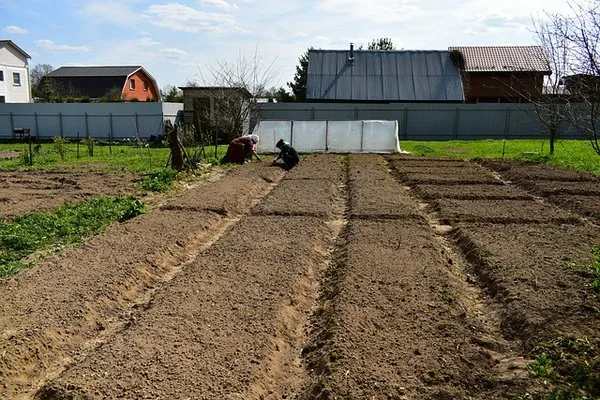
Prepare a sunny, draft-free area in your garden for your cucumber bed. The soil should meet the following requirements:
- be loose, deeply dug in the fall;
- fertile, fertilized with organic and mineral compounds;
- drained;
- moderately moistened;
- loamy or sandy loam;
- neutral in acidity (acidic soil will need to be limed).
Sow seeds in soil warmed to 15-18°C. Observe the seeding rate—15-20 g per 1 square meter of bed. Cover the crops with plastic film.
Caring for the crop
Maintain your cucumber garden wisely. Proper agricultural practices will allow you to achieve the following results:
- grow strong bushes;
- collect a bountiful harvest of juicy, tasty and beautiful fruits;
- avoid vegetable crop diseases;
- protect plantings from pest infestation.
Loosening and hilling
To ensure the Dragoon hybrid planting receives the necessary oxygen, loosen the soil under the bushes. This will improve oxygen access to the roots and help maintain normal soil moisture. If you notice standing water on the soil surface, do not neglect loosening.
Carry out this procedure after planting the seedlings in the garden bed. This is necessary after watering and rain. Frequency: at least once every 7 days. Loosen the soil carefully, no more than 4 cm deep. Avoid damaging the root system.
Fertilizer
Vegetable crops require 4-5 fertilizing applications per season to ensure maximum yield. Follow these guidelines:
- alternate the application of organic and mineral compounds;
- Use organic substances (a solution of mullein or bird droppings) to water the cucumbers at the roots once every 10 days;
- from mineral complexes, use superphosphate and potassium sulfate to feed cucumbers;
- the crop responds well to foliar feeding, especially during the fruiting period (spraying the leaves with nutrient liquids has a positive effect on the taste of the fruit and the duration of the harvest);
- If deficiency conditions occur in cucumber plantings, use fertilizers containing the missing element.
Other events
Planting the Dragoon hybrid cucumber also requires other mandatory care procedures:
- Watering and sprayingWhen growing in a greenhouse, moisten the soil at least twice every 7 days. Misting is also recommended. Do this daily during hot weather, preferably in the evening. In cool weather, mist the planting with lukewarm water once a day.
Once the first flowers appear on the plants, minimize watering to encourage the formation of more female buds. After hilling the bushes, water along the furrows. This minimizes the risk of rot. - FormationsDon't train cucumber bushes in open ground. In greenhouses, grow them on a trellis. For an earlier harvest, pinch out the lower shoots at 5 internodes per fruit and leaf. Then pinch out the side shoots to a height of 1-1.2 m.
Diseases and pests
Resistance to viral infections is an undeniable advantage of the Dragoon hybrid. Thanks to successful breeding, these bushes are resistant to many dangerous crop diseases:
- olive spot;
- cucumber mosaic virus.
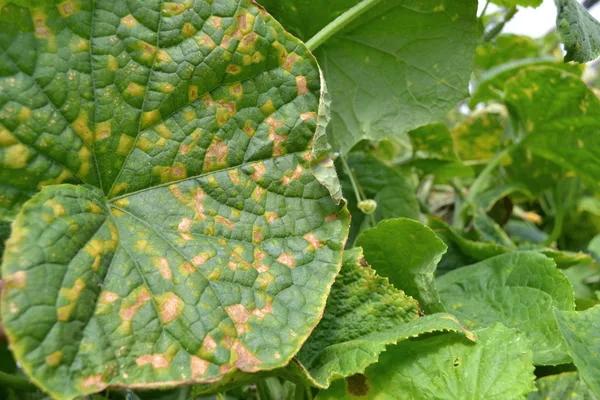
- ✓ Ascochytosis appears as grey spots with black dots on the leaves.
- ✓ Anthracnose is characterized by brown, sunken spots on fruits and leaves.
They exhibit moderate susceptibility to ascochyta blight, anthracnose, bacterial wilt, and powdery mildew. If improper cultivation practices are not followed, they become susceptible to diseases and pest attacks (aphids, spider mites, and others).
If your plantings become diseased or infested with pests, treat them with commercially available products (fungicides, insecticides) or folk remedies. Spray the bushes with chemicals before flowering. Do not use them during fruiting. Choose safe biological products:
- Baktofit;
- Sporobacterin;
- Fitosporin-M;
- Bitoxybacillin;
- Fitoverm.
Don't neglect problem prevention:
- Inspect your plants regularly;
- weed out the weeds;
- remove plant debris from the area;
- ventilate greenhouses;
- water and fertilize your cucumber plantings correctly;
- do not neglect loosening the soil under the bushes;
- use folk remedies against pests: tobacco dust, onion peel decoction, garlic infusion;
- Plant pest-repellent plants near your vegetable garden: marigolds, lavender.
Reviews from gardeners
Dragoon is a striking example of an early-ripening gherkin cucumber hybrid. It is suitable for growing in garden soil and plastic greenhouses. With proper care and open access to pollinating insects, it produces a bountiful harvest with a distinctive marketable appearance. The fruits delight the consumer with an excellent taste without bitterness.