
The Domashnee Chudo cucumber is a selective hybrid with high productivity and excellent flavor. This variety is self-pollinating and suitable for growing in a variety of conditions: outdoors, in plastic greenhouses, on balconies, and on windowsills (read more about self-pollinating varieties). Here).
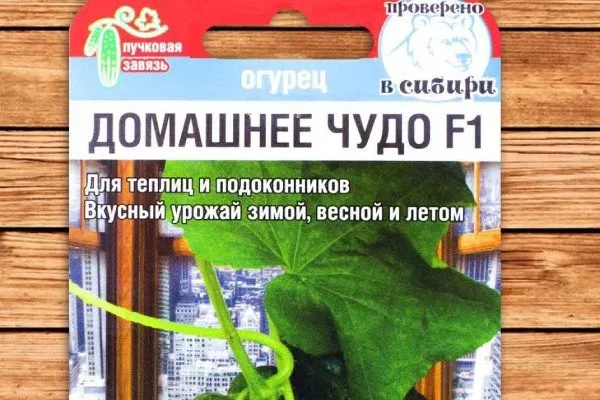
Introduction to the variety
The Domashnee Chudo cucumber yields an average of 11-12 kg per square meter, making it an ideal choice for those looking to maximize harvests in a limited space.
It takes only 40-45 days from the emergence of sprouts to the beginning of fruiting (with the first pickles ready to harvest within a month). This makes this hybrid one of the earliest ripening cucumbers, allowing you to enjoy the fruits just a few weeks after planting.
Authorship
This hybrid was developed by experts from the Novosibirsk-based agrofirm "Sibirsky Sad." The exact date of its creation is unknown, but the seeds were first presented in the company's catalog in 2018. This variety has not yet been registered in the State Register of Breeding Achievements.
Characteristic features of the appearance of the plant and fruits
The Home Miracle f1 cucumber is a plant with moderately climbing shoots, reaching a height of up to 150 cm. It is distinguished by its compactness and flexibility.
Main characteristics:
- The plants produce predominantly female buds of bright yellow color.
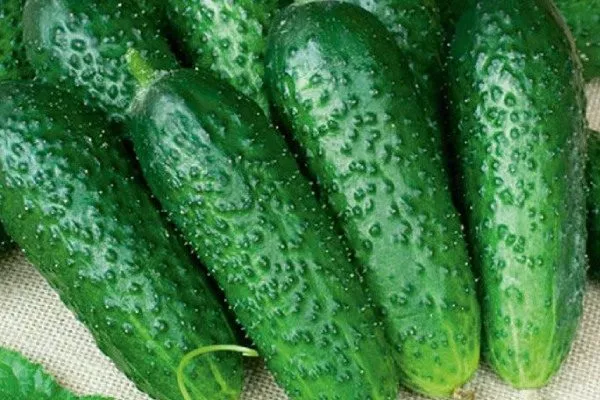
- Cucumbers are formed small, up to 10 cm in length (+/- 2 cm), with a smooth cylindrical shape.
- The skin of the fruit is deep green, moderately bumpy and slightly hairy.
- The pulp is dense, crisp and juicy, without any voids or bitterness.
Application and taste
Cucumbers are ideal for eating fresh in salads, pickling, and canning. The fruits are renowned for their superb flavor: crisp, juicy, slightly sweet, and possessing a rich, refreshing aroma.
Landing features
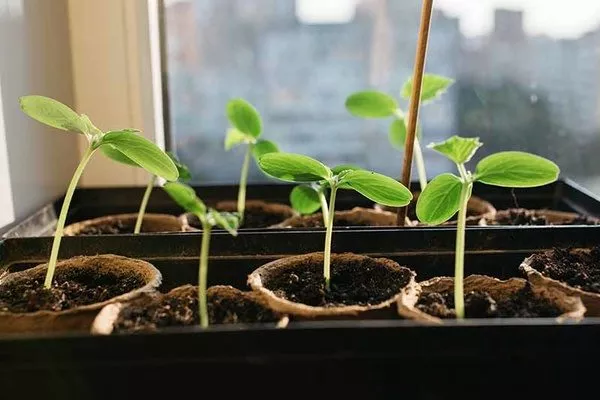
- ✓ The optimal soil temperature for seed germination should not be below +15°C.
- ✓ To prevent diseases, it is necessary to ensure good air circulation around the plants.
For successful development of cucumbers, it is preferable to use Home Miracle seedling method. Sowing of seeds should be carried out from April 20.
Site preparation
This home-grown miracle grows best in nutrient-rich soil with a neutral pH and good drainage. Ideal precursors for cucumbers are beds where tomatoes or potatoes were previously grown (read about crop rotation rules). here).
It's recommended to begin preparing the soil for the Domashnee Chudo variety in the fall. To do this, dig the soil to a depth of 10-20 cm and enrich it with organic manure or chicken manure. In the spring, loosen the soil to a depth of about 5-7 cm to speed up the warming of the beds and prepare them for planting the seedlings.
Germination of seeds
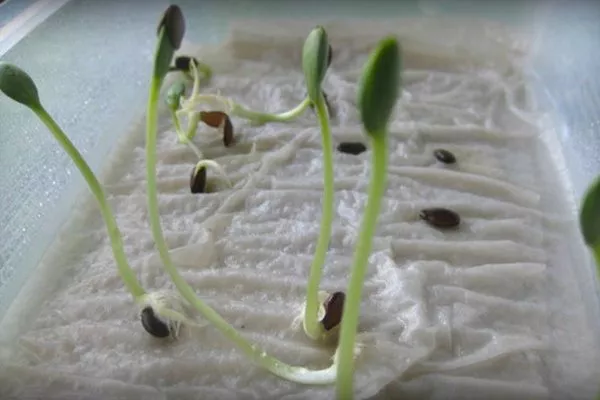
Before sowing seeds in peat pots, it's recommended to pre-germinate them. To do this, dampen cheesecloth with warm water, place the seeds on it, and wrap it carefully. Then place this "bag" in a warm place, remembering to moisten it occasionally.
Recommendations:
- When the seeds begin to germinate, they can be planted in small containers at a depth of about 1.5-2 cm.
- It is recommended to place two seeds in each hole in case one of them does not sprout.
- After sowing, moisten the soil with warm water.
- Place the seedlings in a warm room for 27-30 days, maintaining a temperature of about +26 degrees.
- When the plants begin to grow actively, the temperature can be reduced to +18-20 degrees.
Transplanting seedlings
A month after the sprouts emerge, the cucumbers are transplanted to their permanent location. The planting pattern is 70-75 x 30-35 cm, with a depth of 6-8 cm.

Algorithm:
- Place a layer of manure mixed with soil at the bottom of each hole.
- Install young plants.
- Cover with soil up to the level of the lower leaves.
- After this, water the beds with warm, settled water.
- Cover with thick film material for better rooting and protection from the cold.
Care
The Domashnee Chudo F1 hybrid is easy to grow, but still requires adherence to basic agronomic practices. To prevent diseases and pests, gardeners recommend following established irrigation, soil loosening, and fertilization guidelines.
Watering
It's recommended to moisten the soil under cucumbers every 2-3 days using warm water that has been left to stand in the sun for two days. It's important to direct the water directly to the roots, avoiding contact with the leaves.
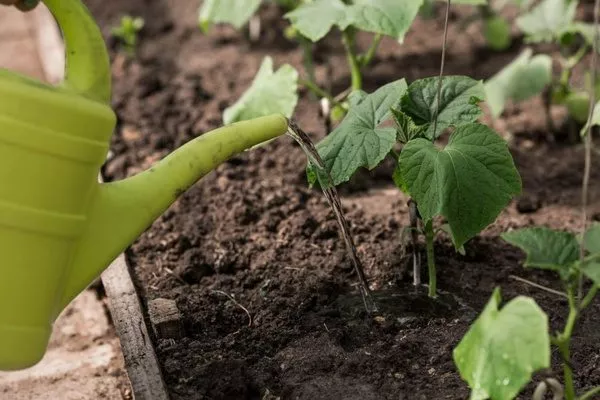
Every ten days after the procedure, loosen the soil. Use a pitchfork to do this, inserting it to a depth of up to 3 cm. This loosening method helps break up the compacted topsoil in the beds.
Top dressing
Regular fertilization of the "Home Miracle" cucumber rows is recommended every three weeks. Apply both mineral and organic fertilizers, alternating between the two.
Pest and disease control
The Domashnee Chudo f1 hybrid has good resistance to various diseases. However, failure to follow planting and cultivation guidelines can lead to the following problems:
- Peronosporosis, Known as downy mildew, it is a dangerous infection that can destroy shrubs and lead to their death. The first symptoms of the disease appear as angular spots on the leaves, as well as a whitish coating on the underside of the leaf.
Leaves begin to deform and stems crack, making it impossible for the plant to survive. If downy mildew is detected, spray the plants with the following chemicals:- Profit;
- Kurzat;
- Ridomil Gold.
- Bacteriosis – This is a disease caused by a specific type of bacteria that affects the above-ground parts of cucumber plants. The infection results in slow fruit growth, impaired photosynthesis in the leaves, and a reduction in the number of fruits produced.
The variety is susceptible to this disease regardless of cultivation method. The plant's leaves become covered with brown spots, which become shiny when overwatered. A yellowish slime appears on the underside of the leaves, and small ulcers filled with a cloudy liquid form on the cucumbers themselves.
If bacteriosis is detected on cucumbers, it is recommended to treat the plants with the following agents:- Champion;
- Cuproxate;
- Hom;
- Previkur.
Harvesting and storage
The fruits should be harvested when they are fully ripe, preferably every 2-3 days. This approach ensures that ripe cucumbers do not interfere with the formation of new gherkins.
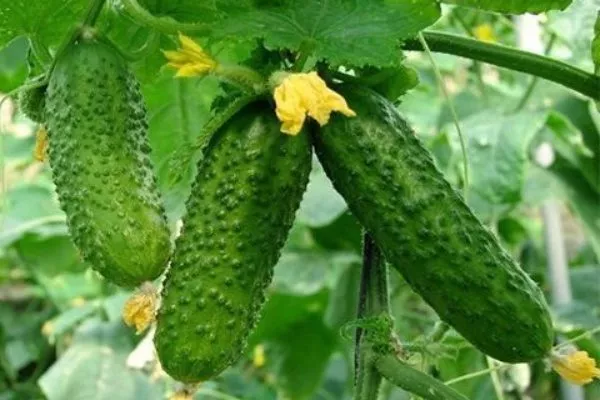
For storing vegetables of this variety, basements with a temperature of up to 5 degrees are ideal, which is most suitable for preserving the freshness of vegetables.
Positive and negative qualities
The manufacturer highlights several key advantages of the Domashnee Chudo F1 cucumber variety:
- ✓ The variety has high resistance to temperature changes.
- ✓ Fruits are not prone to bitterness accumulation even with insufficient watering.
Noted disadvantages of the variety:
Reviews
Domestic Miracle is a hybrid cucumber variety known for its fruitfulness and excellent flavor. It's suitable for both fresh eating and canning. Its early maturity allows you to enjoy the harvest as early as early summer, but it's important to adhere to basic agronomic principles.