
The Conductor cucumber variety is prized for its early and consistent fruiting, ease of care, and high resistance to major diseases. This hybrid is versatile—suitable for fresh salads, pickling, and marinades. Thanks to its excellent shelf life and transportability, these cucumbers are popular with gardeners across the country.
History of selection
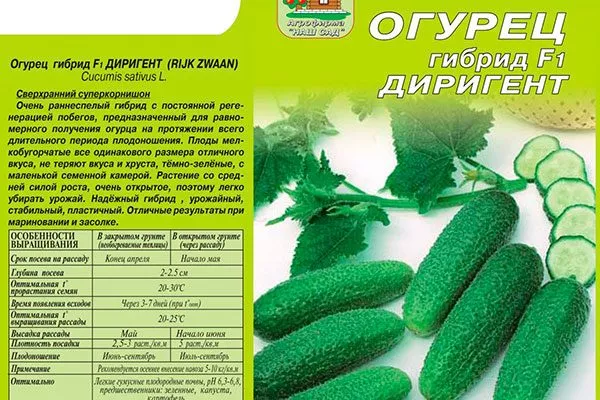
Rijk Zwaan Welver GmbH, a German seed company, introduced the "Dirigent" hybrid, which boasts numerous positive qualities. An application for registration was submitted in 2006, and in 2011, it was included in the State Register of Breeding Achievements of Russia.
After testing, the crop was zoned for the Central Region, covering the following areas:
- Bryansk;
- Vladimirskaya;
- Kaluga;
- Ivanovskaya;
- Ryazan;
- Moscow;
- Smolensk;
- Tula.
It is recommended for growing in open ground, but in areas with cool climates, plants feel better in greenhouse conditions.
Description of the cucumber variety Conductor
The crop boasts excellent productivity and strong immunity. Before planting, it's important to carefully study the hybrid's characteristics.
Bushes
It's indeterminate and maintains active growth throughout the season. Key qualities:
- shoots – are characterized by medium branching, which simplifies the formation of the plant;
- leaves - small or fine, rough to the touch, slightly curling, lobed in shape, and the color varies from green to dark green;
- flowers – white-yellow, small, predominantly female type.
Fruit
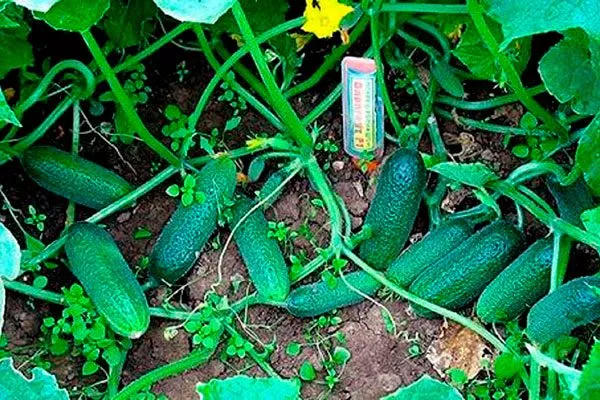
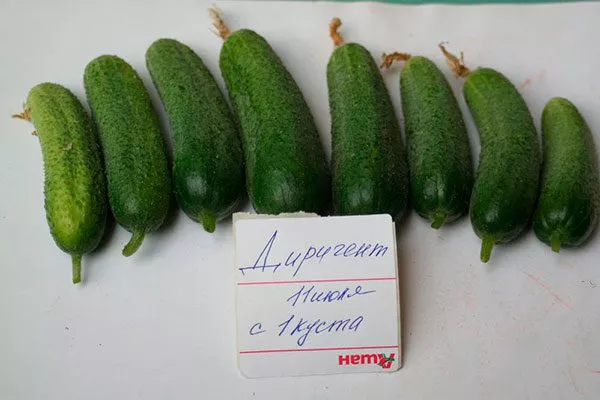
The cucumbers are small, reaching up to 15 cm in length and weighing approximately 80 g. Their size remains stable throughout all stages of ripening and they are not prone to becoming overgrown. Typically, 2-3 ovaries form per node.
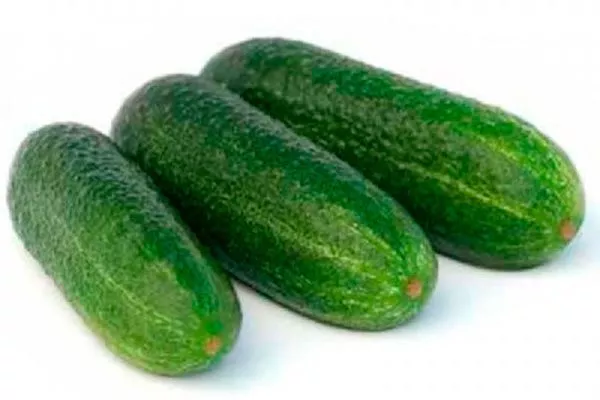
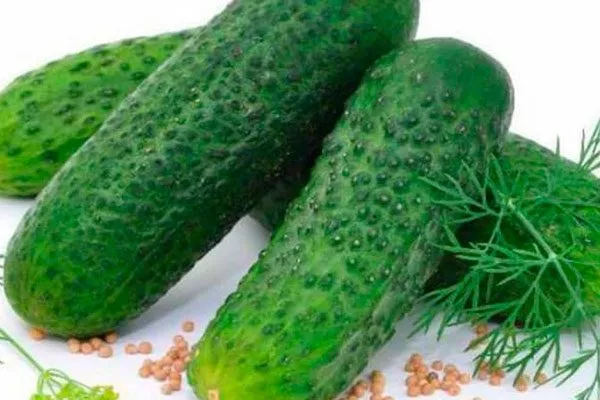
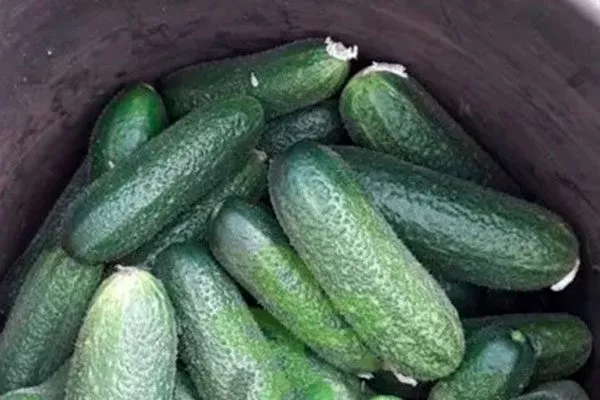
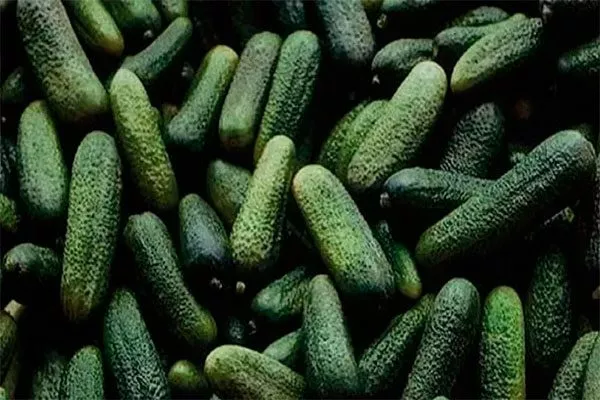
Cucumber skin is thin, dark green, and covered with distinct bumps. Short yellowish stripes run across the surface, giving it a distinctive appearance.
Composition, benefits, calorie content
The fruits are rich in nutrients and surpass many other vegetables in their nutritional content. They contain important vitamins—A, B1, B2, B9 (folic acid), and C—which promote normal bodily function.
In addition to vitamins, cucumbers contain valuable microelements:
- iron;
- phosphorus;
- potassium;
- zinc;
- iodine;
- silver.
The peel contains a lot of fiber, which improves digestion and stimulates intestinal peristalsis. Due to its low calorie content—only 14-15 kcal per 100 g—cucumbers are widely used in dietary nutrition.
Taste qualities of cucumbers
Dirigent's cucumbers are distinguished by their excellent taste. Their flesh is tender, juicy, and crisp, with a pleasant, characteristic cucumber aroma. They are completely free of bitterness, making them especially appealing for fresh consumption.
The fruit's seed chamber is small, the seeds are small and soft, and are at the milky stage of ripeness, so they do not interfere with eating and do not spoil the texture.
Characteristics of the variety
The Dirigent cucumber is a mid-early variety: from germination to harvest, it takes approximately 40-42 days. Fruiting is stable and uniform throughout the season, with no significant declines.
Features of the culture:
- This variety boasts high marketable yields – from 476 to 692 centners per hectare. Average yield per bush is up to 3 kg, or approximately 10 kg per square meter, depending on growing conditions.
- The hybrid demonstrates reliability thanks to its strong immunity. According to the State Register, it is resistant to olive spot and cucumber mosaic virus.
- It is a parthenocarpic plant, capable of forming ovaries without pollination, so it bears fruit successfully in a greenhouse and in open beds, even in unstable weather conditions.
- The conductor is characterized by high plasticity and adapts well to environmental conditions within the recommended region.
- The fruits are not prone to overgrowing, retain their shape and marketable appearance, have excellent transport qualities and do not spoil for a long time when stored properly.
Optimal growing conditions
The crop is grown both by direct sowing of seeds and by seedlings. To speed up harvesting in a greenhouse or in beds under plastic, the seedling method is preferred.
Key recommendations:
- Plant seedlings in the greenhouse in May.
- For successful rooting in the beds, the soil temperature should be at least 18°C. Water 2-3 times a week, always at the roots.
- To increase yields, fertilize the crop with organic or mineral fertilizers up to five times per season. Weed the beds weekly, moisten, loosen, or mulch the soil.
- If pests appear, spray the plants with both chemicals and proven folk remedies.
Planting cucumbers Conductor F1
This hybrid is recommended for cultivation in the central and southern regions of Russia, where it can be safely planted outdoors as early as May. In cooler northern regions, it is successfully grown in greenhouses or heated hotbeds. It thrives and produces fruit in virtually any climate.
Sowing dates
Transplant seedlings into open ground in late May or early June. For greenhouse conditions, transplanting seedlings is recommended about a week earlier, in the second half of May.
Date of sowing planting material:
- Seedless method. Plant the seeds in open ground in late April or early May, waiting until the weather warms up steadily and there are no more frosts.
- Seedling method. Sowing seeds for seedlings should be done at the end of April for the Central Belt and at the beginning of May for other regions.
Selecting a location and preparing beds
Conductor cucumbers grow best in fertile, light soils such as loam or sandy loam. The site should be as sunny as possible, as even slight shade, such as from shrubs, is undesirable. Choose beds protected from strong winds, especially in steppe regions.
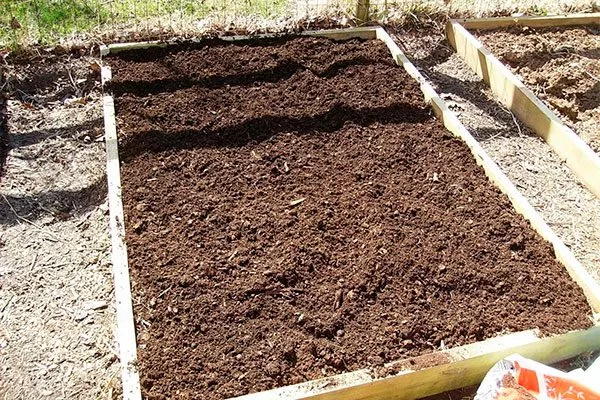
Start preparing the site early—either in early fall or spring. Helpful tips:
- Dig the soil to the depth of a spade and add organic fertilizers: humus, compost, rotted manure or sawdust - 2-3 kg per 1 sq. m (in poor soil - up to 5-7 kg).
- If the soil is heavy and clayey, add an additional 200-300 g of coarse white sand per 1 sq. m to improve the structure.
How to plant correctly?
If you choose the direct-seeding method, plant the seeds 2.5-3 cm deep, maintaining a distance of 6-12 cm between plants and about 50 cm between rows. Place 3 seeds in each hole.
Before planting, treat the planting material with growth stimulants for 3-4 hours, for example:
- Epin;
- Kornevin;
- Zircon;
- aloe juice diluted with water in equal proportions.
There's no need to fertilize the plants at planting if fertilizers were already added during soil preparation. Simply water the plants with warm, settled water and mulch the surface with peat, sawdust, or compost.
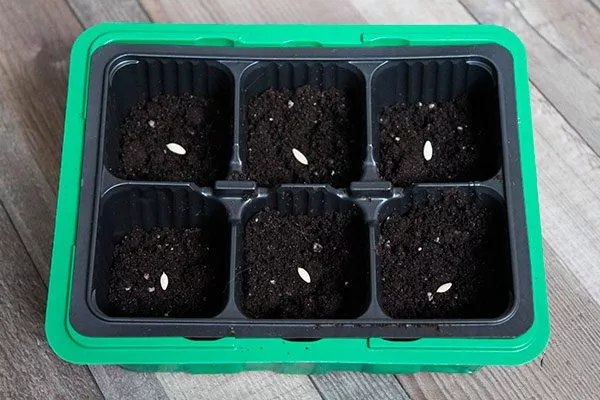
With the traditional seedling method, it's important to prepare the soil mixture in advance. You can use a ready-made universal soil or create your own, for example:
- turf soil with humus in a ratio of 1:1;
- it is with compost 1:1;
- turf with humus, peat and rotted sawdust in equal parts.
Disinfect the soil by soaking it in a 1% potassium permanganate solution or freezing it for several days. The seeds don't require any additional preparation, as they've already been pre-treated.
Next steps:
- Moisten the soil with a spray bottle.
- Cover with film or a lid.
- Place the containers in a warm location with a temperature of at least 25°C. Once the first leaf appears, reduce the temperature to 17-18°C and water regularly.
After 20-25 days, transplant the seedlings into the ground when the soil warms to 16-18°C. Bury the thermometer 10 cm deep and hold it there for 10-15 minutes. This is the best way to check the soil temperature.
The seedling placement scheme depends on the growing conditions:
- in open ground – 5 plants per 1 sq. m;
- in the greenhouse – no more than 3 bushes per 1 sq. m.
Conductor cucumbers don't transplant well, so it's recommended to use peat pots to minimize root damage. If replanting is unavoidable, thoroughly moisten the soil beforehand to ensure a firm root ball surrounds the roots.
Transplanting
You can purchase cucumber seedlings or grow them yourself at home. To do this, follow these steps:
- Plant the seeds in special containers filled with soil from the garden or prepared planting soil.
- Make shallow furrows in the soil, place the seeds and sprinkle with a thin layer of soil, then water.
- Cover the containers with plastic wrap and place them in a warm, well-lit area. Remove the covering after 3 days.
When the seedlings develop 2-3 true leaves, they can be transplanted into the ground. Conductor cucumbers root well and grow in a variety of soil types.
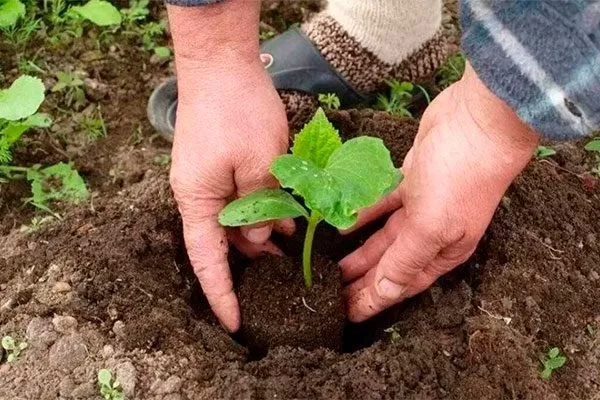
To plant, place the seedlings in holes filled one-third with humus or peat. Leave at least 30 cm between plants. Carefully dig and fertilize the soil before planting. After the seedlings have rooted, fill the holes with loose soil, moisten thoroughly, and mulch.
Direct landing
Thoroughly re-cultivate the area and fertilize it with organic matter: manure, peat, and humus. You can also add potassium and phosphorus fertilizer.
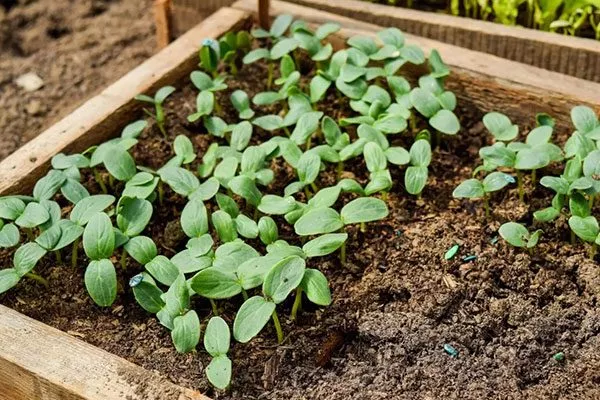
To sow, make long, narrow furrows and place the seeds, pointed end up, no deeper than 1 cm. Then, cover with soil, moisten, and mulch the soil to retain moisture and reduce weed growth.
Caring for cucumbers Conductor
Timely crop care is key to obtaining a bountiful and high-quality harvest. Regular agricultural practices promote healthy plant development and strengthen their immune system.
Watering
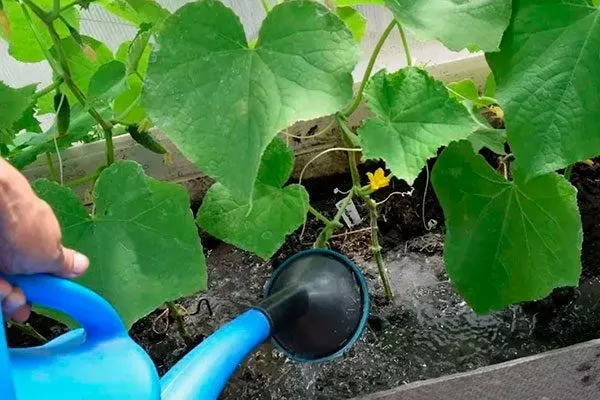
Bushes require proper watering—they don't tolerate either too little or too much water. Basic recommendations:
- Irrigate according to soil drying times and weather conditions. During rainy weather, additional watering is not required, making garden bed maintenance easier.
- Approximate rates: 6-8 liters of water per square meter before flowering, and 5-6 liters per mature plant during fruiting. Use warm, settled water.
- After watering, be sure to loosen the soil and remove weeds.
- Bushes respond well to mulching between rows with hay, straw, or compost. As the mulch decomposes, renew it and incorporate plant debris into the soil. Mulch helps retain moisture, inhibits weed growth, and prevents the formation of a dense soil crust.
Top dressing
Cucumbers are demanding when it comes to soil nutrition, so fertilize them with organic and mineral fertilizers, as well as using traditional remedies. During the early stages of growth, plants require nitrogen to actively develop green mass. To achieve this, water them with a solution of mullein diluted with bird droppings at a ratio of 1:20.
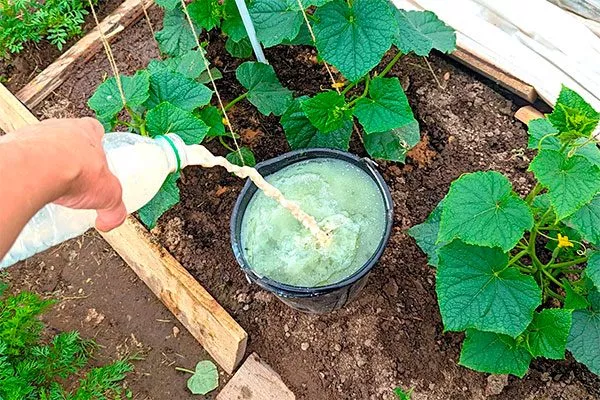
During flowering and fruiting, add potassium and phosphorus to the fertilizer. Ready-made complex fertilizers with essential macro- and microelements, such as Ideal, Agricola, and Kristalon, are well suited. They promote rapid fruit set.
Approximate fertilizer application schedule:
- the first time - 15-18 days after planting seedlings;
- second - at the flowering stage;
- further – every 10-14 days.
Popular folk remedies among gardeners:
- wood ash infusion;
- yeast solution (dry or live);
- boric acid mixture.
To prevent diseases, treat greenhouse cucumbers with biofungicides, as well as whey with iodine or a soap solution. To increase yield, spray with Zavyaz.
Formation
Structuring the bushes helps increase yields by directing the plant's energy toward fruit formation rather than the growth of side shoots. For the Conductor variety, train as follows:
- After planting the seedlings, allow about a week for rooting.
- Then tie the plants to the trellis.
- When the top reaches the wire, pinch it off, leaving no more than three leaves on the stem.
- Tie the trunk around a taut rope. There's no need to pinch the side shoots, as they're underdeveloped.
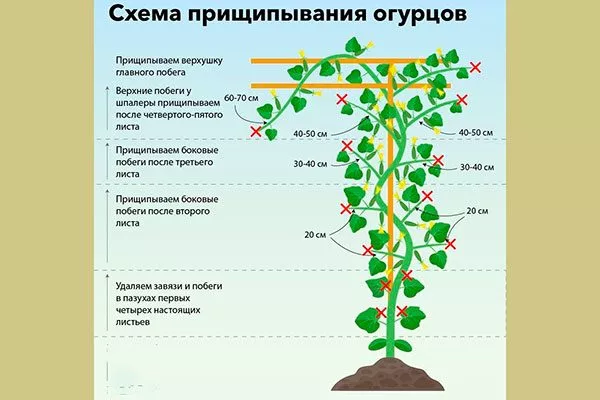
To create a trellis, use two metal or wooden supports placed at the edges of the bed. Stretch twine or wire between them at intervals of about 30 cm.
Harvesting and use of the crop
Because the seedlings are not densely packed and are well ventilated, harvesting is easy and convenient. Thanks to the constant fruit formation, cucumbers can be harvested for several weeks at a time.
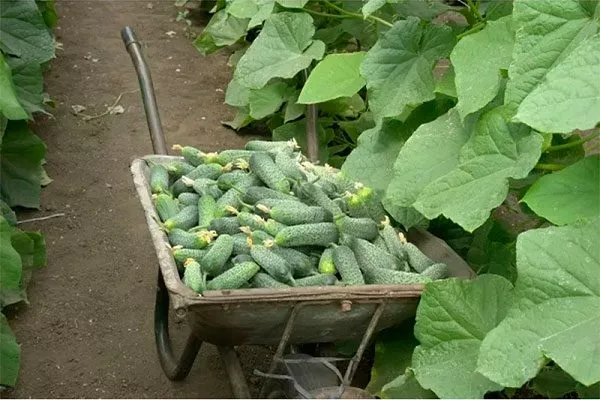
These vegetables are characterized by excellent flavor and a neat shape, making them a wonderful addition to any dish. They are ideal for pickling, marinating, and canning. The fruits retain their shelf life well for 2-3 weeks, making them suitable for successful sale at markets in various regions.
Diseases and pests
Dirigent cucumbers are highly resistant to major diseases and, with proper preventative measures, are virtually unaffected. This hybrid is well protected against common ailments, such as:
- Cladosporiosis;
- cucumber mosaic virus;
- powdery mildew;
- brown spot.
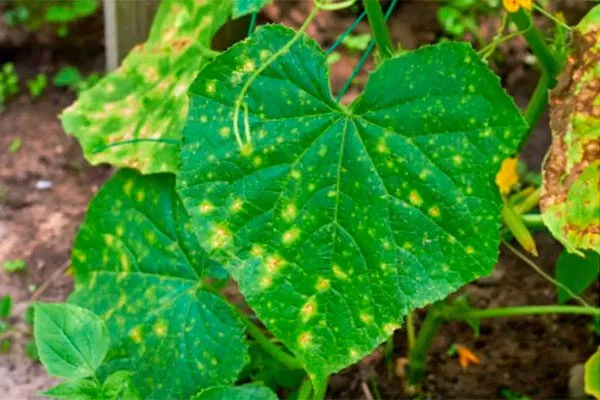
However, plants can be damaged by pests, including:
- melon aphid;
- slugs;
- spider mites;
- whiteflies;
- thrips;
- nematodes;
- ants, etc.
After transplanting into the ground, it is important to regularly inspect the bushes and, if necessary, treat them with folk remedies, for example, a solution of ash and soap, an infusion of tobacco ash, a decoction of chili pepper pods, garlic, mustard powder, or marigolds.
In case of severe infestation, use effective insecticides:
- Aktara;
- Fioverm;
- Biotlin;
- Decis;
- Agravertin;
- Match" and others.
Pros and cons
The main disadvantage is the impossibility of collecting seed material independently.
Reviews
The Conductor cucumber is the best solution for those seeking a bountiful harvest of delicious, crisp cucumbers with minimal effort. This hybrid adapts well to various climates, requires little care, and delivers consistent yields. Excellent taste and versatility are the variety's main advantages.