
Director F1 is the name of a high-yielding Dutch cucumber hybrid. Domestic gardeners appreciate its early maturity, marketable appearance, and excellent taste, as well as its low maintenance requirements and high productivity. It is designed for greenhouse cultivation, producing fruits ideal for canning and pickling.
Introduction to the variety
Director is a shining example of the vegetable hybrid category. These hybrids boast improved qualities over conventional varieties:
- early maturity;
- long-term fruiting of the bouquet type (one leaf axil produces several ovaries at once);
- increased immunity to the main cucumber diseases;
- endurance (plants are not afraid of drought and temperature changes, shading);
- obtaining fruits of the same size and shape;
- the absence of bitterness in their taste;
- the predominance of the generative type of crop development, which ensures the compactness of plants and their weak branching (they produce more flowers and fruits than leaves and shoots).
External and taste characteristics, purpose
Director plants are parthenocarpic (producing only female flowers and self-pollinating). They are characterized by vegetative-generative development, in which shoot and leaf growth does not significantly predominate over fruit ovary formation.
Externally, the bush resembles a robust vine with well-developed roots. It is distinguished by the following features:
- compactness;
- tall (the crop belongs to the indeterminate type, has no limit to the growth of the bush, requires pruning and tying to a trellis);
- medium-sized but strong lashes;
- short internodes;
- Foliage: small, dark green.
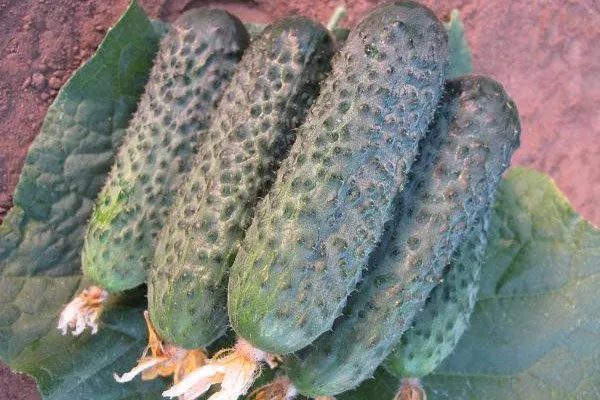
The fruits are uniform and attractive. They belong to the gherkin type and have the following characteristics:
- small size (length - 9-12 cm, diameter - 3 cm);
- weight - 65-80 g;
- regular cylindrical shape;
- uniform dark green color (without a light area at the tip of the fruit);
- coarsely tuberculate surface;
- thin skin;
- pulp: medium-dense, crispy, juicy and tender, without any voids or seeds.
The hybrid's fruits have excellent flavor. They have a pleasant sweetness with a refreshing note, enhanced by a vibrant cucumber aroma. There is absolutely no bitterness in the taste. It doesn't develop even when cucumber bushes are grown in unfavorable conditions (heat, drought).
The use of Director gherkins is universal:
- they are eaten fresh;
- added to salads;
- salt;
- marinate;
- canned for the winter.
Origin
This vegetable variety is a product of Dutch breeding. It was developed by Degreef Paul, an employee of Nunhems Zaden, by crossing the Hector and Meringue varieties. It is designed to produce two harvests per season in a plastic greenhouse.
Composition, benefits, calorie content
Gherkin cucumbers are considered a healthy and low-calorie food (12.2 kcal/100 g fresh, 20 kcal/100 g pickled). They are protein- and fat-free. Their carbohydrate content is 4.1 g/100 g.
The Director's harvest is rich in many substances that are useful for the eater;
- vitamins (A, group B1, H, E, C, PP, K);
- minerals such as calcium, potassium, magnesium, phosphorus, iodine, iron, manganese, cobalt, copper, fluorine, zinc, etc.
Eating these cucumbers fresh has healing effects:
- improved digestion;
- increased appetite;
- removal of toxins from the body;
- getting rid of edema;
- benefits for the heart and kidneys.
Productivity
This vegetable variety is considered high-yielding. Its characteristics are as follows:
- Summer residents collect from 18 kg to 20 kg per 1 sq. m when growing a hybrid in a greenhouse;
- from 12 kg to 14 kg per 1 sq. m - in an open garden bed;
- one plant produces up to 7 kg of cucumbers in closed ground conditions (with enhanced agricultural technology - up to 20 kg);
- up to 5 kg from 1 bush - in open ground conditions.
The harvest has excellent shelf life. It can be stored in a cool place for up to 7 days. It can be transported over long distances.
Ripening time
The Director hybrid is characterized by early maturity and a long fruiting period. Its harvest ripens in 45-50 days.
Resistance to diseases and pests
This vegetable variety, like most hybrids, is distinguished by its strong immunity. Its plants are virtually disease-free and unaffected by pests. They are highly resistant to infections such as:
- cucumber mosaic virus;
- powdery mildew;
- downy mildew;
- cucumber vascular yellowing virus.
Cucumber bushes of this variety are also resistant to heat and drought, shade-tolerant, and stress-resistant.
Features of cultivation
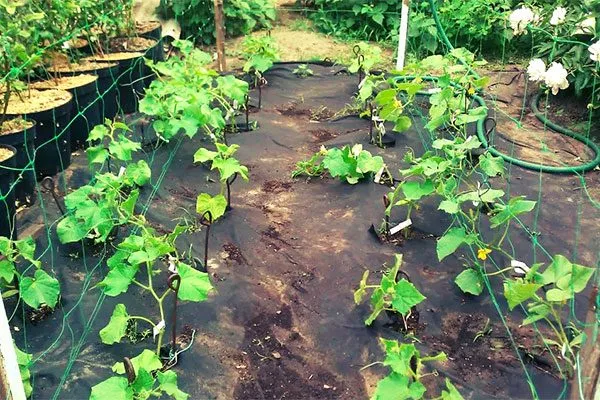
Grow the Director vegetable crop in an open garden bed or greenhouse. Indoors, multiple harvests per season are possible through early spring and summer sowing (two rotations). Cultivate the hybrid using seedlings or direct sowing. They have a high germination rate.
Sowing in the ground
Sow cucumber seeds in your garden in April or early May. Prepare an open, sunny area for planting in advance:
- in the fall, clear it of plant debris, dig it up deeply, fertilize it with compost (consumption - 3-7 kg per 1 sq. m) and ash;
- after the arrival of spring, water the soil with a hot solution of potassium permanganate and dig it up again;
- level the ground, form furrows (their depth is 4 cm).
- ✓ The optimal soil temperature for sowing seeds should be at least +15°C.
- ✓ To prevent diseases, it is necessary to ensure good air circulation around the plants.
Once the soil has warmed, begin sowing. Pre-soak the seeds for 12 hours in water with a growth stimulant added. Follow a planting pattern of 40x40 cm or 50x50 cm.
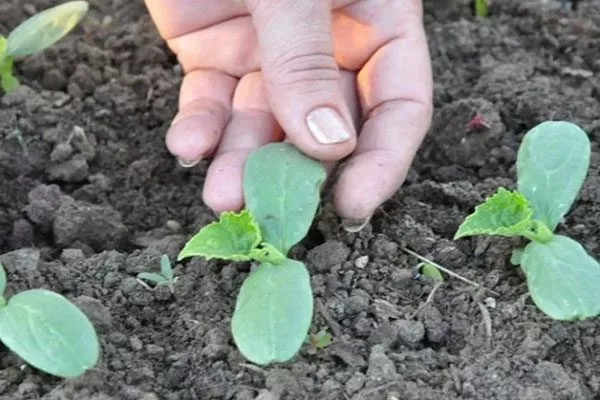
When sowing cucumber seeds, follow these guidelines:
- hybrid planting density is 3-3.5 plants per 1 sq. m;
- 30-50 thousand bushes per 1 hectare for industrial cultivation of the hybrid.
Sowing for seedlings
For an early harvest, consider growing vegetables from seedlings. Sow seeds in late March. Transplant the seedlings into the garden bed after the danger of frost has passed.
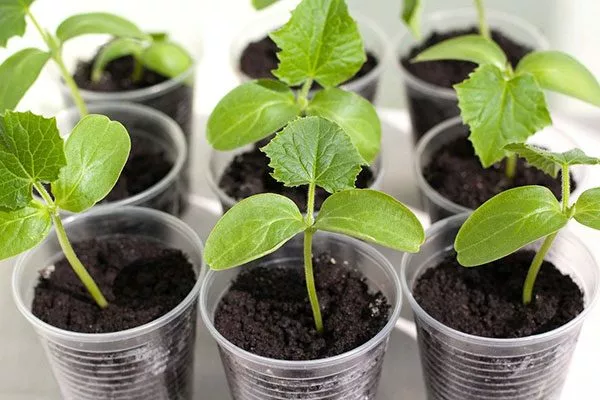
To grow seedlings, use containers filled with nutritious potting soil. Water it with a potassium permanganate solution. Then, make holes in the soil (2 cm deep). Place one seed in each hole.
Provide watering, fertilizing (watering once with a complex fertilizer like Humisol) and transplanting to the seedlings once they have developed two true leaves. Transplant them into the garden bed, following the following instructions:
- in a checkerboard pattern;
- the distance between bushes is 50-60 cm;
- row spacing - 80 cm.
Care activities
Follow basic vegetable care guidelines to maximize your harvest. Take the following steps:
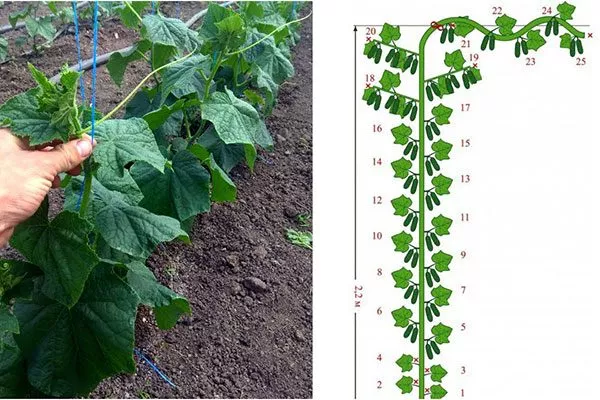
- Formation of bushesThere are several methods of shaping: one-stem, which requires removing all side shoots, and a tiered "inverted Christmas tree."
The second method involves removing all fruits, side shoots, and leaves in the first four nodes. In the next four axils, the side stems and all cucumbers on the cluster ovary except one are removed. In the next four nodes, only the side stems in each leaf axil are removed, leaving the main ovary and leaf.

- Watering and mulching the bedsWater the planting with warm, settled water. Do not allow the soil to dry out. Moisten deeply, but not excessively. Water twice every 7 days. Use 25-30 liters of water per square meter.
After the soil has been moistened, don't be lazy about mulching it. Mulch will prevent a soil crust from forming, help retain moisture in the deep soil layers, prevent overheating, and create beneficial microflora.
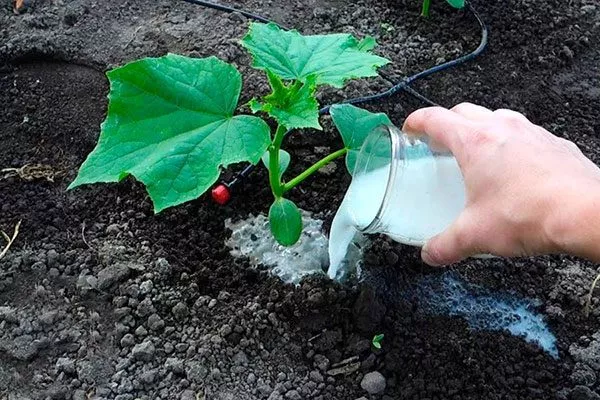
- Top dressingThis vegetable crop requires rich soil. Fertilize it once every 14 days with organic matter or a high-potassium mineral fertilizer.
Features of cultivation and possible difficulties
Cultivation of the Dutch hybrid has its own characteristics:
- the ability to plant its seeds and reap the harvest twice during the season;
- fixing the main stem and side shoots to a support or trellis when growing in a greenhouse;
- horizontal arrangement of plants in open ground (in a windy place);
- regular removal of side shoots (frequency - once every 7 days);
- pinching the main shoot at 8-9 leaves.
When growing cucumbers, many gardeners face difficulties:
- Curvature of fruitsIt appears due to damage to flowers by thrips, low night temperatures, waterlogged soil, or nutritional deficiencies.
- Cracking of fruitsComplications are caused by unfavorable environmental conditions, improper watering and fertilizing.
- Irregularly shaped cucumbersCauses of the problem: climate stress, drought, improper fertilization, micronutrient deficiency, diseases, pests.
- Lack of ovariesMany barren flowers appear on the bushes because the night temperatures were too high for a long period.
- Small flowersThe complication is provoked by a lack of lighting and temperature fluctuations over 2–4 days.
Diseases and pests
Despite the Director hybrid's resistance to many viral and fungal diseases, violating agricultural practices weakens its immunity. In such cases, the plantings are susceptible to infections:
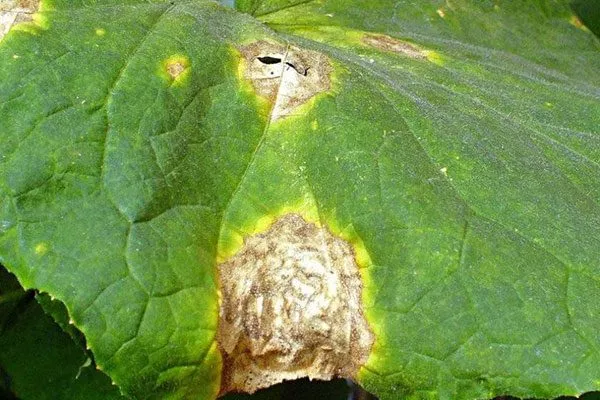
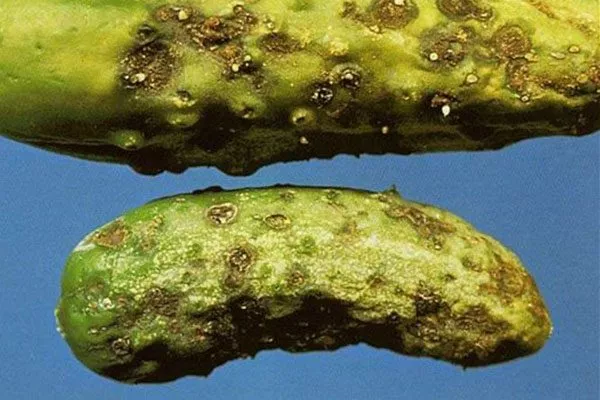
- CladosporiosisThe disease manifests itself as brown spots on the foliage, leaf dieback, and reduced fruit quality. To prevent this, ventilate the greenhouse and water with warm water.
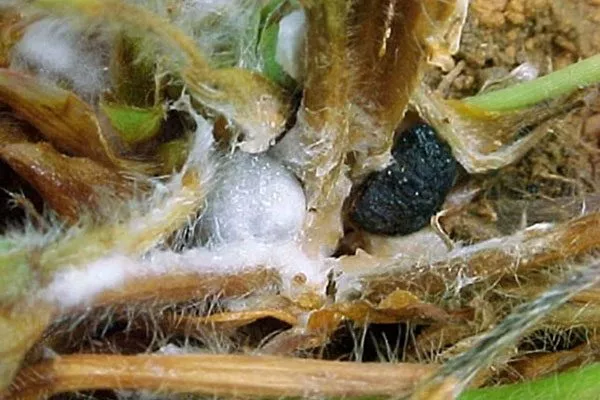
- SclerotiniaDisease is indicated by the appearance of waterlogged spots on the bush, wilting, and rotting of the fruit. Remove all affected parts of the plant. For treatment, apply a solution of copper sulfate (1 g) + urea (5 g) + water (5 l).
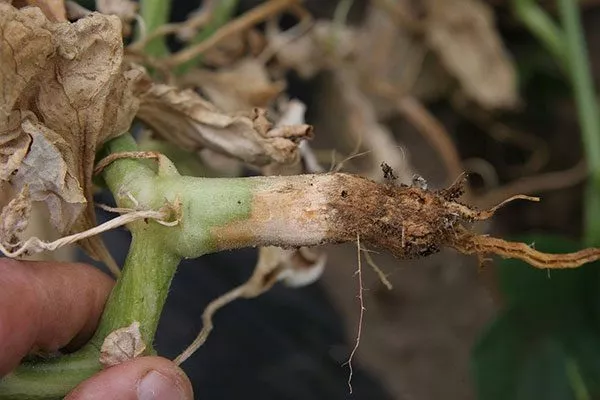
- Root rotIt develops when the soil is overwatered. Roots begin to die. To prevent this, mulch the soil under the bushes and use Fitosporin and Fundazol. If the infestation is severe, it is impossible to save the plants.
During the season, if necessary, carry out measures to combat the following cucumber pests:
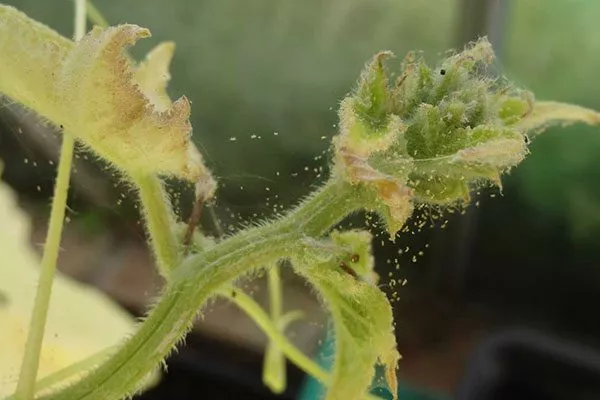
- Spider miteIf a parasite is detected, use Fitoverm or Antikleshch.
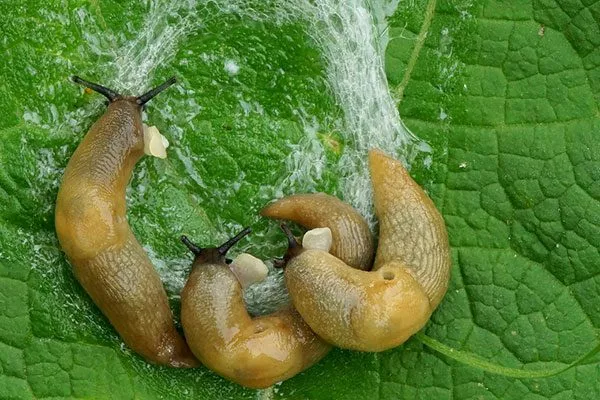
- SlugsTo prevent weeding, weed the garden bed and avoid planting too densely. Control pests with Groza and Predator.
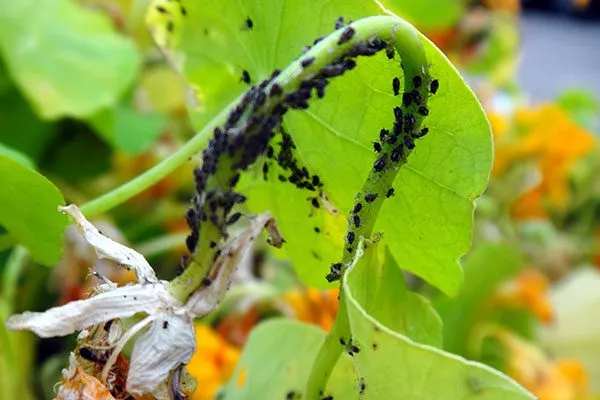
- AphidsTo protect cucumber crops from the pest, treat them with Biotlin and Actofit.
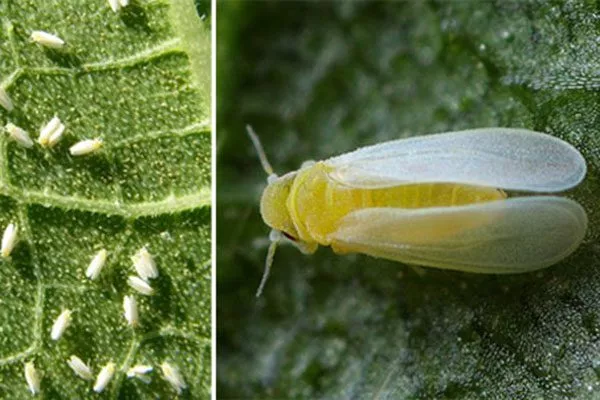
- WhiteflySticky traps, Fufanon, and Fitoverm will help you deal with the pest.
Harvesting and use of the crop
Harvest cucumbers from late June through September. Pick cucumbers by hand as they ripen. To ensure maximum productivity, harvest ripe cucumbers every other day.
The hybrid's harvest is versatile. It's suitable for both fresh market and processing. Gherkins are especially delicious preserved for winter. Canned, they're delicious and crispy.
Advantages and disadvantages
The Director hybrid made a good impression on domestic gardeners thanks to its numerous advantages:
Reviews
Director F1 is a popular Dutch hybrid that has surprised Russian gardeners with its low maintenance and high yield, as well as the ability to grow two crops per season. With minimal care, its plants produce abundant, beautiful, and delicious fruit.