
Rustic - An excellent solution for those who want a bountiful harvest of delicious and healthy cucumbers. This hybrid variety has become a favorite of many gardeners due to its ease of care, disease resistance, and high-quality fruit. It's important to follow simple cultivation practices to strengthen the plant's immunity and maximize yield.
Description of the variety
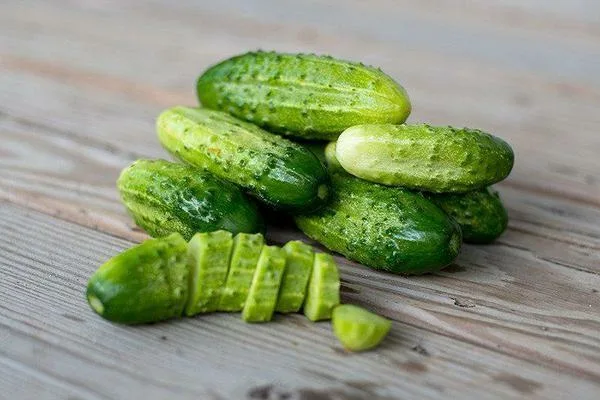
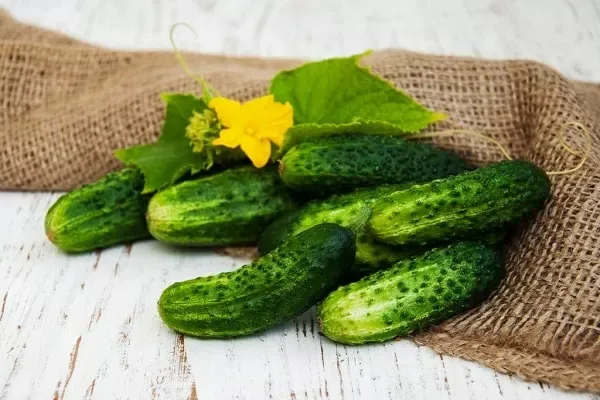
The bushes reach up to 1 m in height. The shoots are covered with large, heart-shaped, lightly pubescent leaves. They are dark green. The fruits are gherkin-length (9-12 cm) and cylindrical.
The peel is light green with a longitudinal light stripe and a white coating. The surface is finely bumpy and smooth.
Characteristics of the Village Cucumber
This is an ancient variety created through folk selection. It is classified as a bee-pollinated species, so insects are essential for pollination. It is grown both in open ground or under temporary plastic shelters in cool climates, as well as in plastic greenhouses.
This is an early-ripening variety. It takes approximately 40-43 days from germination to fruiting. Fruiting is long and uniform, allowing for harvesting every two to three days. The yield is high: approximately 14-15 kg of cucumbers are obtained per square meter.
Purpose and taste of fruits
The taste of these vegetables is excellent, without any bitterness. The flesh is crisp and aromatic. A great advantage of cucumbers is their versatility: they are perfect for fresh salads, pickling, and canning.
Ripening and climatic conditions
The village variety is suitable for growing in most regions of Russia, but grows especially well in the central part, the Moscow region, and in the south of the country, where the climate is warm and there is a sufficient number of sunny days.
Pros and cons of the variety
Before planting a crop in your garden, first examine its positive and negative qualities. The crop has many advantages:
The Village Cucumber has no significant drawbacks.
Growing seedlings
The hybrid is planted directly into the ground in warm regions, and through seedlings in colder areas or for an earlier harvest. Follow these recommendations:
- Choose a well-lit area protected from strong winds. In the fall or spring, dig the soil and apply fertilizer: 10 kg of manure or compost per square meter, 15 g each of potassium nitrate and superphosphate.
- Avoid growing cucumbers in areas previously occupied by cucumbers, pumpkins, squash, pattypan squash, watermelons, and melons. Plant after nightshades or cabbage.
- Place 5 seedlings per 1 square meter in open ground. Add wood ash to the holes, cover with a 1.5-2 cm layer of soil, and cover with plastic wrap.
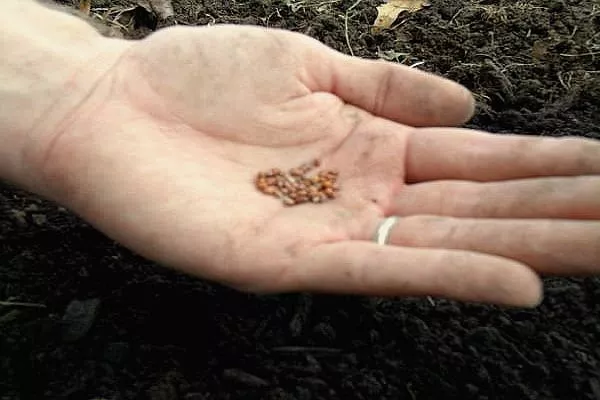
For seedlings, prepare nutritious soil and peat pots. Sow 1-2 seeds in each pot and place them in a warm place to germinate. After 25-30 days, transfer the seedlings to the garden bed.
Agricultural technology
Sow seeds both in the ground and for seedlings. Plant seedlings 20-30 days old. When growing in greenhouses, maintain a planting density of 2-3 plants per square meter.
Follow the recommendations:
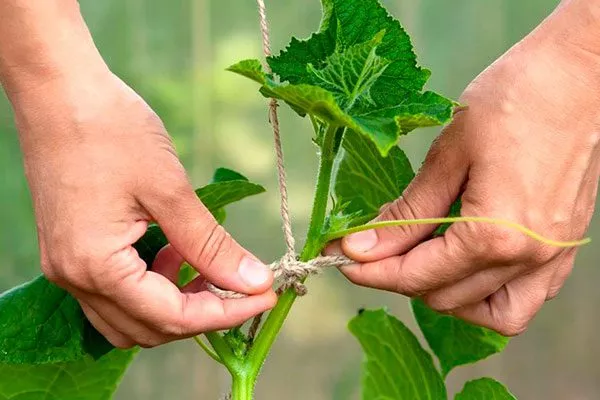
- In greenhouses, tie the stems to a trellis and form them into a single stem.
- Pinch off the side shoots above the 2-3 leaves.
- Provide regular watering, weeding, loosening and fertilizing.
Every 2-3 days, collect the fruits so that new greens ripen.
Care Features
Caring for your crops isn't difficult. It's important to follow simple agricultural practices to strengthen your plants' immunity and increase your harvest.
Illumination
The plant prefers well-lit areas but can also thrive in partial shade. In greenhouses, ensure sufficient light, avoiding deep shade. Insufficient light can lead to leggy plants and reduced yields.
Soil
Plants have high soil quality requirements. It must be fertile, moderately loose, moisture-retentive, and have a pH close to neutral.
- ✓ The soil acidity level should be within 6.0-7.0 pH.
- ✓ The soil should contain a high percentage of organic matter (at least 4%).
Temperature conditions
The rustic plant is a heat-loving crop. Temperatures below 15°C cause stunted growth and growth cessation. Therefore, it is often grown under plastic covers, especially during the first half of summer. These reliably protect the bushes from direct sunlight.
Plant formation
Regularly support the shoots as they grow. To do this, grow them on trellises, in barrels, or use taller neighboring plants, such as corn or sunflowers, planted in advance.
Fertilizers and dressings
Apply 2-3 fertilizer applications during the season, and 4 times for seedlings in a greenhouse. For best results, alternate between mineral and organic fertilizers.
Prepare organic fertilizers as solutions of bird droppings or cow manure at a concentration of 1:20 and apply them to the roots. Mineral compounds, such as potassium nitrate and superphosphate, should be diluted at a concentration of 15 g per 10 liters of water and used for watering and foliar spraying.
Diseases and pests
The Village cucumber has good resistance to major diseases, and proper care is sufficient to prevent most problems. However, the bushes can be attacked by pests:
- Spider mite. The leaves become covered in a fine web. To control it, remove damaged parts and treat the shoots and foliage with insecticides.
- Melon aphid. This pest causes leaves to dry out and curl. To prevent this, remove weeds and treat plants with a soapy solution.
- Greenhouse whitefly. Preventative measures are the same as for aphids. In the greenhouse, cover windows and doors with mesh and plant crops with a strong odor nearby.
Inspect your plantings regularly to begin treatment in a timely manner and protect the seedlings from dying.
Reviews of the variety
The Derevensky cucumber is a time-tested variety that delivers excellent results with minimal effort. Its excellent flavor, versatility, and excellent productivity make it ideal not only for experienced gardeners but also for beginners. The key to a bountiful harvest is proper and timely care.