
Dasha cucumbers are the ideal choice for those seeking a stable and abundant harvest with excellent flavor. Thanks to their disease resistance, good productivity, and ease of care, this variety is the best choice for both novice and experienced gardeners. Regular care and a little attention are essential.
Introduction to the variety
Gardeners choose Dasha for its long-lasting fruiting and resistance to various weather conditions. This makes it ideal for growing in northern and temperate climates.
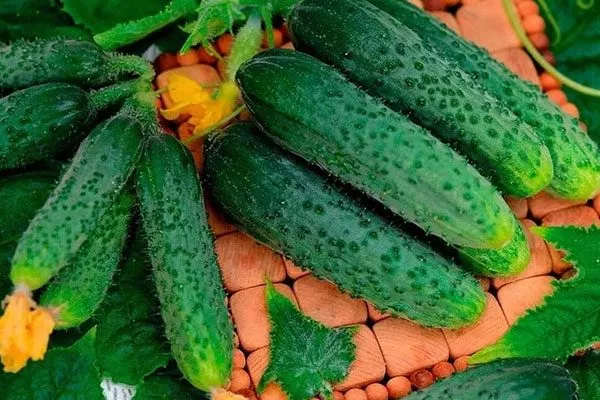
Originators
This bee-pollinated hybrid is grown not only outdoors but also in greenhouses. It was approved for use in 2008, and Russian breeders O. V. Baklanova, S. V. Maksimov, and N. N. Klimenko worked on its creation.
- ✓ Predominantly female flowering type, which increases yield.
- ✓ Resistance to temperature fluctuations, which makes the variety ideal for regions with unstable climates.
Characteristic features of the appearance of the plant and fruits
Medium-sized, indeterminate bushes grow to 1.8-2.2 m in height. They are characterized by moderate branching. The stems are covered with medium-sized, dark green leaves. The plant produces predominantly female flowers.
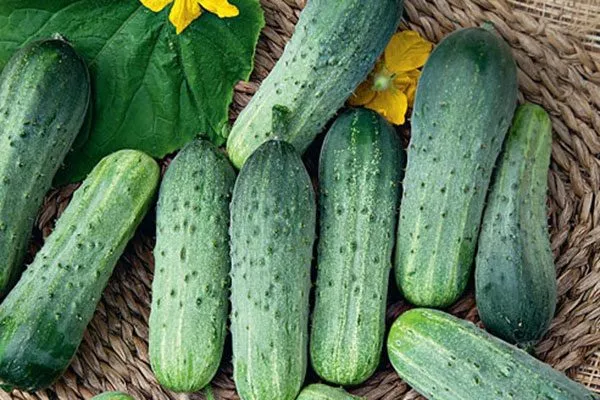
Distinctive features of the fruits:
- Form - elongated-cylindrical.
- Length - 10-12 cm.
- Diameter – 3.5-5 cm.
- Weight - varies from 87 to 112 g.
- Peel – painted dark green with stripes of a lighter shade.
There are rare tubercles and whitish spines on the surface.
Purpose and taste of fruits
Dasha cucumbers are ideal for salads, pickling, and canning. Their excellent flavor makes them ideal for fresh consumption.
Ripening and yield
This mid-late variety takes approximately 45-50 days from germination to full maturity. When grown in greenhouses, the yield is 14.2 kg per square meter.
Landing features
Vegetable growers emphasize that the successful development and formation of both the bushes and the cucumbers themselves directly depends on proper planting. To achieve this, experts recommend following cultivation tips.
- ✓ Optimum soil temperature for planting seedlings: not lower than +14°C.
- ✓ The need to use a vertical trellis to support the bushes, despite their medium height.
Site preparation
Choose sunny areas protected from strong winds and drafts. The plant thrives on a south-facing site. Prepare the site in advance. In the fall, dig over the beds and add manure. In the spring, loosen the soil and apply potassium-rich mineral fertilizer.
Planting seeds
Pre-treat the planting material with a 1% potassium permanganate solution, growth stimulants, or soak it in aloe juice. Harden the seeds by first dipping them in hot water, then in cold.
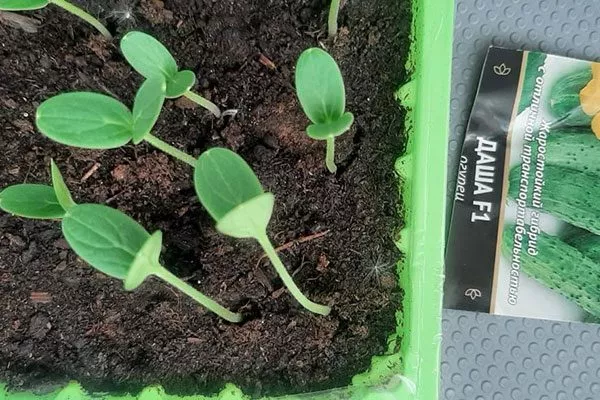
Sow the seeds to a depth of 3-4 cm. After planting, cover the holes with soil and moisten them. To prevent them from freezing, cover the beds with plastic film.
Planting seedlings
To plant seedlings, place the seedlings in 500 ml pots, placing a few seeds in each. Cover with soil, water generously, and move to a warm room with a temperature of 27°C. Once the sprouts appear, reduce the temperature to 20°C.
Planting diagram
Plant the bushes at 70 cm intervals and 30 cm between rows. This planting pattern provides the plants with ample space to grow and makes harvesting easier.
Care
The taste of vegetables depends on proper agricultural practices. Vegetable growers recommend standard care to strengthen the plant's immune system and produce high-quality vegetables throughout the season.

Carry out the following agricultural practices:
- Watering. Before flowering, water the seedlings once every 5 days, and once the cucumbers begin to form, water them once every 2-3 days. Use settled, room-temperature water. Make sure it falls only on the soil, not on the leaves.
- Garter and shaping of bushes. Since the bushes aren't very tall, tie them to a vertical trellis, securing the main stem with strong rope. When tying, avoid over-tightening the stem to avoid disrupting its nutrition and the plant's health.
- Top dressing. Fertilize four times during the season. Use mineral components and complex mixtures as top dressing. Additionally, apply a mullein or urea solution.
- Hilling. Perform this procedure after watering once every 10 days, combining it with loosening the soil. This will prevent the formation of a soil crust and improve the access of moisture and oxygen to the root system.
Following these recommendations will allow you to grow a crop with abundant fruiting.
Diseases and parasites
Dasha is a cucumber variety with strong immunity to many infections. However, if the plants are not properly cared for, they may be susceptible to certain diseases.
Powdery mildew
When the disease occurs, the leaves become covered with a white coating on the surface, which darkens over time and causes them to fall off. Brown or russet spots appear on the stems, weakening the plant and reducing yield, making the fruit less tasty.
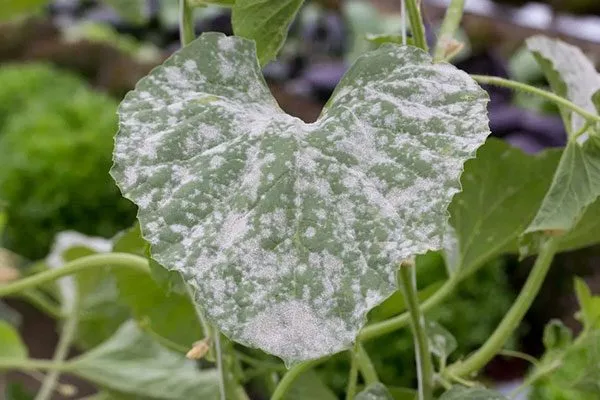
To combat powdery mildew, use fungicides. Topaz and Thiovit Jet are considered the most effective.
Mosaic
An infectious disease characterized by the appearance of white or light yellow spots on leaves. Over time, these blisters develop. Mosaic can affect the taste of cucumbers, adding bitterness.
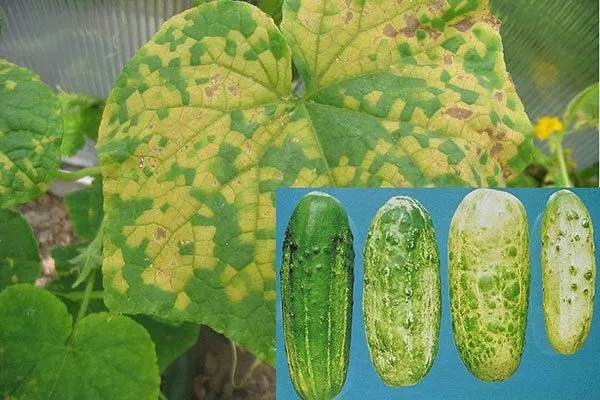
To prevent the disease from progressing, treat plants with a potassium permanganate solution. Actellic and Aktara are effective in combating mosaic.
Sclerotinia (white rot)
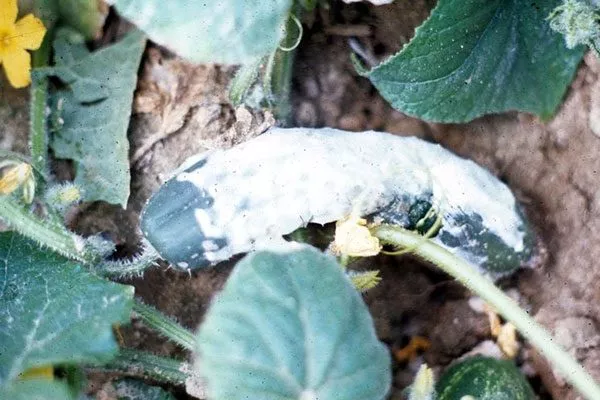
This disease causes wet spots to appear on all parts of the bush, and leaves to wither and fall off. Over time, the affected areas become waterlogged and moldy. To prevent sclerotinia, use Oxychom, Ordan, and Topaz.
Harvesting and storage
To prevent cucumbers from becoming overgrown and to maintain their flavor, harvest daily or every other day. Store the fruit in a cool place at +5°C.
Advantages and disadvantages
Before planting seedlings in your garden, consider the positive and negative qualities of the crop. Dasha cucumbers have many advantages:
Reviews
Dasha cucumbers are a popular variety among vegetable growers, earning the trust of gardeners thanks to their excellent characteristics and generous yields. This hybrid attracts even beginners due to its undemanding growing conditions. With simple care, you can grow high-quality fruits.