
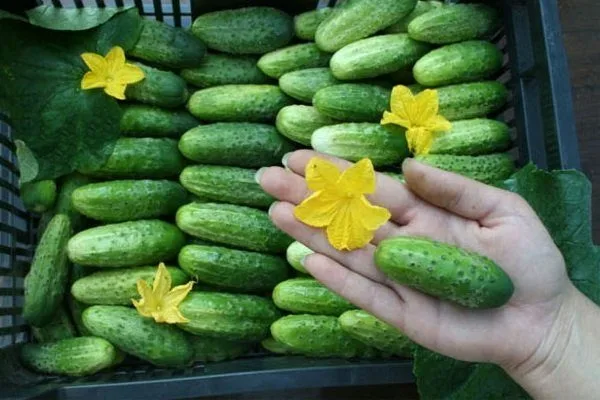
The Damsky Ugodnik F1 cucumber, produced by the Poisk agricultural company, is distinguished by its early maturity and abundant yield. This hybrid is parthenocarpic, meaning it is self-pollinating. This cucumber thrives in greenhouses, on open balconies and windowsills, and in outdoor garden beds at dachas.
Introduction to the variety
The advantage of this variety is its rapid ripening: in open fields, the first green fruits can be harvested within five weeks of sowing, while in a greenhouse, this process is reduced by several days.
This variety is distinguished by its fruit's lack of bitterness, provided proper irrigation is maintained. Its developers promote it as a crop that thrives and produces fruit in both greenhouse and outdoor conditions. The plants show roughly the same results under different cultivation conditions.
Information about origin
The "Ladies' Man" variety was registered in the State Register of Russia for cultivation under protective film on private farms. The application for inclusion in the register was submitted under number 61954 and registered on November 7, 2013. The variety was officially approved for use in 2015 and permitted for cultivation in all regions of the country.
Characteristics of the appearance of the plant and cucumbers
The Ladies' Man variety is characterized by medium growth, reaching 120-180 cm in length. The plant's branches are abundantly branched.
There are also other varietal characteristics:
- The cucumber root system develops well in fertile soil, providing the plant and fruit with all the necessary nutrients.
- The leaves on the stems are medium-sized. Unlike other varieties, whose male flowers are located on the main stem, the main yield of the Damsky Zaitsev comes from the ovaries on the central branch. With proper cultivation practices, even the side stems can produce a good harvest of green cucumbers.
- Female flowers, which do not require pollination, begin to open, ensuring fertility without further intervention. There are five of them per node.
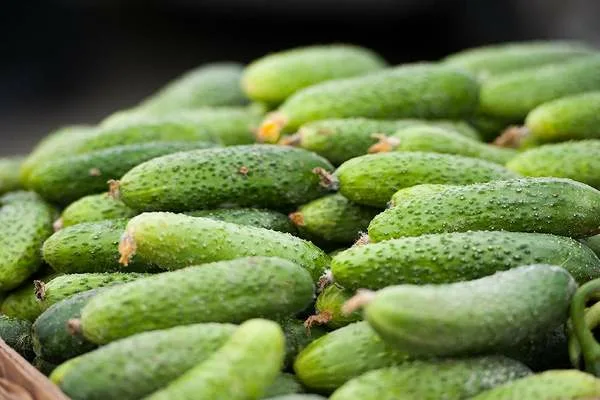
- This variety of salad cucumber has a distinctive appearance: it has a short but thick, cylindrical shape. Its size ranges from 6 to 10 cm in length and 3-4 cm in width, weighing between 80 and 100 g. Small cucumbers are similar in appearance.
- The fruits have clear ribs and light longitudinal lines on the edges, while their base is colored in a rich dark green tone, and the top is lighter.
- The skin is finely pubescent and has a bubbly effect, decorated with numerous small white spines.
- The flesh is juicy, crisp, and has a distinctive cucumber aroma. The flesh is firm and elastic, and the seed chamber is narrow and void-free.
- These cucumbers do not form seeds, making them invisible when eaten.
Purpose and taste characteristics of fruits
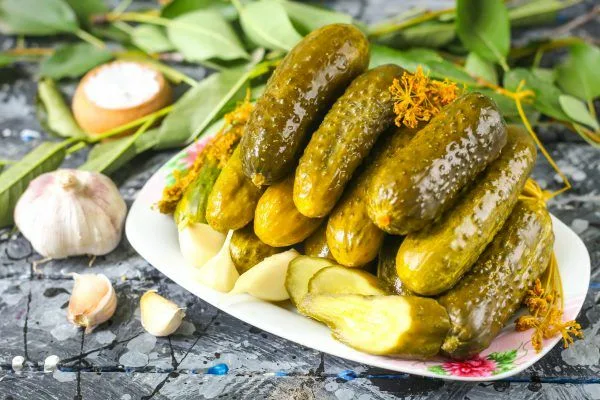
Ladies' Man cucumbers boast a rich, bright, fresh flavor without any bitterness. This hybrid is perfect for salads, canning, adding to vegetable mixes, or as a sandwich filling.
When ripe, the yield
This hybrid is considered one of the earliest ripening varieties. Primary fruits appear in 37-40 days, and mass harvesting begins in 45-50 days. Each node produces 4-5 ovaries, not all of which may survive cultivation on a windowsill.
With careful care and proper feeding, plants of this variety continue to bear fruit until autumn. According to reviews, one vine of this hybrid can yield up to 4-4.5 kg of cucumbers per season, and 12 to 15 kg of gherkins can be harvested from one square meter.
The productivity of a variety depends on adherence to agricultural practices regarding temperature and lighting, the presence of essential nutrients in the soil, regular watering, and proper formation of the shoots.
Growing rules
It's best to plant already-grown, home-grown plants in a greenhouse. Cucumbers are grown in individual pots, as their rootstocks are very sensitive and fragile and don't tolerate transplanting. Seedlings are grown for a month.
Sowing period
To plant cucumbers outdoors, wait until the soil temperature at a shallow depth (4 cm) reaches 14-16°C and the air temperature reaches 23-27°C. However, if the temperature drops suddenly to 12-13°C, the seeds may not germinate.
- ✓ Optimum soil temperature for seed germination: +14-16°C at a depth of 4 cm.
- ✓ Critical air temperature leading to the death of young shoots: +3-5°C.
A temperature drop to +3-5°C is also dangerous for young sprouts, as it can lead to irreversible changes in the tissues of heat-loving plants.
Seed preparation
To achieve excellent agricultural results, it's important to begin with careful seed preparation. If you purchased your seeds from an authorized supplier, disinfection is not required. However, if you obtained your seeds through other means, disinfection is essential before planting:
- Prepare a solution consisting of manganese and water.
- Wrap the seeds in gauze or a bandage and leave them in the solution for 15-20 minutes. This time was determined by experts, as longer soaking times can negatively impact plant growth after planting.
- Rinse with plain water. Some gardeners claim that using a baking soda solution significantly increases yields.
What else can be processed:
- baking soda, using 1 g per 200 ml of water, but the procedure requires one-day soak;
- Fitosporin - add 2 drops (or 1 teaspoon in the case of powder) to 200 ml of water, after which the seeds should be immersed in the solution for one to two hours;
- aloe juice in a 1:1 ratio, since it not only cleanses but also strengthens the immunity of future plants, the seeds should lie in this solution for at least a day.
Plot and preparation of beds
To successfully plant cucumbers, choose a location with sufficient sunlight, following crop rotation rules:
- It is preferable to choose a site where potatoes or legumes were previously grown, but not beans;
- avoid planting after pumpkins and squash;
- Aromatic herbs such as fennel, celery, basil, and dill will be a useful companion for cucumbers.
To prepare a plot for cucumbers, which prefer fertile soil, apply 5-8 kg of organic matter per square meter in the fall before plowing. In a greenhouse, pre-treat the soil with a copper sulfate solution and disinfectant agrochemicals such as Gumi or Fitosporin.
In the spring, when digging the hole, add a nutrient mixture consisting of five parts of turf soil, peat and humus, and one part of sand.
Add to each bucket of substrate:
- 3 tbsp. wood ash;
- 1 tbsp. l. nitrophoska;
- 1 tbsp. l. Superphosphate.
Planting seedlings
It's best to plant cucumbers in greenhouses and under cover directly as seedlings. This speeds up the harvest process.
Peculiarities:
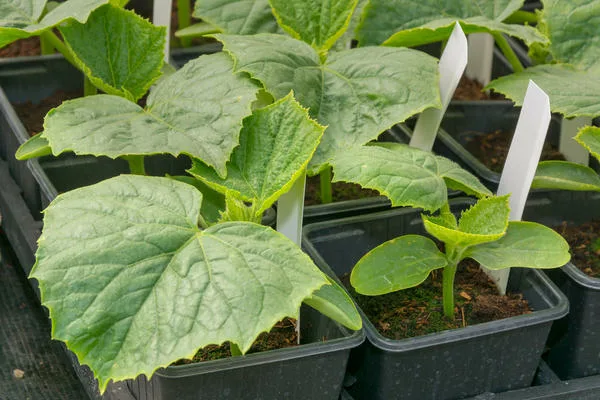
- Place seedlings in individual containers. Peat pots are ideal, as they decompose into a useful fertilizer.
- In March, to grow cucumbers, seeds are sown to a maximum depth of 2.5 cm and placed in a warm, well-lit place under protective film.
- After a week, the seeds begin to germinate, after which the devices creating the greenhouse effect are removed.
- In 4-5 weeks, young cucumber seedlings will be ready for transplanting into open ground.
Transplanting into beds
Experienced gardeners plant cucumbers during consistently warm weather. A sudden cold snap can kill the vulnerable roots, and the young foliage can be burned.
When the air temperature rises above 15-17°C, you can safely plant cucumbers without worrying about the future harvest. Given their extensive root system and foliage, cucumber plants are planted 15-25 cm deep, while maintaining a distance of 30-40 cm between plants.
How to plant correctly?
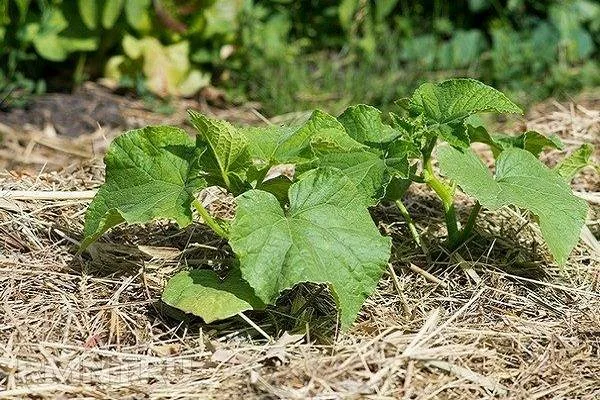
A week before transplanting, allow the seedlings to acclimate to the outdoors by bringing them outside. Plants with 3-4 leaves should be carefully transferred to their permanent location, avoiding damage to the delicate root shoots.
To do this, thoroughly soak the pots with seedlings. Place three plants per square meter, spacing them 90-100 x 35-40 cm apart.
Care features
Caring for cucumbers does not require complex procedures, but it is important to maintain conditions of warmth, soil moisture, and access to light.
Watering and fertilizing
Misting the soil with water once a week is sufficient, as with other hybrid crops. However, during particularly hot weather, watering should be increased to three times a week. Drip irrigation is an excellent solution for maintaining soil moisture and preventing root rot.
During the growth and budding process of cucumbers, they should be fed with mineral fertilizers enriched with calcium, phosphorus and urea.
The following can be used as approximate fertilizers:
- At the beginning of growth For plants, it is recommended to use mullein in a ratio of 1:10 or bird droppings in a ratio of 1:15 with water.
- During the budding period It is useful to use wood ash, urea, potassium sulfate and superphosphate composition;
- At harvest time To support the plant, you can use foliar feeding with MagBor or wood ash again.
Formation
To increase fruiting, the bush should be trained and side branches removed. The first four leaves on side shoots can be left, while all subsequent leaves should be carefully trimmed.
As the plant's trunk, including its leaves, grows in size and becomes stronger, it needs to be secured to a supporting structure with vines to prevent the branches from breaking under the weight of the ripe cucumbers.
Diseases and pests
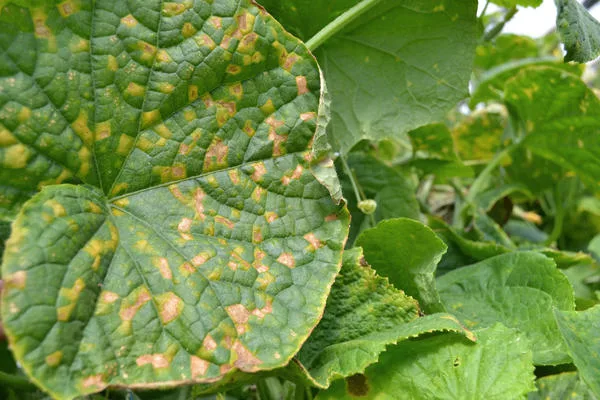
This new-generation variety is resistant to common diseases and insect infestations, but this doesn't preclude preventative measures, as disease incidence is influenced by many negative factors, including poor weather, poor agricultural practices, and so on.
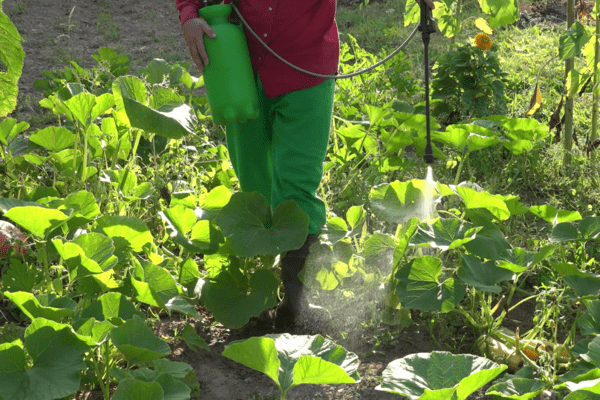
To prevent diseases and pests, treat with natural remedies such as a solution of baking soda and dry mustard, or soapy water.
If natural remedies do not produce the desired effect, it is recommended to use specialized protective preparations - Bordeaux mixture, insecticides and fungicides.
Positive and negative qualities
It's impossible to grow seedlings of hybrid fruits from seeds on your own. The crop has no other drawbacks.
Reviews of Ladies' Man cucumbers
The Damsky Ugodnik F1 variety is a new-generation parthenocarpic cucumber that adapts well to both greenhouse and outdoor conditions. Key requirements for its growth and high yield include nutritious soil, regular watering, and specific guidelines for shaping the climbing vine.