
The Tchaikovsky cucumber is a modern hybrid that has gained popularity among agronomists for its low maintenance and excellent taste. It quickly became a favorite thanks to its stable fruiting cycle and good productivity. It's important to approach cultivation responsibly and provide timely and proper care.
Introduction to the variety
The parthenocarpic, mid-early cucumber variety Tchaikovsky is a relatively new vegetable crop. It stands out for its high yields and good resistance to adverse conditions.
History of origin
It was bred in Holland by specialists from the agronomic company Rijk Zwaan in 2013 and is an improved version of the Kibria variety.
External characteristics of the plant and cucumbers
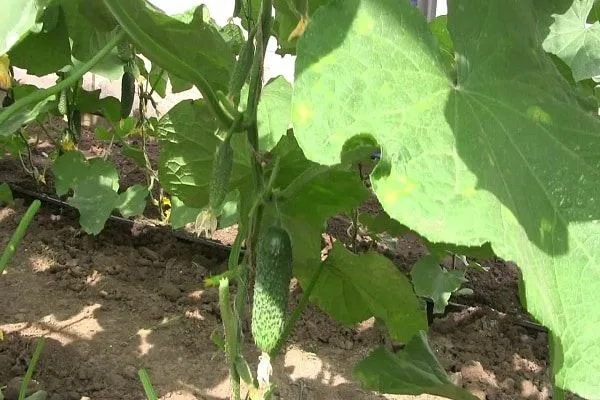
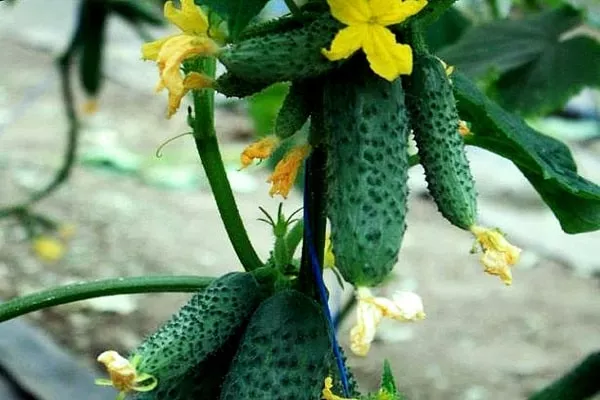
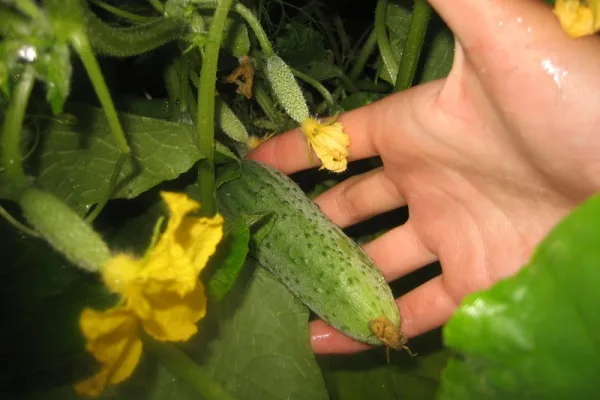
The bush is characterized by moderate branching and long lateral shoots reaching 200-250 cm. The vines are strong, covered with medium-sized, dark green leaves. The plant has strong roots. No more than 2-3 ovaries form in the leaf axils.
- ✓ Resistance to sudden temperature changes.
- ✓ Self-pollinating ability, making it ideal for greenhouse cultivation.
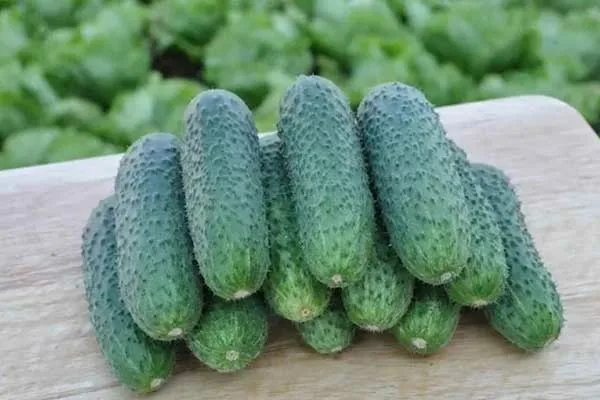
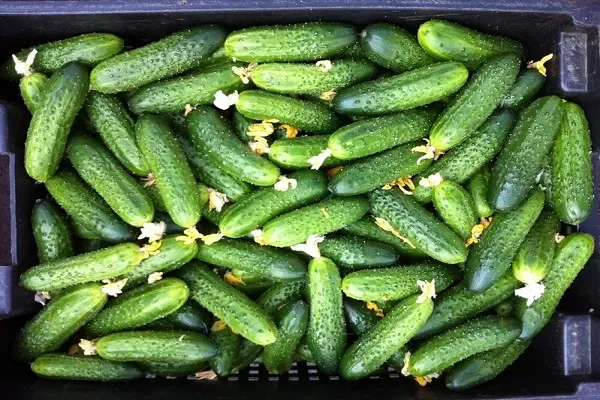
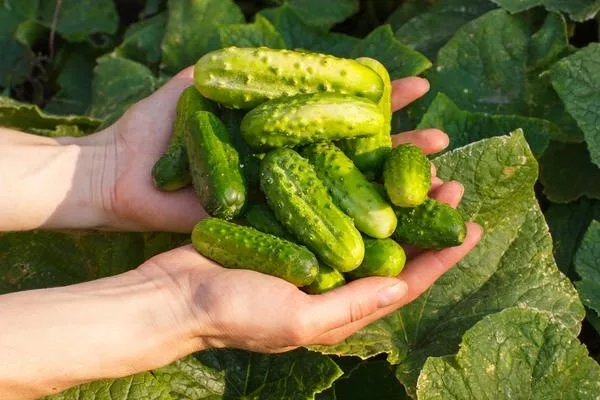
The fruits are small, 12 to 14 cm long and 3.5-4 cm in diameter, weighing from 84 to 110 g. They have a cylindrical shape, dark green skin with clearly defined small tubercles.
Taste and purpose
Cucumbers have a delicate, slightly sweet flavor without bitterness. Their dense, juicy flesh is suitable for both fresh eating and preserves. The small number of seeds is barely noticeable. They have a pleasant aroma, are resistant to yellowing, transport well, and store well.
Composition, benefits
Cucumbers promote weight loss and rejuvenation, and are used not only in preserves and salads but also in cosmetic masks, lotions, and weight loss products. 100 grams of cucumbers contain 0.8 grams of protein, 0.1 grams of fat, 2.5 grams of carbohydrates, and only 14 kcal, making them an excellent weight loss aid.
Cucumbers are 95% water, but the remaining 5% contains many beneficial substances: vitamins A, PP, B group, potassium, magnesium, phosphorus, iron, calcium, etc. Cucumber juice helps remove toxins from the body and has a beneficial effect on the liver and kidneys.
The peel contains fiber and roughage. These components have a positive effect on intestinal function and regulate metabolism. Iodine normalizes hormonal balance. Green cucumbers are beneficial for those suffering from insomnia, fatigue, and irritability.
When ripe, the yield
The growing season lasts approximately 40 days, allowing for cultivation throughout the warm season. The vegetables are harvested from June to September.
Positive and negative qualities
Before planting an unfamiliar variety, experienced gardeners study its positive and negative traits to avoid difficulties during cultivation. Hybrids have many advantages, but also some drawbacks.
How to grow it yourself?
Growing this crop is quite simple. If you follow all the agricultural guidelines, provide the plants with nutritious, loose soil, and give them proper care, you'll reap a bountiful harvest.
- ✓ Optimum soil temperature for seed germination: +22°C to +25°C.
- ✓ Required air humidity to prevent diseases: 70-80%.
Basic requirements
The hybrid tolerates heat well, but prolonged exposure to sunlight in the early stages can kill the seedlings. Choose slightly shaded areas protected from the wind. It grows well in neutral or slightly acidic soils.
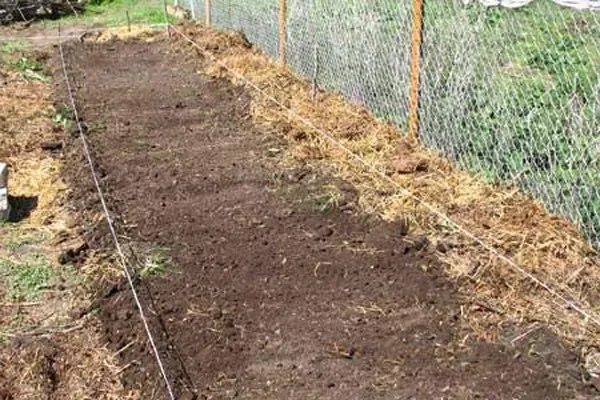
To improve soil aeration, add sand, and to prevent waterlogging, choose areas with a low water table or create raised beds. Ideal pre-planting crops include tomatoes, onions, cabbage, and peas.
Landing plan and time
The Tchaikovsky variety is grown using both seedlings and non-seedling methods. The first method is suitable for an early summer harvest, while the second method is suitable for harvesting fruit in late summer and fall.
Follow these recommendations:
- Sow seeds in April in plastic cups, peat pots or special cassettes.
- Place one seed in one compartment of the container and sprinkle with loose substrate by 1-2 cm.
- Place the containers on a sunny windowsill.
- Moisten the soil daily.
- When 4-5 true leaves appear, the seedlings are ready for planting in a greenhouse or open ground.
Plant seedlings and seeds in the ground when it warms up to +16°C, provided there are no night frosts or sudden cold snaps.
Landing plan:
- Plant cucumbers in rows, leaving a distance of 1-1.2 m between them.
- Maintain a distance of about 40 cm between bushes in rows.
- Place no more than five bushes per 1 square meter.
Prepare the soil: loosen it, make holes, add humus, and water thoroughly. Using seedlings will allow you to get gherkins two to three weeks earlier than sowing seeds in the ground. The quality and quantity of the resulting vegetables will remain the same.
Seedling method
To grow strong Tchaikovsky seedlings, it's important to follow certain guidelines. Follow these recommendations:
- Sow the seeds in individual containers, preferably peat pots. Fill the cups with the growing medium, moisten it, place one seed at a time, and cover with 1 cm of loose soil.
- Place the containers on the windowsill and cover them with transparent film. Remove the film once the sprouts appear. Water as the top layer of soil dries out.
- When the seedlings have four true leaves, plant them in open ground. Dig holes at least 40 cm apart, fill them with compost, water, and place the seedlings in their peat pots, then lightly cover with soil.
Sowing in open ground
The crop is grown by seed to obtain a later harvest, which will begin to ripen by mid-summer and will continue to delight until September, and in some regions even until October.
Conditions and preparation:
- Choose a semi-shaded area that will receive full sun in the morning and partial shade during the afternoon hours.
- Dig over and fertilize the beds before planting.
- Sow the seeds in rows 100x35 cm in size. Place humus at the bottom of the planting hole, place 1-2 seeds at a time, cover with soil, and water gently.
- Start planting when the soil warms up to +15°C and the threat of recurrent frosts has passed.
- Follow crop rotation; do not plant cucumbers in the same place earlier than every four years.
Avoid dense plantings. If all the seeds germinate, thin the beds, leaving 4-5 strong seedlings per square meter.
Subtleties of agricultural technology
This vegetable crop doesn't require complex care, and even with a few mistakes during cultivation, it can still yield a good harvest. It's important to maintain the plants at a minimum and follow simple agricultural practices.
Irrigation regime
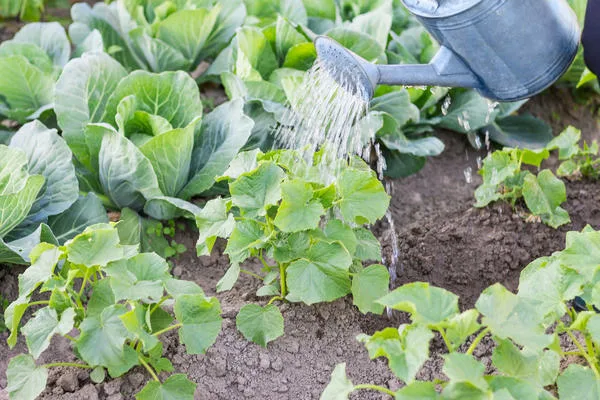
Water the bushes with warm, settled water, but, despite the plant's moisture-loving nature, avoid overwatering. Apply approximately 10 liters of water per square meter, increasing the amount once the shoots reach 1 meter.
To prevent soil erosion around the roots, water the plants through specially dug trenches nearby. Water in the evening or early morning. Afterward, loosen the soil to prevent crusting, which can impede root aeration.
Loosening and weeding
This procedure improves soil aeration, prevents crust formation, and promotes better penetration of water and nutrients to the roots. Perform it after watering, when the soil has dried out slightly, to avoid damaging the roots. Loosen the soil regularly, especially during the active growth period.
Use cultivators or subsoilers to carefully loosen the top layer of soil to a depth of 5-10 cm. Weeding is necessary to remove weeds, which compete with cucumbers for water, nutrients, and light. It also helps reduce the risk of diseases and pests.
Fertilizing cucumber vines
For greenhouse plants, apply a mixture of superphosphate, ammonium nitrate, and potassium sulfate before planting. Apply the next fertilizer when the plants have four leaves. Continue fertilizing during fruit set and ripening. After harvesting, mix the soil with compost.
To feed bushes in open ground, use a fertilizer complex containing nitrogen, potassium, and phosphorus. When the shoots develop two leaves, water them with a urea solution. After 14 days, add water with a solution of mullein. During flowering and fruiting, apply fertilizers made from bird droppings and stove ash.
Features of cultivation and possible difficulties
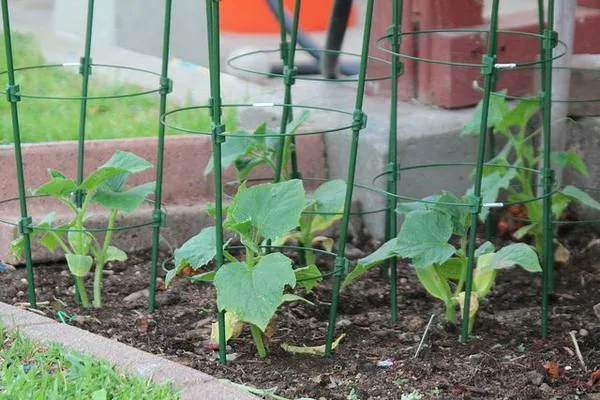
Place the vines vertically. To do this, install vertical supports and tie the stems, which improves ventilation and plant growth.
Helpful tips:
- To ensure a high-quality harvest, practice crop rotation. Avoid planting the same crop in the same spot for many years, as it leaves behind disease-causing microorganisms in the soil.
- Plants don't tolerate direct sunlight. Choose a location that receives sun in the morning and shade in the afternoon. Plant sunflowers or corn around the bed for sun protection.
- Gardeners often encounter low germination rates for seeds sown outdoors due to pests such as moles and ants. Therefore, carefully inspect the area before planting and take measures against pests.
Tchaikovsky doesn't tolerate crowding well. Avoid planting bushes too close together.
Diseases and pests
The hybrid is resistant to powdery mildew, cucumber mosaic, and brown spot. However, it may be susceptible to the following diseases and pests:
- Anthracnose. Treat the leaves with a 0.5% solution of copper sulfate, then sprinkle with crushed chalk, lime or coal.
- White rot. Cut off the affected shoots and treat the remaining ones with a solution of 2 g of copper sulfate and 10 g of urea per 10 liters of water.
- Melon aphid. Use Inta-Vir or a mixture of 10 liters of water, 50 g of crushed laundry soap and 200 g of ash.
- Spider mite. To combat it, use a solution of 200 g of garlic or onion in 10 liters of water to spray the plant.
- Slugs. Treat the soil around the bushes with lime or ash, and spray the leaves with Metaldehyde.
- Whitefly. Use the drug Inta-Vir.
- Peronosporosis. Spray the bushes with a mixture of iodine, milk and water, Bordeaux mixture or urea.
Regularly inspect your plantings for diseases and insects. This will allow you to take early action and prevent seedling death.
Harvesting and storage
Begin harvesting the first crop 50-55 days after germination. The Tchaikovsky hybrid is prized for its consistent fruiting. To prevent the cucumbers from becoming overgrown, harvest them every two days or even daily.
If harvested late, the cucumbers won't turn bitter or yellow, but their skin will become tougher and their flavor will deteriorate. Pick in the morning or evening, when the cucumbers are firmer. Pick the cucumbers carefully, without pinching or tearing, using sharp scissors. For longer storage, leave the stems on when picking.
After sorting, store healthy vegetables in a cool place. In the refrigerator, on the bottom shelf, where conditions are appropriate, the harvest will stay fresh for about 30 days. Do not wash the fruit before storing to avoid damaging the protective membrane that prevents rot.
Reviews
The Tchaikovsky cucumber is an excellent choice for those looking for a reliable and productive variety for their garden or greenhouse. Its excellent taste, good yield, and disease resistance make it one of the best hybrids for both beginners and experienced gardeners. By following simple recommendations for cultivation and care, you can enjoy abundant harvests all season long.