
Björn is an early-ripening cucumber variety distinguished by its productivity and remarkable flavor. It grows successfully both outdoors and indoors, making it a versatile choice for a variety of conditions. Both novice and experienced gardeners can easily cultivate it. With careful care, you'll enjoy bountiful harvests throughout the season.
History of variety selection
This variety is the result of Dutch selection. It was originally bred for its high yield and productivity. It is very popular in our country. It was approved for use in 2015.
Introduction to the variety
The Bjorn cucumber is a relatively new, self-pollinating variety characterized by high marketability. The hybrid has an indeterminate growth habit and female flowering.
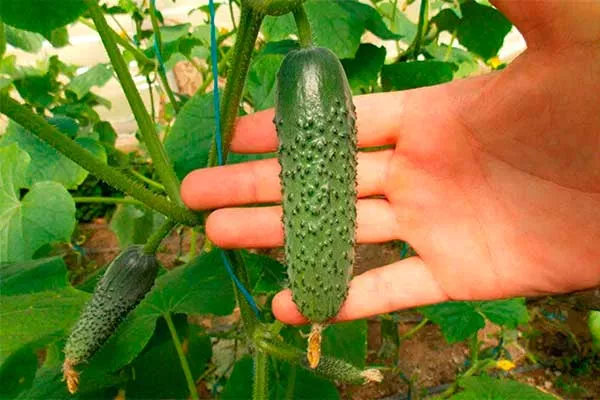
Characteristic features of the appearance of the plant and fruits
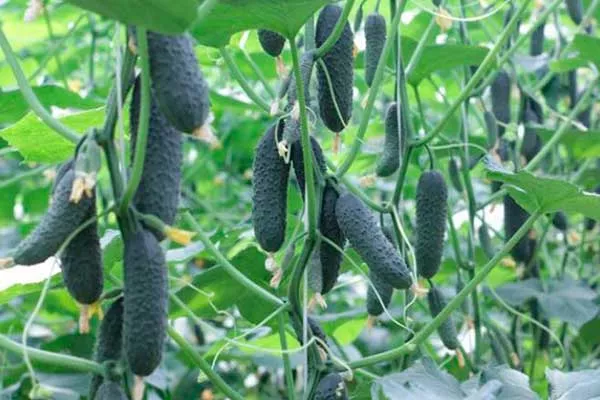
The medium-branched bushes are covered with large green leaves. Approximately 2-3 female flowers form per node. The plant grows in clusters, with 3-4 cucumbers appearing in each cluster. The main stem is strong and vigorous, with no natural growth restrictions, and a loose weave.
| Parameter | Characteristic |
|---|---|
| Growth type | Indeterminate |
| Flowering type | Female |
| Leaves | Large, green |
| Number of ovaries in a node | 2-3 |
| Length of fruits | 10-12 cm |
| Fruit surface | Medium-tuberculate with white spines |
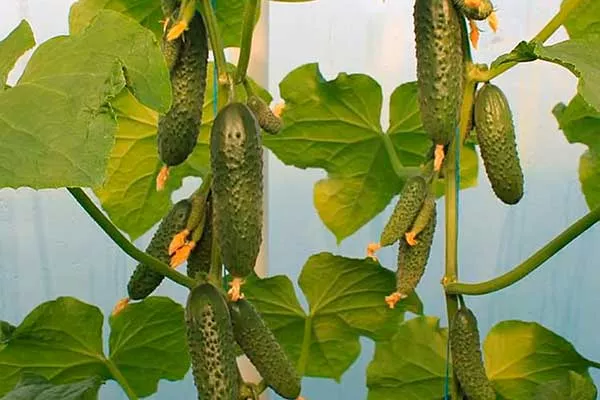
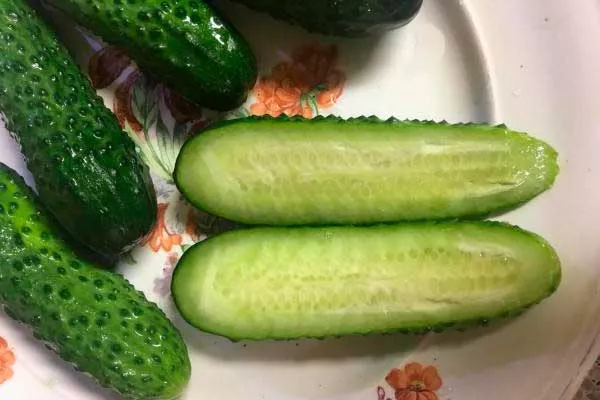
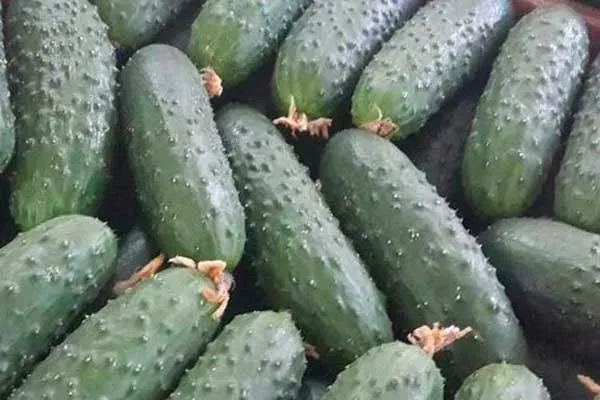
The fruits are short, 10 to 12 cm long, and weigh an average of 100 g. They are cylindrical and dark green, with a medium-tuberous surface and small white spines. The flesh is firm, crisp, juicy, and without bitterness.
Purpose and taste of fruits
The taste is beyond praise. The vegetables ripen with a sweet, harmonious flavor. They store well for 6-8 days. Originally intended for salads, they are perfect for pickling and canning.
Composition, properties, benefits, caloric content
It has a complex composition, including many essential vitamins and microelements. Even when pickled or canned, the vegetable retains its beneficial properties. 100 g of the product contains only 10-15 kcal, so even 1 kg of vegetables will not lead to excess weight gain.
The vegetable contains the following vitamins: A, B1, B2 (riboflavin), B3 (pantothenic acid), B6 (pyridoxine), B9 (folic acid), C, E (tocopherol), K (phylloquinone), PP (niacin), beta-carotene and choline.
The composition contains microelements:
- magnesium;
- selenium;
- copper;
- phosphorus;
- zinc;
- iron;
- calcium;
- potassium;
- sodium.
Vegetables contain alkaline salts, which prevent the formation of kidney stones and sand, and iodine compounds, which, together with fiber, promote proper bowel function. They slow down skin aging and are considered a dietary product that can be consumed almost without restrictions.
Björn cucumber yield
The crop yields very high. With proper and regular care, the hybrid can produce up to 13.4 kg of fruit per square meter.
This figure is considered average.
Resistance to diseases and pests
The hybrid boasts a genetically engineered resistance to a variety of adverse conditions. It successfully tolerates extended periods of cloudy weather and temperature fluctuations. Flowering is uninterrupted, and fruit sets develop even under challenging conditions. The plant exhibits good resistance to diseases and pests.
| Disease/Pest | Sustainability |
|---|---|
| Powdery mildew | High |
| Downy mildew | Average |
| Cladosporiosis | High |
| Cucumber mosaic | High |
| Spider mite | Average |
Maturity
It's an early-ripening variety, meaning its fruit ripens significantly earlier than other varieties. The harvest begins 35 days after planting, and this period lasts up to two months.
How to grow this variety yourself?
The crop is grown both from seedlings and by direct sowing into the ground. Seeds are typically sown for greenhouse cultivation, while seedlings are used for planting outdoors. For increased yield, the seedling method is recommended.
Direct seeding
Seed packaging usually indicates whether the manufacturer has prepared the seeds. If this isn't indicated, soak the seeds in a 1% potassium permanganate solution for 20-30 minutes, then rinse under running water.
Soak the seedlings in warm water (35-40°C) for 2-3 hours and wrap them in a damp cotton cloth for a couple of days. Moisten them periodically to prevent the seeds from floating in the water. This allows them to swell and germinate faster.
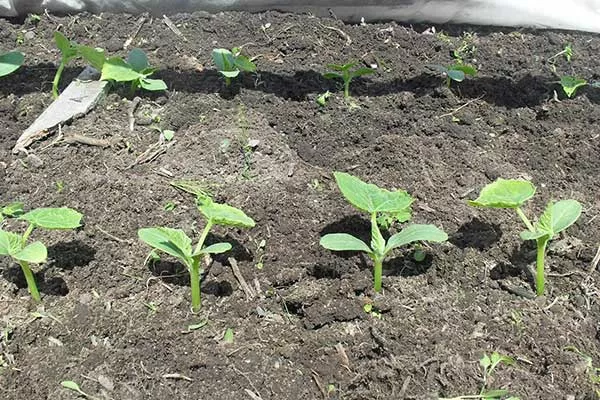
Plant seeds 35-60 cm apart and approximately 150 cm apart between rows. Plant to a depth of 3 cm.
Seedling method
Sow the seeds in peat pots or pellets to a depth of 3-4 cm, moisten, and cover with plastic film to create greenhouse conditions until germination. Once sprouts emerge, remove the film to allow the seedlings to breathe.
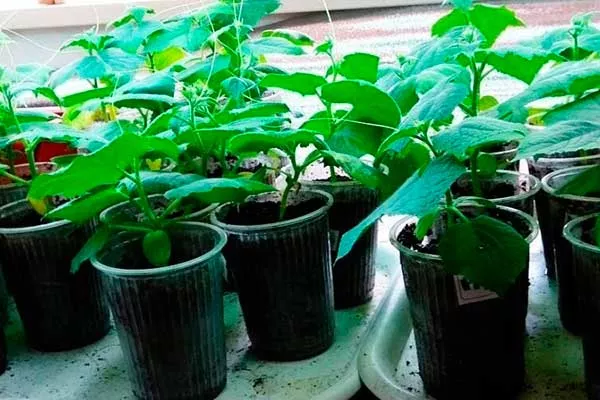
Provide the plants with the necessary conditions. The air temperature should be between 14°C and 20°C. Twenty-two days after sowing, transplant the seedlings to their permanent location in a greenhouse or open ground, along with the peat pot, slightly damaging it to improve moisture access to the roots. The peat will dissolve into the soil over time.
Step-by-step cultivation and care
This hybrid is easy to care for, but simple farming practices are still necessary. Follow these recommendations:
- Fertilize the crop at least four times during the growing season. Apply the first fertilizer two weeks after planting in its permanent location, the second at the beginning of flowering, and subsequent fertilizers as the cucumbers ripen.
- Alternate mineral and organic fertilizers. For mineral fertilizers, use specialized products such as Master, Agricola, or Superphosphate.
- Herbal infusions, chicken manure, or mullein diluted 1:15 are suitable organic fertilizers. Subsequent fertilizing helps extend the fruiting period.
- Water with settled water at room temperature in the morning or evening, avoiding contact with the leaves and stems, as moistening with cold water can lead to root rot.
- During the growing season, loosen the soil around the plants 2-3 times, 12-24 hours after watering. This ensures better oxygen access to the roots and helps eliminate weeds that drain nutrients and moisture.
Features of cultivation and possible difficulties
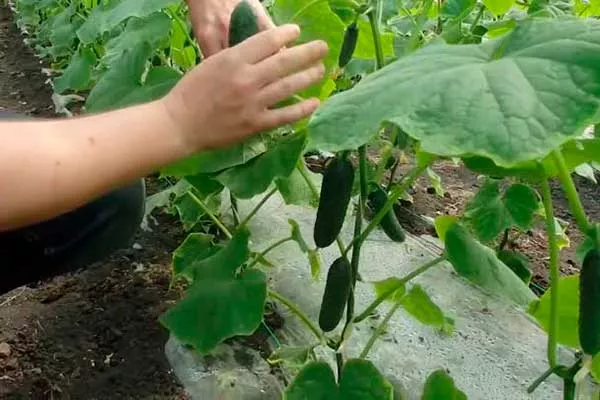
The Björn F1 hybrid can be grown both outdoors and indoors, but greenhouses significantly increase yields and simplify care. Its cultivation technology is virtually identical to that of other varieties.
Diseases and pests
The crop is renowned for its strong resistance to disease, but the risk of illness remains. In such cases, use special preparations, strictly following the dosage indicated on the packaging.
Common diseases and pests:
- Cladosporiosis. It manifests itself as brown ulcers on the bushes and fruit. To combat the disease, stop watering the bushes for five days and treat them with Fundazol (10 g per 10 liters of water). Remove the affected areas.
- Powdery mildew. White spots on the leaves, which eventually spread to the entire plant, cause the leaves to dry out and stop fruiting. Remove the infected parts and treat the bushes with fungicides (10 g per 5 liters of water). If the infection is complete, remove the bushes.
- Downy mildew. Leaves become covered with yellow spots and dry out. Stop fertilizing and watering for 3-4 days and treat with Polycarbacin (10 g per 5 liters of water).
- White rot. A white, sticky mass covers bushes and vegetables. Remove affected areas and treat the leaves and stems with a solution of 50 g copper sulfate, 50 g urea, and 50 g zinc sulfate per 10 liters of water.
- Aphid. Small green bugs that settle on leaves and eat them, causing wilting. Control by spraying with an ash solution (200 g ash and 100 g laundry soap per 10 liters of water).
- Whitefly. A small white fly that sucks plant sap and causes sooty mold. Control with a garlic/onion infusion (200 g of grated garlic or onion per 10 liters of water, let steep for 24 hours).
- Spider mite. A greenhouse pest that leaves webs on the undersides of leaves and eats green foliage. Control involves spraying with a soap solution (200 g of grated laundry soap per 10 liters of water).
It is better to treat diseases in the early stages of development to prevent death and damage to neighboring bushes.
Schedule of preventive treatments
- 2 weeks after planting: Fitosporin-M (5 g per 10 l of water)
- At the beginning of flowering: 1% Bordeaux mixture
- After the first harvest: garlic infusion (200 g per 10 l of water)
- At the first signs of disease: apply an appropriate fungicide
Harvesting
Cucumber fruiting is prolonged, beginning approximately 35-40 days after planting. Harvest every two days.
- ✓ Optimal collection time: morning (before 10 am)
- ✓ Storage temperature: +8…+10°C
- ✓ Storage humidity: 85-90%
- ✓ Do not pick the fruits, but cut them with scissors
- ✓ Do not wash cucumbers before storing
Advantages and disadvantages of the variety
Cucumber Bjorn F1 is a popular fruit plant with many positive qualities.
Reviews
Björn cucumbers are an excellent choice for those looking to achieve good results in their garden. This hybrid will delight you not only with its high yield and low maintenance, but also with its excellent flavor. By following the cultivation and care recommendations, you can fully realize the varietal characteristics of this variety.