
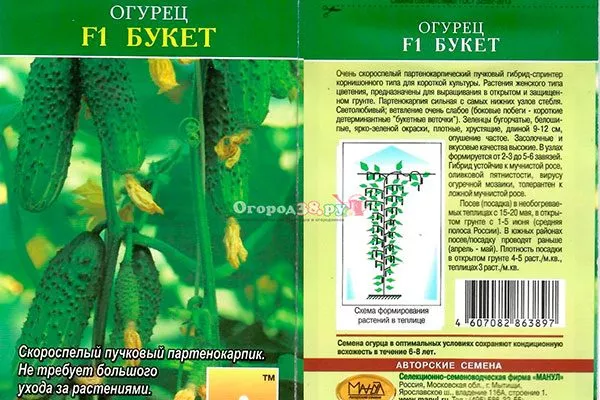
Bouquet F1 is an achievement of domestic breeding, one of the earliest cucumber hybrids. Its hallmark is the increased productivity of its bushes, which produce clusters of up to seven cucumbers each throughout the summer. Russian gardeners grow it in greenhouses and open garden plots.
Introduction to the variety
This vegetable variety is self-pollinating due to the bushes' ability to produce exclusively female flower ovaries (parthenocarpy). They are also characterized by cluster-type fruit formation. The cucumbers grow in clusters, each consisting of 3-7 pieces.
History of origin
The Bouquet is the creation of Russian scientists working at the Manul breeding and seed company. The authorship belongs to the company's employees:
- Borisov A.V.;
- Krylov O. N.;
- Orekhova E. A.;
- Krylova T.I.
In 2008, the hybrid was added to the Russian Federation state register as intended for cultivation in open and closed ground on private farms and farmland.
Characteristics of the appearance of the plant and cucumbers
The bushes of the hybrid variety Bouquet F1 are indeterminate. They are tall, vigorously growing, and have no limit to their growth rate.
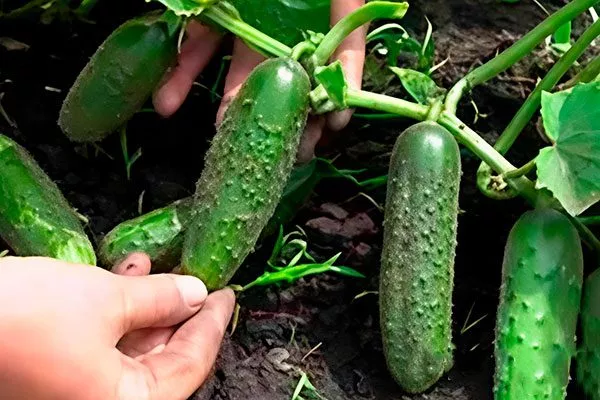
They have the following external features:
- low degree of branching;
- power of the central shoot;
- foliage: green, medium-sized;
- Flowers: yellow, female.
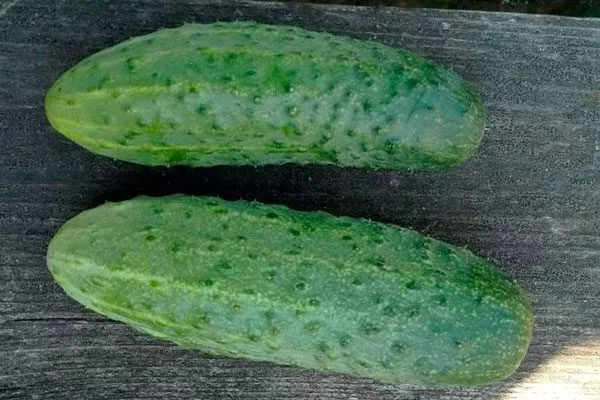
The hybrid's harvest is uniform in size and shape, and has a distinctive marketable appearance. The fruits are small and neat, belonging to the gherkin category.
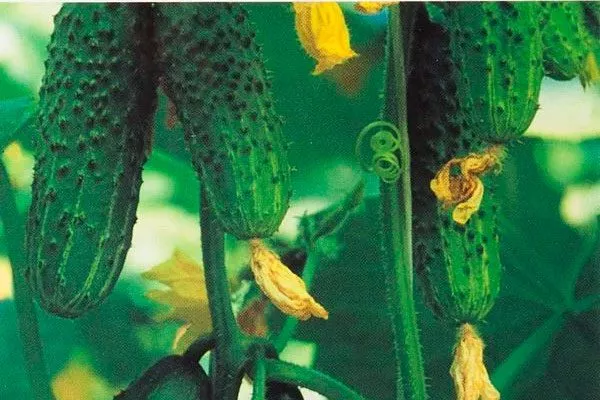
They have the following characteristics:
- average weight - 90 g (deviations are possible, the weight of a gherkin varies from 80 to 110 g);
- length - 9-12 cm;
- diameter - 3 cm;
- spindle-shaped;
- thin green skin with tubercles and white spiny pubescence;
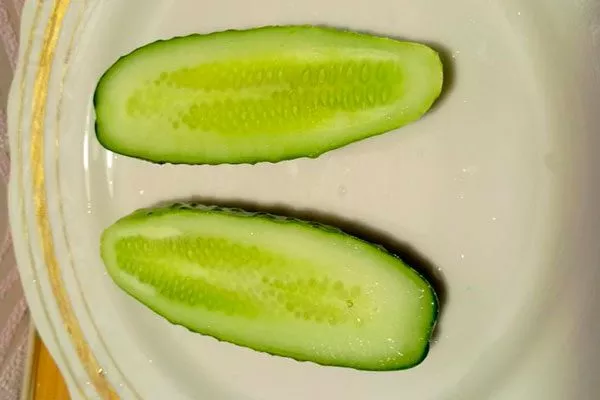
- pulp: dense, crispy, aromatic, with sufficient juice content.
Taste and purpose
The taste of gherkins is excellent. Their flesh is slightly sweet with a refreshing note, without any bitterness. They are delicious both fresh and canned.
The purpose of the hybrid crop is universal:
- cucumbers are eaten fresh;
- used for preparing summer vitamin salads;
- salt;
- marinate.
Ripening time and yield
This vegetable crop belongs to the category of early-ripening varieties and hybrids, leading among them in terms of harvest maturity time. Cucumbers that have reached the pickle or gherkin stage can be harvested as early as 35-45 days after sprouting.
The Bouquet is renowned for its long fruiting period. It begins in June and continues until the first autumn frosts. Its yield indicators are as follows:
- 5-7 kg per 1 sq. m of cucumber planting - average values for open ground;
- up to 12.3-13.5 kg per 1 sq. m – maximum figures for greenhouse cultivation;
- 30-40 fruits - gardeners collect from one bush at a time, if it was provided with proper watering and intensive feeding.
Soil requirements
The cucumber hybrid shows maximum yield when grown in soils with the following characteristics:
- loose;
- lungs;
- air- and water-permeable;
- loamy or sandy loam;
- with neutral acidity;
- fertile;
- rich in nitrogen.
- ✓ The soil pH level should be strictly within 6.0-6.8 for optimal nutrient absorption.
- ✓ Soil organic matter content of at least 4% to ensure high productivity.
The area intended for growing vegetables will need to be dug over in the fall and fertilized with well-rotted manure. If the soil is clayey, structure it by adding sand or other loose materials. If the soil is sandy, add some turf.
Necessary climatic conditions
The following regions of the Russian Federation are suitable for growing this variety of garden crop:
- Northern;
- North-West;
- Central;
- Volga-Vyatka;
- Central Black Earth Region;
- North Caucasian;
- Middle Volga;
- Lower Volga;
- Ural;
- West Siberian;
- East Siberian;
- Far Eastern.
Cucumbers are sun-loving crops. When choosing a site in an open garden, choose one with full sun, free from shade or partial shade. Plenty of light and warm soil are key to vigorous fruit set and a high-quality harvest.
Advantages and disadvantages
Domestic gardeners have fallen in love with the Bouquet hybrid for its many inherent advantages:
Landing features
Grow the Bouquet hybrid in one of two ways: by direct sowing of seeds into garden soil or by using seedlings. Cucumber planting times depend on growing conditions:
- April - in protected ground in the south of the country;
- mid-May - in an unheated greenhouse;
- May - in an open garden bed in the southern regions;
- the first days of June - in open ground in the central part of the Russian Federation.
Site preparation
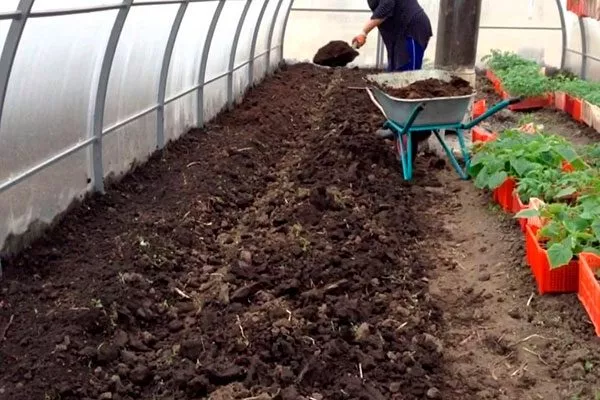
Grow the vegetable crop without artificial cover in a sunny area of the garden, protected from strong winds and drafts. Prepare the area for planting Bouquet cucumbers in advance, in the fall:
- dig it up;
- fertilize with organic and mineral compounds.
Germination of seeds
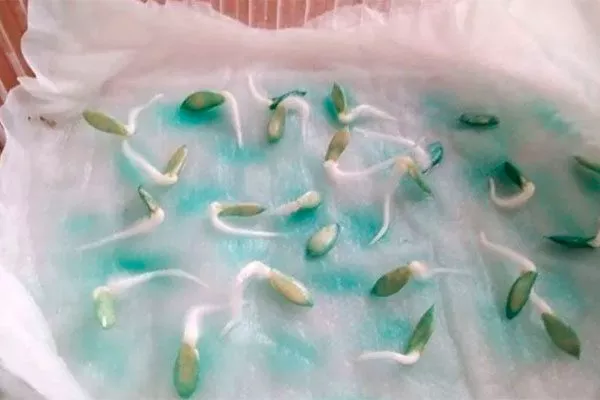
The Bouquet hybrid seeds don't require any special preparation. Simply soak them in water with a growth stimulant added for 2-3 hours before sowing. If desired, you can germinate them by wrapping them in a damp, clean cloth and leaving them there for several days.
Planting seedlings
Start growing cucumber seedlings for planting in open ground, under plastic, or in a greenhouse in April-May. Plant the seeds in a nutritious soil mixture to a depth of 0.5-1 cm. Use separate containers for each seedling. Peat pots are ideal.
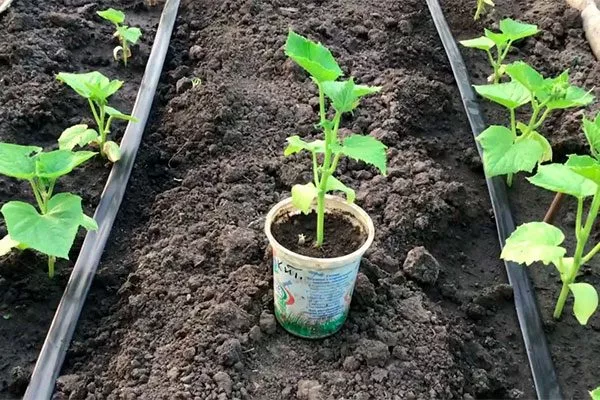
Provide crops with a favorable temperature regime for their growth and development:
- before emergence - + 25°C;
- after sprouting - + 15°C.
Care for the seedlings: water them, provide additional lighting, fertilize them, and harden them off. You can transplant them into the garden once they have 2-3 true leaves. If you plan to move the plants outdoors, make sure the threat of frost has passed.
Plant seedlings at the recommended planting density:
- 2.5-3 plants per 1 sq. m - in greenhouses;
- no more than 4-5 bushes per 1 sq. m. in an open bed.
Care
Caring for this hybrid is not difficult. Following standard cucumber cultivation practices will allow you to harvest a bountiful crop of high-quality gherkins.
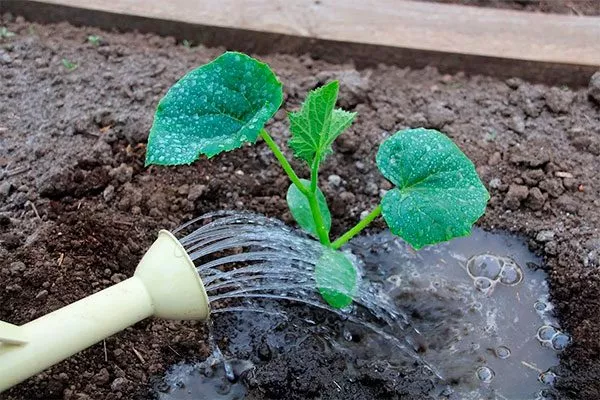
Watering
This vegetable crop is very moisture-loving. The soil moisture requirements of Bouquet bushes vary at different stages of their development:
- during the flowering period until the first fruits appear, water the planting once a week;
- During the fruiting period, water the plants every 3-4 days.
Garter and shaping of bushes
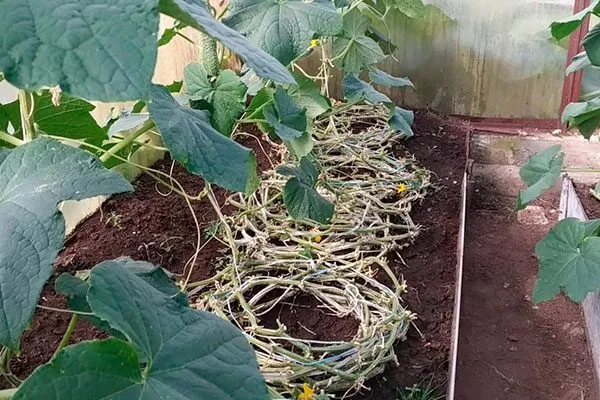
This hybrid requires staking. Attaching the plants to a trellis simplifies their care. The weak branching characteristic of Bouquet also makes it easier to grow. To shape the bush, simply remove all shoots, ovaries, and inflorescences from the first four leaf axils.
Top dressing
To ensure maximum productivity of your cucumber hybrid plants, apply fertilizer. Follow the schedule:
- Fertilize the crops for the first time when they reach 14-15 days of age;
- the second time - at the beginning of the budding period;
- time the third application of fertilizer to coincide with the fruiting phase of the bushes;
- Fertilize the cucumber planting for the fourth time at the height of its fruiting period to prolong it as much as possible.
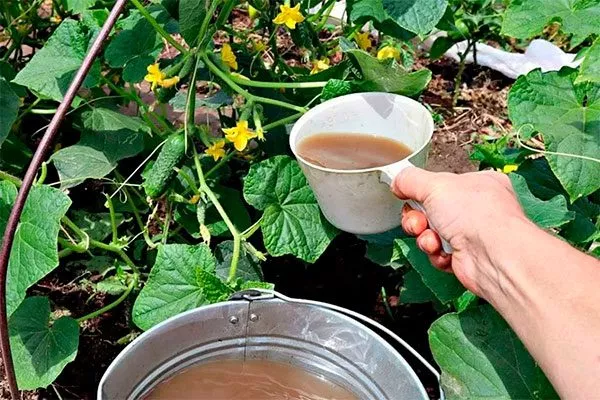
As a first feeding, use organic matter dissolved in water:
- fresh chicken manure (1:15);
- slurry (1:8);
- cow or horse manure (1:6).
When it comes to mineral fertilizers, choose urea and superphosphate. To make a liquid fertilizer, dissolve 10 g and 60 g of each in 10 liters of water.
For the second application of fertilizer, use a herbal infusion (1:5). Mineral solutions are also suitable. Dissolve potassium nitrate (20 g), ammonium nitrate (30 g), and superphosphate (40 g) in water (10 l).
Carry out the third feeding using the following nutrient compositions:
- green manure (1:5);
- potassium nitrate solution (30 g per 10 l of water).
For the fourth time, feed the planting with a two-day infusion of rotted hay or wood ash.
Diseases and parasites
The Bouquet hybrid exhibits resistance to a number of diseases, such as:
- brown spot;
- powdery mildew;
- cucumber mosaic virus;
- Cladosporiosis (brown olive spot).
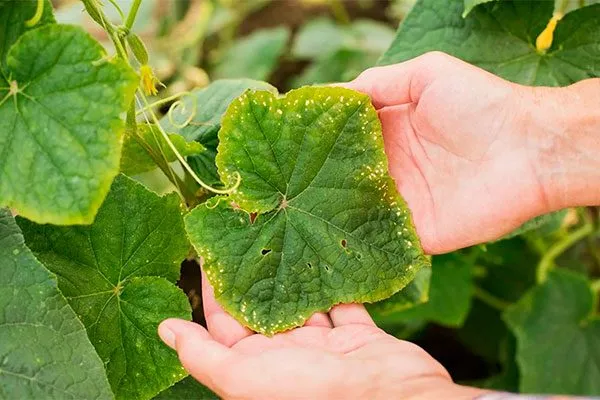
With proper care, its bushes are resistant to infections and pests. Otherwise, they suffer from downy mildew and parasites:
- aphids;
- leaf rollers;
- slugs and others.
Monitoring soil moisture, weeding, and other preventative measures can help you avoid this problem. If you can't prevent it, use fungicides, insecticides, and folk remedies to treat the planting and rid it of harmful insects.
Harvesting and storage
Harvest Bouquet gherkins as they ripen. Pick the fruits every other day or daily, being careful not to damage the shoots.
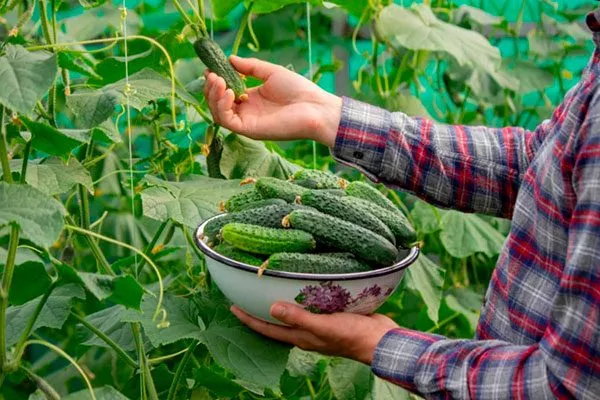
Store cucumbers in a cool place for 14 days. After 2 weeks, they will lose their juiciness and marketable appearance. Keep them in the refrigerator's vegetable drawer to keep them fresh and delicious longer.
Reviews
Bouquet F1 is one of the earliest maturing self-pollinating gherkin cucumber hybrids. Gardeners grow it both outdoors and indoors. Its hardiness and disease resistance make it increasingly popular. This popularity is also fueled by its high yield, excellent taste, and beautiful appearance.