
The Bud' Zdorov cucumber is a reliable choice for those who value good yield, excellent taste, and low maintenance. This variety will not only delight you with juicy and crisp cucumbers but also provide a stable harvest throughout the gardening season. Following the planting and care recommendations will help you maximize the potential of this hybrid.
Introduction to the variety
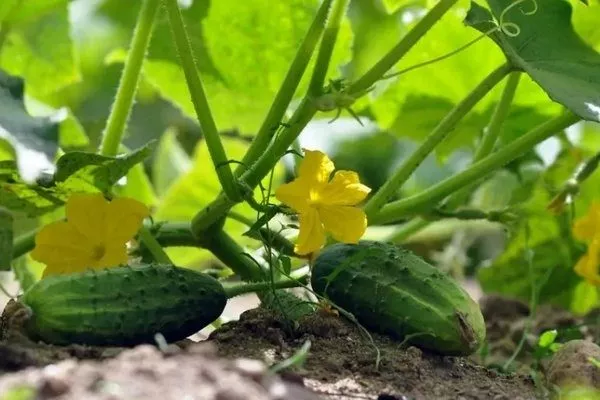
Be Healthy is a variety popular among both beginner and experienced gardeners. Its name is no accident. This hybrid produces abundant harvests, providing healthy nutrition for the whole family. The cucumbers have excellent flavor and are ideally shaped for versatile use.
Originators
This variety was bred in 2006 thanks to the efforts of breeders Borisov A. V., Orekhova E. A., Krylova T. I., Krylov I. N. and Goryachenkov A. V.
Characteristics of the appearance of the plant and cucumbers
The indeterminate hybrid has proven to be stress-resistant and has excellent immunity. It is successfully grown throughout our country.
Distinctive features of the hybrid:
- The bushes have moderate branching and compact size.
- The leaves are medium-sized, rich green in color, with pointed ends.
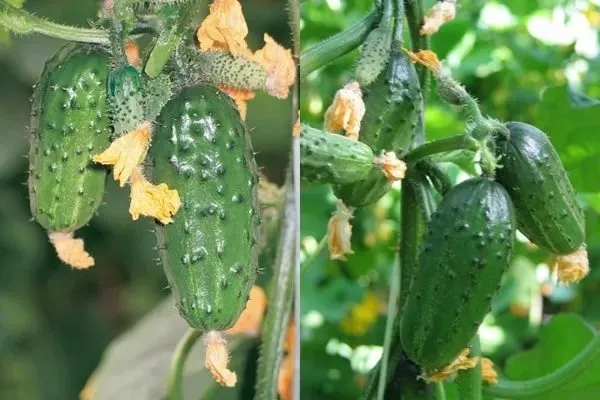
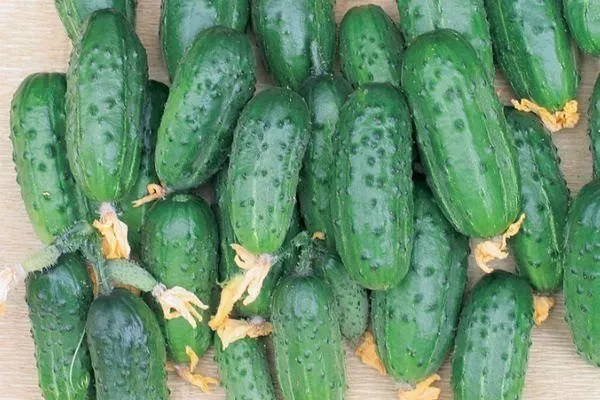
- The fruits are oval-shaped, varying in length from 6 to 9 cm, and weighing from 60 to 90 g.
- The green surface is decorated with medium-length stripes, and there are slightly pronounced tubercles and ribbed areas.
Taste and purpose
The cucumbers are characterized by an excellent classic flavor without bitterness. The flesh is aromatic, medium-firm, crisp, and very juicy.
Cucumbers retain their flavor when preserved, so they are often salted and pickled whole. They are excellent for eating fresh – in salads, sliced dishes, and main courses.
When ripe, the yield
This hybrid is an early-ripening variety. It takes approximately 40-43 days from the first shoots to ripening, and harvesting typically occurs in the second half of June.
When grown in open beds, they yield approximately 10 kg per square meter, while in a greenhouse, they yield up to 13 kg. The fruits do not turn yellow, do not stretch, and do not lose their flavor, even if they are not harvested on time. They transport well, do not crack, and retain their marketable appearance and flavor.
Soil requirements
The plant prefers loose, nutritious soil—black soil or sandy loam. Prepare the site in the fall: dig the soil, disinfect it with copper sulfate, and fertilize with wood ash. Three days before spring planting, amend the beds with organic matter.
Necessary climatic conditions
Warm conditions are essential for successful growth and fruiting. The optimal temperature for cucumber growth is 22-28°C. The crop requires sufficient sunlight, so the planting area should be well-lit.
The soil should be consistently moist, but not waterlogged. Cucumbers require regular watering, especially during the fruiting period. This variety is sensitive to frost, so in regions with cold springs or autumn frosts, grow the plants in greenhouses or under temporary cover.
Advantages and disadvantages
Before planting seedlings in the ground, carefully examine their characteristics – they have both positive and negative qualities. The Bud' Zdorov variety has the following advantages:
Among the disadvantages, some gardeners note:
Landing features
The crop thrives in temperate climates and does not tolerate high temperatures well. Particular care is essential during the early stages of cultivation, as the hybrid has problems with germination and seedling survival.
Site preparation
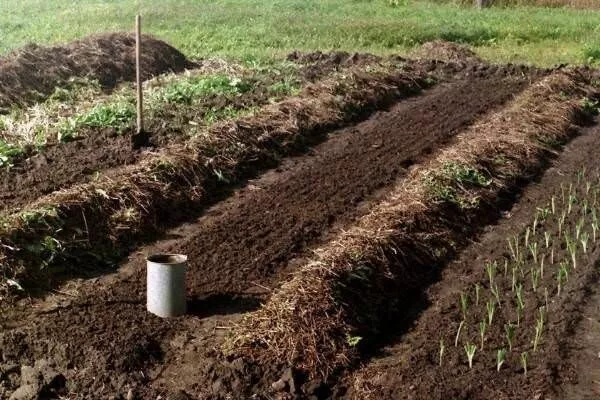
In the fall, dig up the soil, replacing the top 40-45 cm layer. After this, disinfect the soil with copper sulfate or 40% formalin and fertilize with wood ash or charcoal.
In spring, 3-4 days before planting, loosen the soil again, water it, and add a mullein solution. If there's been a prolonged drought, moisten the soil before planting.
Requirements
To successfully grow this crop, consider certain requirements. Cucumbers require good sunlight.
Choose a planting site that receives at least 6-8 hours of direct sunlight per day. The soil should be neutral or slightly acidic. The optimal pH is 6-7.
Growing seedlings
Fertilize seedlings properly and provide them with sufficient light, otherwise a significant portion of the sprouts may die before being transplanted into the soil. Cultivation recommendations:
- Germination of seeds. Sow in the second half of April. First, disinfect the seeds with a potassium permanganate solution. Then plant them in small peat pots 20-25 cm high, 2-3 seeds per pot, at a depth of 1.5 cm.
After planting, fertilize the seedlings with nitroammophoska. The temperature should be 25-26°C until germination, then lower it to 23°C. Water the seedlings every other day, late in the evening. A week before transplanting, begin hardening off the seedlings by placing them outside for 15-20 minutes. - Planting seedlings. Plant seedlings in the garden in mid-May, once the danger of frost has passed. Transplant the seedlings 26-27 days after germination. Prevent the plants from becoming overgrown to ensure they establish well in the garden.
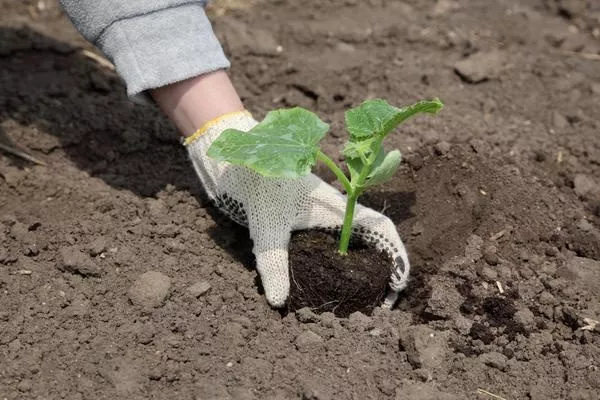
When planting, deepen the bushes by 4-5 cm in pre-prepared holes with wood ash at the bottom.
Planting without seedlings
This is a convenient method for those who prefer to plant seeds directly into the soil. Follow these recommendations:
- Sow seeds in open ground in late May-early June, when the soil warms up to +15-18°C and the threat of frost has passed.
- Dig the soil to the depth of two spade blades.
- Make sure the soil is loose and well-drained.
- Make furrows at a distance of 50-60 cm from each other.
- Sow the seeds to a depth of 1-2 cm, 2-3 seeds in each furrow.
- The distance in a row should be 15-20 cm.
- Water the crops regularly, maintaining constant soil moisture.
To protect against weeds and retain moisture, cover the soil with mulch.
Care
This plant doesn't require complex care. To ensure good growth and harvest, follow these simple guidelines:
- Watering. The hybrid has a strong root system, which helps it store moisture and tolerate short-term droughts. Water the bushes every three days with warm water. Apply drip irrigation late in the evening, being careful not to let any liquid get on the leaves.
In case of severe drought, increase the frequency to once every 2 days, regularly checking that the soil does not dry out. - Top dressing. Apply organic and mineral fertilizers, but avoid overdoing it. Feed the plants with superphosphate during the active growth period, chicken manure or compost at the beginning of flowering, and wood ash or potassium salt before fruiting.
- Loosening and hilling. Loosen the soil around the bushes twice a week. Hilling should be done 3-4 times per season to improve air access to the roots.
- Weeding. Weed your garden beds every 3 days to avoid competition with weeds for water and nutrients.
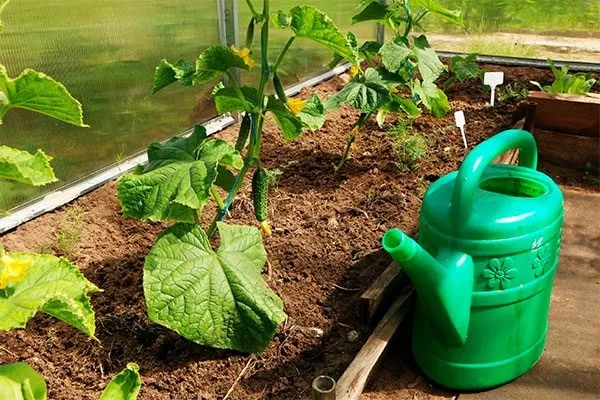
Bush formation involves tying plants to a trellis and pinching them at a height of 1.2 m. In a greenhouse, pinch the central stem at the third leaf.
Diseases and parasites
The hybrid is characterized by a complex immune system, making it resistant to many diseases, including cucumber mosaic, cladosporiosis, and powdery mildew. Seeds are often sold already treated, but if not, treat them with Fitoverm, potassium permanganate, or copper sulfate before planting.
Carefully inspect your bushes at least twice a week as a preventative measure. Common diseases and pests:
- Bacteriosis. It occurs due to insufficiently clean weeding and stagnant water. It appears as brown, waterlogged, angular spots on the leaves. To control it, take the following measures: remove and burn infected shoots, spray the beds with Bayleton or Kuproksat. Treat the greenhouse walls with copper sulfate.
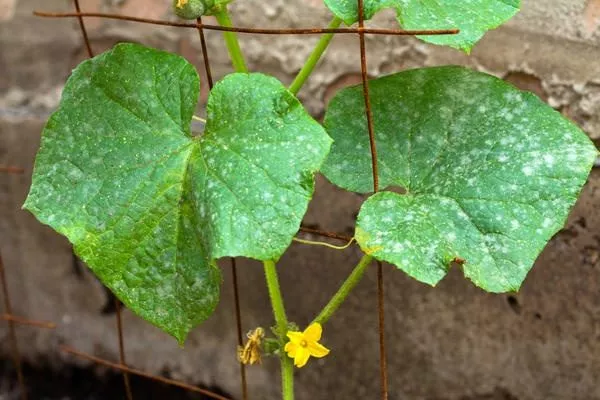
- Peronosporosis (downy mildew). It occurs due to overwatering, high temperatures, and dense planting in a greenhouse. Signs of the disease include yellowish, powdery spots on the leaves. For early treatment, treat the plants with a solution of liquid soap and baking soda in two stages, one week apart.
In case of severe infestation, use fungicides Ridomil Gold or Cabrio Duo. - Spider mite. The pest most often attacks bushes in protected soil. The main sign is a thin, sticky web on the underside of leaves. To combat mites, follow a step-by-step approach: remove and burn affected shoots, and treat the plants with a strong solution of laundry soap. For severe infestations, use acaricides, such as Fitoverm solution.
Fungicides are prohibited during the fruiting period. Always treat cuts with activated charcoal.
Harvesting and storage
Be Healthy begins bearing fruit in the second half of June. The vegetables don't tend to overgrow, so they are harvested every 2-3 days. For canning, select cucumbers 8-9 cm long. Cut the fruits in the evening, approximately 15 minutes after watering, leaving 1/3 of the stem on the bush.
Reviews
The Bud' Zdorov cucumber is one of the most popular hybrids among vegetable growers. It stands out for its excellent qualities and high yield, making it an excellent choice for both open-field and greenhouse cultivation. This variety will provide delicious and fresh cucumbers all season long if you follow simple cultivation guidelines.