
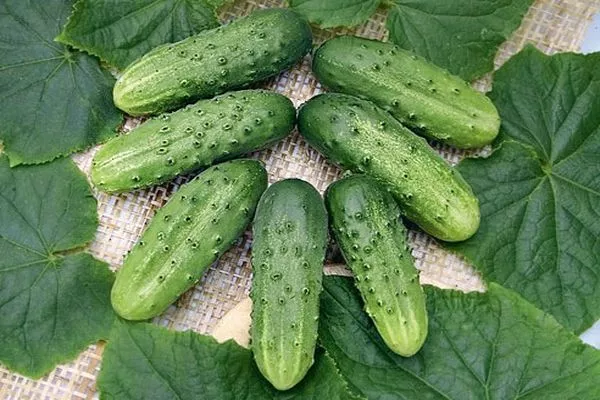
The Boyarsky cucumber is a highly prized hybrid variety among gardeners, developed to produce a consistent, high-quality harvest. Its unique characteristics have earned it popularity among experienced agronomists and novices alike. It stands out for its shade tolerance, disease resistance, and ease of care, though it does require careful maintenance.
Botanical description
Domestic breeders developed this hybrid variety. It was approved for use in 2006. The team behind its creation included N. N. Klimenko, S. V. Maksimov, O. V. Baklanova, and V. I. Pyzhenkov.
This indeterminate plant is characterized by vigorous growth and moderate lateral branching. The main stem reaches a length of about 200 cm, and the leaves are large and dark green. Flowering is predominantly female. The shoots grow quite quickly.
- ✓ High resistance to powdery mildew and downy mildew.
- ✓ Ability to bear fruit in low light conditions.
Varietal characteristics
This hybrid attracts attention with its high, consistent productivity. Average yields range from 163 to 255 centners per hectare, with marketable yields reaching 95 to 99%.
It has good resistance to major crop diseases and is virtually immune to insect attacks. It adapts to various climates and tolerates temperature fluctuations.
Purpose and taste of fruits
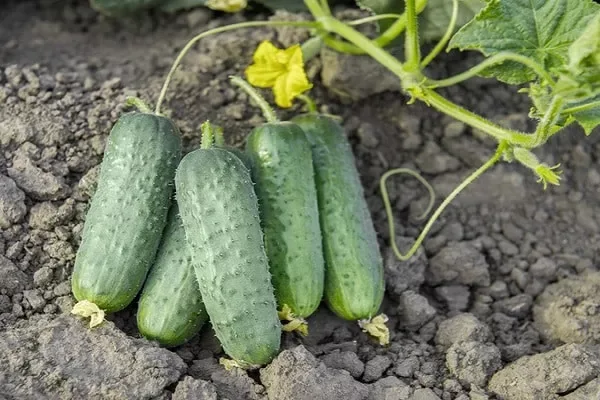
Boyarsky is a versatile variety, suitable for all types of processing, including pickling and canning. It's excellent for fresh salads. Its flavor is distinguished by a slightly sweet note, without bitterness.
Maturation
The hybrid is shade-tolerant, making it an excellent choice for both open-field cultivation and under temporary plastic shelters. The fruits ripen from July 20 to August 30, and the period from germination to fruiting is 45 to 50 days.
Growing and care
Sow seeds in open ground or under plastic covers from mid-May to early June. Follow these recommendations:
- Choose a sunny location or partial shade, taking into account the variety’s shade tolerance.
- The soil should be well-drained, fertile, with a neutral or slightly acidic reaction (pH 6-7).
- Before planting, add organic fertilizers (compost or humus).
- Place the seeds at a depth of 1.5-2 cm. The distance between plants is 30-40 cm. The interval between rows should be at least 70-80 cm.
- Water the soil thoroughly after sowing to speed up germination.
If you're growing seedlings, sow the seeds in pots 3-4 weeks before you plan to transplant them into the ground. Keep them in a warm, well-lit place. Water moderately, avoiding drying out or stagnant water.
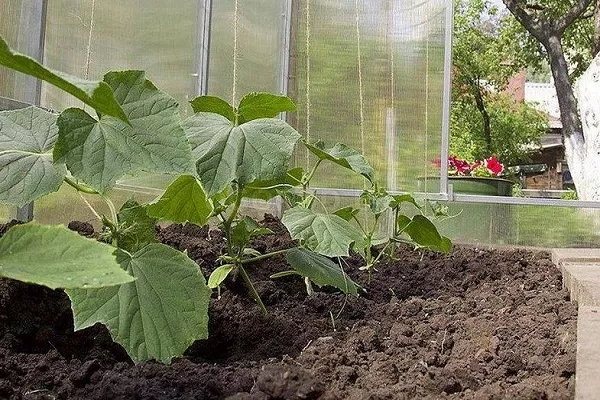
Provide the crop with comprehensive care to ensure consistent fruiting. Follow standard care procedures:
- Watering. Provide regular watering, especially during flowering and fruiting. Avoid allowing the soil to dry out, but also avoid stagnant water.
Use drip irrigation or apply water at the roots to avoid contact with leaves and fruits. - Fertilizers. Fertilize every 2-3 weeks with a complex fertilizer containing nitrogen, phosphorus, and potassium. Use an infusion of mullein or bird droppings diluted in water (1:10).
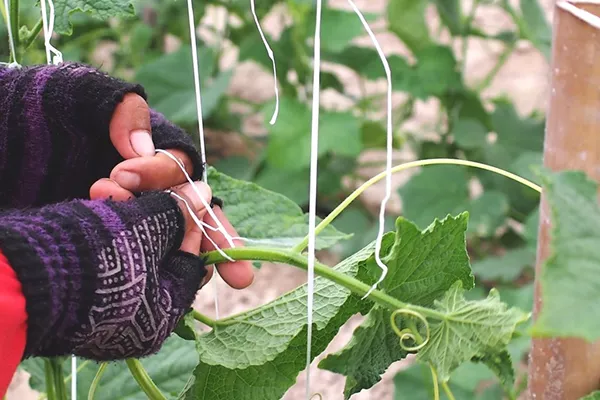
- Shaping and garter. Tie plants to trellises or stakes to prevent fruit from touching the ground and improve air circulation. Remove side shoots to a height of 50 cm to improve ventilation and allow light to reach the central stem.
- Weeding and loosening. Remove weeds to prevent them from competing for water and nutrients. Periodically loosen the soil around the plants to improve oxygen access to the roots.
- Protection from pests and diseases. Regularly inspect your bushes for pests and signs of disease. Use biological or chemical pesticides as needed.
Remove diseased and damaged leaves and fruits promptly to prevent the spread of infections.
By following these recommendations, you can successfully grow healthy and productive Boyarsky cucumber plants.
Reviews
The Boyarsky cucumber is deservedly popular due to its numerous advantages. Its excellent taste and versatility make it ideal for both home and commercial cultivation. Following the growing and care recommendations will help you reap bountiful harvests.