
The Bochkovoy cucumber is an early-ripening hybrid ideal for pickling. This promising domestic variety is equally suitable for any purpose, and can be grown for both home consumption and commercial sale.
Description of the plant and fruits
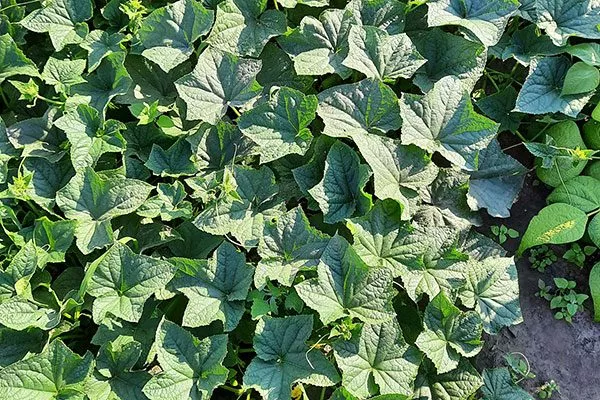
The Bochkovoy F1 cucumber is an indeterminate variety (with vines capable of growing up to 2.5 m). The plant is characterized by moderate branching and medium-sized, standard green leaves. The flowers are primarily female, with one or two female flowers per node.
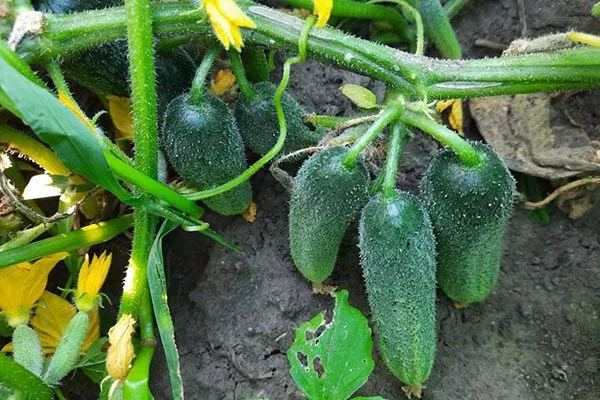
The fruits of the Barrel Cucumber are short, reaching 10-12 cm in length. Their surface is uneven, moderately tuberculate, and covered with small spines. The fruits are green in color and have medium stripes. The average weight is 80-100 g. There are 3-4 cucumbers per bunch.
History of creation
The Bochkovoy cucumber is a bee-pollinated hybrid variety bred by A.V. Kudryashov (TD Vashe Khozaystvo LLC). It was developed in 2015 and is versatile, successfully grown both outdoors and under plastic shelters.

Taste and purpose
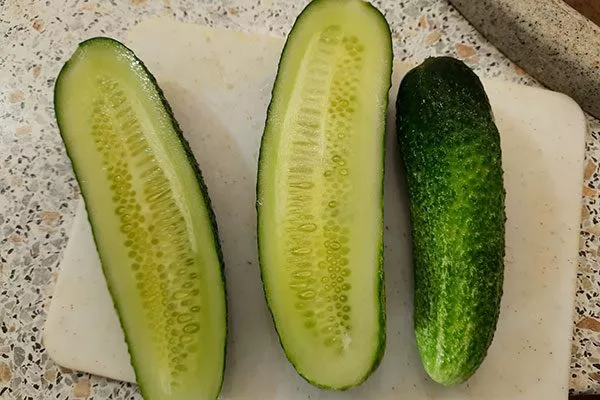
Cucumbers have a wonderful flavor; they are juicy yet firm. They have no hollows or bitterness. They are delicious fresh or canned, and are used in salads, various appetizers, and even cocktails. This variety is ideal for pickling and salting, both in jars and in barrels.
Pros and cons
When choosing a pickling cucumber variety, familiarize yourself with its advantages and disadvantages. The Bochkova hybrid is popular for good reason; it offers numerous advantages appreciated by gardeners.
No disadvantages were found in the Bochkovoy variety.
Characteristics
The Bochkovoy variety can be grown outdoors, in greenhouses, and hotbeds. It's an early-ripening cucumber, with a time from germination to fruiting taking 42-45 days.
The Bochkovoy cucumber is fairly resistant to fungal infections, particularly cladosporiosis, powdery mildew, downy mildew, and common mildew. It yields 5-6 kg per square meter per season. When grown under plastic, the yield is even higher—up to 12 kg per square meter.
Landing features
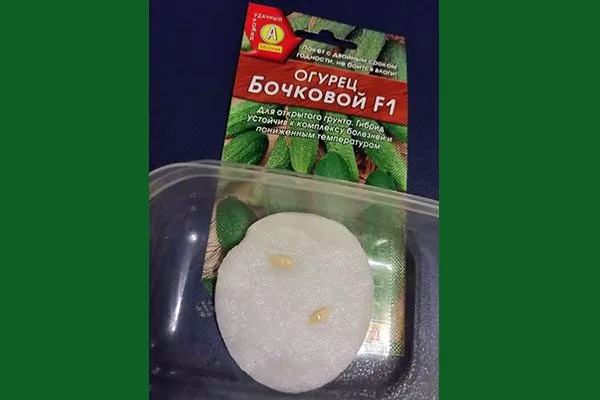
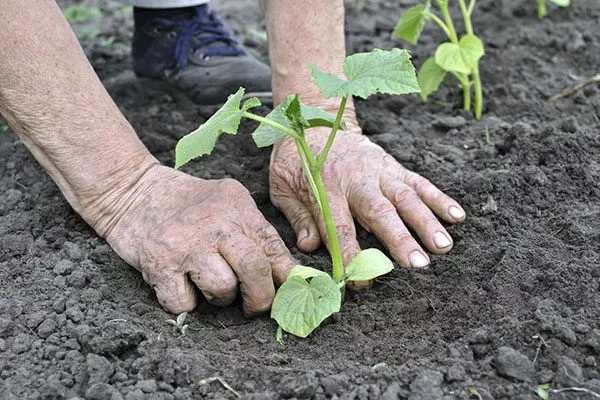
Bochkova cucumbers can be grown using seedlings or by sowing seeds directly into the ground. In temperate climates, seedlings are sown in early May, transplanted a month later, and then sown outdoors in late May, once the threat of frost has passed.
- ✓ The soil pH level should be strictly within 6.0-7.0 for optimal nutrient absorption.
- ✓ The organic matter content in the soil should be at least 4% to ensure sufficient water-holding capacity.
Features of planting the Bochkovoy variety:
- Cucumbers grow best in well-drained, fertile soils with neutral acidity.
- The planting site should be level, sunny, and free of stagnant water, but with good air circulation, otherwise it will be susceptible to various rots and fungal infections.
- Cucumbers are not recommended for planting after melons and gourds. Legumes, nightshades, cereals, onions, garlic, beets, cabbage, and other cruciferous vegetables are considered the best predecessors.
- The soil is prepared in the fall by digging it over, adding manure at a rate of 7 kg per square meter. Acidic soils are deacidified with lime. Dolomite flour or wood ash can also be spread over the area every 4-5 years. In the spring, the soil is dug over again, preparing holes or furrows for planting.
- The seeds are pre-prepared for planting: they are immersed in a saline solution (30 g per 1 liter of water) so that the empty specimens float, then disinfected in a strong solution of potassium permanganate (15-20 minutes), kept in Epin or another growth stimulant, and then germinated, wrapped in a damp cloth.
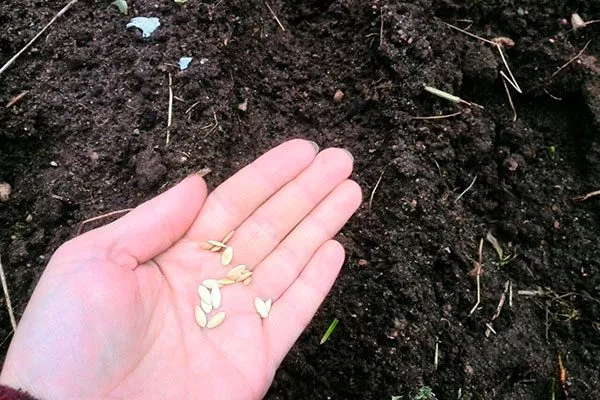
- Seeds can be planted in a staggered pattern, spaced 60-70 cm apart. Place 3-4 seeds per hole. Seedlings are planted in a 40x90 cm pattern. Cucumbers do not like crowding.

- It's recommended to cover the seedlings with plastic film at first, as even in moderate climates, there's a risk of night frosts even in June. You can also cover the seedlings with plastic bottles.
Cucumbers do not tolerate drafts well, so it is recommended to plant tall plants next to them - corn, sunflowers, peas, and others.
Growing and care
The Bochkova cucumber requires standard care: the plants need regular watering, feeding, and staking. This is the only way to obtain high-quality produce in the quantities required by the variety's characteristics.
Care features:
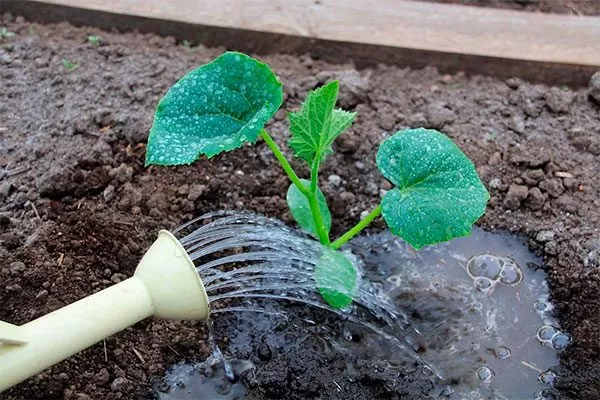
- Cucumbers require regular watering, especially in hot weather. It's recommended to water them every 2-3 days. After watering, loosen the soil and weed the beds. A lack of moisture causes fruit drop and wilting, significantly reducing yield.
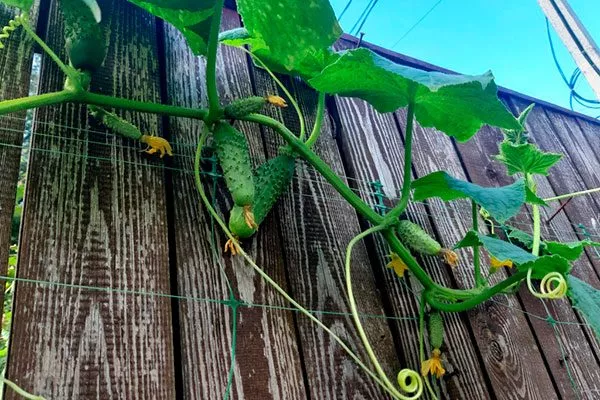
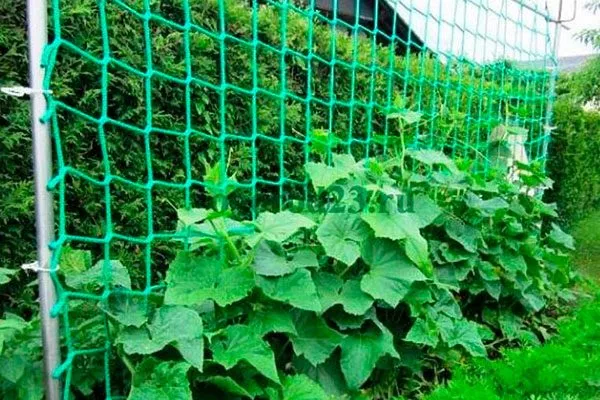
- In open ground, cucumbers are best grown on netting or trellises. Climbing them reduces the risk of disease, as the leaves are well-ventilated, preventing condensation, and each fruit receives sufficient sunlight.
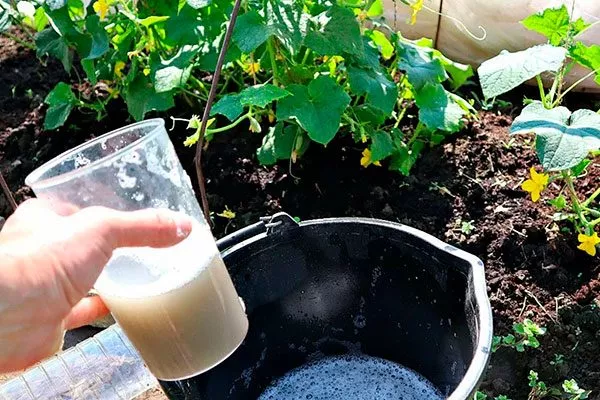
- To replenish the plants' nutrient reserves, add organic fertilizers to the beds, such as cow manure diluted 1:10 in water or chicken manure diluted 1:20. You can also water the cucumbers with a nettle infusion, steeped for 1-2 weeks.
During the flowering period, a second feeding is performed, adding superphosphate and potassium fertilizer. During the fruiting stage, cucumbers are fed again with organic matter, adding urea and potassium sulfate (or humate).
| Fertilizer type | Decomposition period | Efficiency |
|---|---|---|
| Cow dung | 3-4 months | High |
| Chicken manure | 2-3 months | Very high |
| Nettle infusion | 1-2 weeks | Average |
Diseases and pests
This variety has a relatively high immunity, but under adverse conditions, it can be affected by gray or root rot, anthracnose, and other fungal infections. Affected plants are removed immediately, and the remaining ones are sprayed with Fundazol, Topaz, Quadris, or other fungicides.
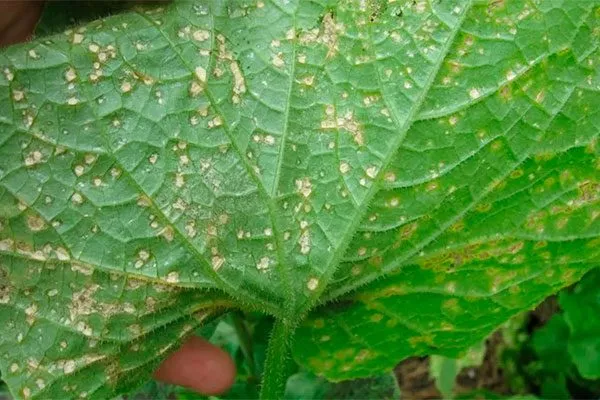
The most dangerous pests for the Bochkovaya variety include spider mites, whiteflies, slugs, melon aphids, and ants. If insects appear, immediately treat the crops with powerful insecticides such as Decis, Fitoverm, Inta-Vir, etc.
How to harvest
Harvesting begins in the central part of the country around mid-July, with the exact ripening time depending on the climate in each region. Cucumbers are harvested approximately every 2-3 days. The more frequently they are harvested, the faster new ovaries form and the greater the yield.
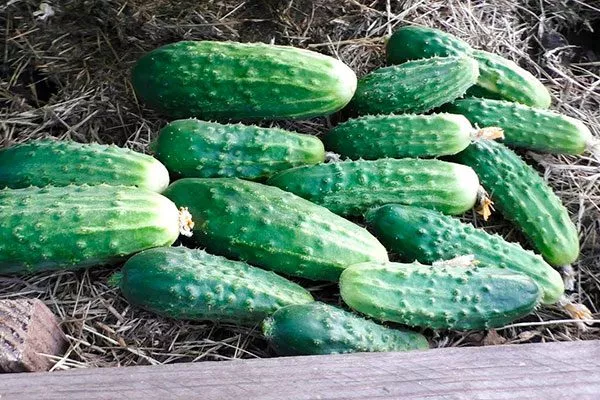
Cucumbers are harvested in the morning, when they retain their firmness longer. It's recommended to cut the fruit rather than pick it, to avoid damaging the vines. Cucumbers can be pickled immediately or stored in a cool place. Refrigeration is recommended at 1 to 2°C.
Reviews
The Bochkovoy variety will certainly appeal to those who grow cucumbers specifically for winter pickling. If you need barrel-sized cucumbers for the winter, this hybrid is just what you need. It's productive and quite hardy, and its pickled fruits are delicious and have a pleasant crunch.