
The Barynya beetroot is one of the most popular and sought-after varieties. It boasts a number of advantages, making it an ideal choice for gardeners and professional agronomists. It is noted for its low maintenance, resistance to adverse conditions, excellent taste, and high yield. Proper care is key.
Breeding history
Official permission to use the variety was received in 2013. The application was submitted at the end of 2010, which demonstrates the thoroughness of the state variety testing.
The applicant and copyright holder is Gavrish Breeding Firm LLC. The project was developed by the firm's director and breeders Amcheslavskaya, Morev, and Volok.
Introduction to the variety
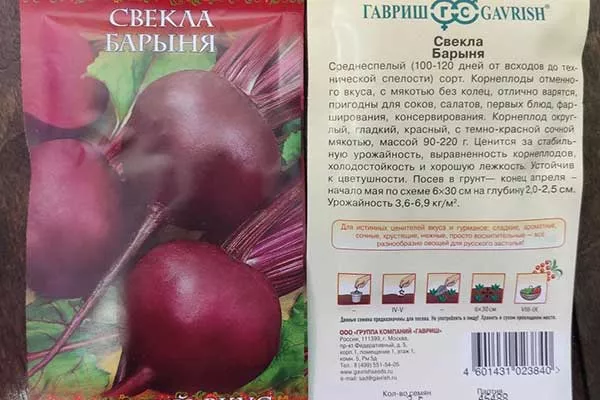
Beetroot 'Barynia' is a relatively young variety that has quickly gained popularity among gardeners due to its good productivity, unpretentiousness, and resistance to common diseases and pests.
Distinctive features of tops and roots
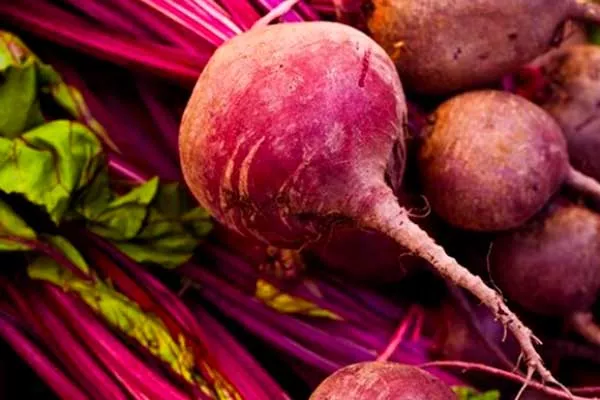
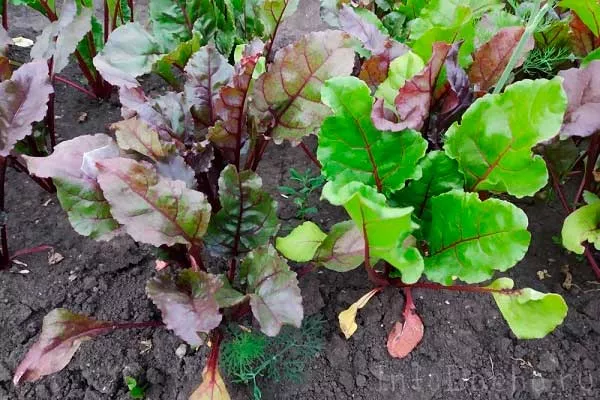
Characterized by a semi-erect growth habit above ground, the leaves are oval, green, and feature distinct reddish veins. The surface is noticeably bubbly, and slight wavy edges are visible upon close inspection.
- ✓ Resistance to bolting even when exposed to low temperatures for a long time in spring.
- ✓ High betanin content in root vegetables, which provides their intense color and beneficial properties.
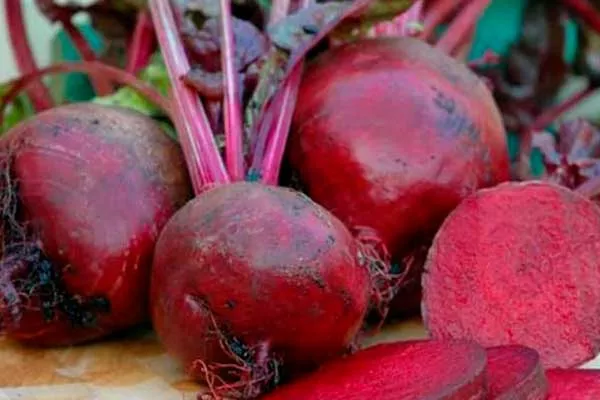
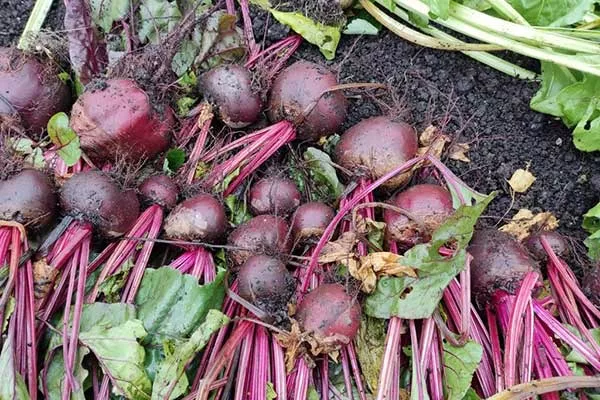
The roots are round, with a smooth red surface. They weigh between 90 and 220 g. The flesh is juicy and a rich, dark red color. The root system is robust, ensuring resistance to adverse conditions.
Taste qualities, purpose
Beets are eaten fresh, preserved, and cooked, which only enhances their culinary qualities. With a dry matter content of 17.4% and sugar content of up to 12.8%, this variety has an excellent taste.
Productivity
Thanks to its excellent productivity, gardeners harvest 3-6 kg per square meter, allowing them to harvest 285 to 590 centners per hectare. If agricultural recommendations are followed, this figure increases significantly.
Suitable climate
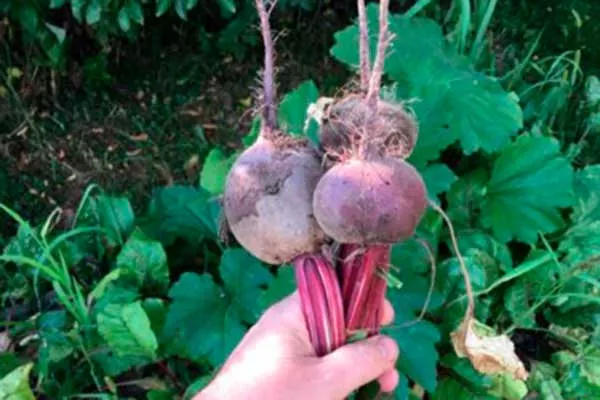
The crop is ideally suited to Russian climate conditions. It is particularly popular among farmers in the Central and Volga-Vyatka regions.
How to plant beets?
This is a popular root vegetable in gardens, prized for its nutritional properties, ease of cultivation, and culinary versatility. To ensure a bountiful harvest, it's important to plant it correctly, following the timing and agricultural recommendations.
- ✓ The optimal soil temperature for sowing Barinya beet seeds should not be below +10°C to ensure rapid and uniform germination.
- ✓ To prevent the accumulation of nitrates in root crops, the last nitrogen fertilizer application should be carried out no later than 6 weeks before harvest.
Sowing dates
They depend on the region and weather conditions. In the temperate zone, the optimal time for planting is late April or early May, when the soil warms up to 8°C. Planting seeds too early can expose plants to frost, which will negatively impact the harvest.
Site selection and soil preparation
Choose well-lit areas with fertile, loose soil. Light loam and sandy loam soils with a neutral pH are ideal.
Get started with the beds in advance:
- In the fall, dig up the soil, remove weeds and add organic fertilizers, such as humus or compost.
- In the spring, loosen the soil again, level it and add complex mineral fertilizers containing nitrogen, phosphorus and potassium.
Avoid acidic areas - beets grow worse in them, the roots become small and lose flavor.
Recommended Predecessors
To ensure a good harvest, plant seeds after crops that don't deplete the soil and aren't susceptible to similar diseases. The best predecessors are legumes (beans, peas), nightshades (potatoes, tomatoes), cucumbers, and greens (spinach, lettuce).
Planting seeds in the ground
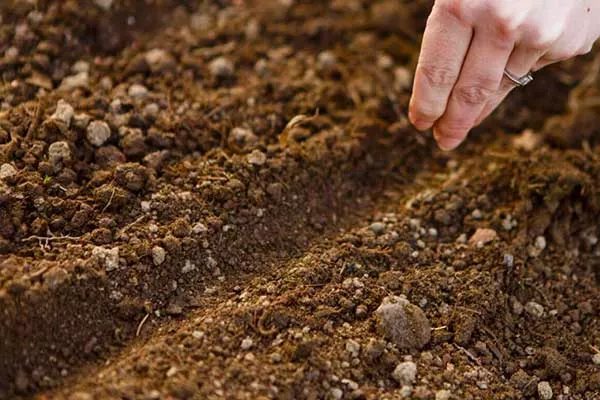
Pre-soak the seedlings in warm water for 24 hours to speed up germination. Then plant them in furrows 2-3 cm deep, keeping a distance of about 25 cm between rows.
Sowing seeds for seedlings
This method allows for an earlier harvest, especially in colder regions. Plant seedlings in seedling trays or individual pots 4-5 weeks before transplanting into the ground. The soil should be light and nutritious.
Plant the seedlings 1.5-2 cm deep, water gently, and place in a warm, well-lit location. Once seedlings emerge, reduce the temperature to 16-18°C to prevent them from becoming leggy. Transplant the seedlings outdoors once the weather has become consistently warm and the risk of frost has passed.
Further care
It's important to care for your plants so they thrive and produce a bountiful harvest. Simple but important agricultural practices will help you grow large, tasty root vegetables.
Watering
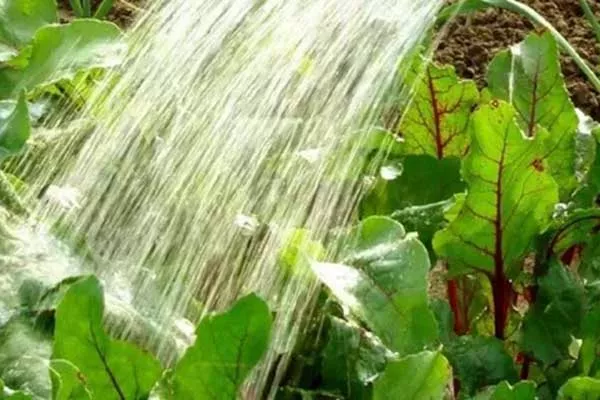
The plant thrives on moisture, so watering should be regular but moderate. Maintain constant soil moisture, especially during the active growth period, to ensure even development and prevent cracking.
Water with warm, settled water, avoiding sudden temperature changes, which can slow plant growth. Water once a week, or every 3-4 days in hot weather. Avoid overwatering, as standing water can lead to root rot.
Top dressing
Promotes the development of large, juicy vegetables. Two to three weeks after germination, apply nitrogen fertilizers to stimulate foliage growth. Subsequently, after four to six weeks, switch to potassium-phosphorus fertilizers to improve development.
Wood ash, superphosphate, or potassium salt are effective. Avoid overdoing nitrogen in the later stages, as this can lead to nitrate accumulation. Apply fertilizer between rows or dissolve it in water for irrigation.
Rarefaction
This is a necessary procedure for the normal development of vegetables. When planted too close together, plants begin to compete for light, moisture, and nutrients, which negatively impacts the quality of the vegetables.
Harvesting, storage
Timely harvesting and proper storage of vegetables are essential steps to ensure they retain their flavor and nutritional value. By following these simple rules, you can enjoy root vegetables until spring.
Follow these recommendations:
- Harvest in dry weather. Carefully dig them up with a pitchfork or shovel, being careful not to damage the surface, as damaged specimens spoil quickly.
- After removing them from the ground, clean off any soil and trim off the tops, leaving 1-2 cm long stems. Do not touch the roots, as this may shorten their shelf life.
- Keep vegetables in cool, humid conditions at temperatures between 0 and 2°C and humidity between 90 and 95%. A well-ventilated basement or cellar is ideal.
- Place them in wooden boxes, layering them with damp sand, sawdust, or peat. This helps prevent drying out and rotting. Plastic bags with ventilation holes are also acceptable.
Check the condition regularly, removing any rotten specimens to prevent the spread of rot. Under the right conditions, the vegetables will remain fresh for a long time.
Control of diseases and pests
Barinya has a strong immune system, making it virtually impervious to diseases and pests. Even in challenging growing conditions, the crop produces good yields.
However, to ensure maximum protection, experienced gardeners recommend taking preventative measures. Soak seeds in a weak solution of potassium permanganate before planting and warm them for 2-3 hours.
If your root vegetables are affected by diseases or pests, begin combating them. The most common pests include beet flies, mole crickets, wireworms, tortoiseshell beetles, and aphids. Use specialized insecticides to control them.
The variety may suffer from the following diseases:
- Bacterial cancer. The following preparations are effective: Fitoverm or Fitolavin.
- Scab. To fight, use Skor, Pureflower and Discor.
- Blackleg. Treat with fungicides or wood ash.
- Red rot. Use Gamair and Alirin-B. Folk remedies won't help with this condition.
- White rot. Carry out treatment with one of the following products: Amur, Absolut and Alpha-Standard.
- Mosaic. The disease is not treatable.
Proper prevention and timely treatment will help maintain the health and productivity of the crop.
Positive and negative qualities
Before planting an unfamiliar variety, it's important to research its advantages and disadvantages. Barinya has many advantages:
The variety's characteristics meet modern standards, and testing results confirm its high quality. No significant negative traits were identified, making it an excellent choice for cultivation.
Reviews
The Barinya beetroot variety meets all gardeners' expectations. It's suitable for commercial cultivation, ripens quickly, and is characterized by good productivity. By following all the proper agricultural practices, you'll be able to grow robust plants that will thrive in your garden, delighting you with bountiful harvests.