
The Azbuka variety of cucumber is distinguished by its excellent productivity and versatility. This cucumber is resistant to a wide range of diseases, making it suitable for cultivation even in conditions of high epidemic risk.
Introduction to the variety
The Azbuka variety begins to yield fruit within 37-40 days after germination. When grown in greenhouses or under plastic covers, the average yield per square meter reaches 12-13 kg. However, with proper care and ideal conditions, a single bush can yield up to 15-20 kg of fruit.
Consider some features of the hybrid:
- It is recommended to harvest the crop when the cucumbers reach the size and color stated by the originators.
- Certain agronomic conditions are essential for successful growth. This variety prefers to be grown in greenhouses or under temporary plastic covers, where ideal temperature and humidity are maintained.
- Alphabet prefers light and moisture, but does not tolerate direct sunlight.
- The variety is distinguished by excellent resistance to cucumber mosaic, cladosporiosis, powdery mildew, and fusarium.
- It is not afraid of temperature fluctuations and does not have any special requirements for agronomy.
- For optimal growing results, it is recommended to plant ABC in fertile areas.
Origin of the variety
The Alphabet is the result of the selection work of specialists from the Manul Seed Breeding and Seed Company, and was presented to the public in 2007.
Such scientists as Borisov Alexander Vladimirovich, Krylov Oleg Nikolaevich, Orekhova Elena Anatolyevna, Krylova Tatyana Ivanovna, Goryachenkov Alexander Vladimirovich and Vostrikova Olga Rostislavovna took part in the development of the variety.
Features of bushes, fruits, taste
Azbuka cucumbers are distinguished by a robust root system, which ensures their stable establishment in the soil. The sturdy stems have a twisting growth habit and can reach a height of 180-200 cm.
Please also pay attention to other varietal characteristics:
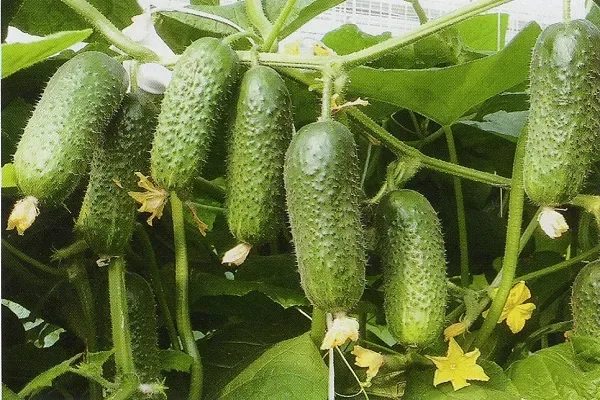
- The leaves of the Alphabet are small, bright green and shiny.
- The bush is characterized by continuous growth and a medium number of branches. Flowering occurs on female buds, each node of which produces three or more ovaries.
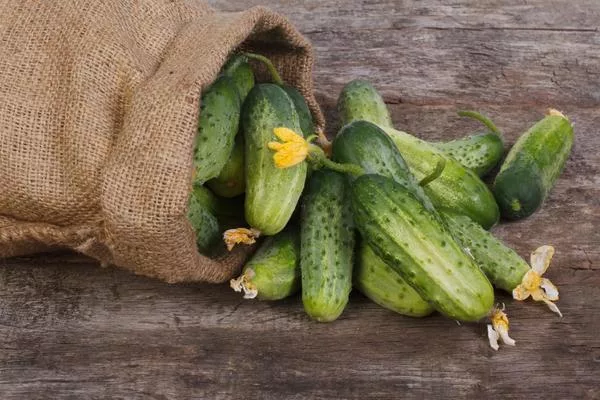
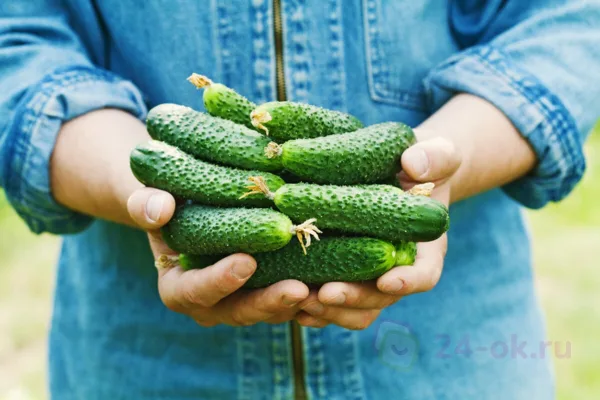
- The fruits of the ABC are gherkins, ranging in length from 8 to 12 cm and diameter from 3 to 4 cm, while their weight reaches 100 g on average.
- The surface is covered with large tubercles, not too densely located, and the spines have a dark shade.
- The fruits have a cylindrical shape, which is elongated lengthwise and is colored green.
- The skin is crisp and free of bitterness. It's so thin that it doesn't cause discomfort while eating.
- Cucumbers are full of juiciness and tender texture.
- The seeds are small and almost invisible.
- The taste of this cucumber variety is magnificent – it has unique fresh notes and a rich aroma.
- The hybrid is versatile, suitable for a wide variety of dishes. Small cucumbers are ideal for pickling, preserving, and marinating. Azbuka easily serves as an ingredient in fresh salads, appetizers, juices, and cocktails.
- ✓ Resistance to temperature fluctuations without loss of productivity.
- ✓ Ability to continuously grow and bear fruit under optimal conditions.
Growing and care
When growing this cucumber variety, special attention must be paid to the quality and composition of the soil. Azbuka grows best in medium-density soil with high aeration.
- ✓ The optimal soil temperature for sowing seeds should not be below 14°C.
- ✓ To prevent diseases, it is recommended to use only rotted manure, not fresh.
Requirements
This is a warm-demanding plant. When temperatures drop below 14-16 degrees Celsius, the bushes become stunted and stop growing. For this reason, they are often grown under protective shelters, even as early as early summer. This shelter not only creates favorable growing conditions but also protects the plants from intense sunlight.
Other rules:
- For normal seedling development, it is recommended to use phytolamps to heat and accelerate seed growth.
- Optimally, the soil is rich in nutrients, has sufficient looseness, is able to effectively retain moisture, and is characterized by a neutral degree of acidity.
- Cucumbers especially love soils enriched with organic matter, such as rotted manure or humus.
Sowing and transplanting
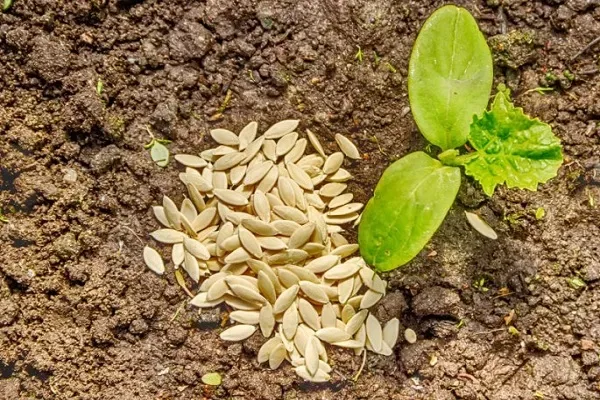
A month before the planned transplanting into open ground, the process of sowing and growing cucumber seedlings begins. To stimulate rapid germination, it is recommended to pre-soak and germinate the planting material.
When planting seedlings or sowing seeds in beds, the following features must be taken into account:
- Place 5 to 7 cucumber plants per square meter.
- On the day of sowing, make holes 2 to 4 cm deep, placing them at intervals of 60 cm (when planting in a garden).
- Moisten the holes thoroughly with water. Then carefully place two seeds in each hole, then lightly cover with soil.
- To protect plants from pests and insects, the soil can be lightly covered with a mixture of red and black pepper.
- The planting pattern for cucumber plants is as follows: the distance between rows is 60-70 cm, and the span from bush to bush is 25-35 cm.
Care procedures
Regularly staking cucumber shoots is key to their healthy growth. This can be done using trellises, barrels, or by planting tall plants nearby, such as corn and sunflowers. When the cucumbers have 6-7 leaves, it's recommended to pinch off the top of the main stem, which stimulates the growth of side shoots and increases fruit production.
What else is important to do:
- Fertilize the bushes 5-6 times throughout the growing season. Apply the first treatment when the plant's second true leaf appears, then apply subsequent treatments at the beginning of bud formation and then every two weeks during fruiting and ovary formation.
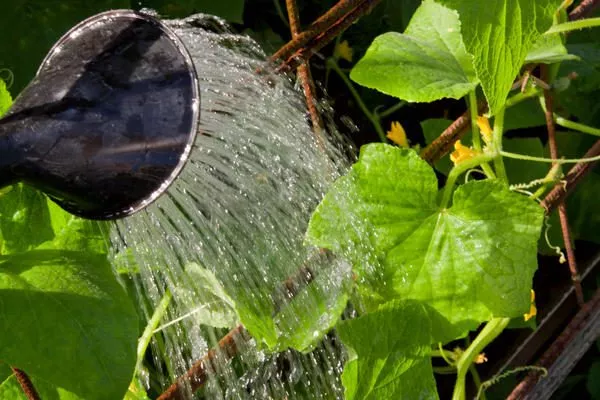
- Watering cucumbers is best done with warm water. The optimal time for this procedure in open ground is after 6:00 PM, and in a greenhouse between 4:00 AM and 9:00 AM. Before flowering, cucumbers need watering every 6-9 days, and twice a week during the fruiting period.
It is important to direct the water in such a way as to avoid it falling on the leaves and stems, which can cause sunburn.
Collection and storage
Once the cucumbers reach their optimal size and ripeness, they should be carefully harvested. Sharp garden shears are ideal for this, as they will help cut off the stem, leaving a small stump. This method helps the cucumbers retain their freshness and shape better during storage.
Place the harvested cucumbers in plastic or glass containers and refrigerate, maintaining a temperature of around 10 degrees Celsius (50 degrees Fahrenheit). Under these conditions, the cucumbers will retain their excellent quality for one to two weeks.
Reviews
The Azbuka variety is an ideal choice for those seeking a quick and bountiful harvest of delicious cucumbers. By following the variety's simple growing guidelines, you can enjoy fresh, flavorful fruits for a long time.