
Aventura F1 is the name of an ultra-early, high-yielding cucumber hybrid popular with Russian gardeners. It's beloved for its comprehensive resistance to vegetable diseases, ease of care, and stress tolerance. It's grown in open garden plots and in protected soil conditions (unheated plastic greenhouses and hotbeds).
Introduction to the variety
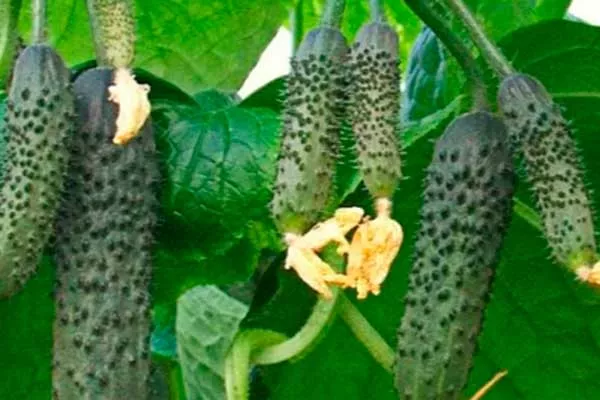
Aventura is a striking example of a parthenocarpic cucumber variety. Its bushes are characterized by female flowering. They do not require the assistance of pollinating insects to form fruit. They are self-pollinating, bearing fruit evenly in clusters of 2-4 cucumbers each.
Originators
The hybrid is of foreign origin. Its development was a joint effort between Japanese, Dutch, French, and German breeders. They succeeded in producing a high-yielding, disease-resistant variety suitable for cultivation in any climate. It is also used for commercial cultivation.
External characteristics of the plant and cucumbers
Aventura bushes are indeterminate, with a main stem reaching 2.5-4 meters in length. They belong to the generative type of development, where the plant devotes all its energy not to growing foliage, but to fruit production. They are characterized by the following characteristics:
- low degree of branching;
- short internodes;
- medium-sized foliage, distinguished by its light green color and horizontal orientation;
- bright yellow flowers (all of them are female).
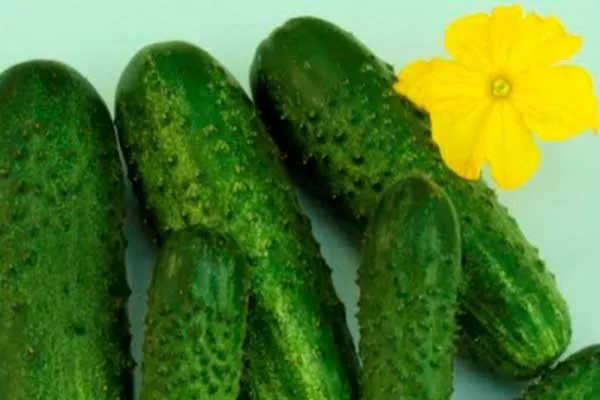
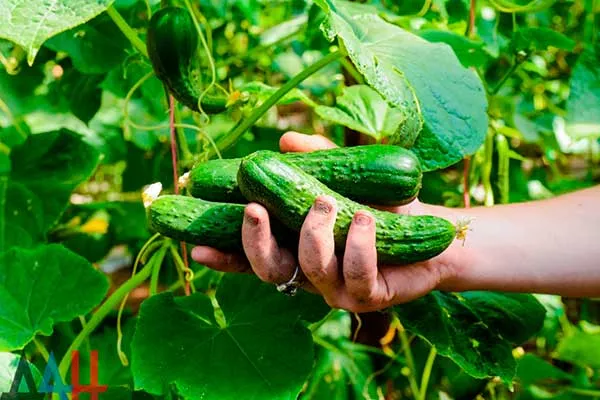
The hybrid yield is uniform in size and shape and has high commercial quality. It is harvested at the pickle and gherkin stage. The fruits have the following characteristics:
- length - 10-12 cm;
- diameter - 3.5-4 cm;
- weight indicator - 90-110 g;
- regular shape, close to a cylinder;
- with dark green skin with a pattern of lighter stripes, large, bumpy and with frequent arrangement of tubercles;
- is white-spined;
- with yellowish-green flesh, dense, crispy, juicy, not prone to the formation of voids in it.
Taste and purpose
Aventura gherkins have excellent flavor. Their flesh is slightly sweet, has a classic refreshing note, and is not at all bitter. They are delicious fresh and pickled/salted.
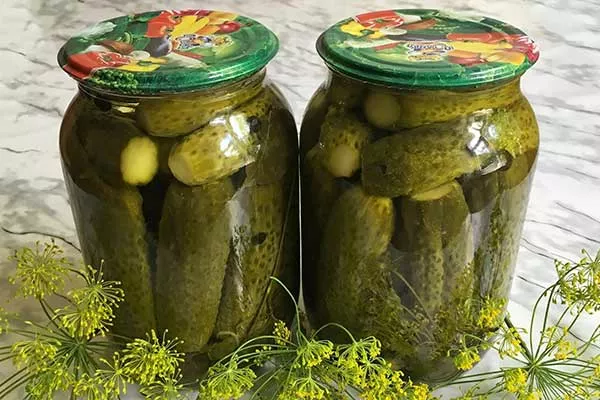
The purpose of the fruits of the hybrid cucumber is universal:
- they are eaten fresh without heat treatment;
- added to summer vegetable salads, soups such as rassolnik and okroshka;
- salt;
- canned.
Composition, benefits
Cucumber is a low-calorie vegetable (15 kcal/100 g). It contains virtually no fat or protein. Its pulp contains 3.63 g of carbohydrates, which are rich in dietary fiber and water. Nutritionists highlight the following as valuable components of the Aventura gherkin:
- vitamin K, which is responsible for blood clotting;
- ascorbic acid, which provides general strengthening of the body;
- tocopherol (a beauty vitamin responsible for the health and youth of the skin);
- B vitamins that help convert food into energy, break down proteins and fats, ensure cell regeneration, and ensure the normal functioning of the nervous and cardiovascular systems;
- minerals, in particular potassium, magnesium, phosphorus, calcium.
By eating gherkins of this hybrid variety, you will experience many healing effects:
- improved appetite;
- stimulating digestion;
- removal of toxins;
- getting rid of bad cholesterol;
- nutrition and improvement of intestinal microflora;
- solution to the problem of constipation;
- beneficial effect on the functioning of the heart, kidneys, and nervous system;
- removal of excess fluid from the body, reduction of swelling;
- Lowering blood sugar levels thanks to an enzyme found in cucumber that has an effect similar to insulin.
When ripe, the yield
This hybrid cucumber belongs to the category of early-ripening varieties. Its bushes begin to bear fruit 36-43 days after germination. They produce fruit uniformly, delighting gardeners with their high yields—9 to 16 kg of fruit per square meter.
The Aventura cucumber harvest is shelf-stable and transportable. Its firm fruits retain their marketable appearance and excellent flavor during long-distance transport, making them popular for commercial cultivation by agribusinesses and farm owners.
Positive and negative qualities
This hybrid variety of vegetable crop has become popular among domestic gardeners and farmers due to its many advantages, such as:
The foreign cucumber hybrid also has its disadvantages:
Landing features
Domestic gardeners cultivate hybrid cucumbers in 2 rotations in protected soil conditions:
- spring;
- summer-autumn.
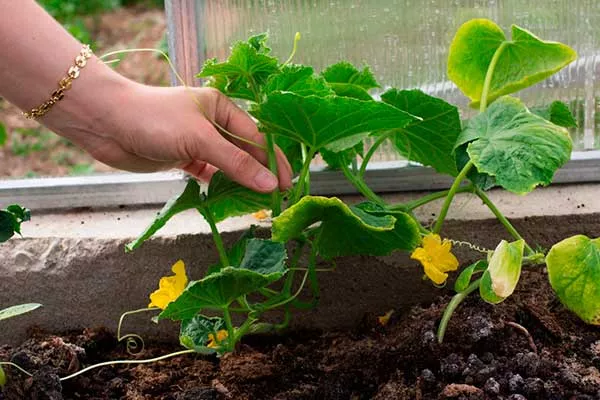
They also grow it in open beds in the southern regions of the country, yielding one harvest per season. They do this using seedlings or by direct sowing of seeds into the garden soil. The following timing is observed:
- March, April – sowing for seedlings;
- April, May – transplanting seedlings into the garden bed;
- second half of May, beginning of June – sowing seeds in garden soil (growing in an open area of the garden).
Experienced vegetable growers prefer growing Aventura cucumbers from seedlings for the earliest possible harvest. Keeping the seedlings indoors in spring and early summer provides them with the warmth they need for growth and development and protects them from the harmful effects of direct sunlight.
Selecting a site
The hybrid variety of vegetable is characterized by increased demands on the following 3 cultivation conditions:
- warm;
- moisture;
- soil fertility.
Keep this in mind when choosing a plot in your garden for cucumber planting. It should be level, sunny, with loose, nutritious soil that is moderately moist and neutral in pH. The hybrid grows best in sandy loam and loamy soil, fertilized with organic matter in the fall.
| Predecessor | Recommendation | Cause |
|---|---|---|
| Tomatoes | Recommended | There are no common diseases |
| Cabbage | Recommended | Improves soil structure |
| Pumpkin | Forbidden | Common diseases and pests |
| Potato | Acceptable | Neutral precursor |
| Legumes | Recommended | Enriches the soil with nitrogen |
Prepare the area for planting Adventure seedlings or seeds step by step:
- In autumn, dig up the soil to a depth of 25-30 cm.
- Clear away weeds and plant debris.
- While plowing, add manure to improve soil fertility.
- In the spring, loosen the soil again. Level it and make planting furrows or holes. The row spacing should be 60 cm. The distance between planting holes should be 40-50 cm.
How to grow seedlings
To obtain seedlings of the Aventura hybrid, follow these steps:
- Choose the right container—individual cups with drainage holes in the bottom or peat pots. By avoiding growing seedlings in a shared container, you'll avoid the need for transplanting, which can be detrimental to the roots.
- Fill the planting container with light, loose, and fertile soil. A general-purpose commercial potting mix will do.
- Prepare the seeds for sowing. Proper treatment will promote rapid germination and protect the plants from infection. Soak the seeds in a growth stimulant solution. Then germinate them.
- Plant the seeds to a depth of 2 cm. Water the crops and cover them with film.
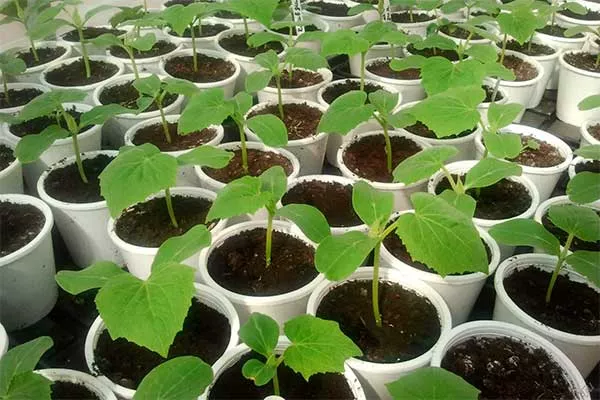
Grow seedlings at a temperature of at least 25°C. Once the seedlings emerge en masse, reduce the temperature to 15°C. Provide the seedlings with plenty of light using a grow light and water regularly.
Planting seedlings in beds
Transplant seedlings to the garden bed when they are 20-25 days old. First, wait until the soil warms to 10-12°C. Follow the Aventura hybrid seed manufacturer's recommended planting density of 3-5 plants per square meter.
Agricultural technology rules
For seedlings planted in the garden bed, carry out care consisting of the following activities:
- WateringWater young plants once every 4 days. Maintain a water consumption rate of 4-5 liters per square meter of bed.
During flowering, water the bushes once every two days. The water consumption remains the same: 4-5 liters per square meter. Avoid getting the flowers wet.
When fruit sets, increase the watering rate to 10-12 liters per square meter. Moisten the soil under the plants once every 2 days.
Water in the evening. Use settled, sun-warmed water (24°C). - Loosening the soil of a cucumber bedPerform this procedure every time after watering or rain. Work the soil shallowly and carefully, avoiding the plant roots. Combine loosening with removing weeds that interfere with proper crop development.
- Top dressingTo compensate for nutrient deficiencies at different stages of crop development, fertilize the plant. Apply nutrient solutions 4-5 times during the growing season.
Apply the first root feeding after the seedlings have 2-3 true leaves. Use calcium nitrate. Apply it dry. Apply 1 kg per 100 sq. m.
Subsequent fertilization of cucumber plants should be carried out using foliar feeding. Use complex formulations with a full range of rapidly soluble macro- and microelements.
Spray the plants for the first time before fruit sets. The liquid fertilizer should contain nitrogen, phosphorus, potassium, magnesium, and calcium.
The last feeding should be carried out 1 month before harvesting.Type of feeding Deadline for submission Recommended fertilizers Consumption rate Root 2-3 true leaves Calcium nitrate 1 kg/100 m² Foliar Before flowering NPK+Mg+Ca 50 g/10 l of water Foliar Mass flowering Boric acid 0.1% 10 g/10 l of water Foliar The beginning of fruiting Potassium nitrate 30 g/10 l of water Use complexes with the same set of microelements.
- Formation of the bushDo this according to the classic scheme, leaving side shoots and pinching the top when it reaches the neighboring plant.
When to collect and where to store?
Pick ripe Aventura fruits at the pickle or gherkin stage.
Harvest schedule
- Morning hours (6-9 am) are the optimal time for collection
- First 2 weeks: every 2 days
- Peak fruiting: daily
- End of season: every 3 days
Don't let them outgrow. Collect them every other day or daily.
Reviews
Aventura F1 is a popular imported hybrid that has won over domestic gardeners with its resilience, comprehensive immunity to major vegetable diseases, high yield, and the ability to grow twice a season. Proper care is sufficient to ensure abundant fruiting.