
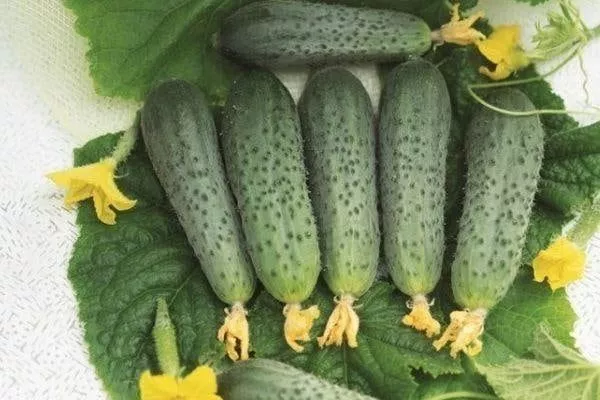
Athos F1 is a hybrid belonging to the group of parthenocarpic species. This variety is characterized by good tolerance to sudden temperature fluctuations and can survive short periods of drought without loss. Athos F1 is an early-ripening variety and has the unique ability to produce two harvests in a single season when grown in greenhouses or in the south.
Who developed the variety and when?
Atos F1 is an innovative breeding project by the agro-industrial company "Poisk," which operates extensive test fields in the Moscow region. This variety was created by a small but expert team of three breeders: S. V. Maksimov, N. N. Klimenko, and O. V. Baklanova.
The process of registering the hybrid in the State Register of the Russian Federation began with the filing of an application in 2006. However, official permission to cultivate this variety was only received two years later, after all the necessary variety testing had been completed, confirming the original characteristics of the hybrid as stated by its creators.
Introduction to the variety
Cucumbers are ideal for growing under temporary plastic structures, but they can also be planted outdoors. Gherkins are frost-resistant and also tolerate heat and drought well. If you forget to harvest them on time, they will retain their quality for up to two weeks, continuing to grow on the vine without losing their flavor.
Distinctive differences in the appearance of the plant and cucumbers
This variety is distinguished by its tall, bushy growth. The hybrid features spreading, continuously growing plants with moderate branching. Other varietal characteristics:
- The stems are strengthened – they are capable of supporting up to 16-20 ripe cucumbers at a time.
- The average height of the bushes is 160-200 cm. Due to the fact that the bushes can grow strongly, they must be planted with sufficient distance between them.
- The bushes are dominated by female flowers; the number of flower buds in the ovary ranges from 3 to 5 units.
- The plant's leaves are wide and triangular in shape, and their color is rich green.
- The species is distinguished by its unique cluster fruiting, where several ripe fruits form in one axil.
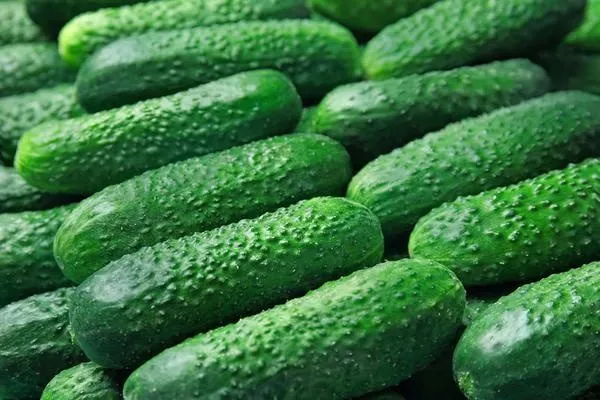
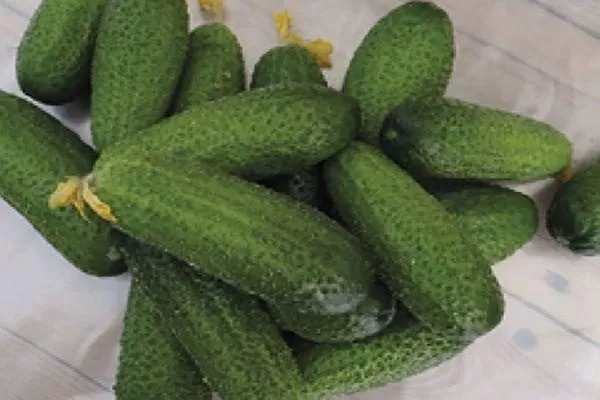
- These fruits are characterized by firmness, increased juiciness and a dark green color.
- The pulp of the fruit is compacted, free of voids, and inside it are small snow-white seeds.
- The peel of the fruit is of medium thickness, without any bitterness.
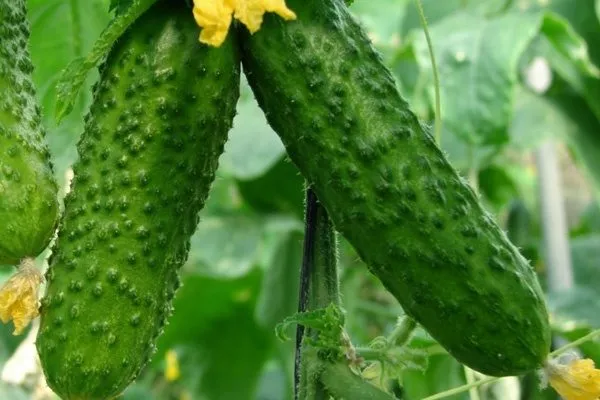
- Small blackish spines extend across the surface of the cucumbers. Short white stripes up to 2 cm long extend from the top of the fruit.
- The weight of one vegetable ranges from 80 to 100 g, and its length reaches 7-10 cm.
This variety's flavor is not bitter, making it ideal for canning and pickling. Furthermore, the fruit can also be enjoyed fresh.
When ripe, the yield
The Athos cucumber is characterized by rapid growth: from the moment shoots emerge to their full maturity, it takes an average of 39 days, making this variety one of the earliest. The yield is impressive – reaching 12 kg per square meter, significantly exceeding that of many other domestic and foreign cucumber hybrids.
Seed producers
Atos cucumber seeds are widely available. They can be purchased at various seed stores and from growers, including the following agricultural companies:
- "Search";
- "Russian gardener".
Advantages and disadvantages
This variety is self-fertile, but also attracts bees, which improves pollination. Key benefits of this crop include:
Among the disadvantages, it's worth noting the need for frequent fertilization and watering. Furthermore, it's impossible to collect seeds from this variety, as it's a hybrid. Consequently, the planting material doesn't retain the varietal characteristics.
Planting cucumbers Athos F1
To ensure Athos cucumber seedlings develop quickly, create suitable conditions—choose a well-lit location where direct sunlight won't damage them. If daylight isn't sufficient, use additional artificial light sources.
Deadlines
The Athos variety is recommended for sowing seedlings from March 20 to May 15, with the exact timing depending on the chosen cultivation technology:
- If you use the greenhouse method, the seeds should be sown in March.
- In April, starting from the middle of the month, they begin planting gherkin seeds, when it is assumed that the seedlings will be covered with non-woven or film material.
- For growing cucumbers in an open garden, the sowing period is moved to mid-May.
When planting Atos seeds directly in the ground, it's important to consider local climate conditions. The ideal soil temperature for sowing is 15-17°C. Low temperatures and high humidity can cause the seeds to rot, while late sowing during hot and dry weather can result in stunted growth and even death of cucumber crops.
Site preparation
Planning the placement of vegetable gardens on a plot helps prevent diseases and reduced soil fertility. The basic principles of crop rotation include:
- selection of plants that help reduce soil acidity;
- preventing the cultivation of crops susceptible to the same pests as cucumbers;
- Optimal predecessors for cucumbers are legumes, cabbage, onions, tomatoes, and carrots.
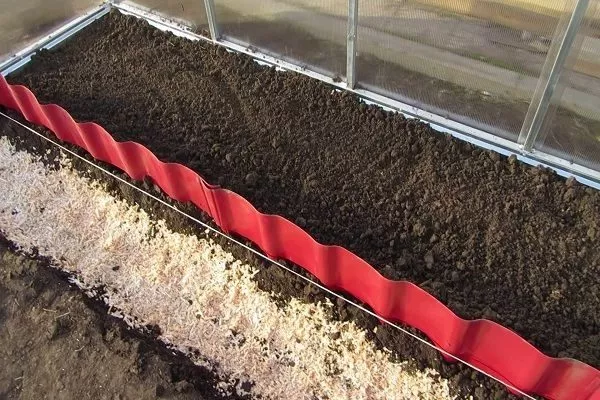
The best location for cultivation is an area with sufficient sunlight and protection from strong winds. Before planting cucumbers, it's necessary to add organic matter and dig the soil to a depth of 25 to 35 cm.
Planting seeds
Athos seeds are sown so that they are evenly spaced. Growing seedlings requires considerable effort, but this method is justified in areas with unstable or cool climates. The use of heated greenhouses helps speed up the production of the first seedlings.
Before you start planting cucumbers, you need to prepare their planting material:
- To determine which seeds are germinating, soak them in a salt solution or a weak solution of potassium permanganate for 10-20 minutes. Any seeds that float to the surface are discarded.
- The surviving specimens undergo a hardening process and are treated with a special stimulant to accelerate growth.
- After this, they are placed in a damp cloth to hatch.
- Sprouted seeds are placed in pots or other containers, planted to a depth of 2.5-3 cm.
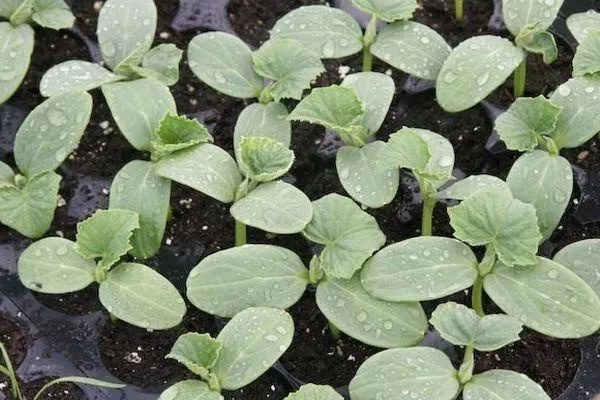
Caring for seedlings
At the beginning of acclimatization, the plant does not require watering. To prevent it from drying out, it is recommended to mist its foliage with water several times a day. The liquid should be warm, but not boiling. Further steps include the following:
- As the seedlings adjust, switch from misting to regular watering. After each watering, lightly loosen the soil to provide oxygen to the root systems.
- While waiting for seedlings to emerge, the room temperature should be at least 25-27°C. As the plant grows, slightly lower the temperature to 21-22°C.
- When the first leaves begin to appear on the plant, the process of adaptation to harsher conditions begins. To do this, move the seedlings outside, starting with 5 minutes and then gradually increasing the time to several hours.
Transplanting seedlings
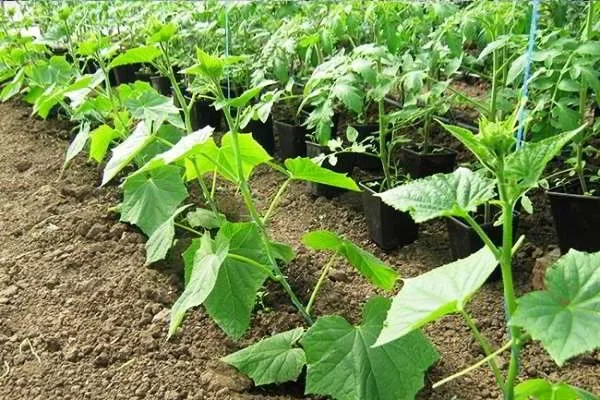
When daytime temperatures become favorable, the variety is ready to be transplanted to its permanent location. Transplant carefully to avoid damaging the root system. Water the seedlings with warm water and protect them from unexpected frosts using covers made of non-woven fabric or plastic film.
Planting diagram
The classic method of sowing cucumbers in the ground:
- the depth for planting seeds is from 2 to 3 cm;
- the interval between each seed is 25-35 cm;
- width between rows – 65-75-80 cm.
Caring for Atos F1 cucumbers
Caring for Atos F1 cucumbers requires special attention to humidity levels. These vegetables tend to dry out quickly, so they need regular watering. Other care measures are also essential.
Features of water application
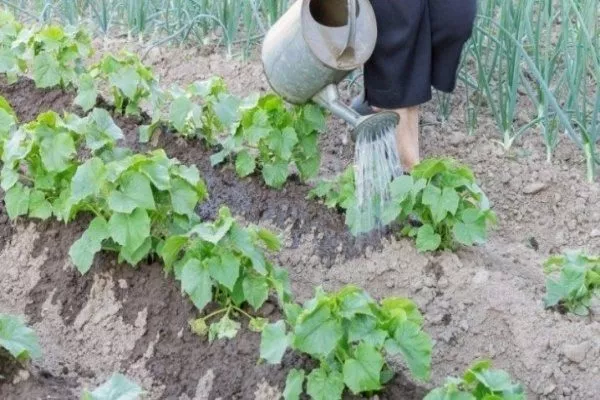
It is recommended to water cucumbers once a day, either in the morning or every other day, using settled water at a temperature of at least 20-23°C. Using cool water increases the risk of gray mold. It is important to avoid allowing the soil to dry out completely and not overwater the seedlings, which can lead to root death.
For optimal irrigation of Atos f1 cucumbers, the following recommendations should be followed:
- Water only the root system to keep the soil around the plant moist.
- Spray stems, leaves and fruits using drip irrigation to minimize the risk of diseases such as olive spot and bacterial blight.
- In case of excessive heat and drought, water the bushes twice a day.
Subtleties of fertilizing
When growing parthenocarpic cucumber varieties, starting from the early growth stage and continuing until the fruit ripens, adjust the nutrition with three to four additional feedings. A mixture of mineral and organic fertilizers is recommended. When to feed:
- first top dressing occurs at the two-leaf stage;
- second – for a period of 11-14 days after the first or a couple of days before transplanting seedlings.
For top dressing, dry cow manure dissolved in water at a ratio of 1:10 or bird droppings diluted at a ratio of 1:20 are most often used. Let these substances sit for 4-6 hours, then use the resulting solution to irrigate seedlings (200 ml per group of 5-6 plants) or under each mature bush (500-700 ml).
Before applying fertilizer, make sure the substrate is well-saturated with water. Avoid contact with leaves and fruits.
How to shape bushes?
The procedure for removing apical shoots is called pinching or side-sonning. All stems above the third and fourth leaves of a young plant are removed, which helps strengthen the root system.
If the bush is moderately branched, it is recommended to trim the top of the main axis. However, if the bush is already actively bearing fruit, pinching out the side shoots is not necessary.
Hilling
Every one and a half to two weeks after watering, hill up the bushes, carefully loosening the soil to a depth of 3 cm (+/- 1 cm) to avoid damaging the root shoots. Combine this with weeding.
Support and tying of plants
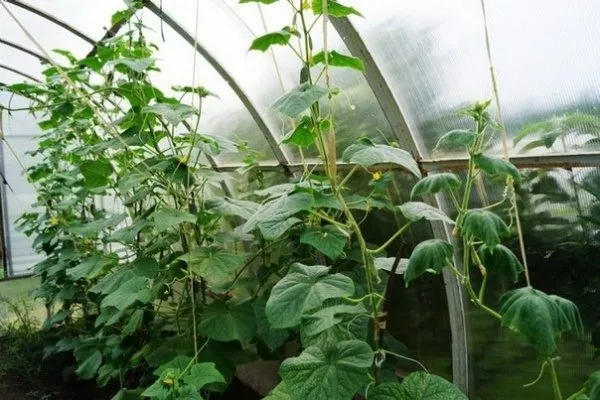
The Athos F1 variety has long stems that can spread over long distances. Therefore, they need to be secured. Tie the main shoots to vertical supports. These measures also help increase yield. It is recommended to use disinfected tools when handling the plants.
There are several methods for tying up Athos cucumbers:
- a plastic or nylon mesh is mounted on the support, and the main stem of the plant is fixed vertically;
- when forming a bush from two shoots, use a V-shaped support;
- Each shoot is tied individually using twine or thread.
When supporting the bush, try to create conditions as close to natural as possible for the bush to grow. The fragile stems of Athos cucumbers are vulnerable to damage from rough materials. When tying the shoots, avoid applying excessive tension.
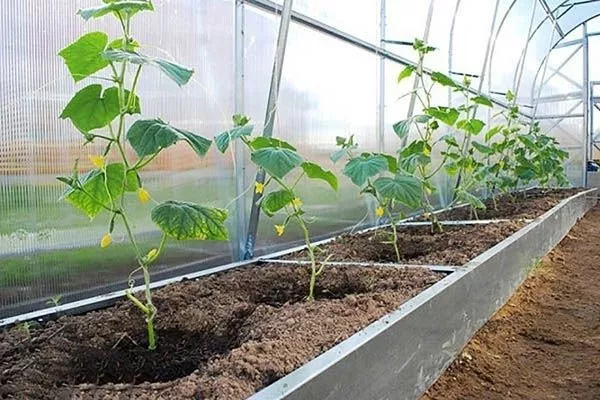
Features of growing in a greenhouse
The most commonly used types of greenhouses are heated greenhouses and film-covered structures. Their features include:
- A heated greenhouse is a dug pit or depression filled with organic material such as manure, humus, or compost. The recommended depth of such a pit is 45-55 cm, and its shape resembles a cone with a cut-off top.
Logs are laid along the dug trench, secured in the center with planks. An insulating layer is placed on the bottom of the pit, followed by an even layer of organic material. The trench is covered with mats or frames. After five days, when the material has compacted slightly, another layer of manure should be added, and then covered with soil. - A greenhouse covered with film is similar to a hothouse, but uses a covering material to protect it from the weather. Special metal structures are installed to support the film. When the soil temperature reaches 17-18 degrees Celsius, you can begin planting cucumbers.
Traditionally, a 90-100 x 40-50 cm spacing is used for sowing in greenhouses. Other spacing options also exist:
- two-line layout 80x60x35 cm;
- single-line – 70x35 cm.
The distance between plants should be 150-170 cm, and between rows – 50-70 cm. Important features of greenhouse cultivation:
- The optimal planting method is a trellis. This involves installing wooden posts with mesh or wire stretched between them. Over time, the plant spreads and twines around the structure.
- The best time to plant seeds of the Athos F1 variety is from April 20 to May 10.
- It is necessary to thoroughly disinfect and ventilate the greenhouse before planting.
- It's important to avoid excessive humidity. The optimal temperature is 27-29 degrees Celsius, and humidity is 90%.
- Weeds appear in the greenhouse at an incredible speed, so they will need to be removed in a timely manner.
- Watering should be as regular as outdoors.
- After each watering, loosen the soil.
- Mulching is recommended. Both organic and inorganic materials can be used as mulch.
Harvesting and storage of crops
It's best to harvest ripe cucumbers in the morning, when they're still firm. To maintain their juiciness and prevent stunted development, harvest them every two to three days. This also helps prevent overloading the plants, which can break under the weight.
Key nuances:
- Cucumbers are cut using sharp knives or scissors, previously treated with alcohol.
- Leave a small portion of the stalk on the fruits – about 2-2.5 cm.
- To extend the shelf life of cucumbers, it's important to disinfect the basement walls to kill dangerous pathogens. Lime is used for this purpose.
- Before storing cucumbers, they should be carefully checked for damage and blemishes.
- It is not recommended to wash them before placing them in the refrigerator or cellar, so as not to remove the protective film on the skin that prevents rotting.
- It is important that the basement is cool, with high humidity and good air circulation.
Diseases and pests
Cucumbers are one of the most disease-sensitive vegetables. Although hybrid seeds of the Atos F1 variety are resistant to certain pathogens, they are not completely free from the risk of infection.
The main causes of diseases are sudden temperature fluctuations, excessive use of nitrogen fertilizers, fungal spore residues in the soil, and plant waste.
To prevent diseases, the following is recommended:
- organize crop rotation correctly;
- ensure timely removal of plant debris and weeds;
- carry out disinfection of soil, tools, greenhouses and hotbeds;
- ensure adequate ventilation of greenhouses;
- Maintain regular watering using warm water.
Unfortunately, no plant can escape pests. Chemicals can be used as a preventative measure, but many farmers avoid such drastic measures, so a thorough inspection of the plants is all that's left.
If any pest is detected, it is necessary to begin combating it immediately, otherwise the threat of crop loss becomes real.
The funds include:
- hot red pepper infusion;
- garlic tincture;
- soap solution;
- sugar and boric acid based traps;
- chemical insecticides.

Reviews of Atos F1 cucumbers
Athos is an excellent choice for those who don't want to spend time on complex vegetable growing processes, as this variety is easy to care for. The fruits have a pleasant, juicy flavor without any bitterness. The only problem is that you can't collect seeds for future planting, so you'll have to buy new ones every year.