
The Athlete cucumber is one of the most popular hybrids among gardeners. Known for its high yield, disease resistance, and low maintenance, it has proven itself a reliable solution for a variety of growing conditions, including greenhouses and open fields. It's important to provide the crop with proper care and a little attention.
Introduction to the variety
The hybrid is characterized by shade tolerance and a long fruiting period. It is recommended for commercial cultivation, including winter-spring rotation.
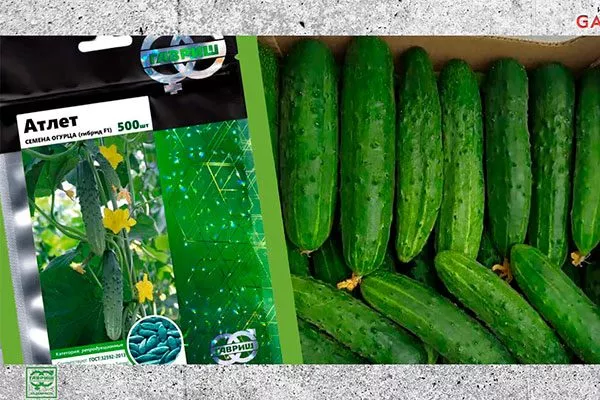
Originators
Developed by Russian breeders at the Gavrish agricultural firm in Moscow in 1999, the variety underwent several years of testing to determine the optimal growing conditions, care, and yield for this variety. In 2002, it was added to the State Register and approved for cultivation in many regions of Russia.
External characteristics of the plant and cucumbers
Tall bushes reach 3-3.5 meters in height. They are characterized by strong stems and dense foliage. Both female and male flowers are present, with the former predominating. Large, rich green leaves are located on the shoots.
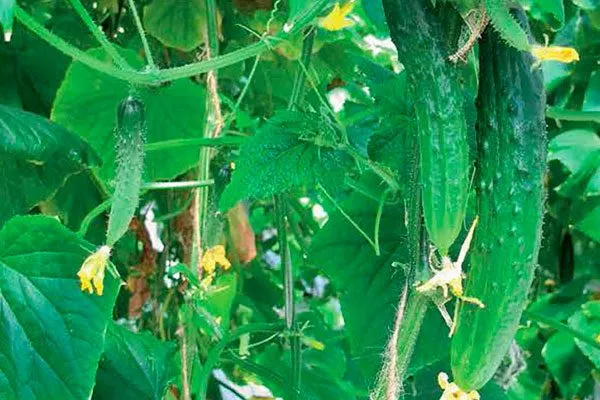
Distinctive features of cucumbers:
- Form - cylindrical.
- Peel – shiny, dark green, with barely noticeable white stripes and clearly defined tubercles along its entire length.
- Weight - 150 g and more.
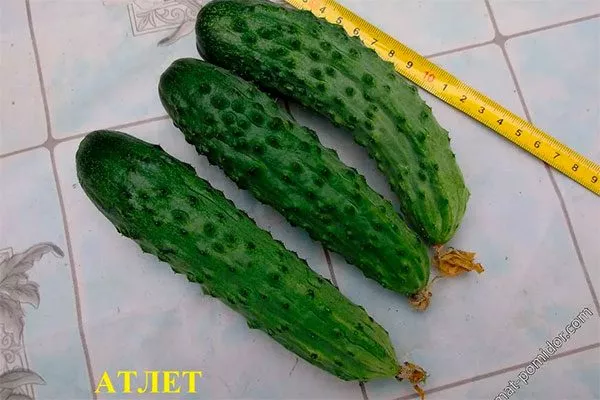
The fruit reaches 20 cm in length, and as it grows further on the bush, it can reach 25 cm, which can negatively impact its flavor. The diameter of a ripe vegetable is 3.5-4.5 cm.
Taste and purpose
When harvested in a timely manner, cucumbers have excellent flavor. They have crisp, juicy flesh with a slightly sweet taste. However, if exposed to constant sunlight, bitterness can develop. Therefore, if the planting area is in full sun, ensure they are shaded.
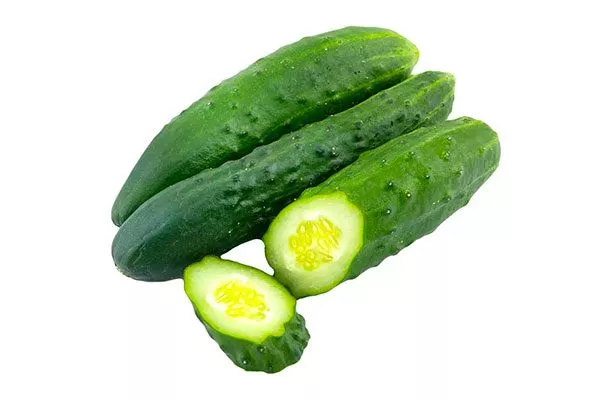
The fruits are eaten exclusively fresh or in salads. They are not suitable for winter preservation, as they lose their flavor and firmness.
Composition, benefits
Cucumbers are rich in nutrients and microelements, making them an important part of the diet. They contain:
- Water. Green cucumbers contain 95-97% water, making them an excellent way to hydrate the body and quench thirst.
- Vitamins. Vegetables contain vitamins C, B1, B2, B3, B5, B6, and K. Vitamin C strengthens the immune system, B vitamins support the nervous system and metabolism, and vitamin K is important for blood clotting.
- Minerals. The fruits are rich in potassium, magnesium, silicon, phosphorus, and calcium. Potassium supports cardiovascular health, magnesium promotes muscle relaxation, silicon improves skin and hair, and calcium strengthens bones.
- Antioxidants. Cucumbers contain flavonoids and tannins, which help fight inflammation and protect cells from damage.
- Fiber. Promotes good digestion and helps maintain normal blood sugar levels.
Their high water content helps maintain hydration, especially in hot weather. Their low calorie content and high water content make them ideal for dietary use. They are often used in cosmetics for their moisturizing and refreshing properties.
Fiber improves digestion and helps prevent constipation. Antioxidants help reduce inflammation in the body and protect cells from oxidative stress. Potassium and magnesium normalize blood pressure and support cardiovascular health.
When ripe, the yield
The hybrid is considered high-yielding and easy to grow. Even under unfavorable conditions, average yields can be expected. The main fruiting period occurs in midsummer, and the period from seed germination to harvest is 45-55 days.
Soil requirements
To grow this crop, choose sites with light, fertile soil. Loamy and sandy loam soils are ideal for this variety. If the site has heavy clay soil, add peat and sand before planting to improve the structure and ensure better growing conditions.
- ✓ The optimal soil pH level should be between 6.0-6.8 to ensure better absorption of nutrients.
- ✓ The soil must be well-drained to avoid waterlogging and root rot.
Regionality and climatic conditions
Athlete is recommended for cultivation in the Central, North Caucasus, Volga-Vyatka, Northern, and Northwestern regions. The hybrid is highly shade-tolerant and tolerates temperature fluctuations well. It thrives in temperate continental climates.
Positive and negative qualities
Before planting any plants in your garden, carefully examine their positive and negative qualities. This variety has many advantages:
Planting cucumbers Athlete
Athlete has a fairly high germination rate. This hybrid variety can be grown using both seedling and non-seedling methods.
Sowing in open ground
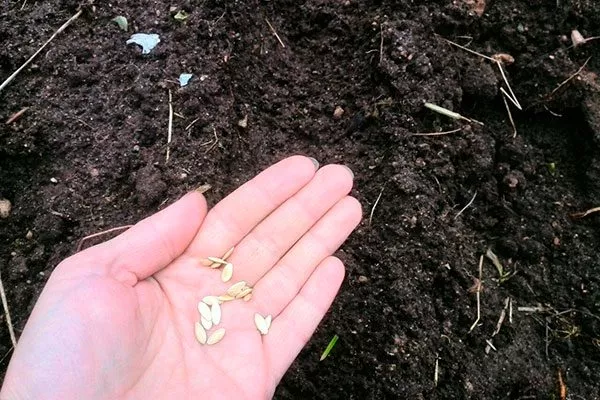
Sow seeds directly into the soil when the soil temperature reaches at least 12°C. Plant seeds no more than 2 cm deep, as with seedlings. The seed density should not exceed 8 seeds per square meter. Be sure to thoroughly loosen the soil before sowing.
Growing seedlings
Sow seeds 30 days before the planned cultivation in open ground. Place seeds in containers with soil to a depth of approximately 2 cm. Cover the container with plastic and maintain a constant room temperature of at least 20°C.
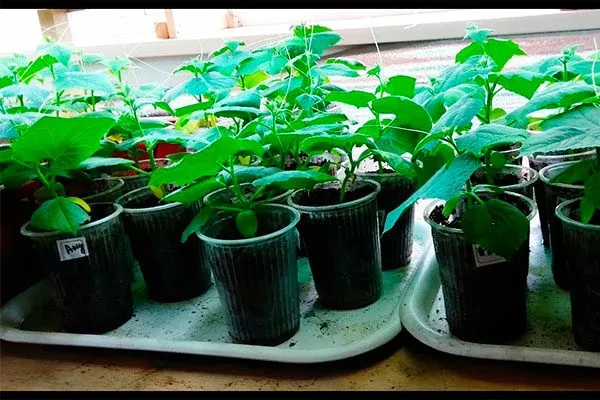
Once the seedlings emerge, remove the plastic wrap and move the containers to a well-lit area. Transplant into the ground when the plants have 3-4 true leaves.
Caring for Athlete cucumbers
Proper crop care is key to its health and high yield. Regular watering, fertilizing, and monitoring of plant health help prevent diseases, maintain optimal growing conditions, and ensure high-quality vegetables.
Spraying and watering
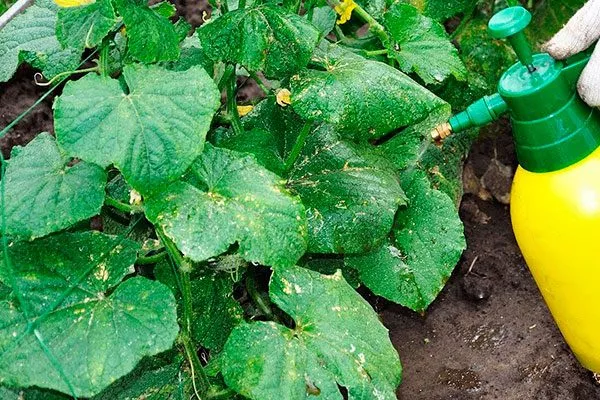
The plant requires regular and adequate watering, especially during periods of active growth and fruiting. Water the bushes 2-3 times a week, avoiding overwatering to prevent root rot. Water in the morning or evening, using warm water to minimize stress on the plants.
- Before planting, add compost or humus to the soil at a rate of 5-7 kg per 1 sq. m.
- Two weeks after germination, feed the plants with a urea solution (10 g per 10 l of water).
- During the flowering period, use potassium-phosphorus fertilizers (20 g superphosphate and 15 g potassium sulfate per 10 liters of water).
Top dressing
The crop requires regular fertilization throughout the fruiting period, otherwise yield may decline. Fertilization involves the following steps:
- After emergence, apply mineral fertilizers with a high nitrogen content once a month.
- When the seedlings begin to form shoots, add an infusion of ash or chicken manure.
- During the fruiting period, use potassium-phosphorus fertilizers.
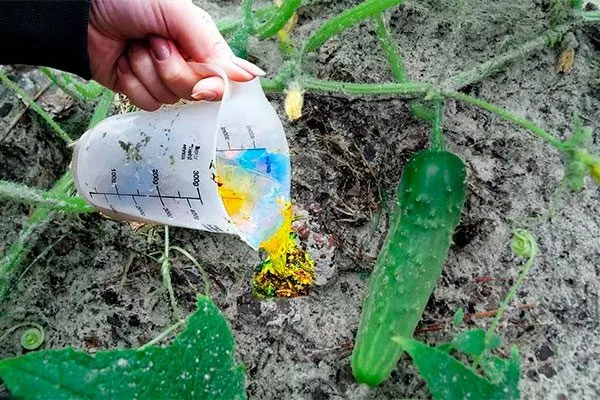
An effective folk remedy for this hybrid is whey. Mix 1 liter with 2 liters of warm water and spray the bushes.
Weeding and mulching
Weeding is important to maintain healthy growth. Regularly remove weeds, which compete with cucumbers for water and nutrients and can harbor diseases and pests. Weed by hand to avoid damaging the roots.
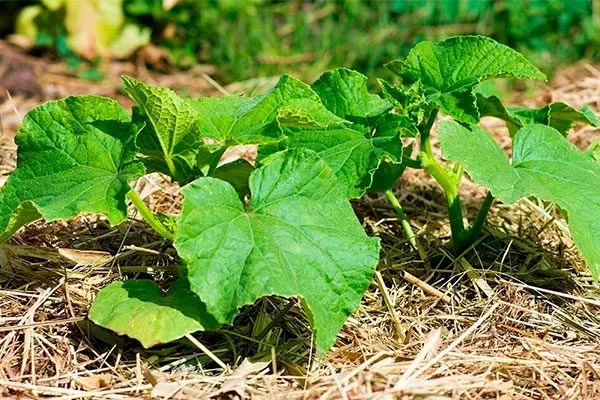
Apply mulch in a 5-7 cm layer around the plants, avoiding contact with the stems. This helps maintain a stable soil temperature and improves conditions for the root system.
Tying up
This is an important procedure for maintaining shoots and improving their growth. It helps prevent the cucumbers from coming into contact with the soil, reducing the risk of rot and contamination, and simplifying care and harvesting.
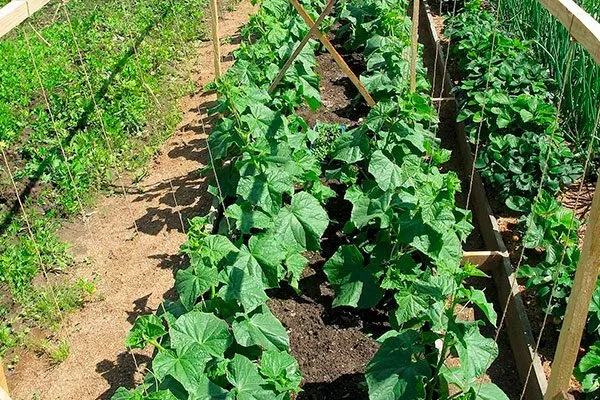
For tying, use vertical supports, such as wooden or metal poles, rope, or netting. Tie the plants carefully, avoiding damage, and guide them upward to ensure good access to light and air.
Diseases and pests
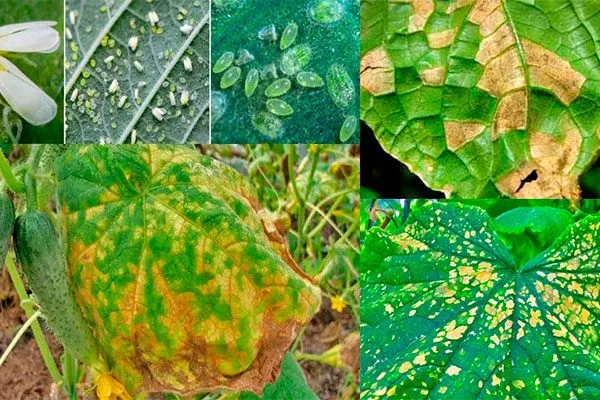
Despite the Atlet variety's high disease resistance, improper care can cause some problems. Here are the most common:
- Root rot. It manifests itself as dry leaves and darkening of the lower shoots. The main cause is overwatering. To combat root rot, reduce the frequency of watering and apply potassium-rich fertilizer.
- Cladosporiosis. The disease is caused by frequent temperature fluctuations. The first symptoms are dark spots on the fruit. Treatment involves using 1% Bordeaux mixture.
- Whitefly. The pest attacks the bushes, causing them to dry out. Use specialized insecticides to control the insect.
Harvesting and use of the crop
Harvest the greens regularly to encourage further fruiting. Harvest when the vegetables reach their optimal size (up to 20 cm), as over-growing them can negatively impact their flavor. Carefully remove the fruits from the stems to avoid damaging them.
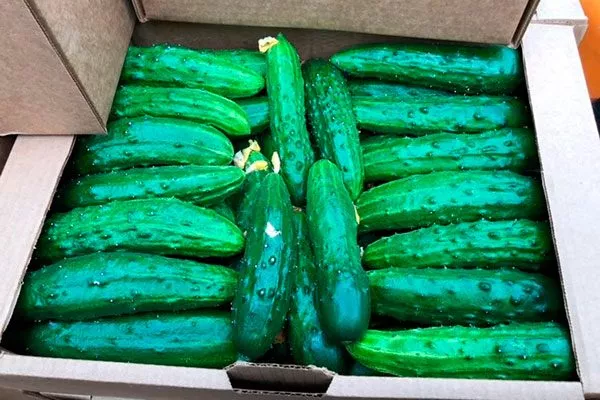
Store the harvest in a cool place, such as the refrigerator. At a temperature of 7-10°C, they retain their quality for 7-10 days. To extend the shelf life, place the cucumbers in plastic containers with ventilation holes or wrap them in paper. Avoid excess moisture to prevent rotting.
Reviews
A productive and productive variety suitable for both experienced and novice growers. Its high yields, disease resistance, and adaptability to a variety of conditions make it an excellent choice for any plot. Proper care and adherence to recommendations will help you achieve a bountiful, high-quality harvest.