
The Atlantis F1 hybrid cucumber is characterized by vigorous growth, insect pollination, and abundant fruit production. It is highly resistant to diseases such as cladosporiosis, mosaic virus, and powdery mildew. This variety is suitable for both open and sheltered areas.
Introduction to the variety
Atlantis F1 cucumbers withstand long-distance transport well and have a long shelf life, making them ideal for commercial use. They are renowned not only for their abundant yield but also for their excellent flavor.
Features of selection
Atlantis F1 was developed by the leading seed company Bejo Zaden BV in the 1990s. The variety was officially registered in the State Register of Plants of the Russian Federation in 2000 and is recommended for cultivation in all regions of the country, including home gardens and small and large farms.
Specificity of bushes and cucumbers
These are plants that aren't restricted in growth by a fruit bud—they can reach heights of 220-250 cm or more. To control their growth, it's recommended to remove the top at the desired height.
- ✓ Plant height can reach 220-250 cm without limitation.
- ✓ The fruits are resistant to bitterness.
There are also other varietal characteristics:
- The bushes have strong stems and tend to actively form new shoots.
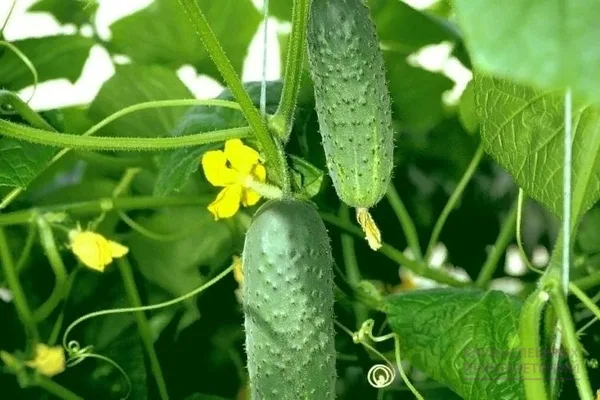
- The leaves are five-lobed, medium to small in size, with a wrinkled surface and a rich green hue.
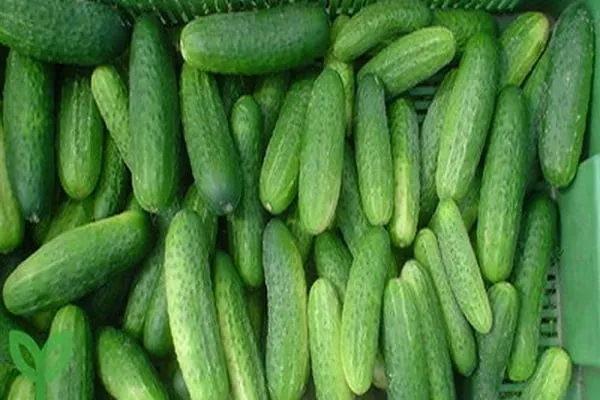
- Cucumbers are cylindrical fruits, ranging from 11 to 14 cm in length and 3-3.5 cm in diameter. They have a neat appearance and grow almost identically, ensuring a uniform harvest.
- The average weight of cucumbers ranges from 110 to 130 g. They are characterized by a low tendency to rapid aging and yellowing.
- The skin of cucumbers is dark green, but becomes lighter towards the top and is decorated with small whitish lines and spots.
- The surface of cucumbers is characterized by large bumps and white spines that are not very prickly.
- The skin is of medium density, which protects the fruit from damage.
- The pulp is tender and juicy, with a characteristic crunch.
- The seeds are small and almost invisible when eaten.
- Cucumbers are resistant to the formation of bitterness.
This variety is a hybrid that requires bee pollination to produce fruit. Many gardeners successfully pollinate themselves using a cotton swab or brush.
Taste and application
The Atlantis variety is distinguished by its excellent sweet flavor, without a hint of bitterness. The fruits have firm and moderately juicy flesh, making them ideal for eating raw and as a salad ingredient. However, they are not suitable for canning, as they become too soft when cooked.
Fruiting period
Fruit ripening takes 45 to 52 days from the emergence of the first shoots, which is typical for early-ripening varieties. Atlantis plants produce predominantly female buds, although male flowers are also present, making the planting of other varieties for pollination unnecessary.
Since Atlantis is a hybrid, collecting seeds yourself is impossible, as they won't retain all the characteristics of the parent plant. Fresh seedlings must be purchased each year for planting, and it's preferable to use seeds that are 2-3 years old—they germinate better.
Productivity
This variety is highly productive and can yield 8 to 14 kg per square meter with strict adherence to agronomic recommendations. Any deviation from established care methods may reduce the yield. In favorable climate conditions and with careful care, an even more abundant cucumber harvest is possible.
Landing features
Atlantis seeds are usually planted directly into open ground, following generally accepted guidelines and methods. However, some gardeners prefer to germinate the seeds first to produce seedlings, which allows for an earlier cucumber harvest.
Planting dates
The timing for sowing and planting cucumbers depends on climatic conditions, in particular the level of heat in the air and in the soil:
- If you have a heated greenhouse, you can begin sowing as early as April 20, and transplant the seedlings as early as May 10.
- Seeds can be planted under film or agrofibre starting from April 15, but it is better to wait until May 20 to transplant seedlings.
- In open ground, sowing is carried out no earlier than May 1-5, and planting of seedlings is planned for the first days of June.
For the Atlantis variety, the optimal conditions for planting in a permanent location are soil warming to +15 degrees and air warming to +18 degrees.
- ✓ Optimum soil temperature for planting: +15°C.
- ✓ Optimum air temperature for growth: +18°C.
Site preparation
The Atlantis variety prefers sunny spots in the garden, although some shade won't hurt. For maximum yield, it's best to plant cucumbers in areas previously occupied by tomatoes, onions, garlic, potatoes, or legumes. Before planting, the soil should be thoroughly cultivated: dug over, weeded, and fertilized.
It is recommended to use the following compositions per 1 sq.m.:
- 3-4 kg of any organic matter;
- 150-180 g nitroammophoska;
- 200-250 g of potassium preparation.
Start forming the beds early. Here's what you need to do:
- dig longitudinal grooves;
- fill them with humus;
- sprinkle fertile substrate on top;
- Cover the beds with film to warm them up for 5-6 days.
Seed preparation
Proper seed preparation is essential for Atlantis. Begin by carefully selecting the seeds, weeding out any empty or dried seeds. Next, soak them in a warm salt solution (2-2.5 tablespoons per 500 ml of water) for 10-20 minutes.
After this, remove any floating seeds and discard them. Rinse healthy seeds with a weak solution of potassium permanganate to disinfect them and rinse with warm water before planting.
How to grow seedlings?
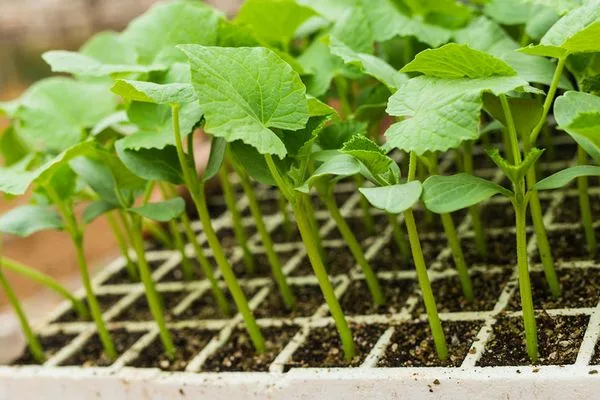
Growing seedlings begins with planting seeds in individual containers with prepared substrate. Follow these guidelines:
- Place the seeds at a shallow depth, about 1 cm, with the tip facing up.
- Each container should contain 2 grains.
- After planting, cover the containers with plastic wrap and place them in a cool, dark place.
- Primary shoots should appear within 6-7 days. After this, move the seedlings to a bright windowsill.
- Cucumbers require moderate watering using warm water, focusing on the plant's root system.
When the plants have three or four leaves, the cucumbers are ready to be transplanted into the garden bed.
Planting seedlings
Before planting Atlantis seedlings, you need to prepare the site:
- Dig holes about 10-14 cm deep – the parameters depend on the size of the root system of the bushes.
- Fill them with warm water and carefully place the plants with a lump of soil so as not to disturb the integrity of the roots.
- Immediately fill with nutrient substrate and compact slightly.
Planting plan
When planting in open ground, adhere to generally accepted patterns that ensure convenience for the gardener and comfort for the plants:
- If you are not installing a trellis, the distance between plants should be 18-22 cm, and between rows – 60-80 cm.
- When using trellises, it is recommended to follow this pattern: the distance between plants is 25-30 cm, between rows - 80-100 cm.
Further cultivation
Caring for Atlantis-type plants doesn't require much effort. Simply following basic gardening guidelines will ensure an impressive harvest.
Watering
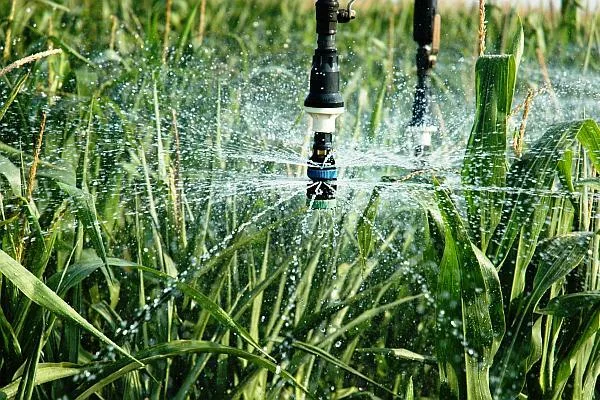
Immediately after planting, cucumbers need to be watered daily to prevent them from drying out. Once the plants have established themselves, watering can be reduced to twice a week. Atlantis should be watered in the evening using warm water.
Protective coating
Since the Atlantis variety is grown in open gardens, it's advisable to install temporary protective cover in cool climates. This can be low arches covered with plastic film.
Garter and shaping of bushes
To increase fruit production, facilitate agronomic work, and ensure reliable protection from pests, it is recommended to use specially designed trellises to support the plants. This will allow the vegetables to remain off the ground, grow above the bed, and remain clean and free of pests.
As the main stem grows, remove the lower leaves to promote proper bush formation. Prune side shoots, which can interfere with normal fruit development and overload the root system.
Top dressing
The hybrid requires regular nutrient application. Fertilize 3-4 times during the growing season, using both organic and mineral mixtures. Diluted solutions of chicken manure (1:20-25), mullein (1:10-15), and complex fertilizers are ideal.
A mixture of superphosphate and cow manure produces excellent results. To prepare the fertilizer, you need:
- 1 teaspoon of the preparation;
- 250-300 g of diluted mullein infusion;
- 5 liters of water.
Let the mixture sit for 3-4 hours, then use it to water your cucumber plants. The prepared solution is enough to fertilize 1 square meter of plantings.
Hilling
This procedure is an important agronomic procedure. It's best performed after rainfall or irrigation. To do this, follow these steps:
- Gently rake the soil to the base of the plants.
- Create a small mound about 9-10 cm high.
This approach helps protect Atlantis crops from insect pests and improves oxygen supply to the roots, which has a positive effect on plant health.
Dangerous diseases and pests
Atlantis F1 is resistant to a wide range of diseases common to cucumber crops. Its genome is naturally resistant to pests such as powdery mildew, cucumber mosaic, and ascochyta leaf spot. However, under unfavorable conditions, the variety may encounter the following problems:
- Root rot. This disease can affect plants if they are overwatered. Borage roots become brittle, stems turn yellow, fruiting ceases, and the plants die completely. In the later stages, the plant's condition cannot be corrected, and it dies.
In the initial stages, water the root shoots with a solution of copper sulfate and ash (1 teaspoon of copper sulfate, 50 g of ash per 5 liters of water). To prevent root rot, it is important to carefully monitor soil moisture levels. - Aphid. This insect isn't always obvious, as it hides on the undersides of leaves. It penetrates the leaves and sucks moisture from the plant, causing foliage deformation and drying out, as well as reduced yields. Without treatment, cucumbers can die.
To protect, use a tincture of mustard powder prepared as follows:- add 150 g of powder to 5 liters of boiling water;
- leave to infuse overnight;
- pour in 8 tablespoons of liquid soap and 35 tablespoons of sunflower oil;
- Add this mixture to 10 liters of water.
- Spider mite. Another pest capable of attacking and causing significant damage to the crop and the plant itself. Like aphids, spider mites harass cucumber leaves, piercing them and sucking out the juices. They also cover the foliage with a web, interfering with photosynthesis.
To prevent damage, regularly inspect the bushes, identifying pests, and remove weeds as they appear.
To combat spider mites, you can use the chemical preparation Fitoverm or resort to a folk remedy - treating the bushes with a water-soap solution.
How to collect and store correctly?
Begin harvesting every 3-4 days, but water the area around the trunk first. Don't completely cut off the stems of the cucumbers; leaving a small 0.5 cm shoot is sufficient to optimally preserve the freshness of the fruit.
Positive and negative qualities
The hybrid variety Atlantis F1, developed in the Netherlands, deservedly holds a leading position among bee-pollinated plants. Gardeners also note its versatility—the vegetables are suitable for both raw consumption and canning, especially during the final harvests. Cucumbers can be grown in heated winter greenhouses. Atlantis F1 does have some drawbacks that should be considered.
Reviews
The Atlantis variety is characterized by its low cost of planting material and its good adaptability to various climates. It can be planted from both seedlings and seeds. The plants prefer loose soil rich in micronutrients. Daily harvesting is recommended for best results.