
The Artist cucumber is a generous yielder with an early ripening period and an indeterminate growth habit. This hybrid produces numerous ovaries in a single location. It does not require pollinators, as it is parthenocarpic. Its easy care makes it a popular choice for beginners.
Introduction to the variety
Artist F1 is the result of incredible work by Dutch breeders. This hybrid is ideal for growing both in gardens in the central and southern regions of the country and in protected greenhouses in the north. If you have space on your balcony, you can try your hand at being a mini-gardener and grow cucumbers right at home.
External and taste characteristics, purpose
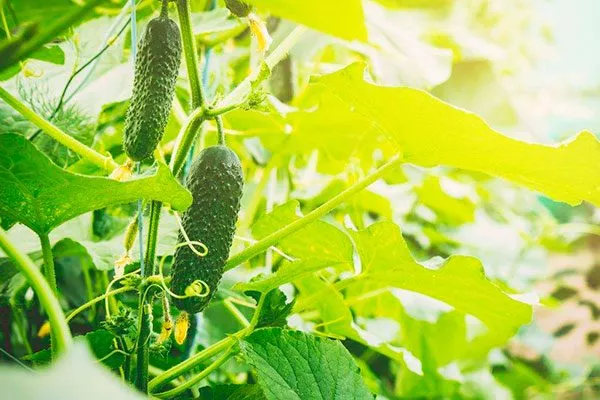
These cucumbers grow vigorously and are distinguished by vigorous production of lateral shoots densely covered with leaves. Key characteristics of these plants include:
- The leaves are medium to slightly larger in size, emerald green in tone, slightly wrinkled, with noticeable serrations along the edges.
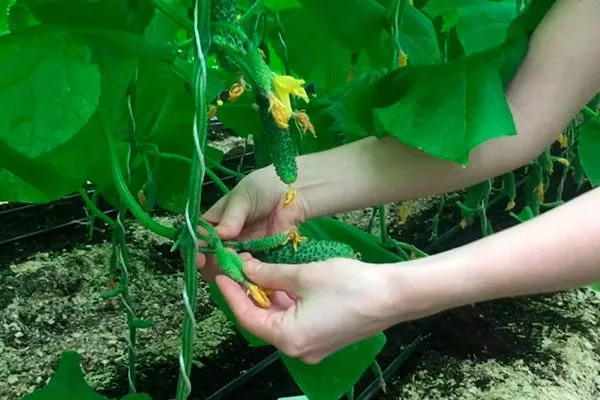
- Flowering occurs in the female mode. Female flower buds are borne singly in the leaf axils and do not require pollination, as cucumbers are parthenocarpic plants. Each cluster typically contains 5-8 fruits.
- The shoots are characterized by continuous growth, due to which branching occurs moderately
- Cucumber stems are tall and strong, reaching 200 cm or more.
- ✓ Presence of 5-8 fruits in each bunch.
- ✓ Continuous shoot growth resulting in moderate branching.
Characteristics and features of cucumbers:
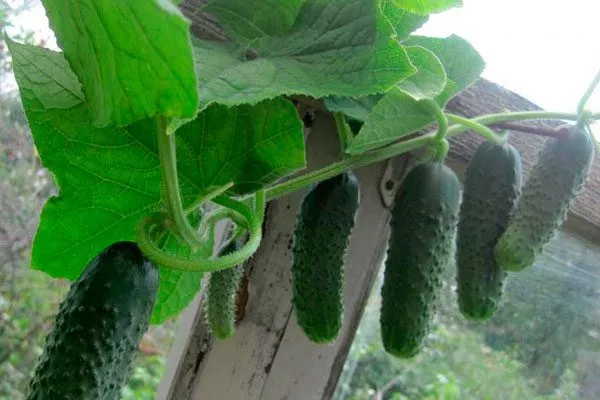
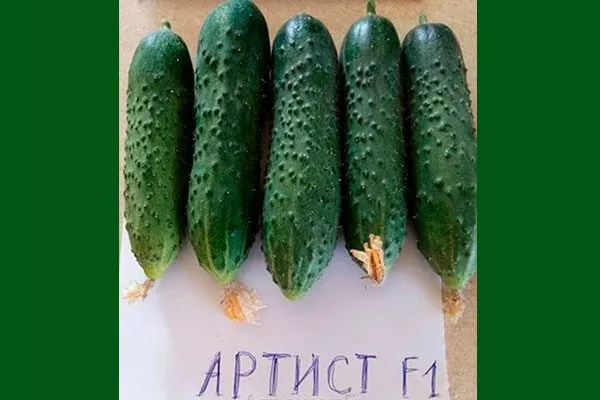
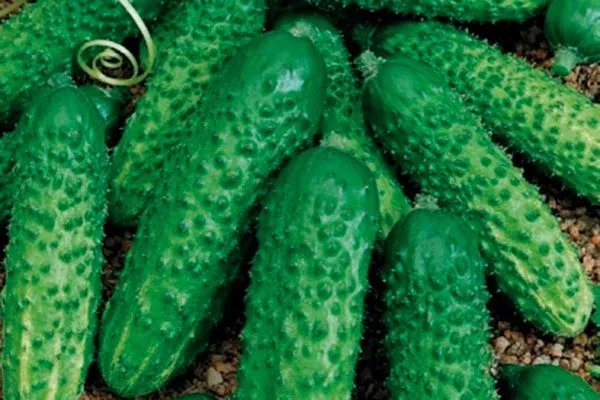
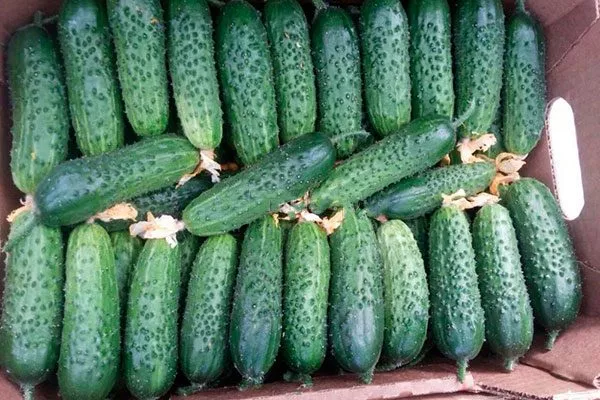
- the length is 9-12 cm;
- weight 90-100 g;
- the shape resembles an elongated cylinder;
- the radius ranges from 3 to 3.5 cm;
- thick skin with a rich shade of dark green;
- on the surface there are large tubercles, slightly pronounced spotting and shortened lines;
- there is a light-toned pubescence;
- the taste is fresh, without any bitterness, the crunch is noticeable;
- the skin does not turn yellow even in overripe cucumbers;
- The pulp is dense, rich in juice and the usual cucumber aroma, free from voids, and has a light tone with a greenish tint.
Origin
This special variety (Artist) is the result of the tireless efforts of experts from the leading Dutch breeding company Bejo Zaden BV. Scientists focused their knowledge and experience on creating a hybrid that is notable for its early ripening and autonomous pollination.
Their work did not go unnoticed, and in 2010, the Artist variety was officially added to the State Register of Hybrid Plants of Russia. The Artist variety demonstrates impressive yield results when grown in a wide range of climatic conditions, including northern regions.
Composition, benefits, calorie content
Gherkins are rich in proteins (0.9 g per 100 g), carbohydrates (2.7 g), fats (0.1 g), fiber (0.7 g), as well as vitamins C, PP, E, and group B. The water content in gherkins reaches 96-98%, which makes them an excellent means for quenching thirst and cleansing the body of harmful substances.
The calorie content of the harvested fruits is only 16 kcal per 100 g. Cucumber juice has a number of unique properties:
- helps to get rid of salts in various organs and joints;
- stimulates metabolism;
- helps remove free radicals;
- activates capillary dilation and maintains blood pressure stability;
- helps remove atherosclerotic deposits from blood vessels;
- promotes the dissolution of sand and stones in the kidneys;
- normalizes blood counts.
Ripening time, fruiting
This early cultivar produces fruit within 38-45 days of seeding, and fruiting continues until late summer. Fruit is harvested every 1-2 days, with daily harvesting during peak harvest season.
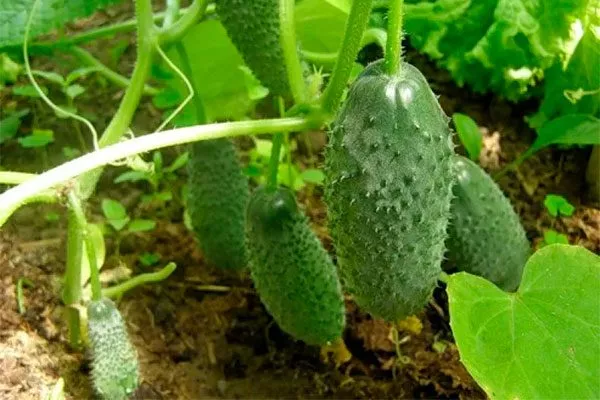
Delayed harvesting can slow the development of the next crop and significantly reduce the total yield of cucumbers. This variety boasts generous yields, reaching 8.5-9 kg per square meter.
Cultivation regions
This cucumber is cultivated in a wide range of climates. In northern regions, it is grown under plastic in greenhouses, while in the south and central regions, it is grown in open fields. Growing it indoors in pots or special containers is also possible.
How to grow it yourself?
Growing the hybrid crop Artist is possible using two methods:
- In the first case, previously grown seedlings are transplanted into garden beds.
- In the second option, the seeds are placed directly on the garden bed.
In the seedling sowing method, the planting material is laid in April, using peat containers, etc.
Direct planting into beds
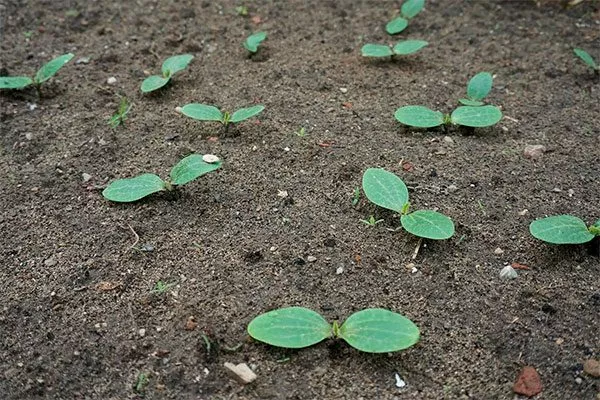
Growing the Artist hybrid in an open garden is straightforward, but basic cultivation guidelines must be followed. The seeds do not require pre-treatment or soaking. The primary focus is on preparing the soil and selecting a planting site.
- ✓ The pH level should be between 6.0-6.8 for optimal nutrient absorption.
- ✓ The soil must be well-drained to avoid waterlogging and root rot.
In soft, nutrient-rich soil, cucumbers grow rapidly and produce a bountiful harvest. Before transplanting the plants outdoors, enrich the soil with organic matter. It's important to choose the right companion plants for your cucumbers, ensuring they thrive.
These favorable conditions include:
- garlic;
- dill;
- legumes;
- corn;
- onions;
- eggplants;
- beet;
- cabbage;
- salad.
It's not recommended to plant cucumbers near tomatoes, radishes, and horseradish. It's best to rotate the cucumber growing location each year.
Important aspects:
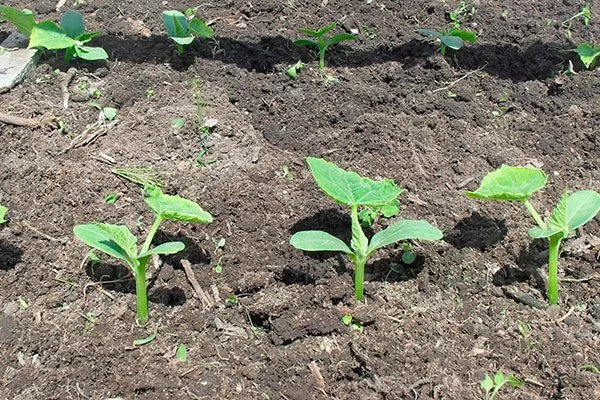
- Experienced vegetable growers always choose a sunny place for them, protected from cold winds.
- Sowing is carried out when the soil temperature reaches +15-17 degrees, and the air warms up to +22-25 degrees and above.
- The seeds are planted with the blunt side up at a depth of 2-3.5 cm with an interval of 10-12 cm, after which they are thoroughly moistened.
Separation method
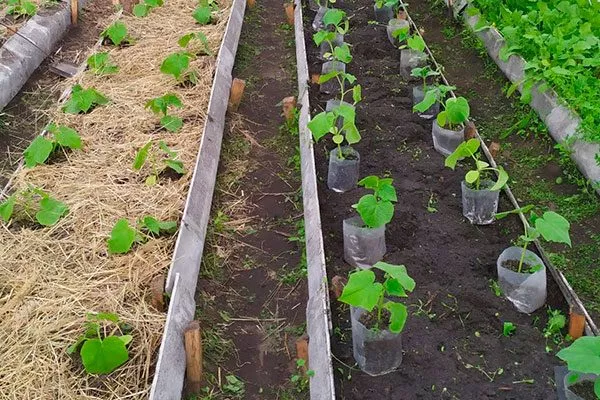
The seedling growing process begins in early April, and in some climates as early as March. The first step is preparing suitable soil and containers for their placement.
To create the perfect soil mixture, use the following ingredients:
- humus and peat - 2 parts each;
- sawdust – 1 part.
Mix all ingredients thoroughly, then add fertilizer: 50 g of wood ash and 30-35 g of nitrophoska for every 10 kg of substrate.
Other rules:
- Pour this mixture into the prepared container and place one or two seeds into it to a depth of 1.5 cm.
- Create optimal conditions for seedlings – daytime temperatures within the range of +24-26 degrees, and nighttime temperatures of at least +15-18 degrees.
- Water when the soil begins to dry out.
A month after sowing, the seedlings will have formed 3-5 true leaves, which indicates their readiness for transplantation.
Care measures and subtleties of cultivation
Caring for the Artist cucumber involves several key steps:
- After watering, thoroughly loosen the soil and remove any weeds. Pay particular attention to avoid damaging the cucumbers' root system, which is located just a few centimeters deep.
- To support the growth of this hybrid variety, which is characterized by its height and branching, secure the bushes with special ties. This not only improves air circulation among the stems but also protects them from tangling and fungal infections.

- Although short-term droughts pose no threat to cucumbers, it is not recommended to water them with cold water. Water the plants directly at the roots, preferably with warm, settled water.
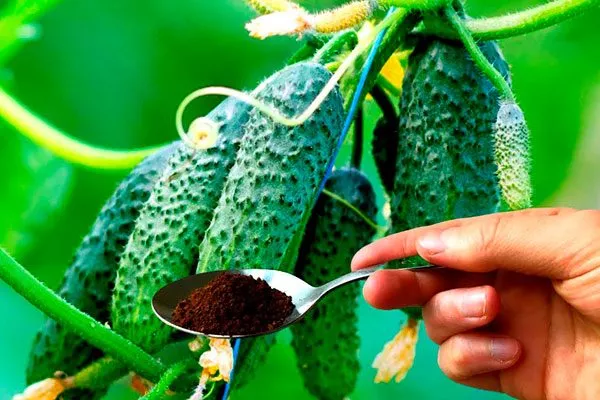
- During cultivation, apply approximately five additional fertilizers. Recommendations:
- Starting from the moment when the plants are covered with full leaves, apply the first fertilizer, which is identical to the one used for the seedlings.
- After this, during the growth process, alternate organic and mineral nutrient compositions.
- Feed with ash or mullein.
- Use these general purpose complex mixtures.
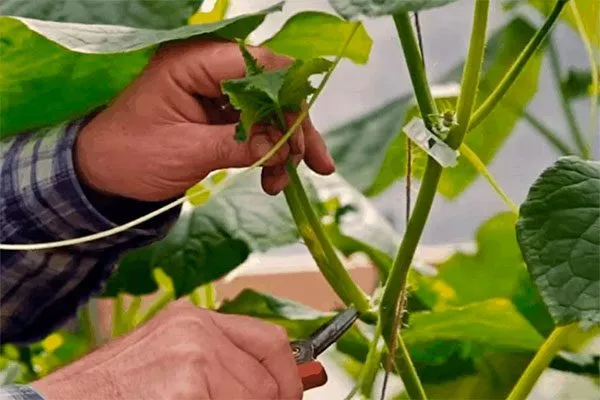
- The plant is trained to produce a single-stemmed growth pattern, with lateral shoots removed at a height of 50 cm and the main stem at 180-200 cm. This allows for control over the plant's growth and fruiting.
- Pay special attention to proper watering. Cucumbers require frequent, but moderate, watering, as overwatering can lead to root rot.
Growing nuances
The cultivation technology for the Artist cucumber variety is no different from that used for other hybrids. This variety is characterized by rapid growth and a bountiful harvest, making it suitable for both open-field and greenhouse cultivation. Therefore, Artist can be successfully grown throughout virtually the entire country.
Possible diseases and pests, ways to get rid of them
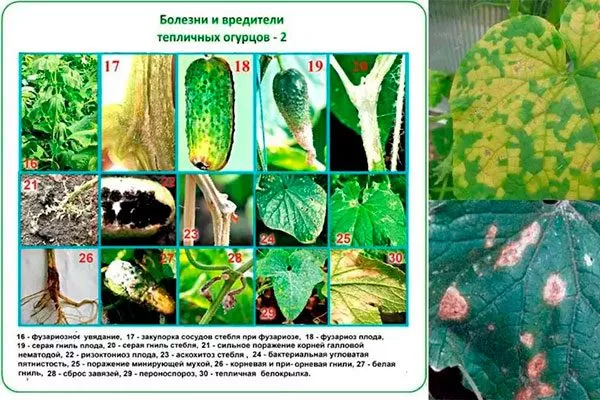
Artista F1 cucumbers are susceptible to certain diseases. However, by following certain tips, you can prevent them and ensure a bountiful cucumber harvest. The main diseases are:
- Powdery mildew. This disease appears as whitish spots on the leaves. To combat powdery mildew, the following is recommended:
- remove affected leaves;
- if ineffective, treat with sulfur;
- Experienced gardeners recommend regular fertilization of plants with a high potassium content.
- Root rot. The key signs include the plant's stem turning brown. To prevent this, take the following steps:
- Spray the seedlings regularly;
- introduce biopreparations into the soil.
Cucumbers can be attacked by various insect pests:
- Spider mite They can be detected by the fine webbing on the underside of the leaves. To protect against the spider mite, spray the plants with Fitoverm and plant the area with phytoseiulus, which eats the spider mite eggs.
- Mole crickets – These are large insects that feed on plant roots and stems. To control them, products called Vofatox and Medvetox are used.
- Slugs They prefer to live in damp and weedy areas. They are caught by hand or treated with ash.
- Thrips They can survive the winter by hiding in plant debris. They feed on plant sap. To prevent their reproduction, disinfect all fertile soil in the fall and then dig it over. Afterwards, spray the soil with a solution of Malathion.
- Melon aphid They prefer to nest and lay eggs on the undersides of leaves. If the population is small, spray the leaves and stems with a hose or soapy water.
- In April, especially in greenhouses, plants are often attacked cucumber gnatsTo combat this, spray with Iskra.
Harvesting and use of the crop
Harvest cucumbers in the morning when the air is cool. Place the harvested vegetables immediately in the refrigerator, avoiding packing them in tightly sealed bags.
Advantages and disadvantages
The advantages of this variety of cucumber include the following:
Reviews
The ultra-early Artist F1 hybrid allows you to begin the picking season just 40 days after the first shoots appear. These cucumbers have a delicate flavor and crisp texture, and they travel well. They are an excellent source of vitamins for those trying to lose weight, and are just as tasty and high-quality when canned.