
"Aroma of Summer" is a popular variety that has become a favorite among gardeners. This early-ripening hybrid combines excellent flavor, high yield, and ease of care. It is disease-resistant and rarely attacked by pests. It is important to follow the recommendations of experienced vegetable growers for growing the crop and ensure proper care.
Introduction to the variety
Summer Aroma is a popular variety distinguished by its high marketability, excellent flavor, and ease of cultivation. It is ideal for both experienced gardeners and amateur vegetable growers.
When and by whom was it bred?
The hybrid was developed by N. N. Klimenko, S. V. Maksimov, and L. A. Chistyakova of Center-Ogorodnik LLC. It was approved for use in 2015. It is distinguished by its high marketability and tolerates long-distance transportation well.
Specificity of bushes and cucumbers
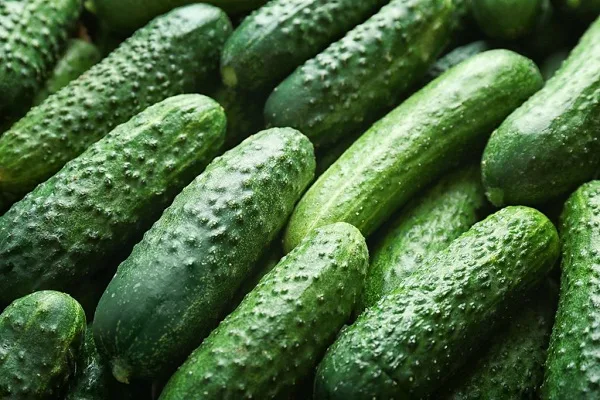
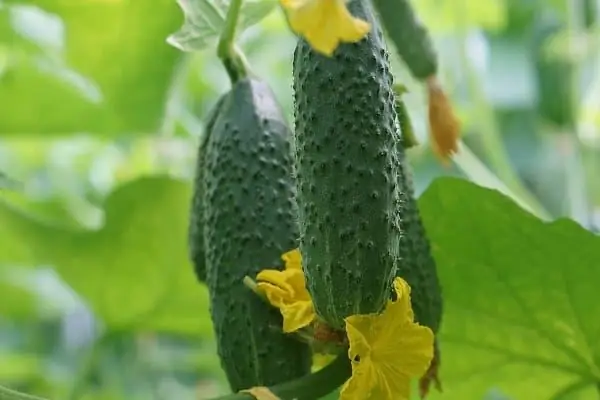
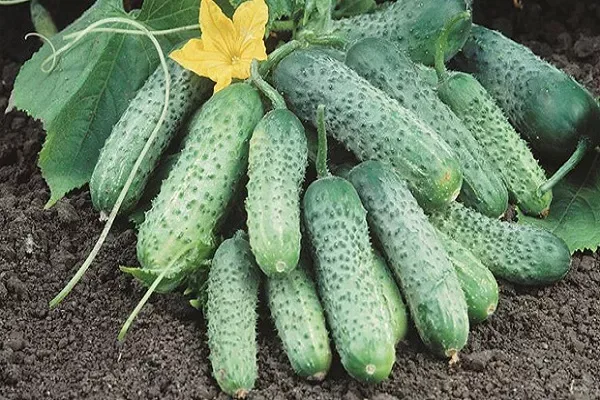
The plant is indeterminate and has little branching. Small, dark green leaves densely cover the stems. The cylindrical fruits reach 8-10 cm in length and weigh approximately 70-90 g. They have crisp, juicy flesh.
- ✓ The leaves have a characteristic dark green color with a slight glossy sheen.
- ✓ The fruits are distinguished by a uniform cylindrical shape without bends or narrowing.
Taste and application
Green cucumbers are versatile: they can be eaten fresh, preserved, or added to various dishes. They have a very good taste and a distinct aroma.
When it ripens and the yield
"Aroma of Summer" is an early-ripening hybrid, with only 38-43 days from germination to fruiting, making it an excellent choice for those looking for a quick harvest. The average yield reaches 13.8 kg per square meter, which is considered high.
Growing rules
The hybrid is grown using both seedlings and non-seedling methods, in a greenhouse or in open beds. The soil for planting seeds or seedlings should be at least 16°C.
- ✓ The soil pH level should be strictly within 6.0-7.0 for optimal nutrient absorption.
- ✓ The organic matter content in the soil should be at least 4% to ensure the necessary looseness and moisture retention.
Requirements
The plant thrives on light and moisture, but does not tolerate direct sunlight. The plants are demanding of soil—it should be fertile, moderately loose, moisture-retentive, and neutral in pH.
The bushes are heat-loving: at temperatures below 15°C, their growth slows and may even stop. Therefore, during the first half of summer, they are often grown under plastic covers to protect them from direct sunlight.
Growing seedlings
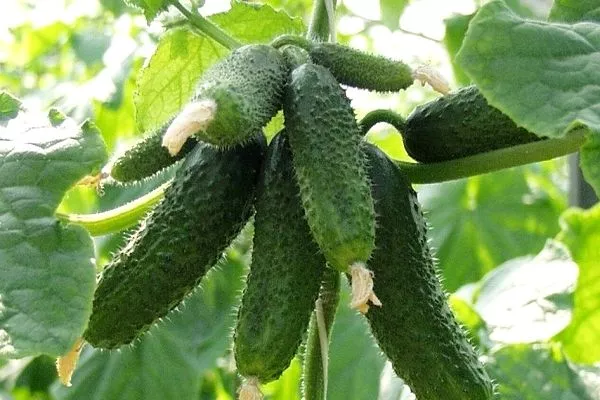
The procedure requires careful attention, particularly to lighting, soil quality, and the sowing process. These factors play a key role in the successful growth and development of plants:
- Lighting. Cucumbers need a lot of light, so use phytolamps to provide additional illumination for the seedlings.
- Soil for sowing. The ideal soil for growing seedlings should be loose, light, and well-aerated, which promotes the development of a strong root system. Cultivated soils rich in organic matter, such as well-rotted manure, peat, or compost, are best.
- Sowing seeds. Sow the seeds about a month before planting. Soak and germinate them before sowing to speed up germination.
Following these recommendations will ensure you get strong plants that will thrive after being planted in a greenhouse or open ground.
Agricultural technology
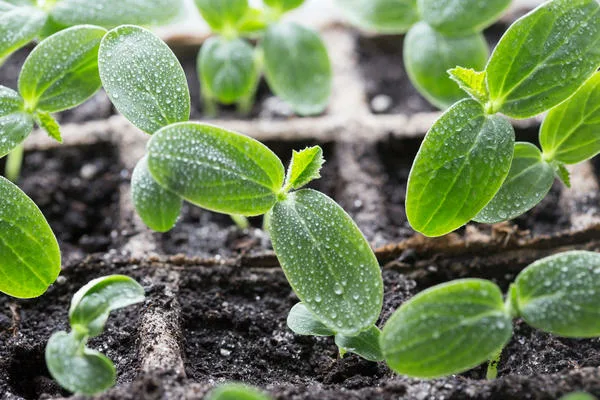
Keep the plants moist with warm water. In open ground, water cucumbers in the evening, and in greenhouses, in the morning. Water every 6-8 days before flowering, and every 3-4 days during fruiting.
Transplanting
Plant 5-7 plants per square meter. On the day of planting seedlings or sowing seeds, dig holes 2-4 cm deep, spacing them 60 cm apart. Water them thoroughly, spread the seeds 2 cm deep, and cover with soil.
Plant care and formation
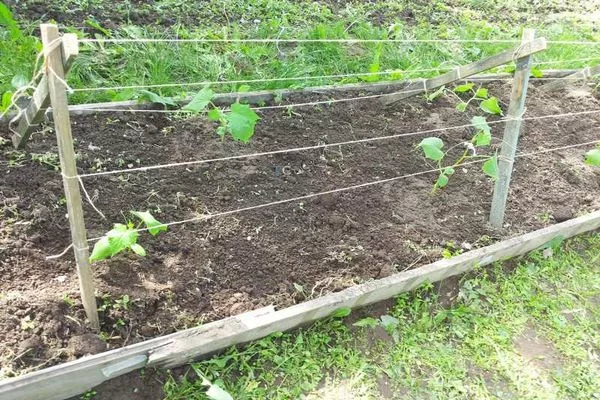
Regularly support the vines as they grow. Use trellises, barrels, or tall neighboring plants, such as corn and sunflowers, for this purpose. After 6-7 leaves appear, pinch the main stem to encourage branching and increase yield.
Fertilizers and dressings
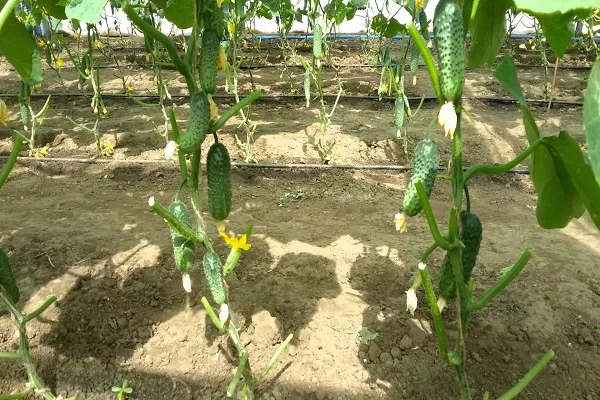
Fertilize plants 5-6 times throughout the growing season. Apply the first fertilizer when the second true leaf appears. Apply the second fertilizer at the beginning of flowering. Apply the third, fourth, and fifth fertilizers during the period of ovary formation and fruiting, at intervals of two weeks.
Positive and negative qualities
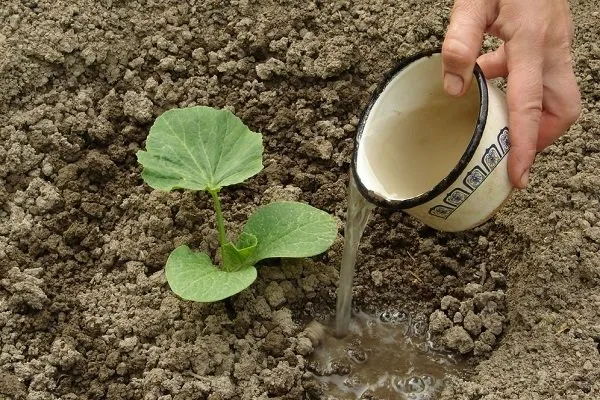
Before planting a crop in your garden, it's important to study its advantages and disadvantages to prepare for potential challenges. The "Aromat Leta" variety has many advantages. Key benefits:
The variety has no significant disadvantages.
Reviews
The Aroma of Summer cucumber variety is an excellent choice for those who appreciate delicious, early harvests. Its versatility, disease resistance, and ease of care make it ideal for a variety of growing conditions. This hybrid requires careful care and some agronomic practices, but the results are well worth the effort.