
Arctic cucumbers have gained popularity among gardeners due to their unique qualities and successful growth in a variety of climates. This hybrid is noted for its early ripening, excellent taste, and productivity. It combines resistance to diseases and adverse weather conditions. Proper and timely care is key.
Introduction to the variety
It's difficult to find a garden variety with ideal characteristics. But the Arctic cucumber comes very close, as it meets strict agricultural requirements, has an excellent taste, and is versatile in use.
History of origin
Another name for this hybrid is Arena. It was developed by Korean breeders from NongWoo Bio. After testing in Russia, the variety was added to the State Register as acclimatized and is now widely grown in temperate latitudes.
Characteristic
Arctica is a well-developed shrub with a robust root system. The main stem reaches 2-3 meters in height. Distinguishing features of the plant include:
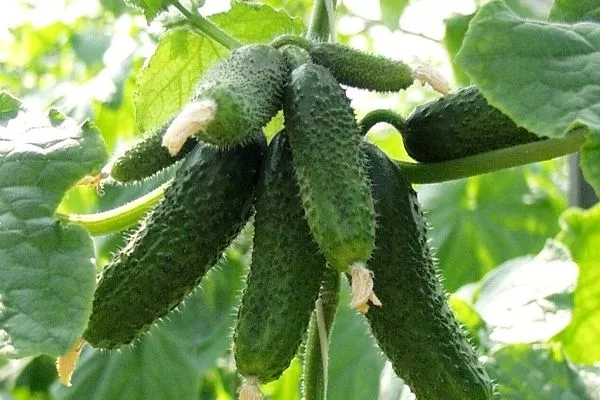
- Leaves - Medium-sized, heart-shaped, they grow on long petioles. They are bright green and have a waxy coating on their surface, which protects them from certain insects.
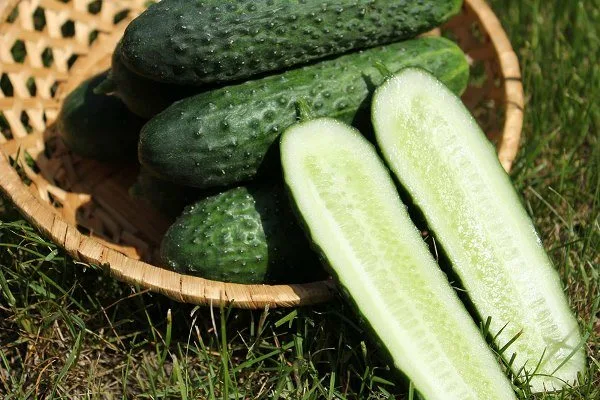
- Greens - cylindrical configuration, reaching 10-11 cm in length and 3-3.5 cm in diameter.
- Peel - Dense, light green. It has bumpy structures with small black spines.
The plant uses tendrils to cling to the support. All the cucumbers form on the main stem, with no more than three ovaries forming in the short internodes.
Taste and purpose of the variety
The juicy, dense flesh has a pleasant, non-bitter flavor and a distinct cucumber aroma. The small seeds are in the milky stage of ripeness and are practically imperceptible when eaten.
Beneficial properties
The hybrid contains vitamin C, which strengthens the immune system and protects the body from viruses and bacteria. It also contains vitamin K, which promotes wound healing and strengthens blood vessels.
The vegetable has moisturizing properties, helping maintain optimal moisture levels in the skin. Cucumber juice has a soothing effect, reducing irritation and redness. Cucumbers are rich in water, which helps remove waste and toxins from the body.
The fruits contain phytochemicals that reduce inflammation and support liver and kidney health. They are rich in antioxidants that protect the body's cells from free radicals and slow the aging process.
Ripening and yield
This early-ripening variety has a growing season of just 35 days (up to 42 days in unfavorable conditions). This allows the hybrid to bear fruit repeatedly.
It is characterized by high yields, although there are no precise data available from expert sources. It is only known that the yield can reach 20 kg per square meter, which is confirmed by reviews from vegetable growers. They note that these figures depend on good weather, planting seedlings, and regular watering and fertilizing.
Soil requirements
Suitable soil for this hybrid is neutral or slightly acidic. To neutralize acidic soil, use wood ash or dolomite flour.
Necessary climatic conditions
Arktika is a self-pollinating variety that is resistant to temperature fluctuations, especially cold snaps. The fruits set and develop without the help of insects, which is especially important for greenhouse cultivation. They are resistant to mechanical damage, so they withstand long-distance transportation well.
Drought resistance is average. The soil should be kept constantly moist. Excessive heat and waterlogging can lead to root death.
Landing features
To harvest as early as late April, gardeners use seedling cultivation. For this, seeds are sown for seedlings in late February. Three weeks later, they are transplanted into a heated greenhouse. For outdoor cultivation, both seedling cultivation and direct sowing are used.
- ✓ The optimal soil temperature for planting should be at least 15°C.
- ✓ The distance between plants when planting should be at least 60 cm to ensure sufficient space for growth.
Deadlines
To calculate the timing of sowing seeds and planting cucumbers in a greenhouse and open ground, follow these simple rules:
- The seedlings are ready for planting three weeks after sowing.
- For planting in mid-April, sow at the end of February.
- In the middle zone, seedlings should be planted in open ground under cover with film or non-woven material in mid-May, which requires sowing seeds in the third ten days of April.
Without cover, cultivate the crop after the threat of frost, i.e., after June 10, and sow in mid-May. Sowing times may vary depending on regional climate conditions.
Site preparation and location selection
To choose the right location for outdoor planting, it's important to consider a few things. Follow these recommendations:
- Choose areas protected from northern winds.
- In the southern regions, flat areas are preferable to prevent burning.
- Avoid lowlands and basins.
- Give preference to sunny areas.
- The proximity of groundwater can negatively affect the root system of plants.
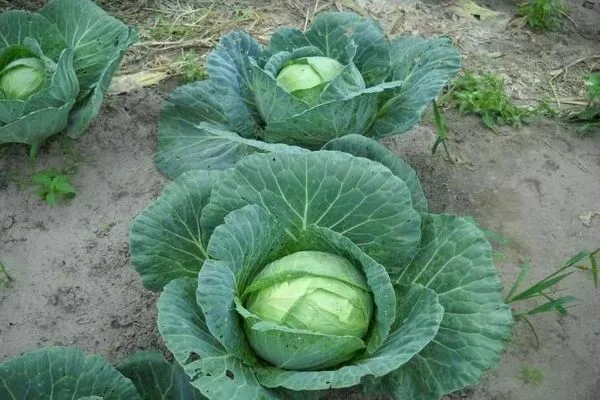
Legumes, which enrich the soil with nitrogen, are ideal predecessors for cucumbers. They can be planted after rye and wheat, tomatoes, and cabbage.
The soil should be fertile, loose, and have good drainage and absorption properties. Ideal options for seedlings include humus, turf, or a combination of peat, humus, and soil.
To prepare the soil, follow these steps:
- Remove all vegetation.
- Check the soil acidity.
- Perform complete disinfection.
- Dig up the soil.
- Form medium-height beds.
Planting seedlings
Growing seedlings is a laborious process, but it's worth it. This method ensures an early harvest. However, it's important to follow certain guidelines and provide the seedlings with proper care.
Planting seeds
If you're direct-seeding the crop, first place the seeds in a damp cloth and leave them in a cool place for 24 hours. After 24 hours, treat the seeds with a potassium permanganate solution and plant them at a depth of 2 cm. Then cover the seeds tightly with plastic wrap until germination occurs.
Transplanting seedlings
An hour before transplanting, water the potted seedlings generously. This will make it easier to remove the plants and help avoid damaging the roots. Carefully remove the seedlings from the containers. It's best to do this by turning the containers upside down and gently tapping the bottom.
Place the plant in the hole so that the root collar is level with the soil surface. Fill with soil and compact it lightly. Water the transplanted seedlings generously to ensure the soil adheres tightly to the roots and eliminates air pockets.
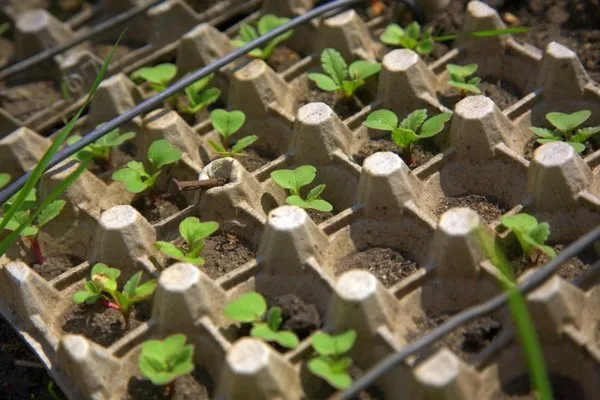
Planting diagram
If you're planting cucumbers in a greenhouse, arrange the beds in a staggered pattern, 60 cm apart, allowing for approximately four seedlings per square meter. When planting in open ground, the beds should be 30 cm high and 80 cm wide.
Aftercare of cucumbers
The hybrid requires careful care and simple agricultural practices. This determines the plant's immunity and yield.
Garter and shaping of bushes
The plant doesn't require pinching. However, the fruits need to be tied to a trellis at least 2 meters high.
Top dressing
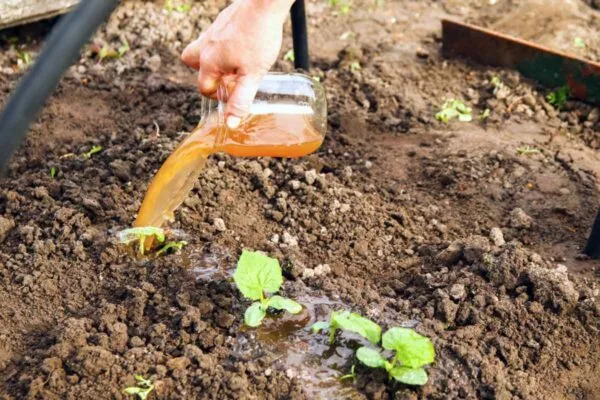
To achieve good yields, provide the crop with adequate nutrition. Apply foliar fertilizer using a complex fertilizer mixed with potassium humate. Spray the plants in the morning. For a second feeding, use potassium nitrate.
Hilling
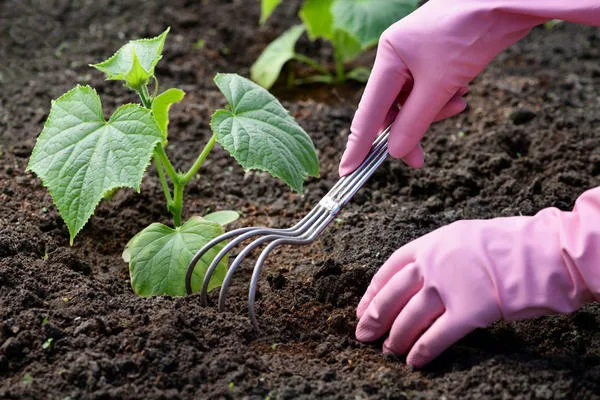
Hilling the soil where cucumbers are growing is not recommended, as their root system is located close to the surface. This can damage the roots and lead to the death of the plants. Instead, loosen the soil with a pitchfork, which improves oxygen access to the roots and eliminates weeds.
Diseases and pests
Arctica is characterized by excellent immunity and exhibits low susceptibility to brown spot, ring spot, fusarium wilt, ascochyta blight, cucumber mosaic, powdery mildew, and downy mildew. The crop is resistant to aphids, whiteflies, and spider mites.
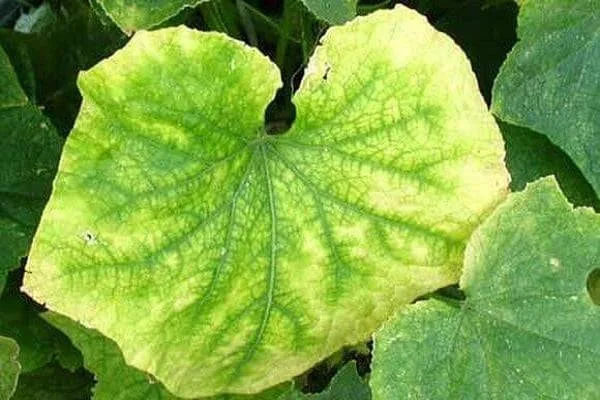
If the plant is weakened and neglected, even rare diseases may appear. To prevent this, in addition to regular care, spray the bushes with Bordeaux mixture. Plant parsley and garlic between the rows—these plants are effective in preventing infections and repel pests.
Advantages and disadvantages
Before planting a crop you've never grown before, be sure to research its pros and cons. Hybrids have many advantages:
Flaws:
Reviews of Arctic F1 cucumbers
Arctic cucumbers are the perfect choice for both novice and experienced gardeners. Their disease resistance, high yield, and early ripening make them ideal for a variety of growing conditions. With regular care and following the recommendations, you'll enjoy fresh, delicious cucumbers all season long.