
The Aprelsky cucumber is an excellent choice for those seeking a consistent, high-quality harvest with minimal effort. Its ease of care, disease resistance, and ability to grow in a variety of conditions make it a versatile and sought-after variety. Following proper cultivation practices will help you achieve excellent yields.
Introduction to the variety
Hybrid cucumbers are prized for their strong immunity and high yields. The Aprelsky variety boasts numerous positive qualities, making it a favorite among many gardeners across the country.
History of origin
It was developed by breeders from the Moscow Agricultural Academy experimental station, including A. V. Borisov, G. P. Dodonov, and others. It was officially recognized and approved for cultivation in 1977, although testing began back in 1972.
Scientists sought to create a salad cucumber variety suitable for growing in greenhouses, on balconies, windowsills, and in open ground.
Characteristics of the appearance of the plant and cucumbers
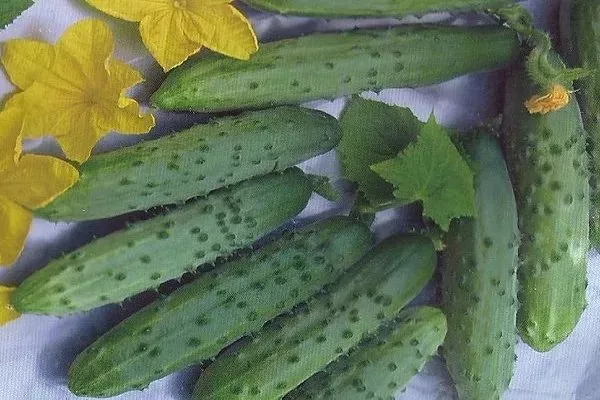
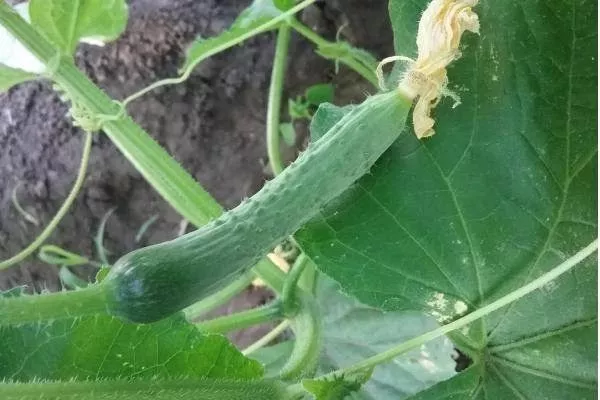
These are bushes with a medium-length main stem that can reach 2 meters. The plants are virtually unbranched, making them easy to care for and compact, making them especially suitable for greenhouses. The leaves are rounded-pentagonal, medium-sized, and green. They bloom primarily with female buds.
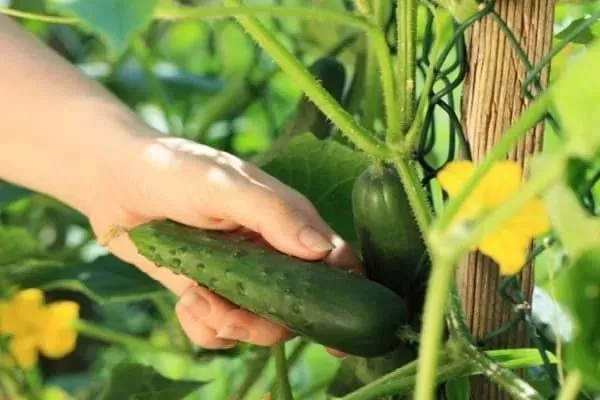
The length of the cucumbers varies from 13 to 22 cm, but longer fruits are less flavorful, so they are not allowed to grow too big. The cucumbers are cylindrical, green, with barely noticeable bumps. The light-colored spines are easily washed off with water.
| Parameter | Characteristic |
|---|---|
| Length of the whip | 1.5-2 m |
| Branching type | Weak |
| Leaf shape | Rounded pentagonal |
| Leaf color | Dark green |
| Fruit shape | Cylindrical |
| Fruit color | Green with barely noticeable bumps |
Taste and purpose
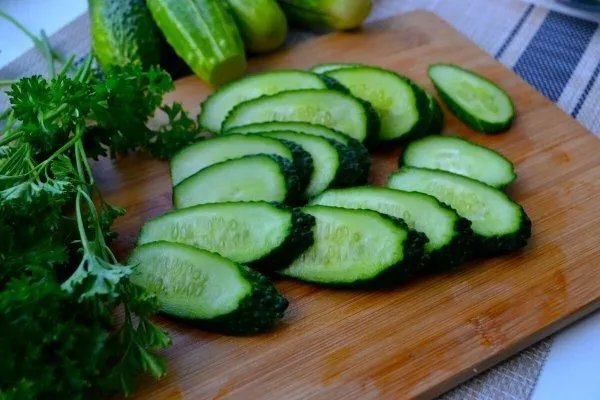
Gardeners note the hybrid's excellent and pleasant flavor. Fresh fruits are primarily used in salads and vegetable slices. For canning, choose the smallest cucumbers.
When ripe, the yield
The average yield is 24 kg per square meter, and the marketability is high. This yield depends largely on the quality of agricultural practices and weather conditions. The variety is early maturing: approximately 1.5 months pass from germination to fruiting.
Fruiting schedule
- Sowing seeds: mid-April
- Seedling emergence: in 5-7 days
- Beginning of flowering: 25-30 days
- First fruits: 40-45 days
- Mass collection: 50-60 days
Resistance to diseases and pests
If the seeds are treated before sowing, there are no problems with diseases. The variety is resistant to cucumber mosaic and cladosporiosis, but is tolerant of root rot, which can occur due to oxygen deficiency.
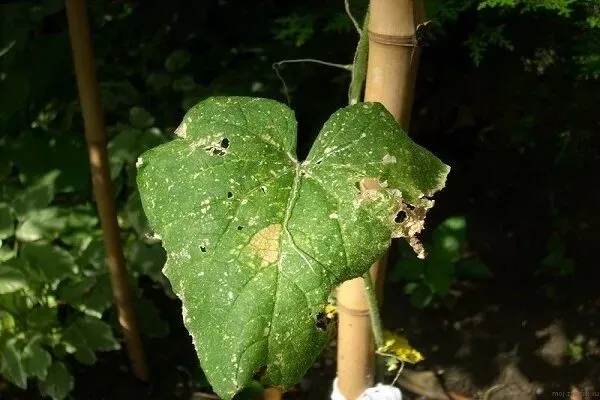
Pests rarely attack the bushes, but they are sometimes attacked by aphids. Slugs may appear in warm and humid greenhouses.
Necessary climatic conditions
The April variety tolerates temporary temperature drops well, but is very sensitive to shade. It is planted in areas with maximum sun exposure.
Advantages and disadvantages
This variety has both positive and negative qualities that are important to consider when choosing cucumbers for planting. The hybrid has several advantages:
Among the disadvantages, agronomists note:
Features of cultivation
If proper cultivation practices are followed, cucumbers will produce a consistent and abundant harvest. This hybrid is suitable for both seed and seedling cultivation. Its parthenocarpic properties allow it to be cultivated without the need for pollinating insects.
Optimal growing conditions
Sow seeds for seedlings in mid-April, and transplant the seedlings into the ground a month later, in mid-May. In a heated greenhouse, begin planting in late February, allowing for 2-3 harvests per season.
Choose a spacious, well-lit area protected from dry winds. 7-10 days before planting, loosen the soil deeply and add organic fertilizer such as manure or compost. 2-3 days before planting, sprinkle the soil with ash and water generously with warm water.
Planting cucumbers with seeds
Select healthy, undamaged seeds. Warm them at 25-30°C 1-2 months before sowing to increase germination. Soak them in a weak solution of potassium permanganate for 20-30 minutes, then rinse with clean water.
Soak the seeds in warm water for a few days until they swell, then place them in a damp cloth until sprouts appear. Then follow the instructions:
- Make furrows 2-3 cm deep and spaced 30-40 cm apart. The distance between rows should be 70-100 cm.
- Place the seeds in furrows 10-15 cm apart. Cover them with soil and compact them lightly.
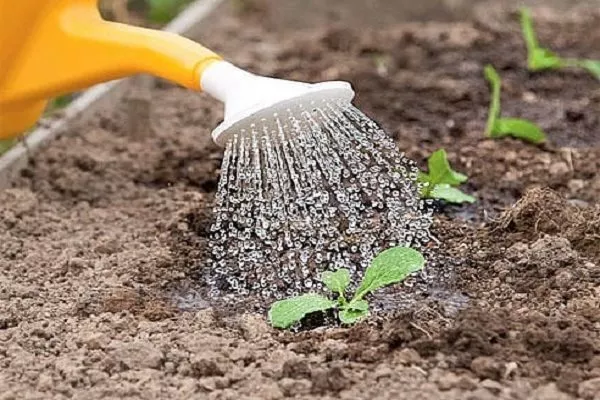
- Water the bed with warm water.
After 2-3 true leaves appear, thin out the seedlings, leaving 20-30 cm between plants.
Planting cucumber seedlings
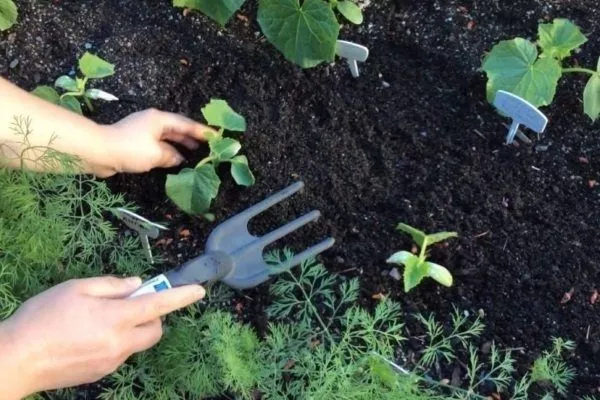
The procedure involves several steps that will help you grow strong and healthy plants. Follow these recommendations:
- Select high-quality, undamaged seeds. You can use store-bought seeds or your own. Disinfect them and germinate.
- Prepare the soil. Use a mixture of peat moss, humus, and turf soil in equal proportions. Add a little sand to improve drainage.
- Heat the soil in the oven at 100-120°C for 30 minutes or pour a hot solution of potassium permanganate over it to kill pests and diseases.
- Begin sowing seedlings 3-4 weeks before transplanting into the ground. This is usually mid-April.
- Use individual seedling cups or trays to avoid damaging the roots when transplanting.
- Fill the containers with prepared soil, make 1-1.5 cm deep holes, and place one seed in each. Cover with soil and compact lightly.
- Moisten with warm water, cover the containers with film or glass to create a greenhouse effect.
- Keep the seedlings at a temperature of 22-24°C until germination, then reduce to 18-20°C. Provide the plants with good lighting (12-14 hours per day).
- If you sowed the seeds in a common container, transplant the seedlings into individual pots when the first true leaf appears.
- 7-10 days before planting, begin hardening off the seedlings by gradually lowering the temperature and taking the plants outside for several hours a day.
Space seedlings 30-40 cm apart, with rows spaced 70-100 cm apart. After planting, water thoroughly and mulch the soil to retain moisture.
Aftercare of cucumbers
To maximize your harvest, create optimal conditions and follow all basic agricultural practices. Follow these simple care steps:
- Watering. To ensure high-quality vegetables and to prevent them from becoming bitter, water your plants regularly. Water early in the morning or in the evening, when the sun is not very strong. Use only warm water. Use a drip irrigation system, distributing water at the roots, around the plants, and between the rows.
Watering frequency: once every 3 days. During the period of active fruiting and ovary formation, water once every 2 days. - Top dressing. Fertilize the plant infrequently; three applications per season during the most important ripening periods are sufficient. Apply the first fertilizer after the fourth leaf appears on the central stem, using a manure or compost solution.
The second feeding is at the beginning of flowering: apply an ash solution to the roots and spray superphosphate on the leaves. The final feeding coincides with the beginning of fruiting. Fertilize with nitrogen-rich solutions once a week throughout the entire flowering period. - Hilling. Covering the plant with soil protects it from heat and frost, supports the plant, and promotes free air circulation. Hill the plant for the first time two weeks after planting, completely covering it with soil.
Carry out subsequent treatments after heavy rainfall to prevent the area from becoming crusty, or during periods of drought to avoid overdrying and burning.
Formation of the main whip
Only blind the cucumbers on the first four leaves. As they grow further, the main shoot will form on its own. Remove shoots, inflorescences, and fruits from each internode. Remove any tendrils growing between the leaves. Blinding the crop increases yield and strengthens the root system.
Pest and disease control
The hybrid has good immunity, but it still requires disinfectant spraying, especially before planting and at the beginning of flowering. The safest methods for combating viruses on cucumbers are ash, potassium permanganate, and a saline solution.
April is resistant to various viruses and root rot, but there are a number of diseases that are dangerous for cucumbers:
- White rot. Affects greenhouse plants. To prevent this disease, monitor the humidity in the greenhouse. Excess moisture and dense plantings promote fungal growth. To prevent this, regularly ventilate the room, reduce watering, and thin out the plants.
For light infestations, remove the affected parts and sprinkle the cuts with charcoal or lime. To restore the plant after the disease, apply aerial fertilization using a fertilizer containing 2 g of copper sulfate and 5 g of urea per 10 liters of water. - Late blight. A fungal disease caused by high humidity, sudden temperature changes, and poor ventilation. It appears as brown spots on the leaves. Treatment involves using copper-containing products, such as copper sulfate (1%-3% solution).
- Alternaria. An infectious disease that occurs in high humidity and temperatures above 26°C. Brown spots on the leaves indicate the disease. Treat by spraying with Bordeaux mixture (1%) or copper oxychloride (0.4%).
A dangerous insect capable of destroying crops. The pest thrives in areas where weeds are not properly controlled. Signs of damage include stunted growth, curling, and yellowing of leaves.
To combat the problem, use a solution of mustard powder, baking soda, or wood ash with soap. For severe damage, use chemical treatments such as Oxychom, Inta-vir, or Topaz.
Crop rotation is the main method of preventing diseases of vegetable crops.
| Disease/Pest | Signs | Control measures |
|---|---|---|
| White rot | White coating on stems | Removal of affected parts, treatment with copper-containing preparations |
| Late blight | Brown spots on leaves | 1% solution of copper sulfate |
| Alternaria | Brown spots on leaves | Bordeaux mixture 1% |
| Aphid | Curled leaves, sticky coating | Treatment with soap and ash solution |
| Slugs | Holes on leaves, traces of mucus | Manual collection, traps |
In a greenhouse, replace it with soil renewal, bringing it in from beds where onions, legumes, or cabbage were previously grown.
Harvesting
Begin harvesting cucumbers in early to mid-July. They ripen evenly, so be careful and harvest them before the skin begins to harden and yellow. The best time to harvest is in the evening, at sunset, after watering. Stop fertilizing the cucumbers a week before harvesting the first cucumbers.
Store vegetables in a cool place. Wrap them in plastic, but do not tie them tightly, so they can breathe freely. Do not wash the greens before storing, as this will remove the protective layer on the skin. When stored properly, the fruits will stay fresh for up to two weeks.
- ✓ Collect fruits 13-15 cm long
- ✓ Use a sharp knife or pruning shears
- ✓ Leave a 1-1.5 cm stalk
- ✓ Collection should be carried out every 2-3 days
- ✓ Do not turn the vines over when harvesting
Reviews of the Aprelsky cucumber variety
The Aprelsky cucumber is one of the most popular and sought-after hybrids among gardeners. It has earned recognition for its low maintenance, consistent yield, and excellent taste. It is characterized by good disease and pest resistance. With proper care, it can grow bushes with multiple vegetables.