
Alligator is a unique, table-only cucumber variety characterized by a mid-season ripening period and good resistance to certain diseases and pests. It was developed by specialists to adapt to Russia's climate. Today, Alligator cucumbers are widely cultivated in private gardens and on a large scale in fields.
Introduction to the variety
Cucumbers have a unique appearance. Their fruits are strikingly elongated. They withstand long transportation well if picked from the bush with special care. However, they are prone to rot, so it's best to eat them fresh or preserve them immediately.
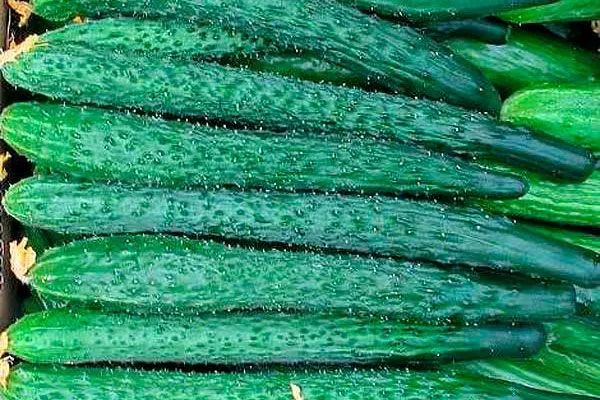
You should not leave the harvest in the beds after ripening, since despite the absence of yellowing and deformation, the flesh becomes coarser and loses its aroma.
Originators
The Alligator variety is the result of the work of a team of scientists from the Sedek agricultural firm: S. V. Dubinin, A. N. Lukyanenko, and I. N. Dubinin, who created this hybrid in 2009. A year later, the vegetable crop was registered in the State Register of the Russian Federation.
Characteristics of the appearance of the plant and cucumbers
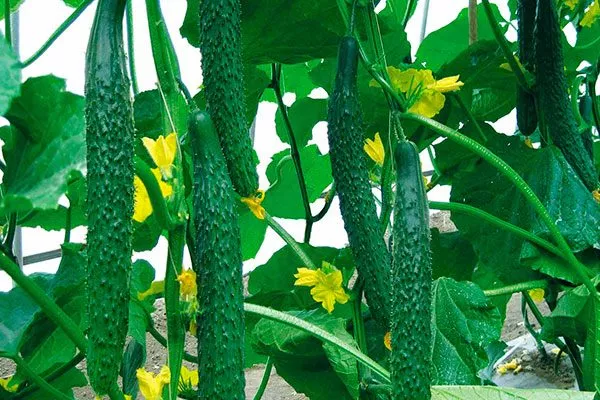
Alligator is a vigorous, medium-sized shrub with dark green leaves and moderate foliage. The main stem can grow up to 250 cm in height. The shrub boasts a significant diameter—up to 150 cm.
Other varietal characteristics:
- The main type of flowering for this cucumber is female.
- During the budding period, bright yellow flowers with five petals appear on the bush.
- From one to three cucumbers are formed in each leaf axil.
- Pollination occurs thanks to insects, mainly bees.
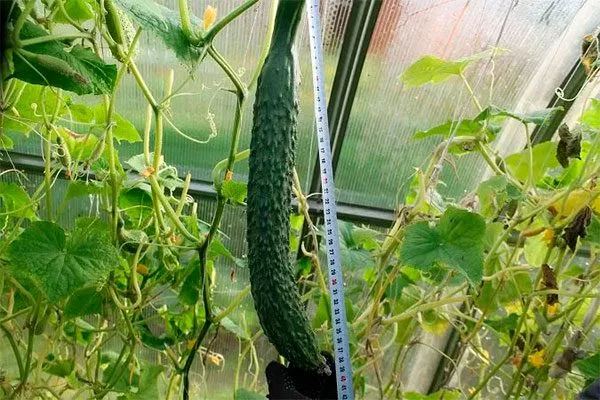
- Alligator cucumbers are distinguished by their large size and length, reaching an average weight of 300-330 g and a length of 35-45 cm.
- Their shape is elongated-cylindrical, with a slightly bumpy surface.
- The skin is thin and soft, covered with fine fluff.
- Mature cucumbers are characterized by a dark green color with short light stripes.
Taste and purpose
The flesh of these vegetables is tender, rich, juicy, and not watery. The flavors are harmoniously balanced: a slight sweetness perfectly complements the refreshing vegetable aroma. Cucumbers are not bitter, and their seeds are small and tender.
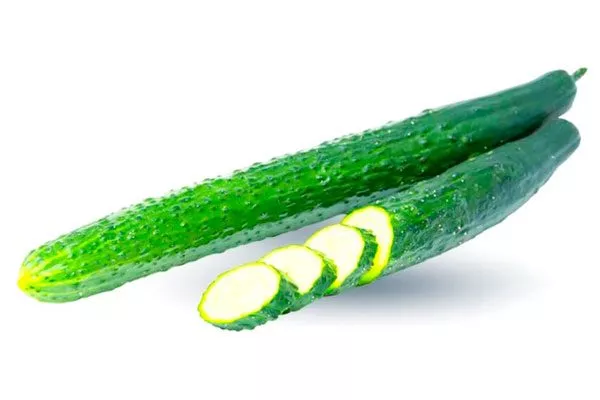
This variety is particularly suitable for eating fresh, either on its own or in salads and vegetable dishes. Pre-slicing is required for canning and marinating, as the cucumbers are quite large.
Composition, benefits
The calorie content of cucumbers of this variety is about 14 kcal per 100 g. They contain many useful substances: vitamins A, K, C, as well as minerals fluorine, copper, magnesium and calcium, which have a beneficial effect on the heart and kidneys.
When ripe, the yield
Alligator is a cucumber variety with a moderately long ripening period, with a growing season lasting approximately 50-55 days. Plants of this variety are characterized by a coordinated emergence and gradual ripening of the fruit, resulting in a long harvest period.
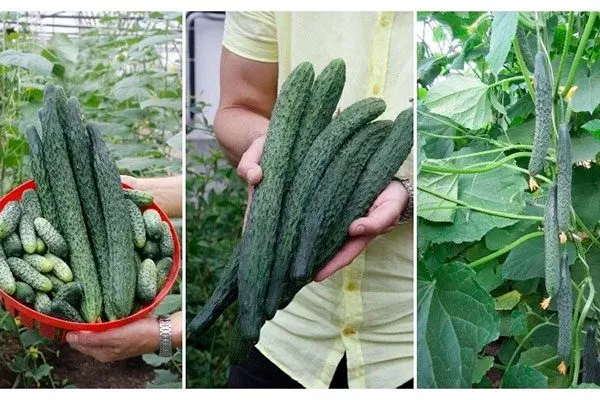
This cucumber variety is marketed as highly productive. With proper care and favorable weather conditions, an average yield of 9.2-9.4 kg can be obtained from a 1 square meter area, with a maximum recorded yield of 14-16 kg from the same area.
Soil requirements
To successfully grow, the Alligator requires ideal soil conditions. It prefers sandy loam, black soil, or loamy soil with a neutral pH. The soil should be well-drained, nutrient-rich, and adequately moist.
- ✓ The soil pH level should be strictly within 6.0-6.8 for optimal nutrient absorption.
- ✓ The depth of the fertile layer is at least 30 cm for the development of a strong root system.
Stagnant water and excessive moisture should be avoided. If the site has clay soil, it can be improved by adding sand: two 10-liter buckets of fine-grained sand are added per square meter of soil.
Climate conditions
Alligator is resistant to sudden temperature fluctuations, short-term drought, and heat. The optimal location for growing this variety is a bright, open space, sheltered from gusts of wind, and in a warm environment.
The main recommended growing zones for the Alligator variety include areas from the Northern region to the Middle Volga region. However, it is also grown in the south.
What types of Alligator cucumber seeds are there?
Only two organizations produce planting material: SeDeK and Solnechny Mart. Therefore, carefully read the information on the seed packaging.
Alligator subspecies
| Name | Flowering type | Length of the fetus | Peel color |
|---|---|---|---|
| Alligator | female | 35-45 cm | dark green with short light stripes |
| Alligator Crispy | female | 30-40 cm | dark green |
| Alligator 2 | parthenocarpic | 30-40 cm | dark green |
| Alligator 3 | parthenocarpic | 35-45 cm | dark green |
| Alligator No. 4 | parthenocarpic | 30-40 cm | dark green |
The SeDek agricultural firm has introduced five new hybrid cucumber varieties to the market under the common name "Alligator." All of them have been registered in the State Register, but their inclusion in the list occurred at different times:
- The ancestor of this series, the Alligator variety, was developed first.
- At the same time, the agricultural company also introduced the Alligator Khrustyashchiy variety, which has denser, sweeter flesh and is suitable for pickling.

- In 2012, another hybrid variety, Alligator 2, was registered in the State Register. This variety is a Chinese cucumber and is grown under plastic covers in all regions. Alligator 2 is characterized by medium ripeness, indeterminateness, and parthenocarpic growth. Its characteristics are similar to the first hybrid, but it has its own unique features: the cucumber is dark green throughout, without light stripes, and reaches a length of at least 30-40 cm.
- In 2017, the hybrid Alligator 3 variety entered the market, also grown under plastic in all regions. It stands out for its high yield—up to 12.3 kg per square meter of high-quality vegetables. Cucumbers of this variety have a more elegant shape—long, but with a diameter of about 2.5-3 cm.
- In 2019, SeDek introduced another variety, Alligator No. 4, which is distinguished by a shorter ripening period and increased fruiting compared to other varieties.
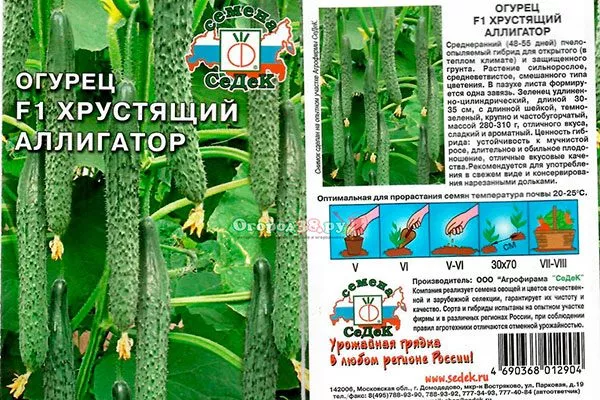
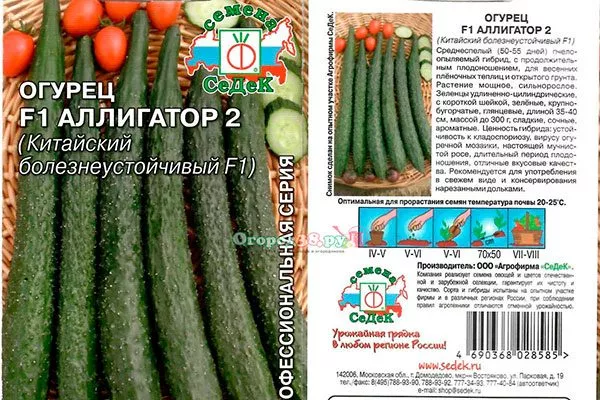
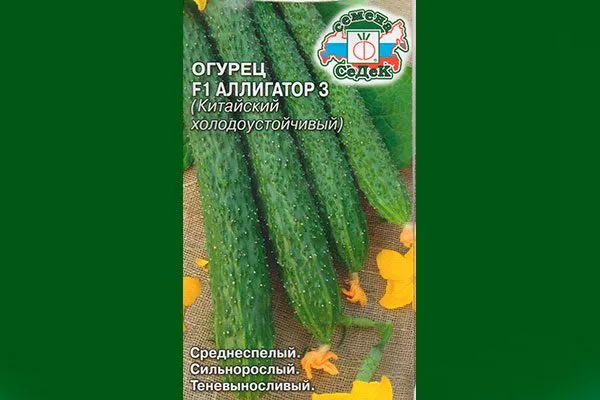
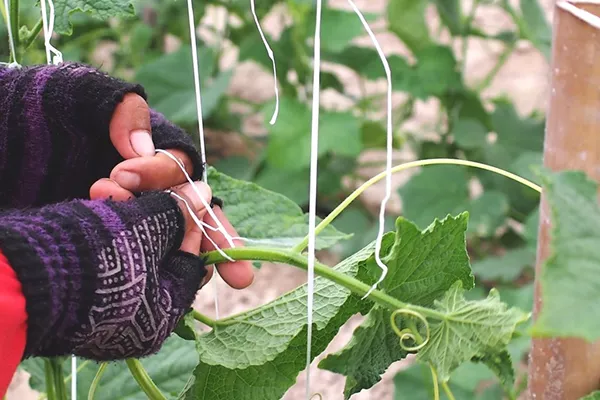
The bushes of all Alligator varieties are not particularly large. The plant is indeterminate, but the lateral shoots are poorly developed.
How to grow it yourself?
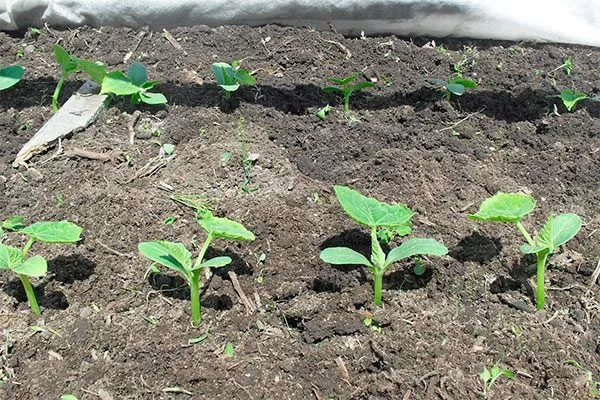
The first shoots begin to emerge from the soil 4-5 days after planting. Seed germination depends on seed preparation, care, and soil temperature.
Before the first green leaves appear, warmth and humidity are critical for the plant. Under these conditions, the plant's root system is activated, preparing for further development.
Planting by seedlings and seeds
There are two methods for sowing: seedlings and seeds. It's best to preheat the seeds by placing them in a warm place with a temperature of at least 25-27°C for a month.
Other subtleties:
- Before planting, the seeds are disinfected, for which a garlic mixture is particularly effective. To prepare it, add 50-600 g of garlic to 200 ml of water, stir, and soak the seeds in the solution for 50-70 minutes. Then rinse them and place them on a damp cloth for 2-3 days.
- The seeds should only swell slightly, but not germinate.
- They are then stored in the refrigerator for about 20-25 hours.
It's recommended to plant cucumbers in special containers in April. It's best to prepare the substrate in advance by mixing equal parts of sawdust, peat, and compost. Add 1 tablespoon of nitrophoska for every 5 kg of this mixture.
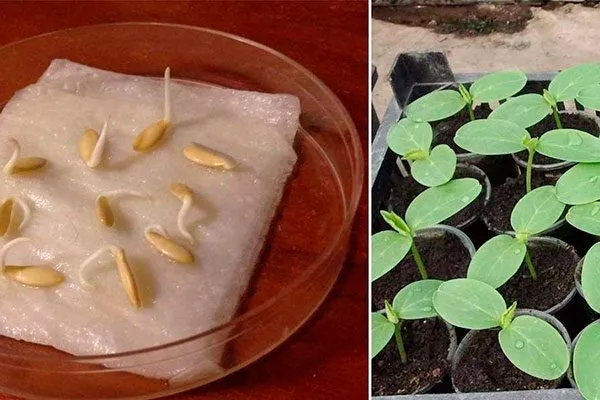
Next steps:
- Fill the containers with fertilized soil.
- Gently distribute the seeds, planting them to a maximum depth of 2 cm.
- After this, water the soil with a spray bottle.
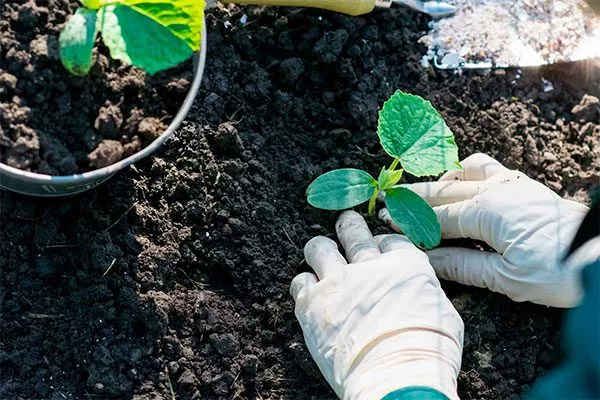
Some gardeners prefer to grow cucumbers without using seedlings, sowing seeds directly into the ground. Don't do this until mid-May to allow the soil enough time to warm up. First, soak the seeds in potassium permanganate and then dry thoroughly.
Peculiarities:
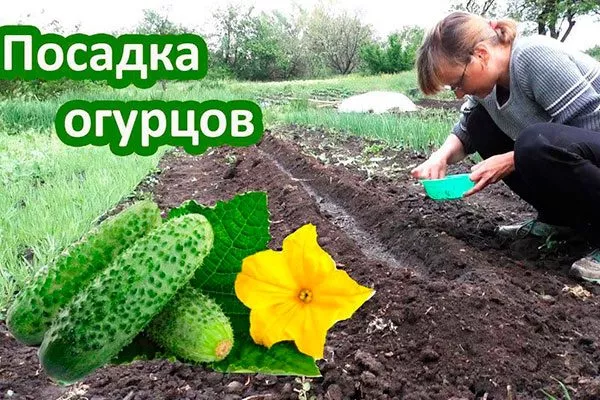
- Make small holes in the soil and place 2-3 seeds in each hole.
- Once the sprouts appear, remove the weaker seedlings.
- The depth of planting seeds should not exceed 4 cm, and the interval between holes should be at least 50-60 cm.
Subtleties of agricultural technology
Caring for the plant doesn't require much effort. The most important thing is to remember to water it regularly, at least twice a week, using warm water. Also, remember to mist the foliage, but only in the late evening.
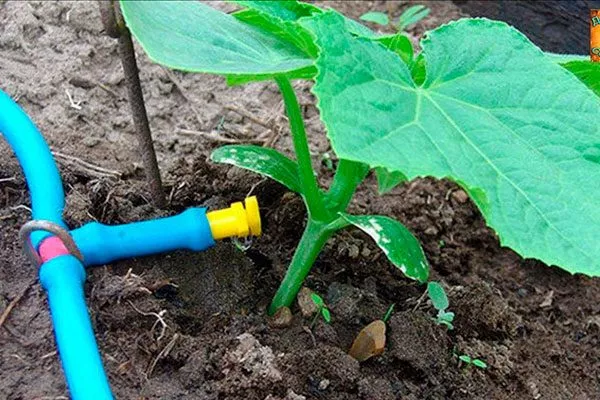
It is important to provide the plant with reliable support so that its shoots grow vertically and the fruits do not become deformed, creating unattractive curves.
Other necessary care measures:
- After each watering or rain, weed to prevent a dry crust from forming on the soil surface. While doing this, remove weeds to keep the bed clean, being careful not to damage the root system.
The easiest way to remove weeds is by hand. This will not only preserve the root structure but also eliminate the grass for good. - The best fertilization method is foliar feeding, or spraying. This is done three times:
- 12-16 days after planting the seedlings or 20 days after seed germination, dissolve 10 g of urea in 5 liters of water and spray the plant with a fine-mesh sprayer.
- When budding begins, apply fertilizers containing potassium and phosphorus. Add 15 g of superphosphate per 5 liters of water, or other fertilizers according to the instructions.
- When fruiting begins, repeat treatment with urea is carried out in accordance with the instructions.
Foliar feeding plan- First feeding: 12-16 days after planting, urea solution (10 g per 5 l of water).
- Second feeding: at the beginning of budding, potassium-phosphorus fertilizers (15 g Superphosphate per 5 l of water).
- Third feeding: at the beginning of fruiting, repeat treatment with urea.
- It is necessary to carefully cut off excess shoots and ovaries at the base of the lower leaves, leaving 3-4 leaves.
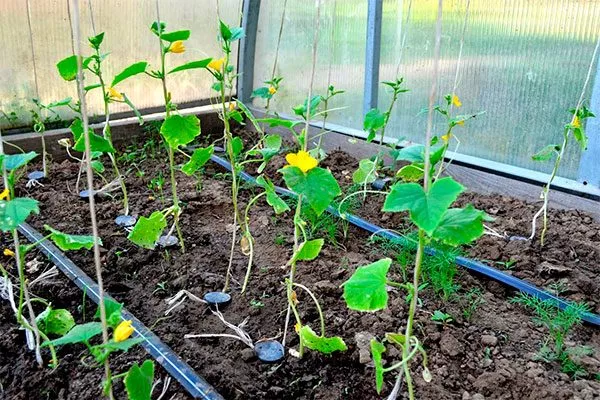
- To ensure the horizontal placement of cucumbers, install strong supports or carefully tie them to vertical structures at least 200-250 cm high.
Features of cultivation
When growing the Alligator variety, it is important to consider the following features:
- To ensure that cucumbers grow properly and the fruits do not become deformed, the plant requires strong support.
- The hybrid requires frequent moistening procedures with mandatory spraying of foliage and periodic fertilizing.
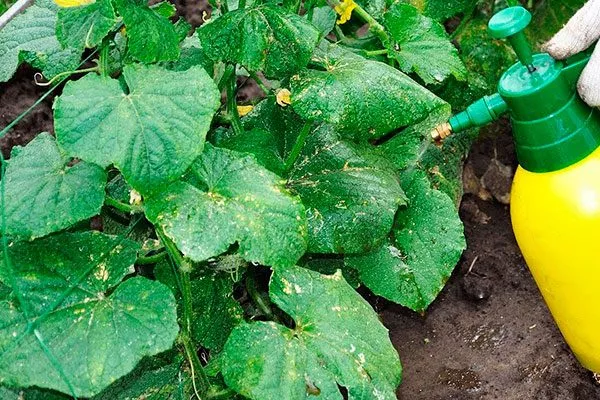
- If not properly cared for, the leaves may turn yellow and become susceptible to powdery mildew. To prevent this, it's recommended to cover the seedlings at night and include potassium in the fertilizer.
- Cucumber shoots tend to expand rapidly, so they are firmly attached to strong trellises.
Diseases and pests
The hybrid is resistant or tolerant to certain diseases and pests. Please pay special attention to this:
- Powdery mildew is common on plant leaves, but less common on fruit. These bushes begin to slowly die, and if they continue to grow, they produce low-quality fruit in limited quantities.
To prevent disease, it's important to avoid excess moisture, sudden temperature fluctuations, and uncontrolled weed growth. Planting cucumbers in the same spot every year can cause them to become diseased. - If downy mildew isn't detected and controlled promptly, entire fields can be damaged. Yellow-green spots covered with a light green coating appear on the leaves. They attack the upper surface of the leaf, quickly spreading to surrounding plants.
Downy mildew spreads due to excessive humidity and cold water irrigation. It attacks cucumbers particularly quickly.
- White rot affects plants, covering them with a whitish coating and a slimy substance. It spreads especially quickly in greenhouses due to high humidity and close planting.
- Slugs prefer to crawl out at night to freely consume the flesh of cucumbers, which leads to their deformation and loss of suitability for consumption, and also reduces the quality of the harvest.
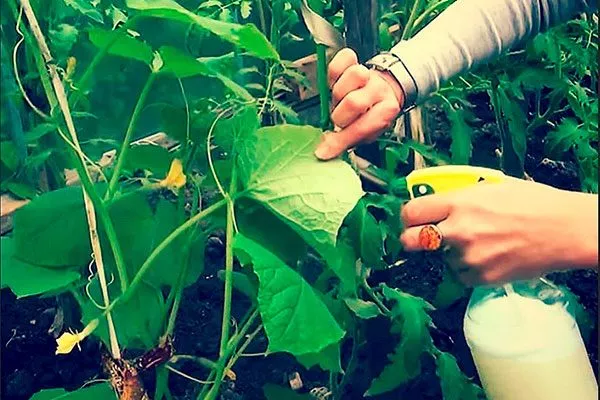
To avoid all of the above problems, be sure to carry out preventative spraying with insecticides and fungicides starting in early spring. Don't forget to disinfect tools, planting material, and soil mixture.
Harvesting and use of the crop
When picking cucumbers, exercise caution. Remove them from the bushes, carefully twisting them off the stems to avoid damaging the vegetables.
Selected cucumbers are best placed in wooden or plastic boxes, carefully lined with paper, for transport. These cucumbers are not intended for long-term storage; they should be consumed as soon as possible.
Pros and cons
The Alligator hybrid has many advantages, among which the following stand out:
The variety has very few disadvantages:
Reviews
The Alligator hybrid is a large, early-ripening cucumber with a distinctive appearance. It attracts gardeners with its sweet, non-bitter flavor and is ideal for fresh salads. This variety is easy to grow, but suffers from excessive soil moisture.