
Alisa F1 is a mid-early cucumber variety classified as a parthenocarpic (self-pollinating) hybrid. Domestic gardeners appreciate its disease resistance, long fruiting period, and high yield. It is successfully grown in open garden plots and greenhouses.
Introduction to the variety
This hybrid cucumber variety is considered mid-season. It takes 65 days after germination for the harvest to mature. Greenhouse growers harvest fruit as early as late spring. Fruiting season ranges from May to October. They can harvest up to 19.8 kg of cucumbers per square meter. The marketability of the vegetable produce is 99%.
Cucumber Alice pleases gardeners with its immunity to many dangerous diseases that affect the crop, such as:
- scab;
- green mosaic virus;
- powdery mildew;
- Cladosporiosis;
- Ascochytosis (stem rot).
Information about origin
The cucumber hybrid was developed by domestic breeders:
- Suchkova L. V;
- Ivanova A.P.;
- Popova I. D.;
- Zinatova Z. N.;
- Khokhlova N. A.
In 1997, their creation was included in the Russian Federation State Register as a variety of cucumber intended for cultivation in winter-spring rotation in heated greenhouses and in open ground.
Features of bushes, fruits, taste
Alisa plants are indeterminate. They are characterized by a moderate growth rate. The main stem reaches 2.2 m in length. Other external characteristics of the hybrid cucumber bushes are as follows:
- medium degree of branching;
- foliage: green, slightly corrugated, medium-sized;
- Flowers: yellow, crown-shaped, female.
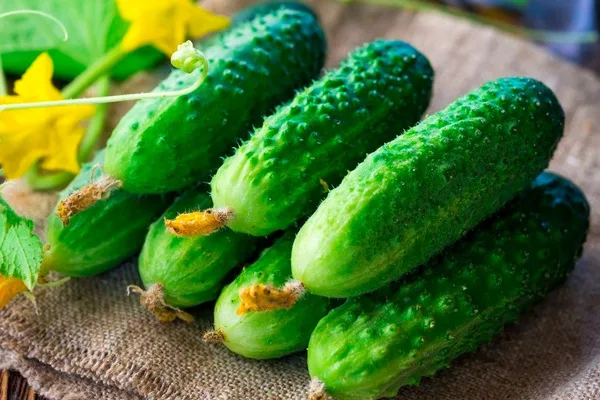
Each axil produces several gherkins (1-3), gathered in a bunch and ripening simultaneously. Alisa's fruits are distinguished by excellent consumer qualities and an attractive presentation. Their description includes the following characteristics:
- shortened cylindrical shape;
- length - 16-18 cm;
- length to diameter ratio - 3.2:1;
- weight - 165-210 g;
- light green color of smooth skin with a sparsely tuberculate surface and white-spined pubescence;
- tender and juicy consistency of the pulp, which determines the poor shelf life of the harvest.
The Alisa cucumber has an excellent flavor: slightly sweet, refreshing, and without bitterness. This variety is versatile:
- the fruits are eaten fresh;
- added to summer vegetable salads;
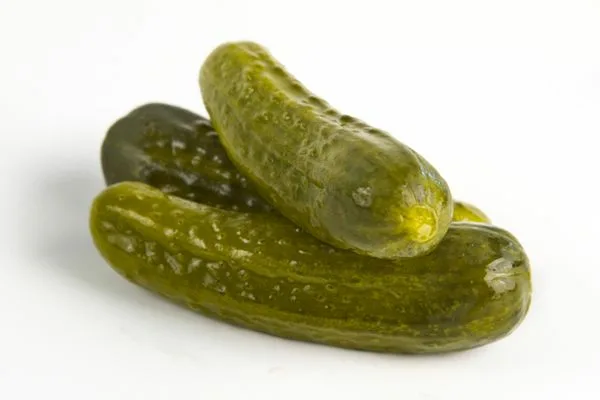
- they are used for pickling;
- used for preparing canned goods for the winter.
The hybrid fruit is low in calories, consists primarily of water, and contains a lot of fiber. Its pulp contains many beneficial substances: vitamins (ascorbic acid, B vitamins, vitamins K, E, and others), and minerals (potassium, magnesium, phosphorus, calcium, etc.).
Growing and care
Sow seeds outdoors in mid-May. Earlier sowing is possible provided the bed is covered with agrotextile. Wait until the threat of frost has passed and the soil has warmed to 12-15°C.
Grow the Alice F1 vegetable crop in the following ways:
- direct sowing of seeds into the garden bed;
- through seedlings.
Allocate a place on the plot for vegetable crops that meets the following requirements:
- sunny;
- protected from wind and drafts;
- with fertile loose soil, preferably loamy or sandy loam.
Prepare it for growing cucumbers in advance, in the fall:
- dig deeply (soil cultivation depth is 30 cm);
- add organic matter, for example, humus (consumption - 8 kg per 1 sq. m).
- ✓ Optimum soil temperature for sowing seeds: +12-15°C.
- ✓ Soil tillage depth before sowing: 30 cm.
- ✓ Organic matter (humus) consumption per 1 sq. m: 8 kg.
Follow one of the seed manufacturer's recommended planting patterns for cucumber bushes:
- 90×50 cm;
- 120×60 cm;
- seeding depth - 3 cm;
- number of plants per 1 sq. m. — 3-6 pcs.
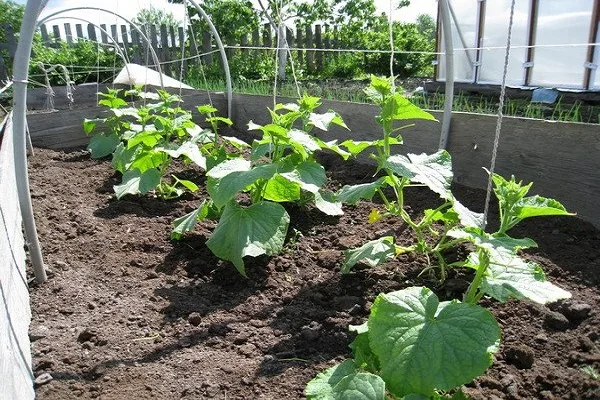
Care for your Alisa hybrid plantings properly. The health of the bushes and the yield of the vegetable crop depend on this. Care consists of the following mandatory steps:
- GlazeCucumbers thrive on moisture but don't tolerate waterlogged soil. Water them accordingly: 4-5 liters per square meter before flowering, and 9-12 liters per square meter during ovary formation and ripening. Water fruiting plants every 2-3 days.
Use room-temperature water (20-25°C) to moisten the soil in the garden bed, not cold water. Otherwise, there is a risk of root rot. - Garter and shaping of bushesGrow hybrid cucumber bushes in a greenhouse, shoring them up with a trellis. Growing cucumbers vertically will make them easier to care for. Don't neglect plant training. The easiest option is to train them into a single stem, pinching the main shoot after it has developed 6-7 leaves.
- Fertilizing the bedsAt the beginning of the growing season, apply nitrogen-rich fertilizers to promote rapid foliage growth. Cucumber bushes will need phosphorus during flowering. The majority of nutrients, particularly potassium and phosphorus, are needed during fruiting.
Apply the first fertilizer when 3-4 leaves have formed. Use a mullein infusion (1:10) or 10-15 g of ammonium nitrate, 15-20 g of potassium nitrate, and 30-40 g of superphosphate.
Apply fertilizer a second time at the beginning of flowering. Water with a mullein solution (1:10) enriched with ammonium nitrate (20-30 g).
Time the third application to coincide with the period of mass fruiting. Use 50-60 g of superphosphate and potassium nitrate.
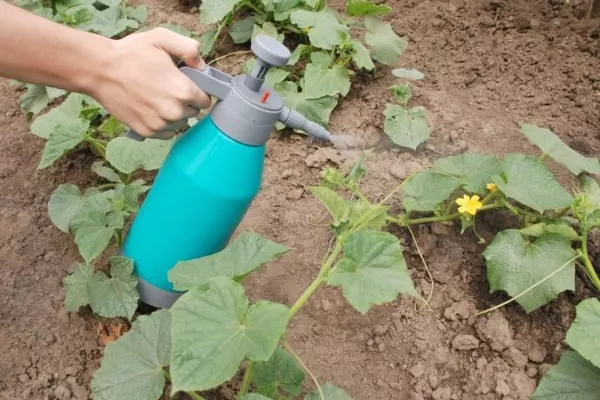
Also apply foliar feeding. Spray the foliage with solutions of magnesium sulfate (5 g per 10 liters of water), copper sulfate (0.1-0.5 g), and boric acid (0.3-0.5 g). - Weeding. Weeds are a source of disease and a breeding ground for pests. Removing them promptly will allow cucumber plants to develop properly and grow strong and healthy.
- Loosening. Loosen the soil between rows to a depth of 5 cm to ensure better supply of moisture and air to the roots of the cucumber bushes.
- MulchingBy covering the soil under your plants with organic materials, you'll be able to better retain moisture and prevent weed growth.
Reviews
Alisa F1 is a mid-early parthenocarpic cucumber hybrid. Thanks to its genetic properties, it produces large yields of large, tasty, and bitter-free fruits. Its plants are resistant to common vegetable diseases and are easy to care for. The fruits are ideal for pickling, canning, and eating raw.