
The Adam cucumber is an early-ripening variety that delights farmers and gardeners with its high productivity and excellent taste. The plants form compact bushes with lush foliage and abundant ovaries, ensuring a consistent harvest. The key is proper care and simple farming practices.
Introduction to the variety
Adam is an excellent foreign variety that has received many positive reviews. Due to its versatility, it is popular in cooking and used for a variety of purposes.
History of origin
The agricultural firm Bejo Zaden BV introduced the variety in 1998. Dutch breeders worked on its development. Four years later, it was added to the Russian State Register.
Characteristics of the appearance of the plant and cucumbers
A medium-sized indeterminate shrub with a strong central stem. It is covered in distinct pubescence. The stem is long, and the leaves are small, bright green, and moderately dense. The root system is well developed, and the lateral shoots are few but very vigorous.
Distinctive features of the culture:
- It belongs to plants with a female type of flowering, which practically eliminates the appearance of barren flowers.
- During budding, large, bright yellow flowers appear on the bushes.
- It is a self-pollinating species and does not require additional pollination by insects.
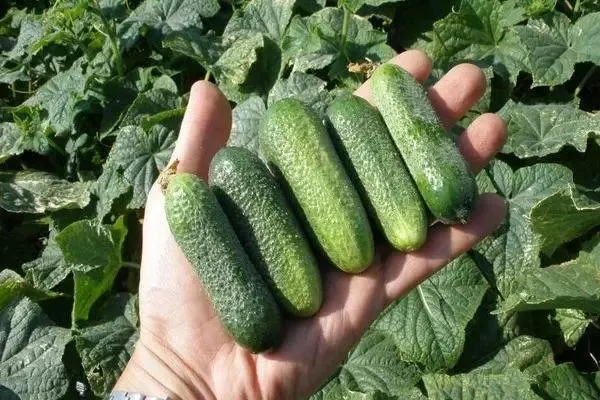
- Cucumbers have excellent commercial qualities. On average, they weigh 90-95 g and reach a length of up to 10 cm.
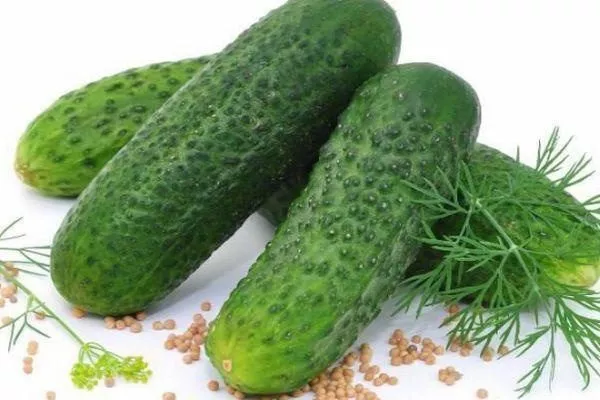
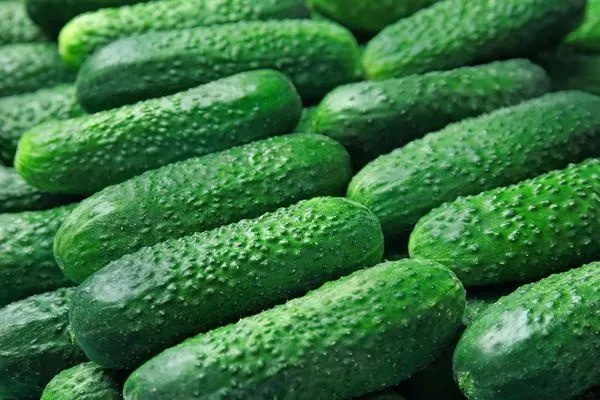
- The cucumbers have a neat cylindrical shape, a smooth surface with small tubercles and dense pubescence.
- The skin is thin and delicate, with soft, prickly spines. The color ranges from light green to dark emerald with short white stripes and blurred spots.
Vegetables on the bushes do not overgrow, do not turn yellow, and do not become barrel-shaped if the harvest is collected on time.
Taste and purpose
Despite its hybrid nature, Adam is characterized by excellent flavor and aroma. The vegetables have a dense, meaty, tender, and juicy texture without being watery. Their flavor is expressed by slightly sweet notes with a bright, refreshing aroma and is completely devoid of bitterness.
One of its distinctive features is its crisp texture; the skin is barely noticeable when eaten, and the seeds within the pulp are very small and soft. This variety is versatile: the cucumbers are eaten fresh, added to salads, preserved whole, pickled, or cured in barrels.
Composition, calorie content and benefits
The calorie content of cucumbers is only 14 kcal per 100 g. The chemical composition of the product includes:
- Vitamins: A, B1, B2, B4, B5, B6, B9, C, E, H, K, PP and beta-carotene.
- Minerals: potassium, calcium, silicon, magnesium, sodium, phosphorus, iron, iodine, copper, selenium, fluorine and zinc.
Regular consumption of cucumbers has many positive effects on the body:
- normalizes water-salt balance.
- speeds up metabolism.
- dilates blood vessels.
- promotes the breakdown of cholesterol plaques.
- helps dissolve stones and sand in the kidneys.
- supports pancreatic health.
- improves blood counts.
Vegetables help normalize blood pressure.
When ripe, the yield
The crop is characterized by high yields. During the season, 8.2 to 10.2 kg of fruit are harvested per square meter of bed. The period from germination to harvest of the first crop ranges from 45 to 52 days, placing the variety among the early-ripening ones.
Soil requirements
This plant requires careful soil selection. Nutritious, well-drained, moderately moist soils with a neutral pH are best. They do not grow well in acidic or heavy soils. Sandy and sandy loam soils enriched with organic fertilizers are ideal.
Climate conditions
This is a heat-loving crop that thrives in a site with adequate light, sun exposure, and good ventilation. The plant tolerates heat and short-term shade, but is not tolerant of drought or recurrent spring frosts.
The site should be protected from north winds and drafts. Although cucumbers require moist soil, stagnant water is highly undesirable, so the groundwater level should be sufficiently deep.
Hybrid agricultural technology
Planting is done using two main methods: seeds and seedlings. Growing seedlings allows for an earlier harvest and increased productivity. Suitable bushes for transplanting are 20-25 cm tall, with strong stems and 2-3 true leaves.
Sowing and planting dates
For successful growth and a good harvest, it's important to follow a planting schedule. This depends on the cultivation method:
- For seedlings. Sow the seeds a month before you plan to transplant them to their permanent location. Transplant the seedlings to open ground or a greenhouse once the threat of frost has passed.
- For direct sowing. Sow seeds directly into the ground after all danger of frost has passed.
When growing in a greenhouse, sow when the soil temperature is around +15°C and the air temperature is +22°C.
Seed preparation
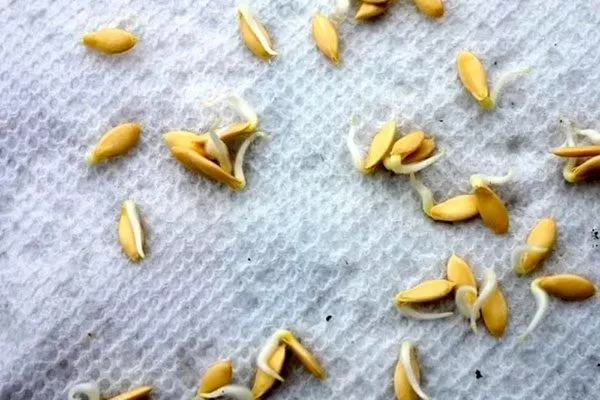
Hybrid cucumber seeds do not require disinfection or soaking if they already have a colored shell, which indicates that they have undergone the necessary processing at the factory.
If the seeds do not have a shell, disinfect them in a weak solution of potassium permanganate and soak them in preparations to accelerate germination, such as Epine or Zircon.
Choosing a location
Choose a well-lit location, protected from cold winds. Any crop, except pumpkins, can be used as a precursor.
Site preparation
Prepare the site in advance: in the fall, dig up the soil and add 10 kg of humus per square meter. In the fall, loosen the soil and fertilize it with chicken manure with added ash or ready-made fertilizers such as Gumi-Omi or Zdraven.
Direct sowing into the ground
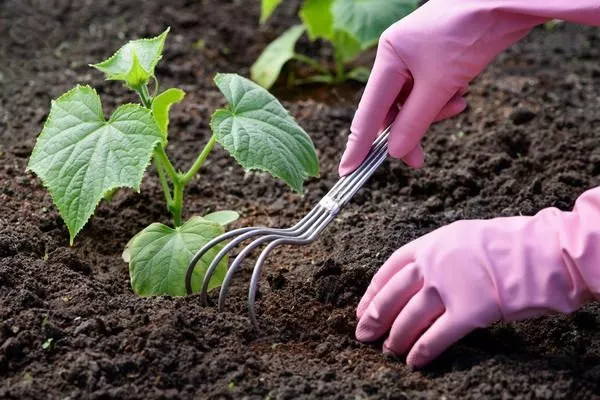
This is a popular method of growing crops, offering advantages such as eliminating the need for seedling preparation and reducing plant stress. Key steps and recommendations for successful sowing:
- Carry out the procedure in late May in southern regions and in early June in cooler climates.
- To protect the plantings from drafts, sow curtain plants nearby, such as corn or sunflowers.
- Dig furrows and plant seeds 20-30 cm apart. The distance between rows is 70-90 cm. When using the hole method (dig holes 30-50 cm apart), plant 2-3 seeds at a time.
- Plant the seedlings to a depth of 2-3 cm, water with warm water and cover the beds with mulch: hay, straw or sawdust.
After the first true leaves appear, thin out the plants, leaving only one of the strongest plants per hole. Carefully pull out or pinch out the remaining ones.
Sowing for seedlings
This is an important stage in crop cultivation, allowing for an earlier, higher-quality harvest. Key steps and recommendations:
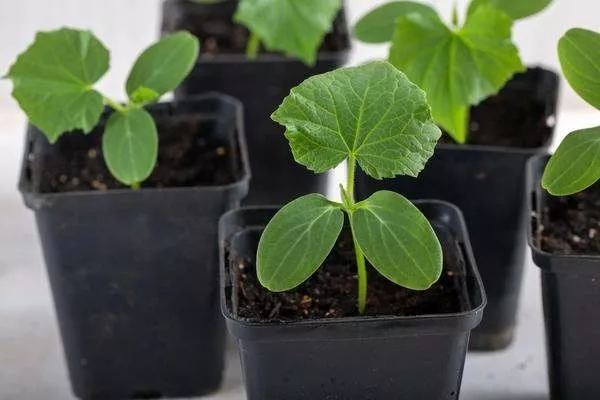
- Use light, fertile soil. The ideal mixture consists of turf, humus, and sand in a 2:2:1 ratio. You can purchase ready-made seedling soil at gardening stores.
- Pour a solution of potassium permanganate over the soil or bake it in the oven at 100-120°C to destroy possible pathogens.
- Use separate seedling cups or trays to avoid damaging the roots during transplanting. Peat pots are the best solution.
- Make holes about 1-1.5 cm deep and place one seed at a time.
- Carefully water the crops with warm water, being careful not to wash away the soil.
- Until seedlings appear, keep containers at a temperature of +25-28°C.
- Cover the containers with plastic or glass to create a greenhouse effect and maintain high humidity. Ventilate the plants daily to prevent mold.
- As soon as the seedlings emerge (usually within 4-7 days), remove the cover and move the containers to a bright location. Cucumbers require plenty of light, so place them on a sunny windowsill or provide supplemental lighting with grow lights.
- Once the seedlings emerge, reduce the temperature to 20-22°C during the day and 16-18°C at night. This will help prevent the seedlings from stretching.
- Seven to ten days before planting outdoors, begin hardening off the seedlings. Gradually reduce the temperature and increase the time the plants are exposed to fresh air, starting with 1-2 hours and gradually increasing to a full day.
- Plant seedlings in open ground when the threat of frost has passed and the soil temperature has warmed up to +15-18°C.
- Prepare the beds by adding organic and mineral fertilizers. Mark out the area according to the planting pattern (space between plants 30-50 cm, between rows 70-90 cm).
Care
Caring for cucumbers involves several key steps. Let's look at each in more detail:
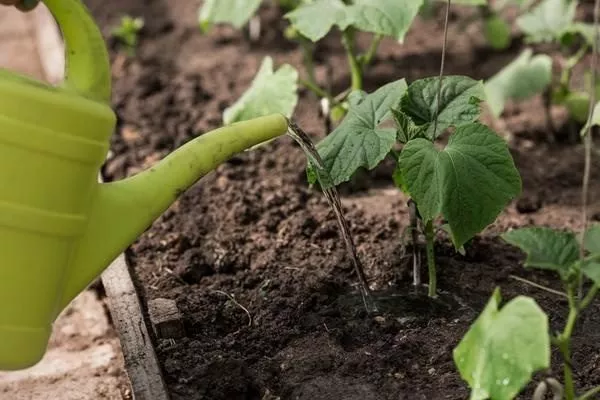
- Watering. The plant requires regular watering, as its root system is located close to the soil surface and requires constant moisture. Water frequently, especially during the period of active growth and fruiting, approximately every 2-3 days.
It's best to use a drip system or apply water directly to the roots to avoid wetting the leaves and fruits, which can lead to diseases. The best time to perform this procedure is morning or evening, when the sun is not as strong. - Top dressing. Seedlings require frequent fertilization to ensure good fruiting. Apply the first fertilization two weeks after planting, then every 10-14 days during the growing season. Use organic (such as mullein infusion) and mineral fertilizers (nitrogen, phosphorus, and potassium).
- Weeding and loosening. Regular weeding is essential to prevent competition for nutrients and water. Loosen the soil around the plants after each watering or rainfall to improve root aeration. Keep the soil no deeper than 5 cm to avoid damaging the roots.
- Tying up. Train your plants on trellises, nets, or other supports. This allows for better ventilation and makes harvesting easier. Use soft ties to avoid damaging the stems.
Remove lateral shoots (stepchildren) to improve ventilation and lighting, which promotes better formation of cucumbers.
Possible difficulties
Various problems can arise during cultivation. Here are the main ones:
- The crop is heat-loving and does not grow well in low temperatures. In cold weather, growth slows, which can impact yield.
- In hot weather, especially at temperatures above 30°C, flowers may fall off and ovaries may not form. This can lead to crop loss.
- Excessive rainfall can cause water stagnation in the soil, which is detrimental to the root system. Conversely, prolonged droughts require frequent watering, otherwise the plants will suffer from lack of moisture.
- Cucumbers require fertile soil with a high organic content. A lack of nutrients can cause poor growth.
- Compacted soil hinders seed germination and root development. It's advisable to loosen the soil and add organic matter to improve its structure.
For successful cultivation, carefully monitor climate conditions, watering regimen, soil quality, ensure good pollination, and minimize stress factors. Following these recommendations will help ensure a good harvest and high-quality fruit.
Diseases and pests
The variety is resistant to powdery mildew, mosaic virus, and brown spot. However, it has lower immunity to some other diseases:
- Gray rot. It appears as a grey-brown coating on the stems, leaves and fruits, which leads to rotting of the plant.
- Downy mildew (peronosporosis). Characterized by the appearance of brown spots and gradual drying of leaves.
- White rot. Soft white growths form near the roots and gradually expand. Uproot and destroy affected bushes, and treat the remaining ones with Bordeaux mixture.
Pests that can attack the plant include aphids and mole crickets, which gnaw at the roots. If these appear, treat the plants with pest control products. The hybrid is resistant to other insects.

Harvesting and storage
The harvest lasts for a long time, right up until the first frost. Pick the greens early to prevent them from turning to the sides. Even then, they retain their flavor.
Advantages and disadvantages
Before planting seeds, make sure you're comfortable with the potential challenges. Adam has both positive and negative qualities. The advantages far outweigh the disadvantages:
Among the disadvantages, gardeners note:
Reviews
Adam cucumbers are a good choice for those who value generous harvests, excellent cucumber quality, and ease of care. Despite some growing conditions requirements, this hybrid justifies the effort with its robustness and flavor. By using proper farming practices, you can enjoy crisp, high-quality fruits all season long.