
The Zayka Moya carrot is a popular variety, sought after for its excellent flavor and high yield. Vegetable growers choose it for its strong immunity and the ability to produce large, high-quality roots. With proper care and minimal maintenance, it will reward you with generous harvests.
Origin
It was developed in Russia in 1979 at the I.V. Michurin Research Institute of Vegetable Growing. Its creator was Honored Worker of Agriculture of Russia V.V. Kazantsev, who crossed two varieties—Krasnodarskaya 13 and Krasnodarskaya 19. It was added to the state register in 1981.
Features of the appearance of the plant and root crops
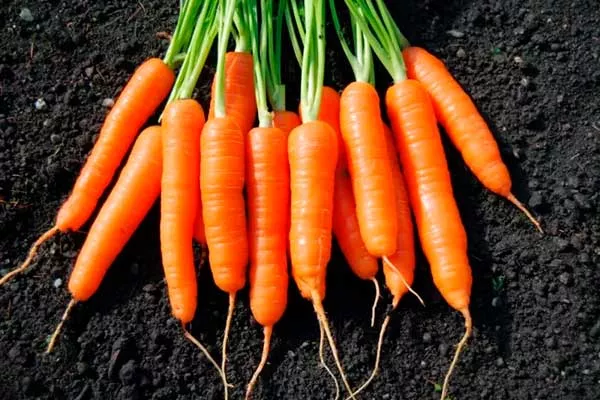
The roots are cylindrical with a blunt end. They reach 15-20 cm in length and weigh up to 120 g. They are smooth and neat, with a small core. The bright orange skin gives them an appetizing appearance.
Characteristics
The Zayka Moya carrot is an excellent choice for fresh vegetable lovers. Its excellent yield and long-lasting shelf life make this variety especially popular among vegetable growers in our country.
Taste qualities
The flesh is juicy and tender. The sweet, high-sugar flavor will pleasantly surprise vegetable lovers, giving this variety an excellent taste.
Maturation and productivity
This mid-season variety ripens in approximately 100-110 days from germination. It is highly productive: under favorable conditions, up to 6-7 kg of root vegetables can be harvested per square meter.
Soil requirements
When choosing a planting site, follow crop rotation principles. Ideal predecessors include tomatoes, cabbage, peas, potatoes, cucumbers, or beans. Avoid sowing seeds after celery, dill, parsley, and other plants in the Apiaceae family.
Onions are considered a good neighbor for the plant, since their aroma repels the carrot fly, and the smell of carrots, in turn, repels the onion fly.
- ✓ Soil pH should be between 6.0-6.8 for optimal carrot growth.
- ✓ The soil must be free of stones and large clods so that the root crops can develop without deformation.
Light, loose soils with good moisture and air permeability are suitable for planting. Apply organic fertilizers, such as manure or well-rotted compost, two years before planting.
Scope of application
This versatile variety is eaten fresh or cooked, and is added to salads and appetizers. It also makes a delicious juice that helps boost the immune system.
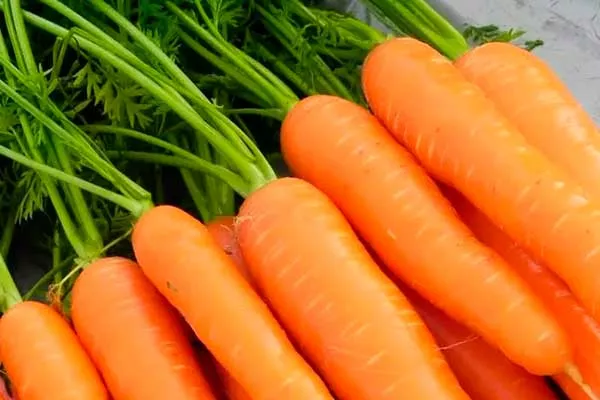
Carrots of this variety are excellent for long-term storage; they are frozen whole or chopped, and used for canning.
Diseases and pests
This variety has good resistance to the main diseases that affect other varieties. However, carrot fly sometimes appears in the beds where this crop is grown. To combat this, use insecticides such as Lepidocide or Confidor.
Carrot 'Zayka Moya': Planting Features
For successful cultivation, choose a sunny location with well-drained soil. Follow these guidelines:
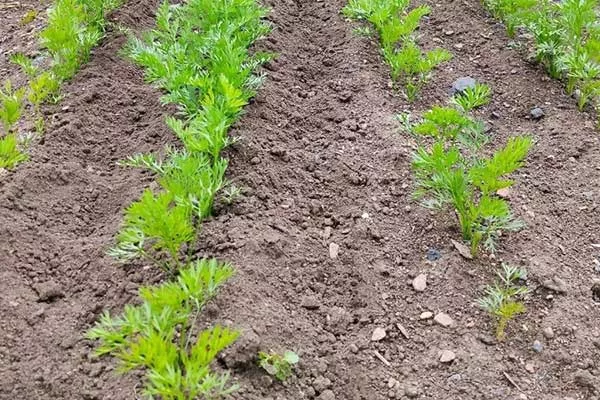
- Plant seeds in spring or autumn to a depth of 1-1.5 cm.
- Place plants at a distance of 10-15 cm from each other.
- Once the seedlings emerge, thin them out, leaving gaps of 5-7 cm.
Further care
When growing this crop, it's important to follow certain rules. To ensure a bountiful harvest, follow these simple agricultural practices:
- During the first 25-30 days after sowing, water the plants 2-3 times a week, using 5-6 liters of water per square meter. During the period of active root growth, water the plants once every 6-8 days, increasing the water consumption to 10 liters per square meter.
Stop watering about 20 days before harvest to prevent cracking of the roots. - Apply fertilizer at least three times during the growing season. Apply the first fertilizer 20 days after germination, using a nitrogen-rich fertilizer to promote active foliage growth. After 30 days, apply phosphorus and potassium fertilizers: nitrophoska (50 g per square meter) and wood ash (20 g per square meter).
A month before digging up vegetables, treat the tops with a boron solution, dissolving 5 g of boric acid in 10 liters of water for spraying.
- Two weeks before planting, add a complex mineral fertilizer to the soil at a rate of 50 g per square meter.
- Three weeks after the seedlings appear, feed the plants with a urea solution (10 g per 10 l of water).
- During the period of active root growth, apply potassium fertilizers (20 g per square meter) to improve taste.
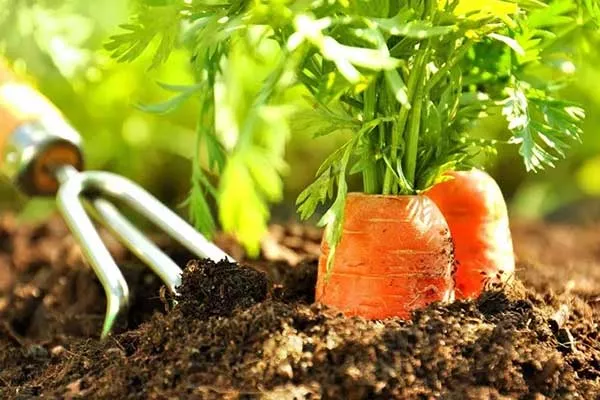
Remove weeds from the beds and between the rows. Maintain a proper watering schedule—either too little or too much moisture will negatively impact root crop growth. The soil should remain consistently moist until the seedlings emerge.
Harvesting and storage
Harvest vegetables in September and October. Follow the recommendations of experienced gardeners:
- To harvest, use a garden fork or shovel to carefully dig up the roots without damaging them.
- Try to dig carrots in dry weather to minimize soil contamination.
- After digging, clear the vegetables from soil.
- Place the dried fruits in the shade in the fresh air to dry, which will help prevent rotting.
- For long-term storage, place carrots in a basement or cellar where the temperature will be maintained at 0-2°C and the humidity will be around 90%.
- Place the root vegetables in clean, well-ventilated containers, such as boxes filled with sand or sawdust.
Check your supplies regularly for damaged or rotten vegetables and remove them to prevent rot from spreading to healthy vegetables.
Positive and negative qualities
Before growing a crop, be sure to research all its advantages and disadvantages to avoid potential problems down the road. The Zayka Moya variety has many advantages:
Reviews
The Zayka Moya carrot boasts many positive qualities, including a pleasant flavor, disease resistance, and ease of care. It's a versatile crop for both beginner and experienced gardeners. It thrives in gardens throughout Russia, delivering generous harvests and excellent marketability.