
One of the most common carrot problems is wilting. It affects both the above-ground and underground parts of the plant. Wilted tops are a warning sign of serious diseases. If left untreated, you could lose a large portion of your harvest.
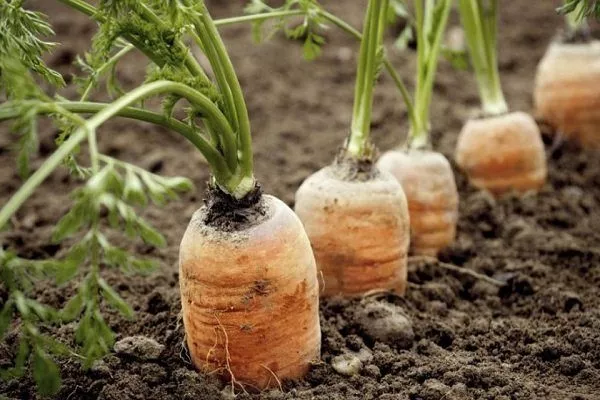
Why do carrots wilt right in the garden?
Healthy and strong carrots, once dug from the ground and properly stored, can retain their marketable appearance for a long time. If the roots quickly become limp and soft after being lifted, it indicates a gardening error.
Violation of crop rotation
Any agricultural crop can suffer from improper crop rotation, and carrots are no exception. When vegetable planting is done incorrectly, the soil becomes depleted, diseases become more prevalent, and yields significantly decrease.
The main rule of crop rotation is that root crops are not replanted on the plot earlier than after 4 years.
Favorable predecessors of carrots:
- cabbage;
- potato;
- onion;
- garlic;
- strawberry.
Unfavorable:
- beet;
- celery;
- parsley;
- radish.
Good neighbors for carrots are tomatoes and legumes.
Excess moisture
Overwatering negatively impacts the quality of root vegetables. This situation occurs with heavy rainfall or too frequent watering. The moisture accumulated in the roots causes them to crack and promotes fungal diseases.
- ✓ The optimal depth of groundwater should not exceed 1.5 m to prevent waterlogging.
- ✓ The water temperature for irrigation should not be lower than 15°C to avoid stress on plants.
Cracks and fungus cause carrots to soften, causing them to quickly wilt and lose their original firmness.
How to avoid overwatering carrots:
- do not plant the crop in areas with high groundwater levels;
- follow the regime and norm watering carrots;
- 14-20 days before harvesting, stop watering completely.
Excess nitrogen in the soil
Nitrogen added to the soil in the form of mineral fertilizers accumulates in root crops. This not only makes them harmful to humans but also leads to rapid spoilage.
Root vegetables high in nitrates are more vulnerable to disease and store poorly. To avoid excess nitrogen in carrots, feed with complex fertilizers, diluted in a lower dosage than indicated in the instructions.
Poor quality seeds
The future harvest depends on the quality of the planting material. To prevent losses from diseases, seeds should be treated before planting. landing Carrots must be treated with a dressing. If this is not done, the carrots risk developing black rot, bacterial blight, and cercospora leaf spot.
- ✓ The seeds should have a uniform color without spots, which indicates the absence of fungal diseases.
- ✓ When immersed in water, high-quality seeds sink, while low-quality ones float.
Causes of wilting and softening of carrots
Healthy carrots have firm, bright green tops. Gardeners are unaware of many carrot diseases, as they remain hidden during the growing season and only become apparent during storage. But if the tops are wilting, it's immediately clear that the crop needs to be saved.
Eat carrot diseases, which are practically invisible in the summer. They become active during storage, causing softening and rotting of root vegetables.
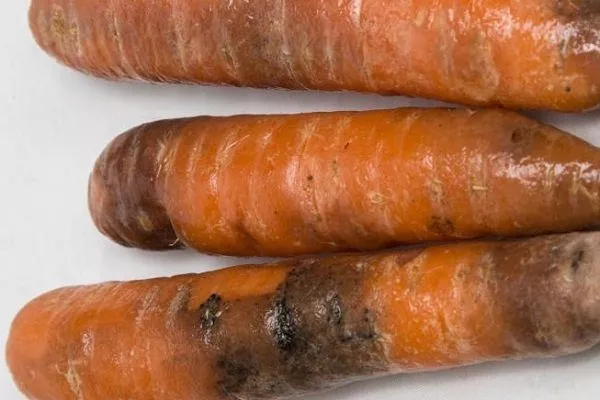
Bacterial soft rot
Symptoms of the disease appear while the roots are still growing and develop after storage. The disease is soil-borne and can also be transmitted by carrot fly larvae.
Causes the disease:
- too warm cellar;
- enhanced fertilization with nitrogen fertilizers;
- bookmark of raw or frozen carrots.
The development of bacterial rot can be guessed by the wilted and darkened tops and the slime that appears on them.
White rot
This is the most common carrot disease. It is caused by sclerotinia, a type of fungus. Affected carrots quickly soften and become waterlogged, but remain colorless. They then become covered with a white, cottony coating.
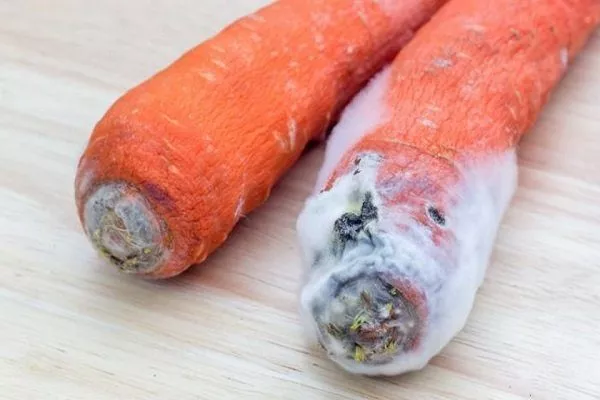
Carrots infected with white rot and stored for storage initially appear indistinguishable from healthy roots. Then, the roots rapidly deteriorate, and they are beyond saving.
White rot spreads when exposed to high temperatures and humidity. The fungus is highly contagious.
Gray mold
This fungal disease typically appears on root vegetables during storage, but can sometimes also affect the tops. Dusty clumps appear on the leaves. The roots become hairy and unsuitable for eating or storing.
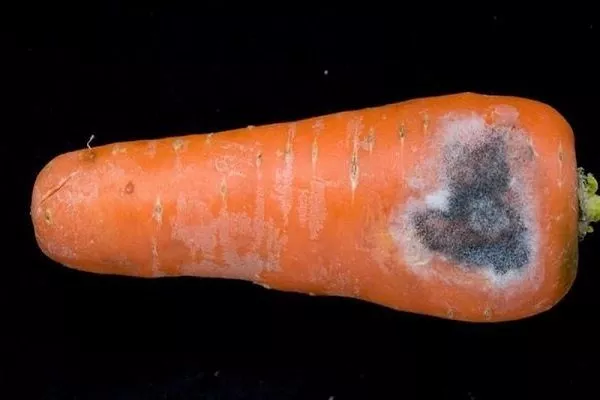
In the case of a non-aggressive form of gray rot, the root crops should be dug up as soon as possible; if the affected parts are cut off, the carrots can be eaten.
Powdery mildew
This fungal disease, which is more active in warm and damp weather, affects all parts of the carrot, including the tops, where a white, powdery coating appears, which gradually thickens and turns gray.
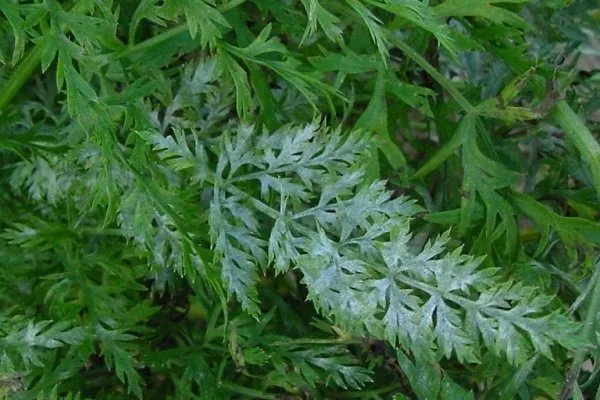
The affected tops lose the ability to photosynthesise, the entire plant becomes depressed, and is unable to grow and produce a harvest.
Signs of powdery mildew:
- root vegetables are wilted and soft;
- The leaves are covered with a white-gray coating, later they become dark, curl up and die off.
Powdery mildew is provoked by dryness, wind, and an excess of nitrogen in the soil.
Cercospora leaf spot
This fungal disease is easily diagnosed by its external signs: light brown spots appear on carrot leaves. This disease is widespread, especially in waterlogged soils. It typically occurs during rainy weather, around midsummer.
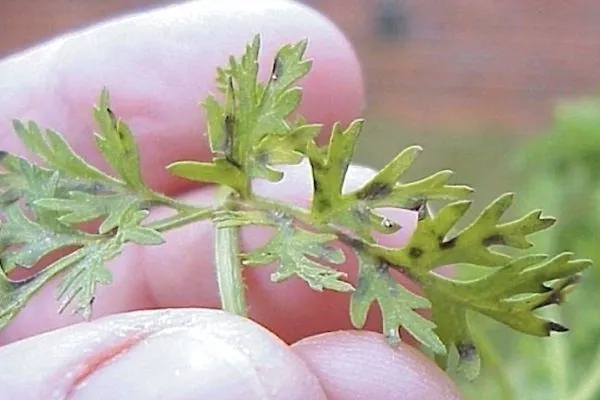
If the damage is severe, the leaves begin to die prematurely, and the roots become smaller, wrinkled and soft.
Such carrots are not suitable for storage.
Fusarium rot
This is a fungal disease spread through the soil. If the soil is contaminated, no crops should be grown there until it is completely disinfected. The disease is triggered by elevated air temperatures during harvesting.
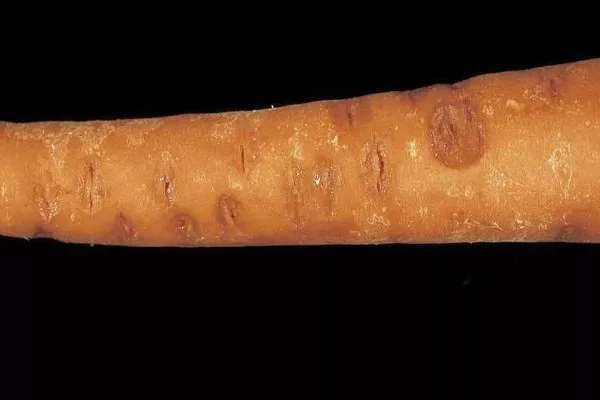
Fusarium rot attacks root vegetables. They become covered in ulcers and crack, then become wrinkled and flabby. They lose moisture, become dry, and become covered with a white coating with a yellow-pink tint.
Pests
Carrots aren't a crop that can't grow without special treatment with pesticides. There aren't many insects that eat their roots and tops. But if you neglect your garden and don't pay attention to preventative measures, pests can ruin up to 90% of the harvest.
Pests that cause carrots to wilt:
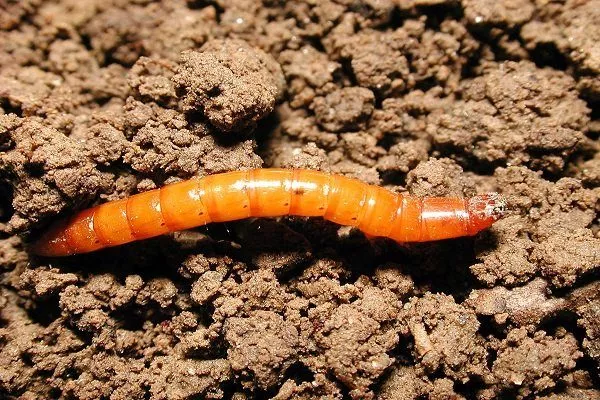
- Wireworm. These hard, yellow worms are the larvae of the click beetle. They live underground and burrow long passages into root crops.

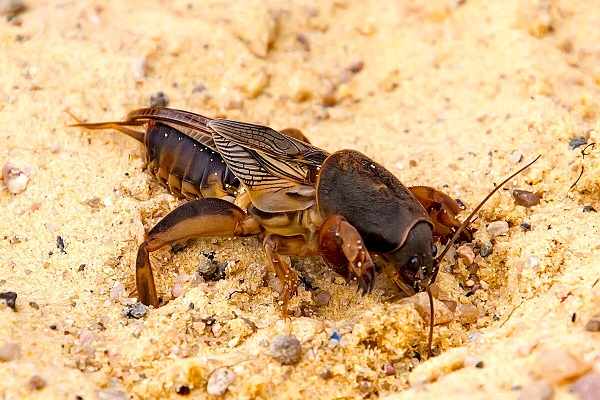
- Mole cricket. This large underground insect gnaws at the roots and tubers of plants. This pest can ruin almost an entire crop.
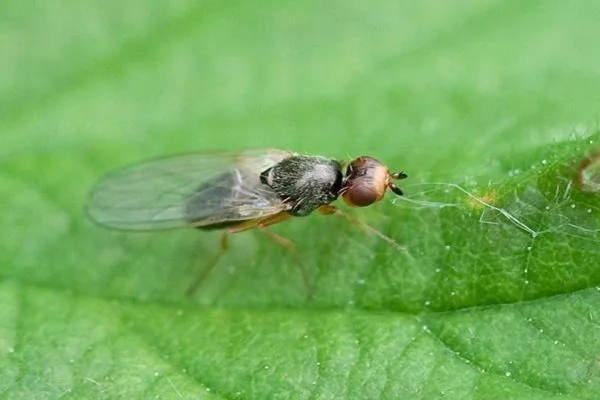
- Carrot flyA black insect with yellow, translucent wings. Female flies lay eggs at the base of stems. The hatched larvae eat through the root vegetables. These vegetables are not edible.
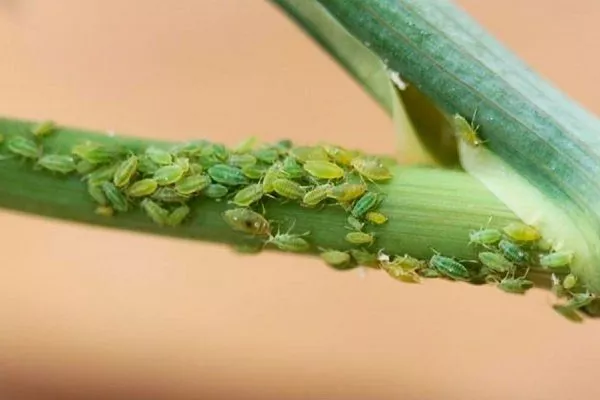
- AphidThe insect sucks the juices from the above-ground parts of the plant. This leads to weakening of the plants and smaller root crops.
The main vectors of aphids are ants. All ant nests in the area must be destroyed.
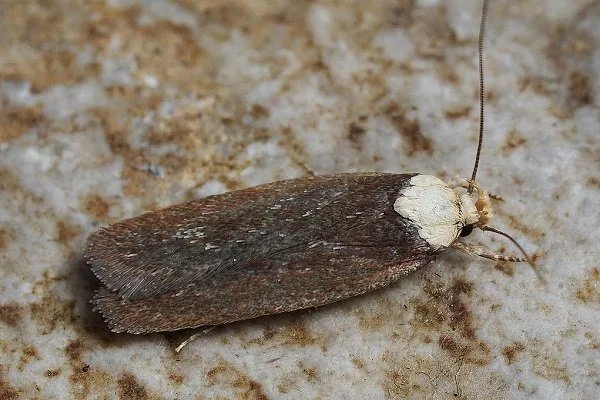
- Carrot moth. The adult dark-brown butterfly emerges in the second half of July. Brownish-pink caterpillars with black heads emerge from the eggs. They entangle plants in a web and damage the above-ground parts, causing the tops to wilt and the carrots to become smaller.
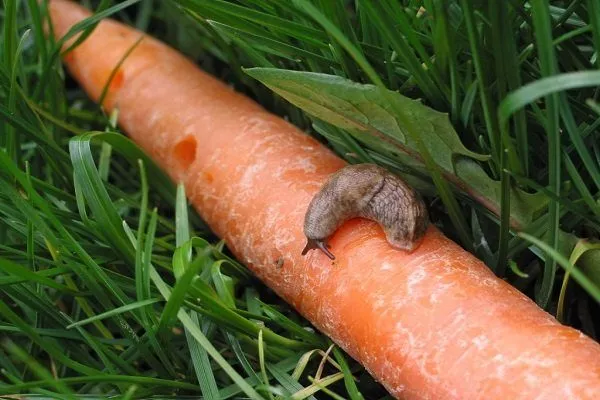
- Naked slugs. They consume all parts of the plant, including sown seeds. These gastropods reach 6 cm in length. They are very voracious and can cause significant damage to carrot beds in a single night. They eat the plants, damaging the roots and causing the tops to wilt.
Pest and disease control
If carrots wilt in the garden, and their roots become soft, spoiled, and wrinkled, the harvest cannot be saved. It's essential to take action at the very onset of the disease, or better yet, before the problem even arises.
If signs of damage appear, it is necessary to take measures adequate to the problem:
- Diseases. Spray your beds with universal fungicides, such as Quadris or Bravo. Or use biological preparations such as Fitosporin-M or Gliokladin. They both treat and prevent diseases.
- Pests. To combat aphids, carrot flies, and moths, spray your garden beds with Inta-Vir, Actellic, and similar broad-spectrum insecticides. Use Medvetoks against mole crickets. Bazudin or Aktara are effective against wireworms. The biological product Etonem-F is also effective against many pests.
You can read the instructions for use and dosage of the medications on their packaging.
Preventive measures
The most effective way to prevent carrot blight and preserve the harvested crop is to prevent the problem from occurring. This is achieved through agricultural practices and proper storage preparation.
Preventive measures:
- To disinfect the seeds, immerse them for 20 minutes in a light solution of potassium permanganate or the fungicide "Rovral" (1 g per 1 liter of water).
- Treat the storage area with bleach. Dissolve 400 g of bleach in 10 liters of water. Ventilate the area afterward.
- Whitewash the shelves in the cellar with lime mortar – dilute 1 kg of lime in 10 liters of water.
- A couple of weeks before sowing, add a nutrient mixture to the soil. To do this, mix 5 kg of humus, 20 g of superphosphate, and 15 g of potassium chloride. The dosage is calculated per 1 square meter of garden beds.
- Spray plants with Trichodermin, Gamair and other preparations that prevent the occurrence of diseases.
- Plant varieties that are resistant to rot.
- Weed your garden beds regularly, as weeds are a source of diseases and pests.
- Thin out carrots early in the growing season, as overcrowding can encourage various diseases.
To prevent carrots from spoiling prematurely, rotting, or shriveling, they need to be stored in favorable conditions.
How to avoid spoilage of root vegetables during storage:
- Maintain the storage temperature at 0…-2 °C. Optimum relative humidity is 85-90%.
- Treat the storage area with sulfur checkers.
- Destroy affected root crops.
- Do not wash carrots before storing them in the cellar.
- Water the beds with warm, settled water.
Compared to many other vegetables, carrots are an undemanding crop, so many gardeners pay less attention to them than other vegetables. This often leads to a deterioration in the quality of the root vegetables. Strict adherence to proper cultivation practices and carrot storage guidelines can help prevent crop loss.
Thanks for the helpful information. I'm constantly faced with the problem of carrots wilting in my garden.