
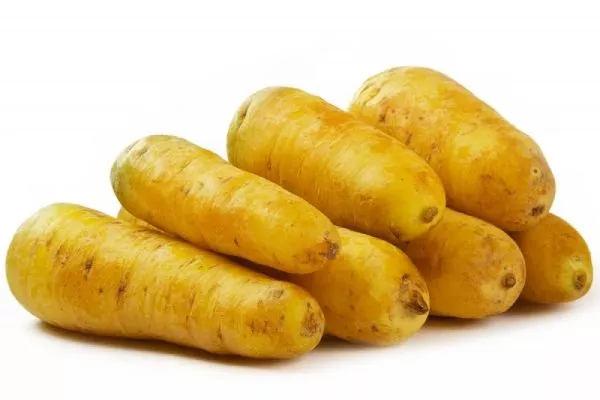
The Uzbek Yellow carrot is a variety that has gained popularity thanks to its unique characteristics and excellent taste. It boasts a striking yellow color and is renowned for its high yield and resistance to climate change. With proper care, this variety will produce large, abundant fruits.
Introduction to the variety
This variety is considered a mid-season variety. The period from sowing to harvest is approximately 110-120 days. It is characterized by high yields. With proper cultivation practices, up to 5-6 kg of root vegetables can be obtained per square meter.
Appearance, taste, purpose
Uzbek yellow carrots are a healthy variety that's eaten fresh and used in a variety of dishes. Their vibrant color and sweet aroma make them a beautiful addition to any table.
Characteristics of the culture:
- Leaves - thin, feathery, green in color.
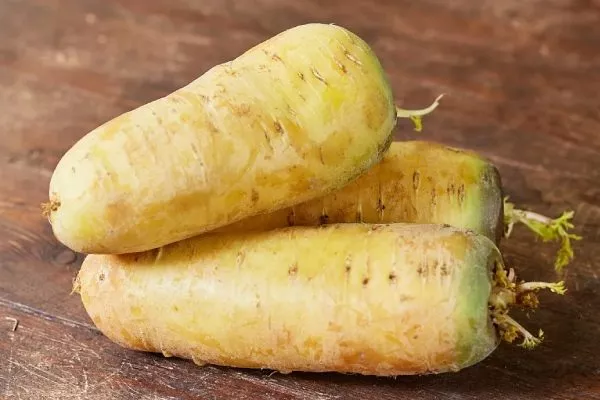
- Coloring – bright yellow.
- Length - 20-25 cm.
- Weight - about 200 g.
- Aroma – sweet and pleasant.
- ✓ Bright yellow color of root vegetables, which does not change during heat treatment.
- ✓ Sweet aroma that intensifies after harvest.
Growing and care
For successful growing, choose a sunny location with well-drained soil. Carrots prefer light to medium loam with a neutral or slightly acidic soil reaction (pH 6-6.5).
- ✓ The depth of the fertile layer should be at least 30 cm to ensure free growth of root crops.
- ✓ The humus content in the soil should be at least 3% to ensure the necessary nutrition of plants.
Follow the recommendations:
- In the fall, dig the soil to a depth of 25-30 cm. Remove weed roots and plant debris. Add organic fertilizer (humus or compost) at a rate of 4-5 kg per 1 sq. m.
- One to two weeks before sowing, dig the soil again. Loosen the soil with a rake and level the surface. Apply complex mineral fertilizers (nitrogen, phosphorus, and potassium) according to the instructions.
- Sow seeds in early spring when the soil warms to 4-6°C. In some regions, winter sowing is possible.
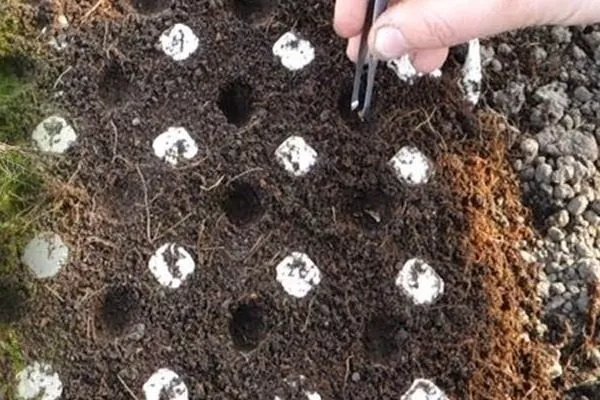
- Make furrows 1.5-2 cm deep with a distance of 20-25 cm between rows.
- Spread the seeds evenly along the furrows.
- Cover with a thin layer of soil and compact lightly.
After the procedure, take care of your skin thoroughly:
- Watering. Carrots require regular watering, especially during germination and root formation. Water the plants 1-2 times a week, depending on weather conditions. Avoid soil erosion and exposing the vegetables.
- Top dressing. 2-3 weeks after emergence, apply nitrogen fertilizers (e.g., ammonium nitrate) at a rate of 10-15 g per 1 sq. m. At the stage of 4-5 true leaves, apply complex mineral fertilizers (e.g., nitroammophoska) according to the instructions.
At the beginning of root formation, add potassium fertilizers (for example, potassium salt) at a rate of 15-20 g per 1 sq. m. - Thinning. Carry out the procedure in two stages:
- When the plants have 2-3 true leaves, leave 2-3 cm between them.
- When the root vegetables reach a diameter of 1-2 cm, increase the distance to 5-6 cm.
- Loosening and weeding. Loosen the soil after each watering or rain to prevent crusting and improve aeration. Regularly remove weeds, which can compete with carrots for moisture and nutrients.
- Protection from diseases and pests. The crop is susceptible to the following diseases: powdery mildew, black rot, and bacterial spot. Use fungicides (Topaz, Fundazol, HOM) for prevention and treatment.
When attacked by pests (carrot fly, carrot psyllid, nematodes) use insecticides (Aktara, Decis) and nematicides (Nemabact).
Preventive measures:
- Do not plant the crop in the same place for several years in a row.
- Treat seeds with fungicides before sowing.
- After harvesting, remove and destroy all plant debris.
By following these recommendations, you can grow healthy and high-quality vegetables.
Reviews
The Uzbek Yellow carrot is a true treasure trove of flavor and nutrition, easily grown in your own garden. Thanks to its resistance to diseases and climate conditions, this variety is an excellent choice for both beginners and experienced gardeners. The key is to ensure proper and timely care.