
There are many varieties of carrots. Most gardeners focus on the timing of planting outdoors and the growing season—the earlier the fruit can be harvested, the better. This article discusses early, mid-season, and late-season carrot varieties.
| Name | Ripening period (days) | Root length (cm) | Root crop weight (g) |
|---|---|---|---|
| Alenka | 90-100 | 14-16 | 300-500 |
| Queen of Autumn | 117-130 | 20-25 | 60-180 |
| Carotan | 135-140 | 25 | 250-405 |
| Chance | 100-110 | 20 | 200 |
| Losinoostrovskaya 13 | 80-90 | 18 | 150-200 |
| Moscow winter A 515 | 90-98 | 16 | 170 |
| Research Institute of Oncology and Microbiology 336 | 110-120 | 20 | 110 |
| Tushon | 80-90 | 15-20 | 150-200 |
| Flaccoro | 120-140 | 30 | 135-200 |
| Bangor F1 | 110 | 16-20 | 120-200 |
| Boltex | 100-125 | 10-16 | 200-350 |
| Darling | 80-90 | 15 | 160 |
| Biryuchekutskaya 415 | 68-120 | 16 | 54-115 |
| Incomparable | 120 | 17 | 210 |
| Perfection | 117-150 | 4:30 PM | 120-200 |
| Rogneda | 105-108 | 20 | 90-100 |
| Artek | 60-85 | 16 | 80-130 |
| Samson | 110-120 | 25 | 150 |
| Leander | 117-130 | 30 | 170 |
| Nantes 4 | 90-120 | 11-17 | 100-150 |
| Fun F1 | 80-100 | 20 | 230 |
| Bureau | 65-70 | 16-18 | 75-250 |
| Mango | 80-120 | 16-17 | 75-250 |
| Canada F1 | 125-130 | 20 | 120-180 |
| Red Ace | 95 | 11-16 | 95-170 |
| Lenochka | 78-85 | 15-16 | 150 |
| Orange Muscat | 80-90 | 15-16 | 100-160 |
| Fairy | 95-105 | 18-20 | 200 |
| Nandrin F1 | 95-105 | 20 | 150-250 |
| Vitamin 6 | 75-100 | 17 | 150-200 |
| Shante Royal | 98-110 | 15-17 | 100-250 |
| Emperor | 100-110 | 25 | 250 |
| Lydia F1 | 85-90 | 27 | 100 |
| F1 News | 100 | 20-22 | 100-230 |
| Abaco | 115-130 | 18-20 | 100-225 |
| Amsterdam | 90 | 14-20 | 165 |
| Minicor F1 | 70-84 | 13-15 | 80-100 |
| Sirkana F1 | 110-125 | 22-24 | 50-165 |
| Flakke | 90-120 | 20-30 | 180-220 |
| Parmex | 100 | 5 | 30-50 |
| Dragon | 85-90 | 25 | 150 |
| Finchor | 80 | 15 | 150 |
| Red Giant | 150-160 | 25 | 150 |
| Vita Longa | 110-120 | 25-35 | 100-250 |
| Karini | 116 | 15 | 100-160 |
| Cascade F1 | 100-130 | 22 | 50-80 |
| Anastasia F1 | 120-125 | 20-22 | 170 |
| Laguna F1 | 80-85 | 15-20 | 170 |
| Shantane | 90-130 | 15 | 250 |
| Callisto F1 | 92-110 | 22 | 135 |
| Totem F1 | 130-140 | 25 | 120-145 |
| Tinga F1 | 130-140 | 25 | 100 |
| Darina | 130-150 | 24 | 200 |
| Sugar Lakomka F1 | 110-130 | 25 | 200 |
| Mikulovskaya | 90 | 15 | 100-200 |
Alenka
A mid-early variety. Fruit ripens in 90-100 days. These carrots have orange flesh and skin. They have excellent flavor. The flesh is firm, sweet, and aromatic. Carrots are 14-16 cm long and weigh 300-500 g. This variety is grown outdoors. Up to 10 kg of ripe carrots can be harvested per square meter.
The variety is resistant to many diseases. It grows well in soils previously occupied by early potatoes, cabbage, onions, cucumbers, and tomatoes. It can be stored throughout the winter.
Queen of Autumn
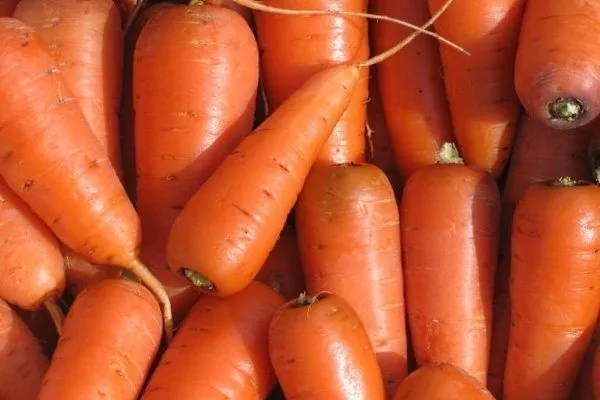
A late-ripening variety that attracts gardeners due to its uniformly shaped fruits. Ripe fruits are harvested in 117-130 days. Each carrot is 20-25 cm long and weighs 60-180 g on average. The skin and flesh are bright orange with a reddish tint. The flesh is juicy and sweet.
For growing this variety, it's best to choose sites with loose soil. Favorable conditions will ensure seedlings emerge two weeks after sowing.
Carotan
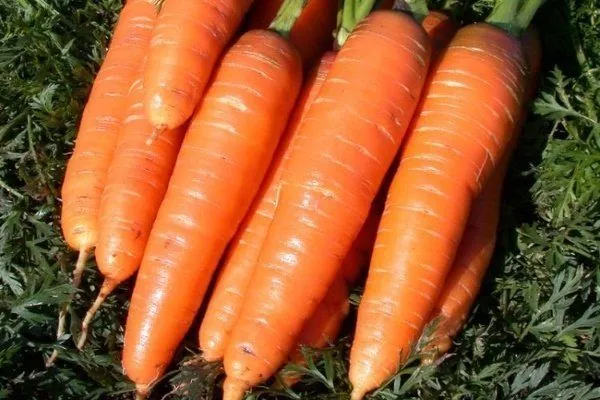
A late-ripening variety. It takes 135-140 days from germination to technical maturity. Suitable for commercial cultivation, the yield is very high. With simple care, you can harvest 250-405 centners of ripe carrots per hectare by the end of the growing season.
The roots are dense and heavy, orange-hued, and 25 cm long. Plant in well-lit areas with fertile soil. This variety is suitable for processing and storage.

Chance
A mid-season variety recommended for baby food. It is prized for its long shelf life. Seeds are treated with a growth stimulant before sowing, which increases yield and accelerates ripening.
The roots are orange-red. Carrots ripen 100-110 days after sowing. They weigh up to 200 g and reach a length of 20 cm. The flesh is aromatic, juicy, and slightly sweet.
Losinoostrovskaya 13
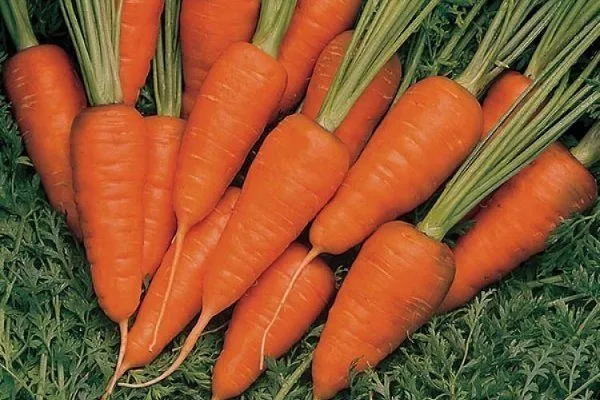
Many gardeners choose this variety for growing in their plots. This popularity is due to its high yield, resistance to low temperatures, and long shelf life. The crop is used for making juices and purees.
The fruits are up to 18 cm long and weigh 150-200 g. The growing season lasts 80-90 days. Regular watering and weed control are required. Seeds are sown in the fall or spring.
Moscow winter A 515
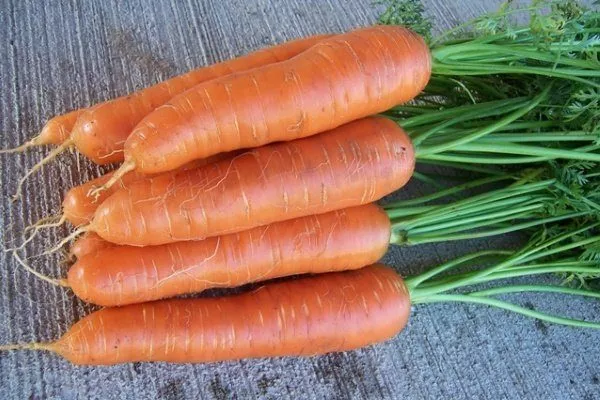
A mid-season variety. It takes 90-98 days from sowing to full fruit maturity. Seeds can be sown before winter. When sown in winter, this variety is suitable for harvesting bunches 10 days earlier than other varieties. It is grown throughout Russia. It also produces good results when sown in April-May.
The roots are bright orange. Each vegetable is 16 cm long and weighs 170 g. Up to 7 kg of ripe carrots can be harvested from 1 square meter.
Research Institute of Oncology and Microbiology 336
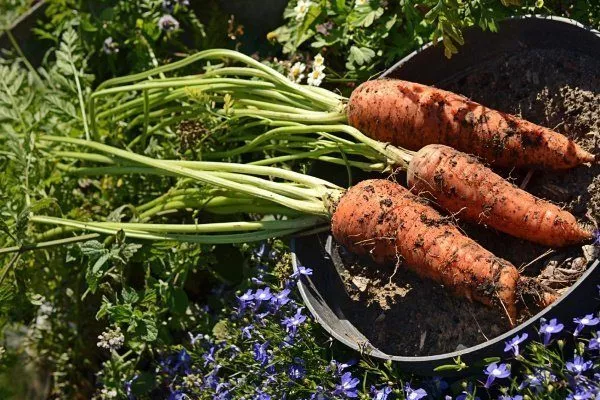
A hybrid crop, it matures 110-120 days after the first shoots emerge. However, when growing carrots in southern Russia, the growing season lasts only 80-90 days. Planting takes place in early April, when the soil has warmed up and frosts are no longer a concern.
The roots are orange. They reach 20 cm in length and 4-5 cm in diameter. They average 110 g in weight. The flesh is juicy. This variety is characterized by excellent taste.
Tushon
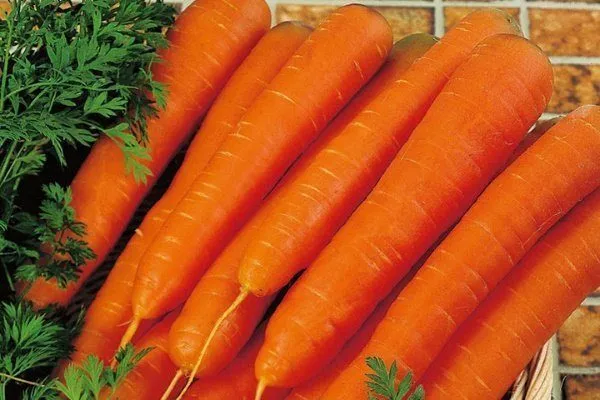
An early-ripening variety belonging to the Amsterdam type. Fruit ripens quickly and uniformly when grown outdoors. An advantage of this variety is its increased tolerance to temperature fluctuations.
The growing season lasts 80-90 days from sowing until the fruits ripen. Carrots have a uniform shape and almost invisible eyes. At 15-20 cm in length, they weigh no more than 150-200 g. The flesh is tender with a distinct carrot aroma. A gardener can harvest 4-5 kg of root vegetables per square meter.
Flaccoro
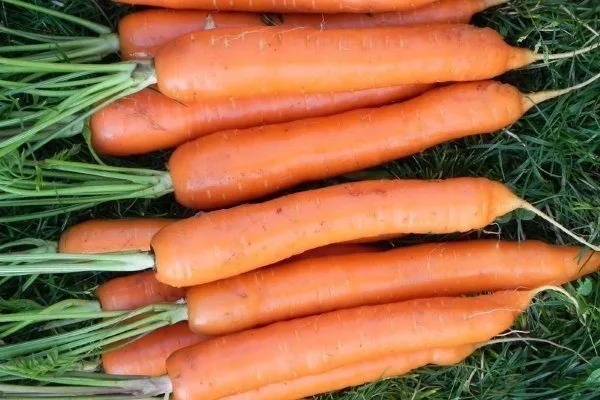
A late-ripening Dutch variety characterized by excellent flavor. The roots have excellent appearance, uniform fruit, and are resistant to cracking.
The ripening period is 120-140 days. The carrots have a rounded core when cross-sectioned. The flesh is orange, juicy, and rich in carotene. The skin is bright orange. The fruits reach 30 cm in length and weigh 135-200 g. The harvest is in September, with seeds sown in April-May. 3.5-5.5 kg of fruit are harvested per square meter.
Bangor F1
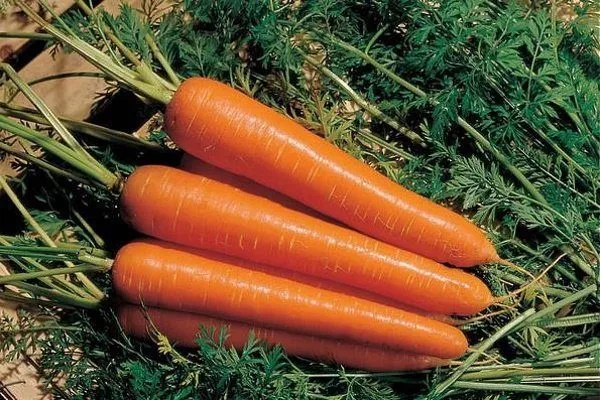
A Dutch hybrid, classified as a "Berlik" variety due to its appearance. It's recommended to sow seeds as early as April, after frosts and prolonged cold spells have passed. The carrots ripen in 110 days. Loose sandy loams and light loams are best for growing.
The vegetable has a cylindrical shape with a rounded end. The carrot averages 16-20 cm in length and weighs 120-200 g. The skin is a rich orange. The flesh has a pleasant aroma.
Boltex
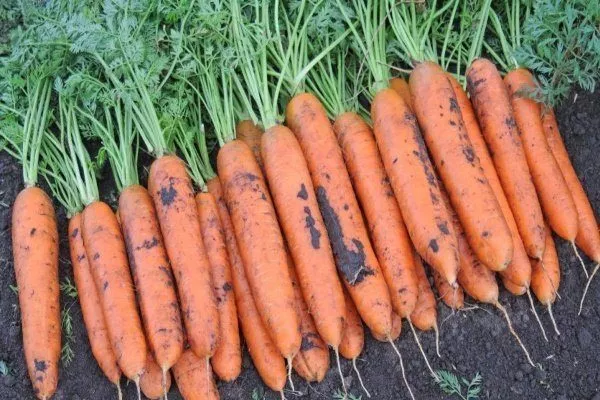
A mid-season variety suitable for fresh consumption, processing, and long-term storage. From sowing to full ripening, the fruit takes 100-125 days. This variety performs well in all soil types, including heavy chernozem soils.
The roots are conical and even in shape, 10-16 cm long and weigh 200-350 g. The skin is deep orange, the flesh is dense, sweetish, with a high content of carotene.
Darling
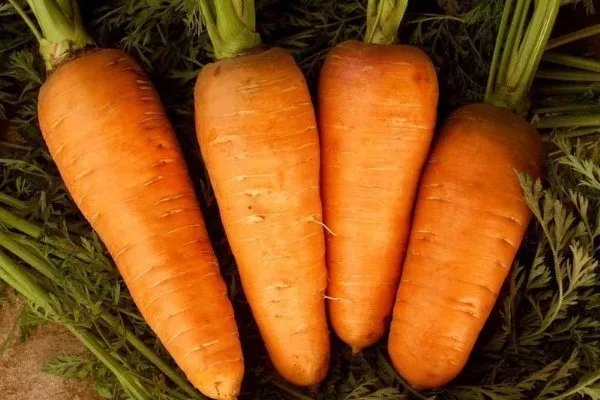
An early-ripening variety, ripening in 80-90 days. Seeds are sown in April and May. The Lyubimaya variety is prized for its excellent shelf life and resistance to cracking. These carrots are used for consumption, processing, and storage.
Ripe fruits are cylindrical, reaching up to 15 cm in length and weighing approximately 160 g. When sown in the fall, the fruits appear early, within three months.

Biryuchekutskaya 415
A mid-season variety suitable for fresh consumption and storage. Characterized by excellent flavor and good shelf life of its roots, it prefers well-lit areas with loose, fertile sandy loam or light loam soil.
Conical carrots with orange skin and flesh reach up to 16 cm in length. The root weight ranges from 54 to 115 g. From germination to technical maturity, it takes 68 to 120 days. A gardener can harvest 4-7 kg of ripe carrots per square meter.
Incomparable
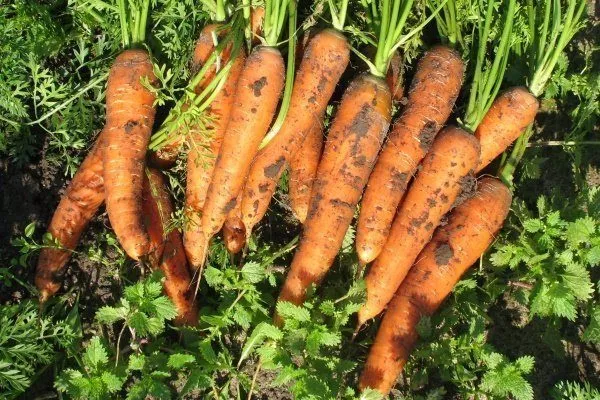
A late-ripening variety. The fruits ripen only after 120 days. They are cone-shaped with a blunt end. The fruit is large: averaging 210 g in weight and approximately 17 cm in length. The skin is a rich orange, with numerous small, light-colored eyes on the surface.
The flesh is bright orange, crisp, and aromatic. This variety is prized by gardeners for its excellent taste, ease of care, and high yield, with up to 7 kg of ripe fruit harvested per square meter.

Perfection
A late-ripening variety prized by gardeners for its good shelf life and resistance to soft rot, cracking, and drought. It contains a high amount of beta-carotene. Carrot seeds are sown in April-May and October-November. They are grown outdoors.
From germination to full maturity, it takes 117-150 days. The carrots are conical in shape with a blunt end and are bright orange in color. Each carrot reaches 16-30 cm in length and weighs 120-200 g. Gardeners harvest 2.5-5 kg of ripe fruit per square meter.
Rogneda
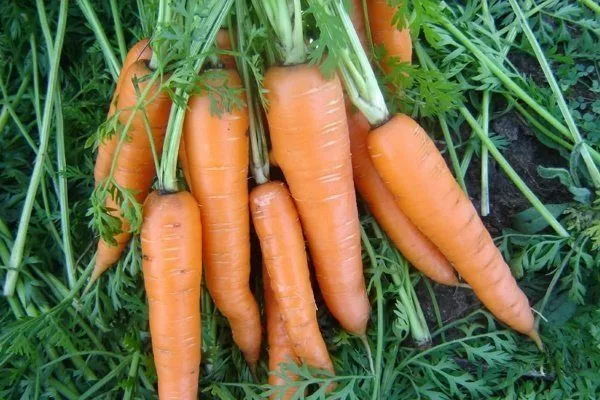
A mid-season variety grown outdoors. Sow seeds in late April to early May, choosing well-lit areas with loose soil. The fruits are attractive, crisp, not firm, and moderately juicy.
From germination to full ripening, the roots take 105-108 days. The fruits are cylindrical, with orange skin and a fleshy hue several times brighter. Each fruit weighs 90-100 g.

Artek
An early variety recommended for outdoor cultivation with winter, spring, and summer sowing. It prefers loose, fertile soil. Ripening time is only 60-85 days. This variety is prized for its high content of carotene, sugars, and dry matter.
The roots are thick and cylindrical. Each fruit reaches 16 cm in length and weighs 80-130 g. The skin and flesh are orange. The smooth surface of the carrots has faint eyes. Gardeners harvest 4.2 to 6.7 kg of mature roots per square meter.

Samson
A mid-early Dutch variety. Plants have a semi-spreading rosette and green, half-dissected leaves. The period from germination to technical maturity averages 110-120 days.
The root vegetable is smooth, cylindrical, and large: about 25 cm long and up to 150 g in weight. It has a smooth surface and a slightly pointed tip. The skin and flesh are bright orange. The flavor is sweet. When cut, a distinct aroma is noticeable.
Leander
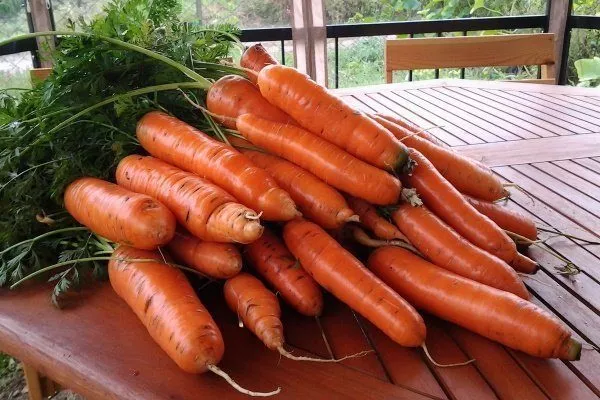
A mid-season variety. Gardeners grow it both for fresh consumption and for canning. The fruits are easily identified by their uniformity and firmness; they have an elongated, cylindrical shape. The variety is disease-resistant and has excellent flavor. The time from sowing to root ripening is 117-130 days.
The fruits have orange skin and orange flesh. Each root weighs up to 170 g and reaches up to 30 cm in length. The seeds are sown in March in open ground, choosing sunny areas where early potatoes, tomatoes, or cabbage were previously grown. 3.8-9 kg of carrots are harvested per square meter.

Russian size
A vegetable plant, particularly valued for its vitamin A content. This variety thrives in moderately moist soil. If the moisture level exceeds the permissible limits, the fruits may crack. These carrots are not only tasty and crunchy, but also have a beautiful appearance.
This is a large, smooth, bright orange beetle with a smooth surface. A single root reaches up to 30 cm in length and can weigh up to 1 kg.
Nantes-4
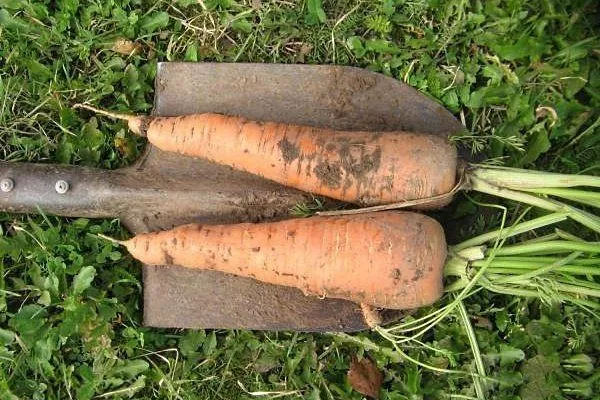
This is a good mid-season variety, suitable for spring or winter sowing. The growing season lasts 90-120 days. Seedlings emerge uniformly. It is characterized by a high yield, with up to 6.5 kg of fruit harvested per square meter.
The cylindrical roots reach 11-17 cm in length, up to 6-8 cm in diameter, and weigh 100-150 g. The skin and flesh are bright orange. The flavor is excellent: rich aroma, sweet and crisp flesh, and juicy core with a slightly bland flavor. When ripe, the head of the root turns purple or greenish.
Fun F1
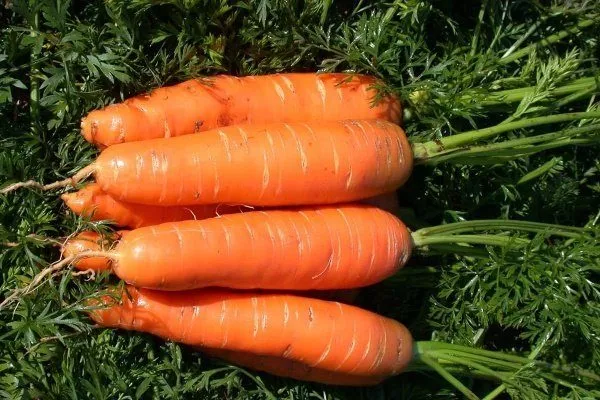
An early hybrid variety with a rich flavor. Suitable for cluster production and winter storage. From germination to fruit ripening, it takes 80-100 days.
The roots are cylindrical with a blunt end, reaching over 20 cm in length and weighing approximately 230 g. The carrots have a juicy and sweet flavor and a pleasant aroma. Timely watering ensures high yields, allowing you to harvest up to 6 kg of fruit per square meter.
Bureau
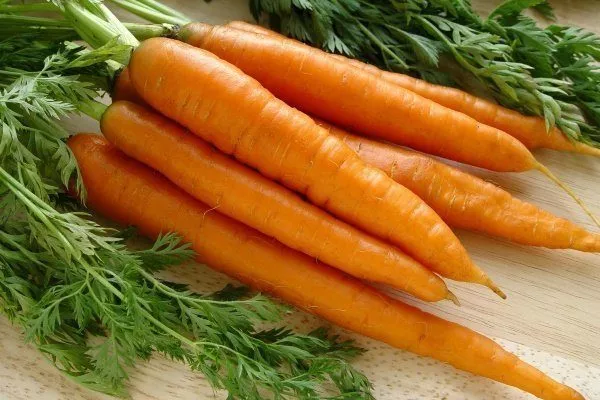
An ultra-early variety, the seeds of which are sown in March-May and October-November. The harvest takes 65-70 days. Plants require regular and moderate watering. The Buro variety is resistant to disease and bolting, and the fruits can be stored for 3-4 months.
Carrots with bright orange skin have a smooth, even shape and juicy, tender flesh. A single carrot can weigh between 75 and 250 g and be 16-18 cm long.

Mango
A mid-season variety with excellent flavor and yield. From germination to technical maturity, the fruit takes 80-120 days. It has a high shelf life of 91-97%. The fruit is suitable for fresh consumption or canning.
The conical, blunt-ended fruits are intensely orange. They reach 16-17 cm in length and about 6 cm in diameter. Each fruit weighs 75-250 g. The flesh is juicy, tasty, and aromatic. By the end of its shelf life, it may lose its crunch and become rubbery.
Canada F1
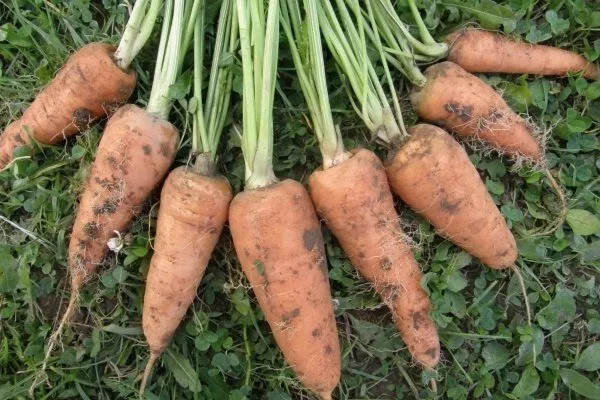
The main advantage of this hybrid is its excellent marketability. The fruits are very uniform, without any defects. It takes 125-130 days from sowing the seeds to ripening the roots.
The fruits are large, reaching up to 20 cm in length and 4-5 cm in diameter. On average, one carrot weighs 120-180 g. The shape is semi-conical with a pointed end. The skin and flesh are bright orange. The plants require regular and moderate watering. Up to 7.7 kg of ripe fruits can be harvested per square meter.

Red Ace
A versatile variety characterized by high yields. Suitable for fresh consumption and preserves. It has a pleasant flavor and increased tolerance to low temperatures.
The first fruits ripen 95 days after germination. The roots are conical with a slightly pointed tip. The length of the carrots reaches 11-16 cm and weighs 95-170 g. The flesh is soft. The skin and flesh are an intense orange color. 4-7 kg of ripe carrots are harvested per square meter.

Lenochka
An early-ripening variety, resistant to cracking and bolting. Sow seeds in late April to early May. Harvest occurs in 78-85 days. It is recommended to plant carrots in sunny areas with loose soil previously used for potatoes or tomatoes.
The fruits are cylindrical and orange. Carrots reach 15-16 cm in length and weigh up to 150 g. Gardeners harvest 3-5 kg of mature roots per square meter.

Orange Muscat
An early-ripening variety characterized by excellent taste and attractive appearance. Suitable for bunch harvesting and storage. Sowing occurs in late April to early May. The harvest is ready in 80-90 days.
Cylindrical carrots reach 15-16 cm in length and weigh 100-160 g. The skin and flesh are orange. When cut crosswise, they are practically cored. The flesh has a pleasant aroma. One square meter yields 2.8 to 6.5 kg of ripe carrots.

Fairy
A mid-season variety widely grown not only in Russia but also in Ukraine and Moldova. It is prized by gardeners for its uniform roots and excellent flavor. It prefers sunny areas with fertile, loose soil. Regular watering is required.
The roots are cylindrical, with bright orange skin and flesh. They reach 18-20 cm in length and weigh up to 200 g. The first fruits are harvested after 95-105 days. One square meter can yield up to 5 kg of carrots.

Nandrin F1
A mid-season hybrid, particularly suitable for cultivation in central and northern Russia. From sowing to root ripening, the time required is 95-105 days. This hybrid requires moderate watering and is planted in fertile soil.
The roots are beautifully shaped, with a smooth, cylindrical skin and no cracks or other imperfections. The tip is rounded. The carrots reach 20 cm in length and weigh 150-250 g. The skin and flesh are orange. The advantage of this carrot is its vibrant aroma and crisp flesh. Gardeners can harvest 5 to 9 kg of ripe carrots per square meter.

Vitamin 6
An early-ripening variety. The growing season lasts 75-100 days. Seeds are sown in prepared soil in early spring. Its main advantage is its good storage properties. Special storage conditions are not necessary for carrots. This variety is also prized for its unique sweet flavor and tender, juicy flesh.
The variety is unpretentious and can grow even in harsh climates, allowing it to be grown in places considered unfavorable.
From germination to technical maturity, it takes 75-100 days. Gardeners harvest the oblong, cylindrical fruits with a blunt end. Each vegetable reaches 17 cm in length and weighs 150-200 g. The skin is orange.

Shante Royal
A mid-season variety with a high carotene content. It prefers light loamy and sandy loam soils. Its advantages include high yields, good shelf life and transportability, and large roots without lateral roots. Sowing occurs in late April, and the fruits are harvested in mid-September. The ripening period is 98-110 days.
The fruits are conical in shape, with a blunt end. The skin and flesh are orange, reaching 15-17 cm in length and weighing 100-250 g. The variety is resistant to cracking. 4-9 kg of ripe carrots are harvested per square meter.
Sentyabrina
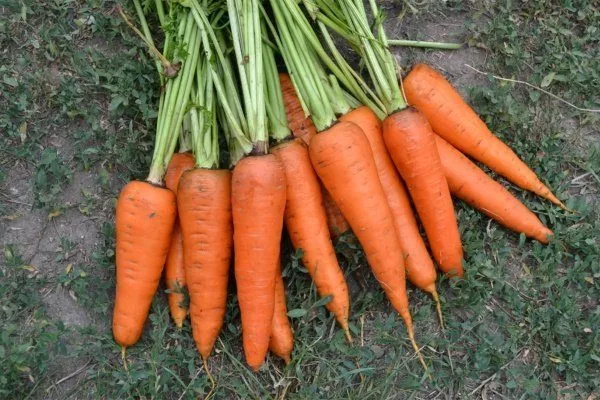
A mid-season variety that has gained popularity due to its high marketability and excellent taste. The plants are green and medium-dissected. This variety requires regular watering and fertilizing. Seeds are sown outdoors in mid-April.
Carrots are cylindrical, slightly tapered at the tip. The surface is smooth. The skin is thin, and both its color and the flesh are bright orange. The roots reach 16-17 cm in length and weigh 100-180, sometimes 250 g. They contain a fair amount of carotene.

Emperor
A new variety that has already gained popularity among gardeners. The harvested fruit stores well until the following season, and its flavor remains unchanged, if not improved.
The cylindrical, blunt-tipped carrots are approximately 25 cm long and weigh up to 250 g. The flesh is sweet and the core is small. The seeds are sown around April 20, after the snow melts. The carrots ripen in 100-110 days. Up to 8 kg of perfectly smooth, ripe carrots can be harvested per square meter.

Lydia F1
An early, large hybrid. Fruit ripens in 85-90 days. Characteristics include high yields. The fruit prefers to ripen in sunny areas with loose, fertile soil.
The carrots are conical-cylindrical, over 27 cm long, and weigh approximately 100 g. The skin and flesh are bright orange. The hybrid has soft flesh with a small core in cross-section. 1 square meter yields 6-7 kg of ripe carrots.

F1 News
A mid-early hybrid suitable for fresh consumption, growing in bunches, and winter storage. It grows well in sandy loam or light loam soils. Seeds are sown outdoors in late April or early May. It takes 100 days from germination to full root maturity. High yields are achieved through regular watering and soil loosening.
The vegetables are cylindrical in shape. The flesh and skin are bright orange. Each fruit reaches 20-22 cm in length and weighs 100-230 g. They are very juicy, tasty, and tender. 2.5 to 8 kg of mature roots are harvested per square meter.

Abaco
A mid-season variety. Fruit ripens in 115-130 days. The advantage of the Abako variety is its long shelf life, making it suitable for canning, preparing baby food, and dietary supplements.
The cylindrical carrots reach 18-20 cm in length and weigh 100-225 g. The skin is orange, firm, and flawless. Seeds are sown in April-May at temperatures of 5-8 degrees Celsius.

Amsterdam
An early-ripening variety prized for its rapid ripening, excellent flavor, and attractive appearance. It's easy to care for and produces fruit abundantly. Even a novice gardener will have no trouble growing it in their own garden. This variety is ideal for canning, fresh eating, and making juices.
The fruits are cylindrical, reaching 14-20 cm in length and weighing up to 165 g. The flesh and skin are orange. The flavor is sweet and delicate. The carrots are not only juicy but also crunchy. One square meter yields 4.7 to 6.8 kg of mature roots.

Minicor F1
An early-ripening hybrid with a cylindrical shape and orange skin. Each root weighs 80-100 g and reaches 13-15 cm in length. The fruits ripen in 70-84 days.
The seeds are sown in open ground. This carrot hybrid is intended for fresh consumption and home cooking, producing a single-bunch product. Gardeners can harvest up to 7 kg of mature root vegetables per square meter. Maintenance includes regular watering, hilling, and loosening the soil.

Sirkana F1
A mid-late hybrid characterized by increased resistance to bolting and various diseases. The fruits are uniform and have a long shelf life of four to six months. Sow seeds in loose, fertile soil, choosing well-drained sites. After emergence, the fruits ripen in 115-125 days.
The fruits are cylindrical and have orange skin. The flesh is juicy and brighter in color. Carrots reach 22-24 cm in length and weigh 50-165 g. 4.6-6.7 kg of ripe fruits are harvested per square meter. Care involves regular, moderate watering and weed control.
Flakke
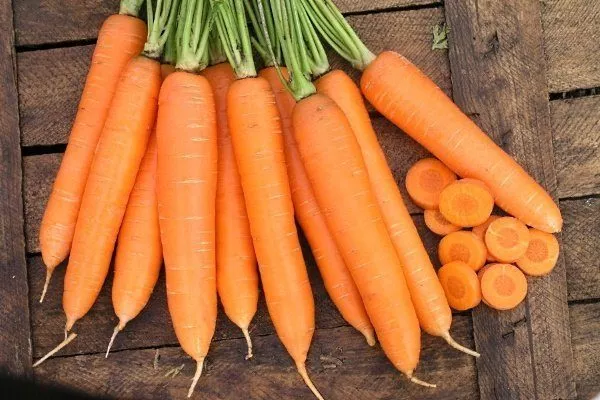
A mid-season variety, maturing in 90-120 days. These carrots are suitable for fresh consumption, processing, and winter storage.
The fruits are conical, reaching 20-30 cm in length and weighing 180-220 g. The flesh is orange-red, and the peel is orange. The fruits are juicy and crisp. Seeds are sown in March-May or October-November. One square meter yields 4 to 9 kg of ripe fruit.
Parmex
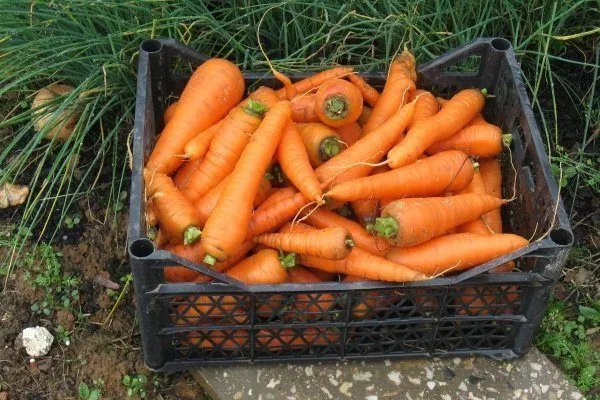
A mid-season hybrid grown outdoors. The best predecessors are legumes, early cabbage, and cucumber. Seeds are sown in May-June for an October harvest. After 100 days, gardeners harvest ripe carrots with attractive appearance.
Gardeners also love these orange fruits with their thick skin and tender flesh for their flavor, which feels pleasantly soft in the mouth. The fruit is round in shape and weighs only 30-50 g each.

Dragon
An early-ripening variety, suitable for both open ground and under plastic. It especially requires ample light and watering, but has no other care requirements. This variety is renowned for its magical and exotic appearance. Sow seeds in slightly acidic soil, preferably 10 days before the end of spring frosts. The harvest takes 85-90 days.
The roots are large, growing up to 25 cm in length and 15-30 cm in diameter. They weigh up to 150 g. The skin is bright purple, while the flesh is orange. This variety is prized for its sweet flavor and beta-carotene and vitamin A content.

Finchor
An early-ripening variety, zucchini is very low-maintenance. After the first leaves appear on the seedlings, the fruits ripen in 80 days. Hilling is essential, as the roots don't protrude above the soil surface. Farmers note the fruits' increased resistance to various diseases.
The roots are large, weighing up to 150 g. They have a conical shape and a blunt end, with a smooth surface. They are practically pithless. The vegetables are sweet, tasty, and crunchy. This variety is not suitable for long-term storage.

Red Giant
This is a late-ripening variety. The fruits ripen 150-160 days after sowing. When planted in May, the harvest occurs in August-September. The variety's name is well-deserved, as it is characterized by its attractive appearance and large size. Its distinguishing features include resistance to pests and diseases. It is suitable for long-term storage.
The roots reach up to 25 cm in length and up to 6 cm in diameter. Each carrot averages 150 g. They have an elongated conical shape and a blunt end. The roots are red-orange in color. Carrots have a unique flavor: they are sweet and juicy and contain numerous vitamins. The optimal time to plant carrots is late April to early May. A single square meter yields approximately 4 kg of carrots.

Sugar Lakomka F1
A mid-season hybrid, the seeds of which are sown in April-May for a "bunch" harvest in July. Full ripening occurs 110-130 days after emergence.
The carrots are elongated and cylindrical. The flesh is sweet, as the hybrid's name suggests. The skin, flesh, and thin core are predominantly orange-orange in color. The presence of sugars guarantees a good flavor. Carrots weigh up to 200 g and are approximately 25 cm long.

Darina
Late-ripening carrots ripen in 130-150 days. Roots reach up to 24 cm in length and weigh up to 200 g. The Czech breeders who developed this variety guarantee high commercial quality and good shelf life, right up until late spring.
The skin and flesh are orange-red and cylindrical. The flesh is sweet, soft, and firm. Gardeners harvest 1.7-3.3 kg of fruit per square meter, sometimes reaching 4.5 kg under favorable conditions.

Totem F1
A late-ripening hybrid that's easy to care for. The flesh is sweet, with a good, not cloying, flavor. From sowing to full maturity, the carrots take 130-140 days. The carrots grow up to 25 cm tall and weigh up to 120-145 g.
The fruits are conical, with orange-red skin and flesh. This hybrid is considered an indispensable vitamin-rich vegetable for winter storage. It produces high yields of 5.5-6 kg of ripe carrots per square meter.

Mikulovskaya
An early-ripening variety that gardeners prefer to plant in bunches. The fruits ripen in just 90 days after sowing. The carrots are cylindrical and smooth, with rounded ends. The flesh and skin are reddish-orange, with the core being slightly lighter. Each carrot is approximately 15 cm long and weighs 100-200 g.
The flavor is dessert-like, and the fruit has a delicate texture without coarse fibers. The plantings are not prone to flowering. Up to 2.7-3 kg of yield is harvested per square meter.

Vita Longa
A mid-season variety with many advantages: gardeners note its good shelf life and increased resistance to fungal diseases. It is undemanding in terms of growing conditions. Care consists of periodic watering and weeding, with less frequent loosening and thinning of the beds.
- ✓ Disease resistance: Choose varieties that are resistant to common carrot diseases such as early blight and powdery mildew.
- ✓ Soil requirements: Consider the soil type in your area. Some varieties grow better in light, sandy loam soils, while others prefer loamy soils.
The smooth roots reach up to 25-35 cm in length and about 3.5 cm in diameter. The carrots are a rich, bright orange color. Each carrot weighs 100-250 g. The seeds are sown in May, allowing for harvesting as early as late September. The harvest takes 110-120 days.
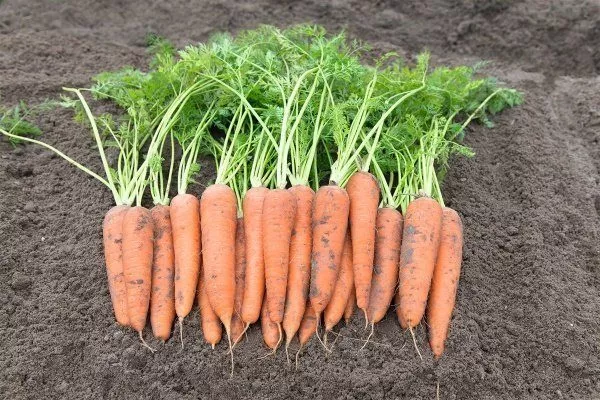
Karini
A mid-late variety prized for its long-lasting commercial quality and high carotene content. Seeds are sown in late April to early May, choosing well-lit areas. The root crops mature within 116 days after sowing.
The roots reach up to 15 cm in length and weigh 100-160 g. The skin and flesh are orange. The yield is good: 3-4 kg of ripe carrots are harvested per square meter.
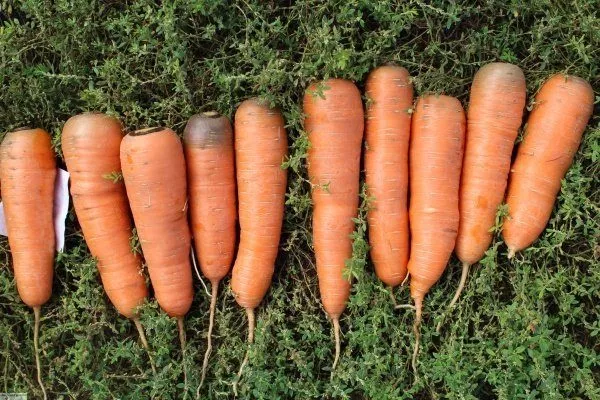
Cascade F1
It's best to sow the seeds of this mid-season hybrid in fertile, loose soil. It takes 100-130 days from sowing to full maturity.
The roots are free of bumps, cracks, or other imperfections. The fruit reaches up to 22 cm in length. Carrots weigh between 50 and 80 g. The skin and flesh are orange. During the growing season, the plants require ample watering and weeding. Favorable conditions ensure high yields of up to 7 kg of carrots per square meter.
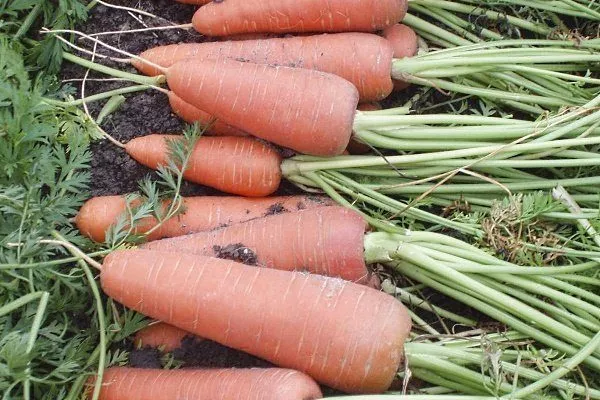
Anastasia F1
A mid-season hybrid with an attractive bright orange peel and flesh. The fruits reach 20-22 cm in length, weighing no more than 170 g each.
From sowing the seeds to ripening, the fruits take 120-125 days. Gardeners harvest 3.5 to 6 kg of carrots per square meter. This hybrid is particularly valuable due to its high sugar and carotene content, which increases the vegetable's nutritional value several times over.
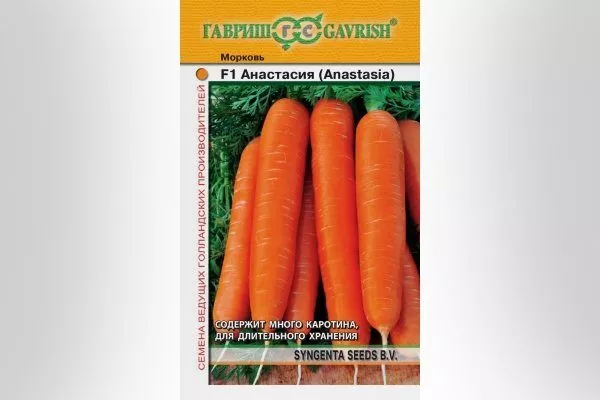
Laguna F1
An early-ripening hybrid with excellent taste and marketability. Its key feature is its fruits, which are uniform in shape, color, and size. The roots, up to 17 cm long, are virtually pithless. The average length of Laguna carrots is 15-20 cm, weighing up to 170 g. The skin and flesh of these cylindrical carrots are strikingly bright orange.
The full ripening period is 80-85 days. Experienced gardeners claim that the first harvest is possible as early as three months after planting in open ground. By the 80th day, about 90% of the entire crop is fully ripe. Up to 7 kg of ripe fruit can be harvested per square meter.

Shantane
A mid-early variety. Gardeners value it for its high yield. Harvesting can take place 90-130 days after sowing. The roots are not as tasty as most varieties, but they are no worse either, just less intense. The roots are large, weighing up to 250 g. The shape is elongated-conical, regular.
In addition, the variety has other advantages, including the ability to grow on heavier soils, resistance to diseases, and ease of transportation.

Callisto F1
A mid-season hybrid. From germination to full ripening, the carrots take 92-110 days. These long carrots are small, about 22 cm long and weighing no more than 135 g.
The hybrid is valued for its thick skin, ideal vegetable shape, and the presence of provitamin A. Disadvantages include susceptibility to fungal infections (rot and phoma) in cool summers.
Tinga F1
A versatile late-ripening hybrid. Fruit ripens 130-140 days after sowing. The carrots are elongated, with a pointed tip and a thickened base. The skin is bright red, with a light, thin core inside. The flesh is orange, tasty, and juicy.
The advantage of this hybrid is its high yield and long shelf life without fruit loss. Gardeners harvest 5-5.5 kg of fruit per square meter.

Table of early maturity of varieties
Below is a table showing the ripening times of different carrot varieties. This will help you quickly decide which variety to plant in your garden based on your root vegetable growing goals:
| Name of the variety | Ripening period (days) |
| Alenka | 90-100 |
| Queen of Autumn | 117-130 |
| Carotan | 135-140 |
| Chance | 100-110 |
| Losinoostrovskaya 13 | 80-90 |
| Moscow winter A 515 | 90-110 |
| Research Institute of Oncology and Microbiology 336 | 110-120 |
| Tushon | 80-90 |
| Flaccoro | 120-140 |
| Bangor F1 | 110 |
| Boltex | 100-125 |
| Darling | 80-90 |
| Biryuchekutskaya 415 | 68-120 |
| Incomparable | 110 |
| Perfection | 117-150 |
| Rogneda | 105-108 |
| Artek | 60-85 |
| Samson | 110-120 |
| Leander | 117-130 |
| Nantes 4 | 90-120 |
| Fun F1 | 80-100 |
| Bureau | 65-70 |
| Mango | 80-120 |
| Canada F1 | 85-130 |
| Red Ace | 95 |
| Lenochka | 78-85 |
| Orange Muscat | 80-90 |
| Fairy | 95-105 |
| Nandrin F1 | 95-105 |
| Vitamin 6 | 75-100 |
| Shante Royal | 98-110 |
| Emperor | 100-110 |
| Lydia | 85-90 |
| F1 News | 100 |
| Abaco | 115-130 |
| Amsterdam | 90 |
| Minicor F1 | 70-84 |
| Sirkana F1 | 110-125 |
| Shantane | 90-130 |
| Mikulovskaya | 90 |
| Callisto F1 | 92-110 |
| Totem F1 | 130-140 |
| Tinga F1 | 130-140 |
| Darina | 130-150 |
| Sugar Lakomka F1 | 110-130 |
| Flakke | 90-120 |
| Parmex | 100 |
| Dragon | 85-90 |
| Finchor | 80 |
| Red Giant | 150-160 |
| Vita Longa | 110-120 |
| Karini | 116 |
| Cascade | 100-130 |
| Anastasia | 120-125 |
| Lagoon | 80-85 |
Among the wide variety of carrots, experienced gardeners find their favorites. The choice of variety depends on the ripening time of the fruit, as some grow the root vegetable for daily use, while others plan to consume the harvest until the following season.