
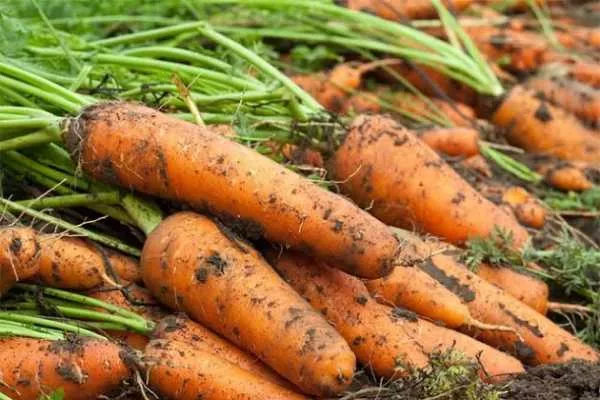
Slastena is a carrot with large roots and high-quality flesh. It is part of the Berlikum variety. It is renowned for its resistance to diseases and pests, including the carrot fly, which commonly attacks many varieties. The roots are distinguished by their long "wintering" period – they retain 76-90% of their marketable appearance even after a long winter.
Origin
The high-yielding Slastena is the result of the work of a team of scientific specialists, including such experts as Nastenko N.V., Kachainik V.G. and Kandoba A.V.
This carrot variety has proven itself to be promising and productive. The Slastena carrot successfully passed all standard variety trials and was included in the official State Register, receiving approval for use in 2009.
External characteristics of the plant and root crops
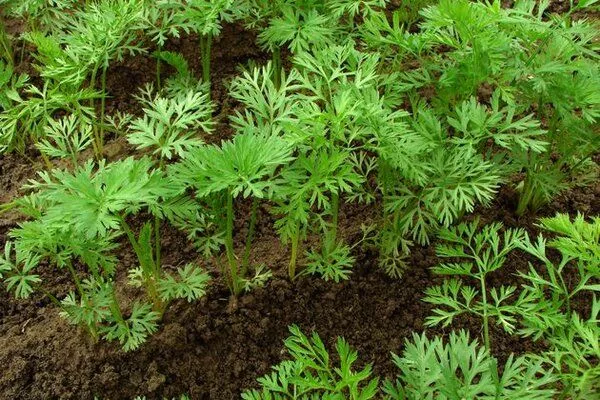
The Slastena carrot is a semi-spreading variety with leaves of varying lengths – from medium to elongated, distinguished by their green color and a small central cut.
There are also other varietal characteristics:
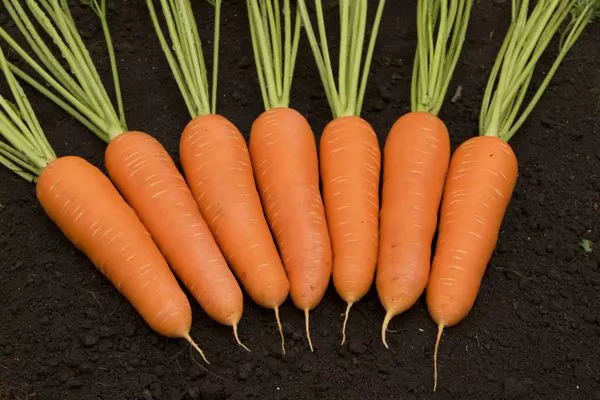
- Root crops reach an average length of 15-18 cm, but can sometimes be larger (over 20 cm).
- They have a cylindrical shape with rounded tips.
- They weigh from 85 to 150 g, although sometimes there are specimens weighing up to 155-170 g.
- The bark of the root vegetables has a dense and rich orange hue, while the core of the fruit does not stand out in its expressiveness
- The inside of the vegetable is a rich orange color, indicating a high carotene content, and is not coarse or excessively hard.
- The covering of the root crops is smooth and even.
Purpose and taste of tubers
This sweet tooth impresses with its exquisite flavor, distinguished by its delicate sweetness and intense aroma. These root vegetables are a versatile product: they can be eaten fresh or used as the basis for a variety of culinary masterpieces – from salads to unusual appetizers and even unique desserts.
When ripe, the yield
A mid/late ripening variety – sweet root vegetables reach maturity approximately 100-110 days after sowing.
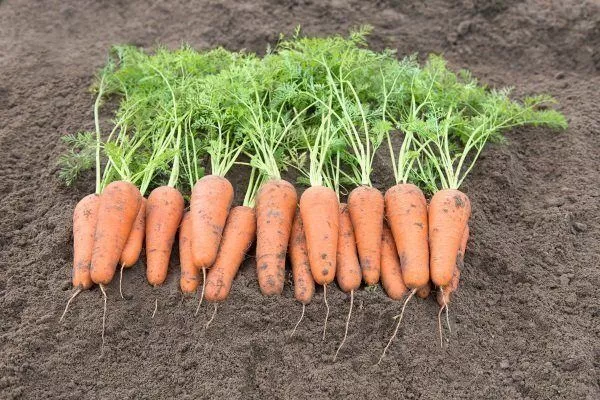
Slastena's fruiting is commendable. The variety is often cultivated commercially in agricultural fields, where it delivers impressive results. The average yield is 290-500 centners per hectare, and the quality of the harvest, or its marketability, ranges from 76 to 90%.
Resistance to diseases and pests
This variety is characterized by good resistance to the most common diseases and problems, such as flowering and cracking of roots.
It is practically not susceptible to pest attacks, which makes its cultivation possible without the need for additional chemical treatments.
Growing and care
The best time for sowing is after April 20th. Planting in the pre-winter period is possible, but in this case, it is important to ensure sufficient snow cover to protect against freezing.
Sweetroot thrives especially well in sunny areas and prefers light loamy or sandy soils. By following certain guidelines, you can achieve success in growing it:
- Prepare the planting site in the fall. If the soil is poor, add organic matter. Lime or chalk can be used to reduce acidity. Peat, sand, and sawdust will help lighten heavy soil.
- In the spring, level the surface of the area with a rake, water thoroughly and cover with plastic film to speed up the warming of the soil.
- To improve germination rates, use seeds collected the previous year. Since this variety's germination rate is low, pre-treat them with growth stimulants (Heteroauxin, Epin, etc.).
- Plant the seeds in furrows at a depth of 20-25 mm. Space the seeds approximately 15-17 cm apart, and the rows 18-22 cm apart.
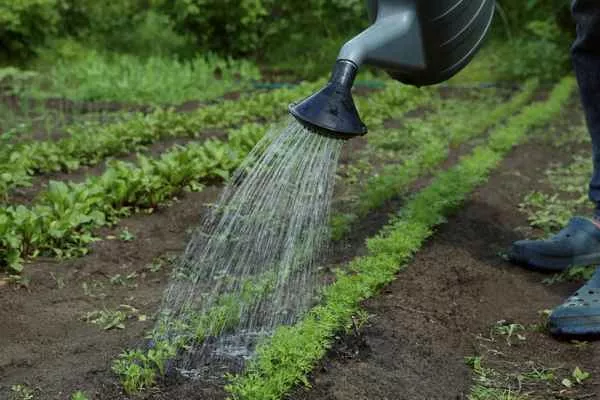
- To ensure a good carrot harvest, water and weed regularly. The first watering should be done within a week after the first shoot appears.
- Watering should be constant. At the beginning of growth, water the plants once a week, gradually reducing the frequency, and then stop two weeks before harvest. However, the specific watering schedule depends on local climate conditions. If the plants are too closely spaced, thin them out while weeding. Gardeners recommend thinning in two stages: first, leave 2-3 cm between plants, then increase this distance to 4-6 cm.
- Apply the first fertilizer a month after the seedlings emerge. You can use mullein infusion, chicken manure, or a liquid ash solution as a nutrient. Several fertilizer applications are necessary, but if the bed was well fertilized at the planting stage, fertilizing is not necessary.
Pros and cons
Reviews
Slastena is an ideal choice for private plot owners and farmers growing carrots for sale. This variety allows gardeners to effortlessly harvest a bountiful crop of root vegetables that impress with their excellent taste, optimal size, and low maintenance. The key is to follow general farming practices.