
The Siberian Lungwort carrot boasts numerous positive qualities, making it popular among domestic gardeners. This variety boasts excellent flavor and versatility. With proper care, it will yield the most generous harvests and strengthen the plant's immune system.
Introduction to the variety
Many gardeners choose Siberian lungwort for their plots. It's resilient to the region's harsh climate and produces a bountiful harvest even with minimal care. It stores well over winter without losing its commercial qualities.

External and taste characteristics, purpose
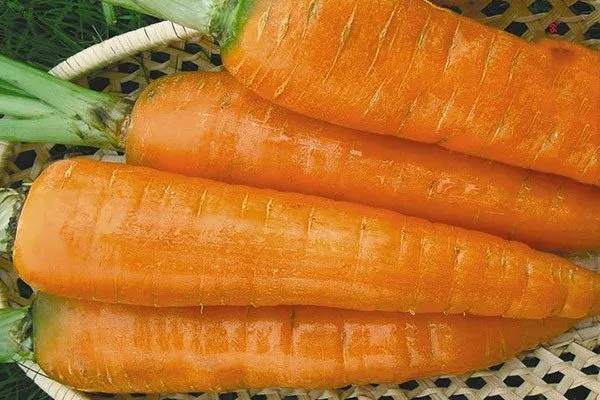
The carrots are cone-shaped, reaching up to 16 cm in length and weighing up to 200 g. The skin is orange-red. The flesh is juicy. The taste is excellent – the carrots are sweet and pleasant.
Growing technology
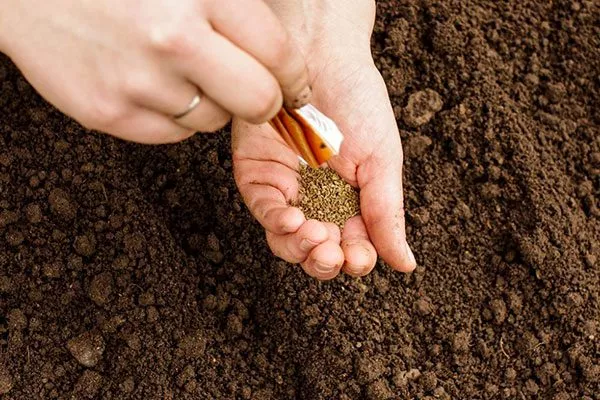
Sowing in open ground should be done in early spring, as soon as the soil warms to 5°C. The optimal time for most regions is from late April to early May. For an early harvest, sow before winter in late October or early November.
- ✓ The soil pH level should be strictly within 6.0-6.5 for optimal nutrient absorption.
- ✓ The soil must have high water permeability to avoid water stagnation and rotting of root crops.
Step-by-step instructions:
- The crop prefers light, fertile soils with neutral acidity.
- In the fall, before sowing, dig the soil to a depth of 25-30 cm, add organic fertilizers (humus or compost) at a rate of 4-5 kg per 1 sq. m.
- In the spring, before sowing, loosen the soil and add mineral fertilizers (40 g of superphosphate and 20 g of potassium salt per 1 sq. m).
- Sow seeds in furrows 1-2 cm deep, leaving a distance of 20-25 cm between rows.
- Cover them with a 0.5-1 cm layer of soil and compact lightly. To ensure even seed distribution, mix the seeds with sand.

To grow high-quality root vegetables, provide the crop with comprehensive care. This includes standard measures:
- Watering. Carrots require regular watering, especially during germination and development. Water the soil evenly, but don't overwater. Avoid allowing the soil to dry out, as this can cause the roots to crack. Water the plants once a week, applying 10-15 liters of water per square meter.
- Fertilizers. Apply the first fertilizer 3-4 weeks after germination, using a complex mineral fertilizer. Then, after 4-5 weeks, apply a phosphorus-potassium fertilizer (20-30 g of superphosphate and 15-20 g of potassium salt per square meter).
- Thinning. Carry out the procedure in two stages. The first thinning occurs when the first two true leaves appear, leaving a distance of 3-4 cm between plants. The second thinning occurs 3-4 weeks after the first, leaving a distance of 5-6 cm.
- Loosening and weeding. Loosen the soil around the carrots regularly to ensure air access to the roots. Do this after the seedlings emerge, then as needed, combining it with weeding. Loosen the soil to a depth of 5-6 cm, being careful not to damage the roots.

Reviews
The Siberian Lungwort carrot attracts gardeners with its versatile flavor, excellent shelf life, and resistance to harsh climates. It's easy to grow, so even beginners can handle it. With proper and timely care, you can grow high-quality root vegetables and large quantities.