
The Shans carrot is a promising domestic variety that will appeal to gardeners seeking easy-to-grow, high-yielding varieties. This mid-season carrot will consistently provide large, long-lasting, and deliciously flavored roots.
Brief description of carrots
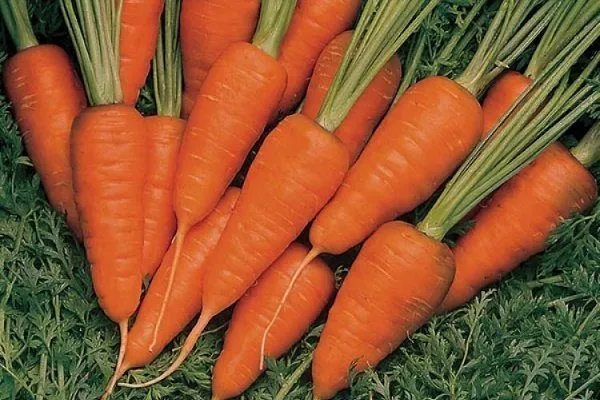
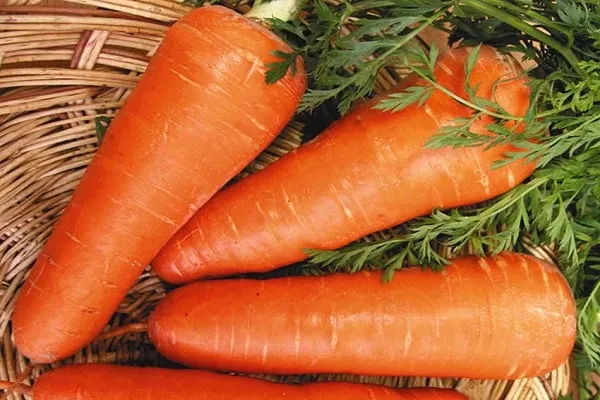
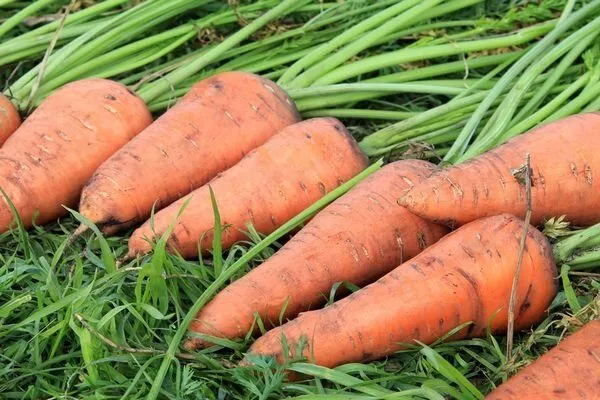
Chance has an upright rosette of leaves. Its leaves are deep green, large, and sparsely and coarsely pubescent. The roots are cone-shaped, with blunt ends. Length: up to 20 cm, weight: up to 200 g. The roots are orange-red in color, with a reddish flesh.
Who bred the Chance variety?
The Shans variety was developed by Altai breeders. It was developed with the local climate in mind, making it very hardy and easy to grow, qualities that make it suitable for cultivation in many regions of the country. The Shans variety was approved for commercial use in 1998.
Taste characteristics of root vegetables and their use
Root vegetables are versatile and can be eaten fresh, canned, frozen, or used in cooking. The flesh of this carrot is tender and juicy, and its flavor is very pleasant and slightly sweet. It makes delicious juices, purees, salads, and more.
Advantages and disadvantages
Before planting Chance carrots in your garden, evaluate all of their advantages and disadvantages. This will help you determine whether this variety is suitable for your needs or whether you should consider another option.
Advantages:
Flaws:
Characteristics
The Chance carrot is a mid-season variety. Seedlings emerge 15-20 days after sowing and ripen 115-120 days after emergence.
Landing features
Chance carrots are grown primarily by direct seeding. Planting occurs in April-May; the exact timing depends on specific weather and climate conditions. It's important for the soil to warm to at least 10–12°C.
Landing features:
- Choose a sunny, level site with no stagnant water. Prepare the soil in the fall by carefully digging and fertilizing. Apply primarily mineral fertilizers; fresh manure is not recommended. If you weren't able to prepare the soil in the fall, do so two weeks before planting carrots.
- The crop prefers fertile, loose soils with a neutral pH. Acidic soils can be deacidified with lime or wood ash. Carrots grow best in sandy loams and loamy soils.
- Next, the carrots are sown using standard technology—in shallow furrows (1.5-3 cm), which are pre-watered. The seeds are then covered with soil, which is lightly compacted.
Care and cultivation
To achieve high yields from the Shans variety and obtain root vegetables with high quality characteristics, it is important to properly and regularly care for carrot beds.
Care features:
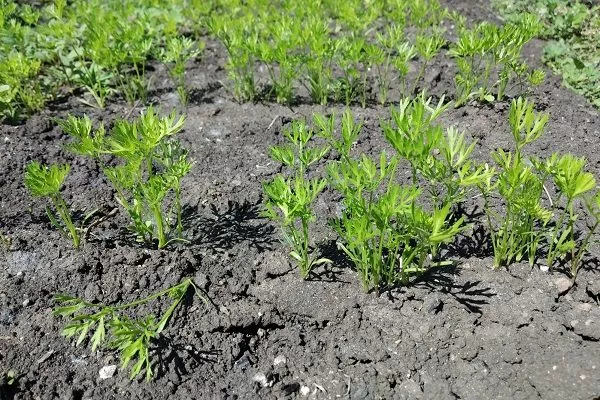
- After two true leaves emerge, thin the seedlings, leaving 2-3 cm between plants. A month later, thin them out a second time, leaving 5-7 cm between adjacent plants.
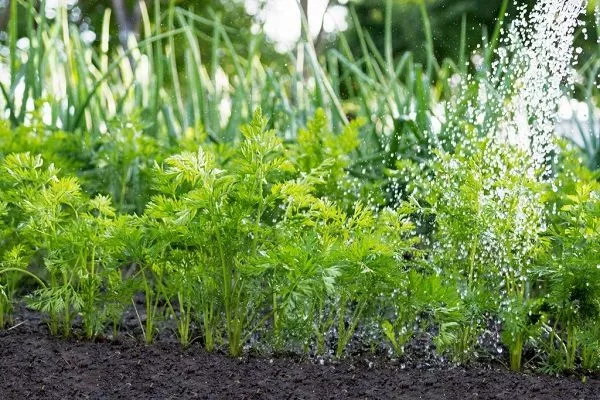
- The beds are watered (in normal weather) once a week, twice a week in hot weather, and stopped during rainy weather. When deciding whether to water the carrots or wait, consider the soil condition—as soon as the top layer of the soil dries out, irrigate.
The watering rate depends on the size and age of the root crop. When carrots are almost fully grown and have reached their varietal characteristics, the soil should be moistened to a depth of at least 25-30 cm. It's important to avoid moisture deficits and overwatering, as both lead to root deformation. - Carrots are fertilized 2-3 times per season. The first application is thirty days after germination, and the second application is two months later. Carrots respond better to mineral fertilizers than organic ones.
Carrots are recommended to be fertilized with urea, nitrophoska, potassium nitrate, superphosphate, and wood ash. Fertilizers are applied after heavy watering. - As needed, loosen the beds, removing any growing weeds along the way. Hilling is also recommended to prevent the tops of the root crops from turning green.
Pest and disease control
In conditions of high heat and humidity, the Shans carrot can be susceptible to various types of rot—white, gray, and black. To combat these, spray with copper-containing preparations and fumigate with sulfur candles.
One of the disadvantages of the Shans variety is its susceptibility to bacterial infection. When signs of bacterial disease appear, treat the plants with Hom (40 g per 10 liters of water).
When to harvest and how to store?
Harvesting begins after the roots reach technical maturity. To determine whether carrots are ripe, dig up a few and check whether they have reached the length specified by the variety. Also note the color—the carrots should acquire a rich red-orange hue.
Harvesting should be done in dry weather, otherwise the roots will begin to rot during storage. The dug-up carrots are cleaned of soil, the tops are trimmed, and they are air-dried for no more than 12 hours. Then the roots are placed in boxes, covered with a sand-lime mixture, and stored in a cellar. The optimal room temperature is 0 to +2°C, with a humidity of 90-95%.
Reviews from gardeners
The Chance carrot has so many advantages that every gardener will find something worth planting in their garden. It's a truly versatile variety with excellent marketability and flavor.