
The Sentyabrina carrot has gained immense popularity among gardeners across Russia. It can be grown by both experienced agronomists and novices alike. This variety boasts excellent varietal characteristics, including generous yields, high-quality fruit, and resistance to cracking. Proper care is essential.
Introduction to the variety
It's important to study carrot variety characteristics to ensure you're making the right choice before planting. Below is a detailed description of the crop and its qualities.
History of breeding
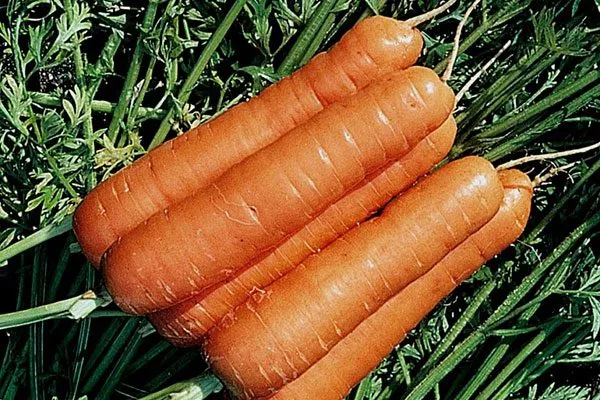
Sentyabrina is a product of domestic selection, created by renowned specialist S. S. Ugarova. It was added to the State Register in 2007 and belongs to the Nantes cultivar type.
Appearance of the plant and root crops, taste
The plants have a semi-spreading rosette. It is characterized by the following distinctive qualities:
- Leaves - medium, green, with a medium degree of dissection.
- Root vegetables – cylindrical with a blunt end, up to 17 cm long.
- Peel – deep orange, smooth and thin.
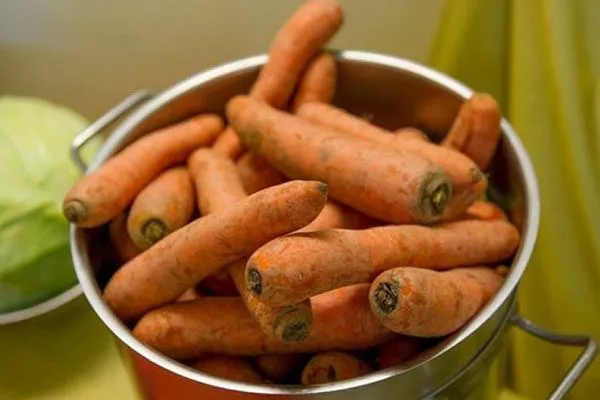
The vegetables are even, which indicates good marketability.
Amount of fructose, beta-carotene, benefits
100 grams of this variety of carrots contain 17.4 mg of beta-carotene. The fructose content in one carrot varies from 6.1% to 8.9%.
Productivity, when does it ripen?
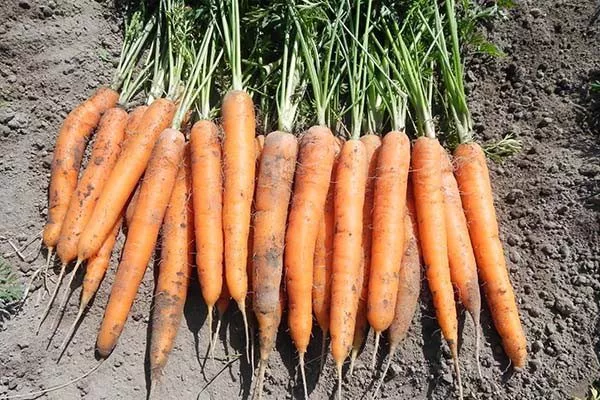
Experts classify Sentyabrina as a mid-season variety. After sowing, it takes approximately 120 days for the roots to fully ripen. The yield is high, averaging 235-540 centners per hectare.
Purpose and shelf life
This variety has excellent shelf life: fruits harvested in early September will easily last throughout the winter. Sentyabrina carrots are distinguished by their excellent taste and versatility.
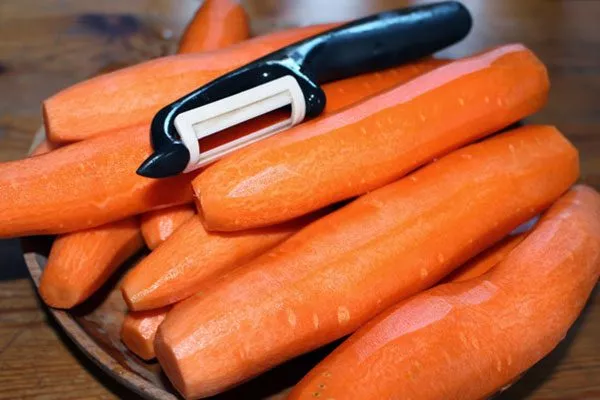
This variety is suitable for fresh consumption, cooking, canning, and storage. Its high sugar and carotene content makes it an excellent choice for juices and baby food.
Growing regions
The East Siberian and West Siberian regions are considered the most suitable for successful cultivation. Carrots grow well in the Urals.
Where is it recommended to plant and what kind of soil does it prefer?
Grow the plant outdoors, but greenhouse cultivation is also possible. Loam and sandy loam are ideal for cultivation.
Resistance to diseases and pests
Sentyabrina has strong disease resistance, but can be susceptible to fungal infections. Slugs and aphids are the main enemies of this carrot variety.
Frost resistance and transportability
The crop tolerates frost well, but if kept in a cool place for a long time, they lose nutrients. The vegetables can withstand long transportation without affecting their appearance or taste.
Cultivation over large areas
This variety is highly technologically advanced, making it an ideal choice for farmers and smallholder households. Its robust characteristics allow it to easily adapt to various growing conditions and require minimal maintenance.
The root vegetables are uniform in size and shape, making them easy to harvest and process. Their good shelf life allows for long-term storage without loss of quality, which is especially important for farms focused on year-round market supply.
It tolerates transportation well while maintaining its marketable qualities, which helps increase profits from sales. Resistance to major diseases and pests reduces the need for frequent chemical pesticides, making cultivation more environmentally friendly and cost-effective.
What producers of Sentyabrina seeds are there?
The originator and producer is the company "Sibirsky Sad." Seeds of this variety from other brands, such as "Volzhsky Sad" and "Agrostil," are extremely rare.
How is it different from other types of carrots?
Sentyabrina is characterized by a high carotene content and stable yields. In many respects, this variety surpasses other varieties, such as the Vitaminnaya 6 and NIIOKh carrots.
Advantages and disadvantages
Before sowing seeds, research the variety's positive and negative qualities to avoid any unpleasant consequences. Sentyabrina has many advantages:
Growing
Sow seeds in mid-April. Before planting, select the correct site. Loamy or sandy loam soil is preferred. The site should be well-lit to ensure the carrots grow juicy and as sweet as possible.
- ✓ Soil pH should be between 6.0-6.8 to ensure optimal nutrient absorption.
- ✓ The soil must be well drained to prevent water stagnation and root rot.
Landing features
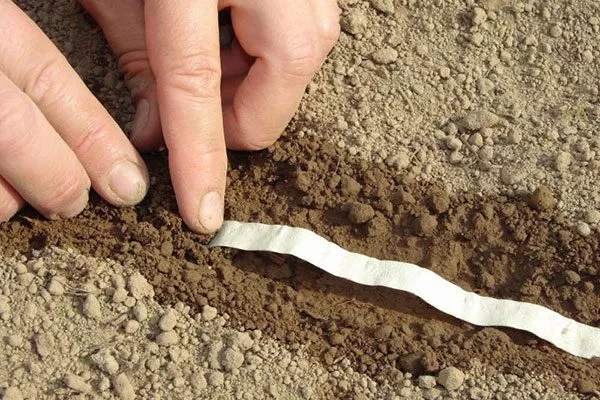
Plant the seeds in furrows that have been prepared and moistened with water. Plant them at a depth of about 3 cm. After placing the seeds in the soil, cover the furrows with a thin layer of soil. Mix the soil with sand first to improve the structure.
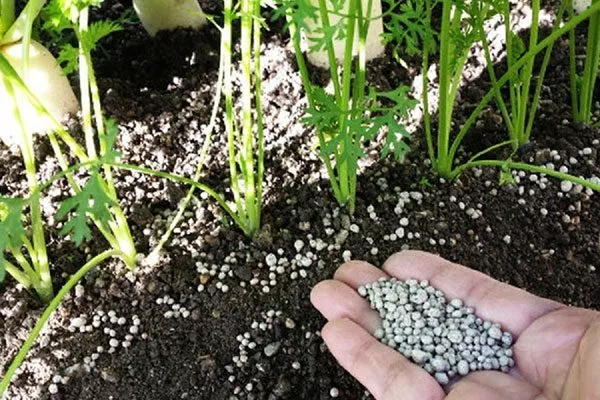
- 3-4 weeks after germination, apply a complex mineral fertilizer with a low nitrogen content.
- A month after the first feeding, add phosphorus-potassium fertilizers to support the growth of root crops.
Basics of care
Provide your crop with timely care. Follow simple agricultural practices:
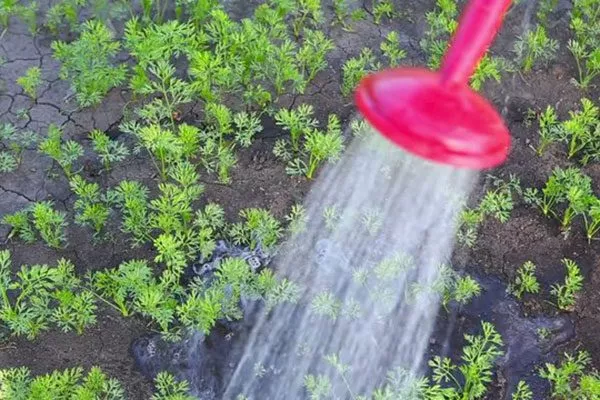
- Watering. Carrots require regular watering, especially during the active growth period. Insufficient moisture can result in small, coarse roots. In the first weeks after planting, water frequently and moderately to keep the soil consistently moist.

During root formation (June-July), increase watering, making it more abundant but less frequent to allow the water to penetrate deeper into the soil. In August-September, when the vegetables reach their peak size, reduce the amount to prevent cracking. - Top dressing. Apply fertilizer in several stages. Apply the first fertilizer 3-4 weeks after germination. Use a complex mineral fertilizer with low nitrogen content and high phosphorus and potassium content.
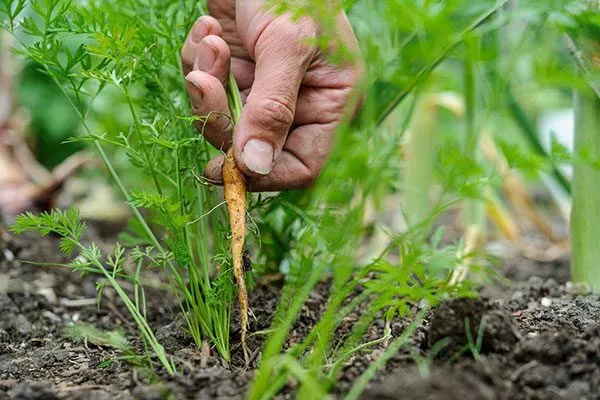
Apply the second feeding one month after the first, adding phosphorus-potassium fertilizers. Avoid excessive nitrogen fertilizers, as this can lead to the formation of branched roots. - Thinning. Carry out the first thinning when the seedlings have 2-3 true leaves. Leave 2-3 cm between plants. Begin the second thinning 2-3 weeks after the first, increasing the distance between plantings to 4-6 cm. Do this after watering to avoid damaging the roots of the remaining plants.
- Weeding. Remove weeds regularly to prevent them from competing with carrots for moisture and nutrients. Weed carefully to avoid damaging the roots. Mulch well between rows to reduce weed growth and conserve soil moisture.
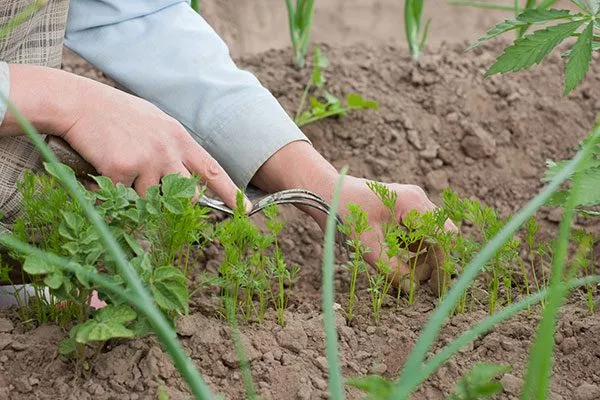
Carrots need to have their soil loosened to provide the roots with oxygen and nutrients. Do this after watering or rain, while also removing weeds from the beds.
Harvesting and storage
Harvest carrots in September-October. The roots should reach their maximum size and rich color. Before harvesting, check the vegetables for ripeness: they should be firm, large, and well-colored.
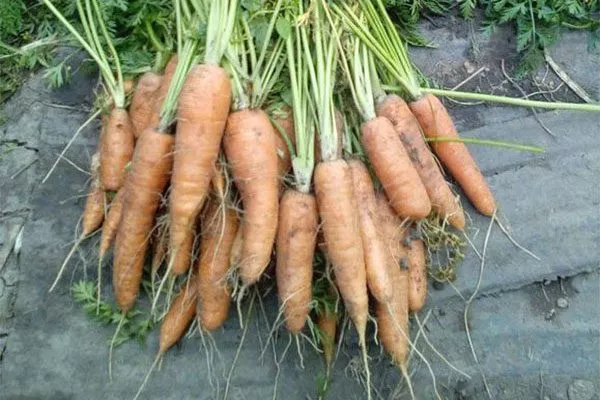
Harvest in dry weather. This will reduce the risk of damage to the roots and subsequent rotting during storage. Lightly water the garden bed the day before harvesting to make it easier to dig up the carrots.
Helpful tips:
- Use a pitchfork or shovel to dig, being careful not to damage the vegetables.
- After digging, gently shake the soil off the root vegetables. Rinse them lightly with water, then let them dry thoroughly before storing.
- Trim the tops, leaving about 1-2 cm to prevent moisture evaporation and reduce the risk of rotting.
- Sort the root vegetables: remove damaged or diseased specimens, as they can rot and infect healthy carrots.
- The optimal storage temperature is between 0 and +2°C. At higher temperatures, root vegetables may begin to sprout or rot.
- Air humidity should be high (90-95%) so that the carrots do not lose moisture and dry out.
Storing your harvest in sand is one of the best storage methods. Place a layer of damp sand at the bottom of the box, add the carrots, cover with more sand, and repeat the layering. This retains moisture and prevents sprouting.
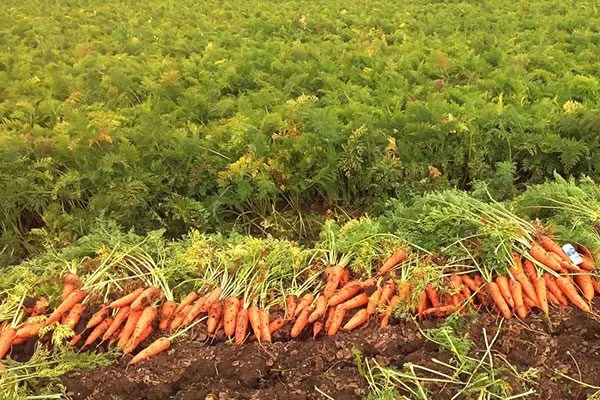
You can store vegetables in plastic bags (poke a few holes in them for ventilation). Store them in a cool basement or cellar. Plastic or wooden boxes with layers of sawdust or peat moss are also acceptable.
Diseases and pests: control methods
Sentyabrina, like other carrot varieties, is susceptible to various diseases and pests. Here are some of the most common problems and how to combat them:
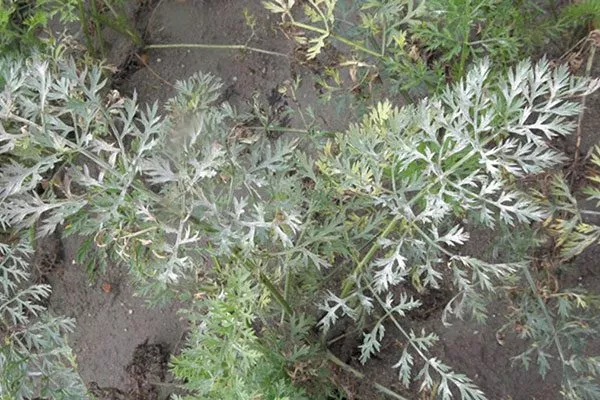
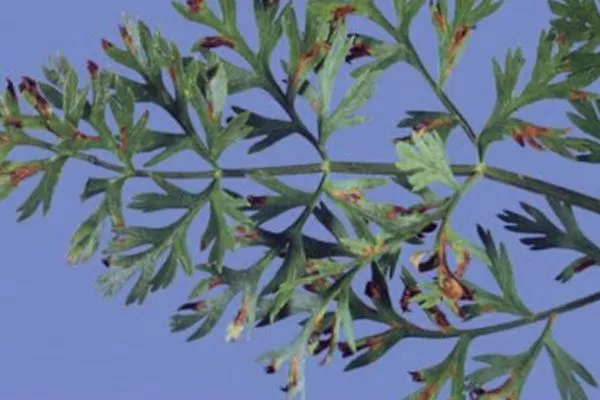
- Powdery mildew. It appears as a white powdery coating on the leaves. For prevention, spray with a sulfur solution. To control the disease, use fungicides such as Topaz or Fundazol.
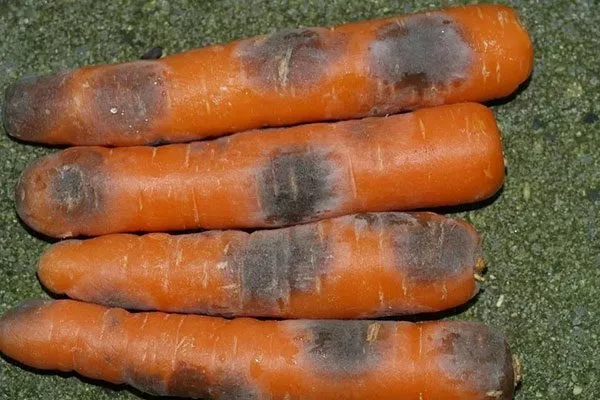
- Black rot. Dark spots appear on leaves and fruits. Treat plants with copper-containing products such as copper sulfate or HOM.
- Bacterial spot. Water-soaked, darkening spots appear on plants and vegetables. The best solution is treatment with antibiotics, such as Fitolavin.
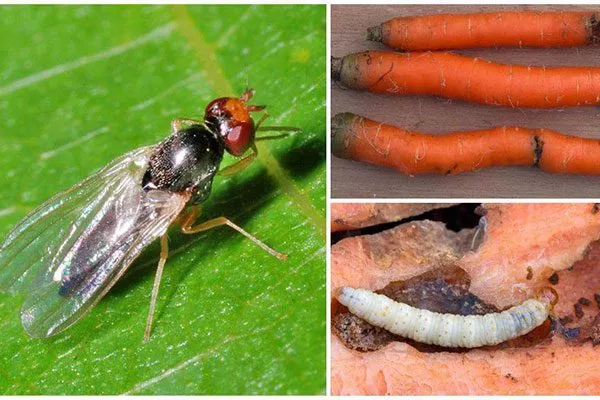
- Carrot fly. The pest feeds on fruit, causing it to become deformed and rot. Use insecticides such as Iskra, Inta-Vir, and Aktara. For prevention, treat the soil and crops.
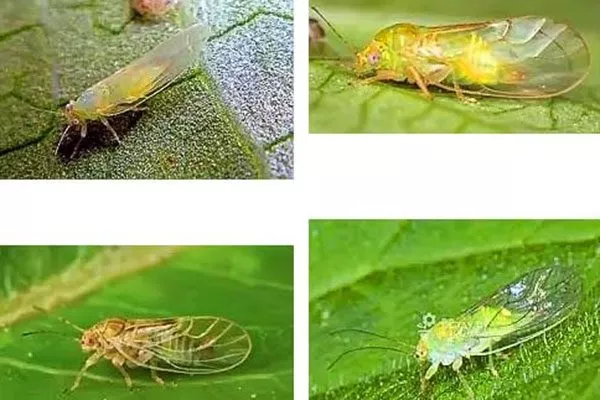
- Carrot psyllid. The insect causes deformed and curled leaves and slows plant growth. Use insecticides such as Decis or Calypso.
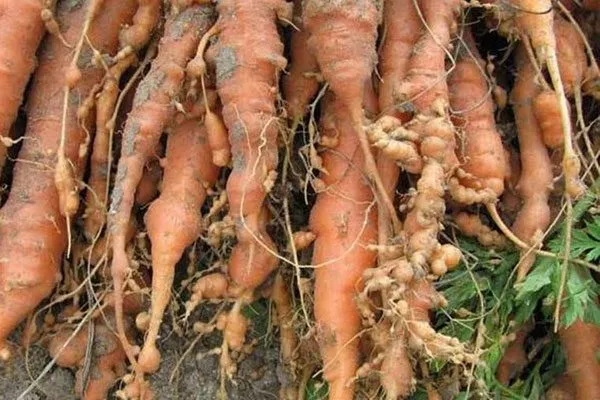
- Nematodes. Root crops are becoming knotty and deformed. Treat the soil with nematicides such as Nemabact.
Helpful tips:
- Do not plant the crop in the same place for several years in a row.
- Treat seeds with fungicides before sowing.
- Weeds can carry diseases and provide shelter for pests, so remove them promptly.
- Excessive humidity can promote the development of fungal diseases.
Adherence to agricultural practices and regular monitoring of plant health will help reduce the risk of diseases and pests.
What difficulties might arise?
Growing the Sentyabrina carrot variety can cause some problems. Let's look at them and how to prevent them:
- Fruit cracking. The cause is untimely harvesting and excess nitrogen. Harvest vegetables promptly and avoid over-fertilizing with nitrogen.
- Deformation of fruit shape. This occurs due to improper soil preparation and excessive use of nitrogen-containing fertilizers. Carefully prepare the soil for planting according to agricultural requirements and minimize the use of nitrogen fertilizers.
- Carrots are covered with numerous roots. This is due to the soil drying out. Water the plants regularly and do not allow the soil to dry out.
Follow the care instructions to avoid various difficulties.
Similar varieties of carrots
| Name | Ripening period | Disease resistance | Beta-carotene content |
|---|---|---|---|
| Sentyabrina | 120 days | High | 17.4 mg/100 g |
| Nantes 4 | 100 days | Average | 15.0 mg/100 g |
| Carotel | 90 days | Low | 12.0 mg/100 g |
| Shantane | 110 days | High | 16.0 mg/100 g |
There are several varieties similar to Sentyabrina. Similar cultivars include Nantes 4, Carotel, and Shantane.
Reviews of the Sentyabrina variety
The Sentyabrina carrot boasts numerous varietal characteristics. It delights with its sweet flavor and juicy, crisp flesh. It is frost-resistant and stores well. It maintains its marketability and flavor during long-distance transportation. With proper care, it will yield generous harvests and high-quality root vegetables.