
The Samson carrot variety is a top seller in Russia. Its roots have excellent flavor, have a long shelf life, and contain a wealth of beneficial micronutrients. Let's learn how to properly plant and care for this carrot.
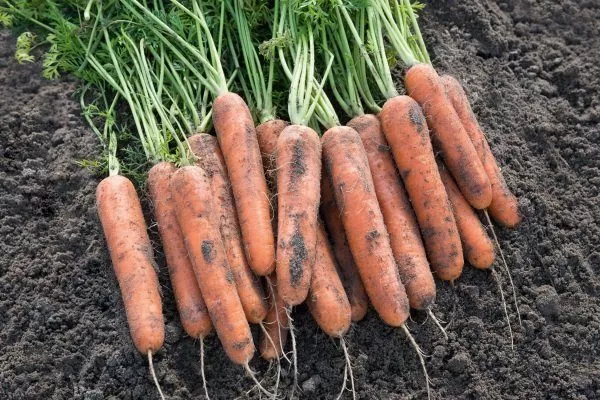
Samson carrots grow even and smooth.
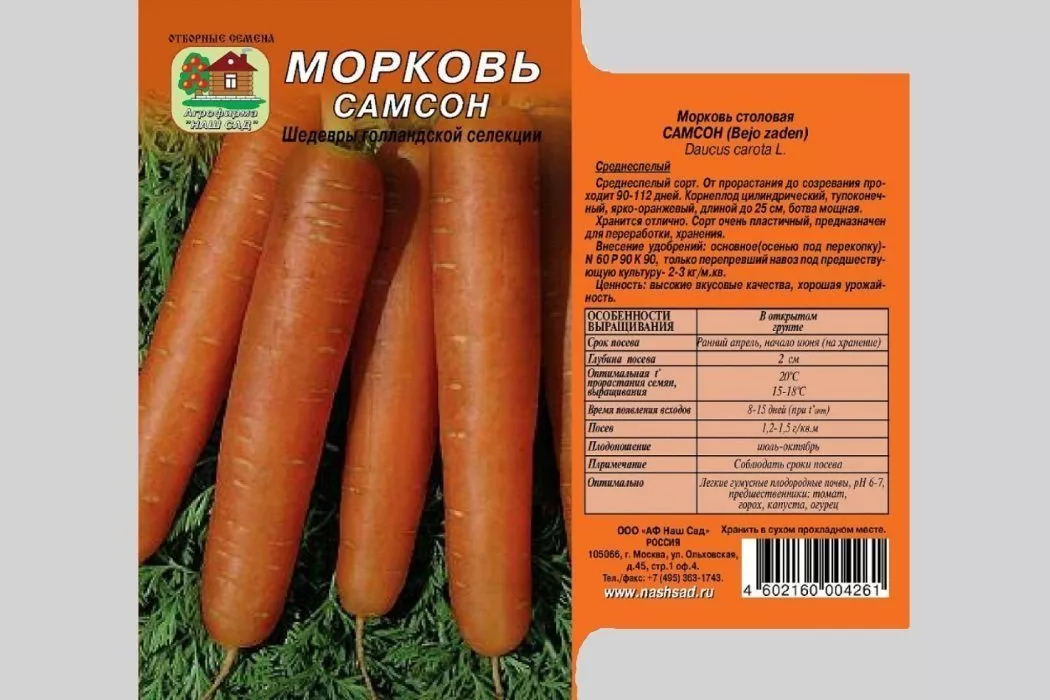
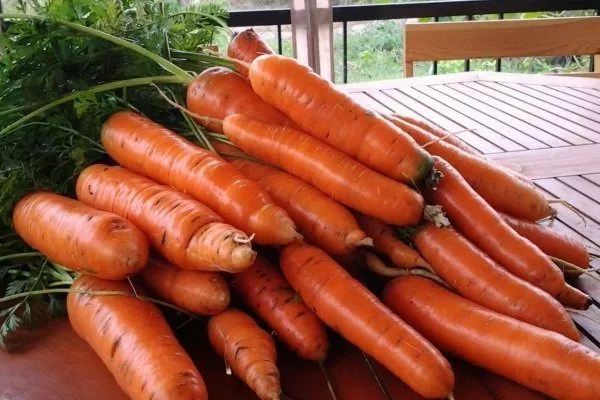
Samson carrots have excellent taste, making them one of the best-selling varieties in Russia.
History of the variety
The variety's origin is Holland. Scientists at Bejo Zaden have long been developing diverse varieties of not only carrots but also other crops, so their achievements always generate success and excitement among vegetable growers, not only in Holland but also worldwide.
Description and characteristics of Samson carrots
This is a mid-early variety. It takes four months from the first shoots to harvest. The rosette of leaves is semi-spreading, with a rich green hue. The roots, when ripe, are bright orange, smooth, and a standard cylindrical shape.
The skin is smooth and undamaged, with a slightly rounded tip. Each root weighs approximately 130 g, reaching up to 150 g. It is 25 cm long, but can be 2-3 cm longer.
The skin and flesh are the same color—orange. The core is small in diameter, tightly attached to the flesh, and has a characteristic carrot-like flavor. The root contains approximately 10% dry matter.
Samson carrots do not crack, have a long shelf life, and can be stored in the cellar until the next season.
During ripening, the roots remain below ground level. Seed germination is approximately 80%, and the seedlings are frost-resistant and can easily survive temperatures down to -4 degrees Celsius.
The Samson carrot has a strong immune system and is immune to diseases that affect other varieties. The only enemy capable of destroying Samson is the carrot fly.
Usage
Root vegetables are ideal for salads and hot dishes. They are also used as a complement to pickles and preserves. Carrot juice can be made from root vegetables.
Advantages and disadvantages
The Samson carrot, like other varieties of this crop, has its pros and cons, which must be taken into account when growing the plant.
Advantages of this variety:
- high yield;
- undemanding to care and growing conditions;
- Possibility of cultivation throughout Russia;
- When stored for a long time, root vegetables do not begin to rot;
- has a universal purpose.
Disadvantages of the variety:
- not the highest germination rate;
- the likelihood of developing malformed root crops;
- It is very difficult to find seeds for sowing.
Ripening period
This variety is characterized by a medium ripening period. The first shoots appear 1-2 weeks after sowing, and technical maturity occurs in 3.5-4 months.
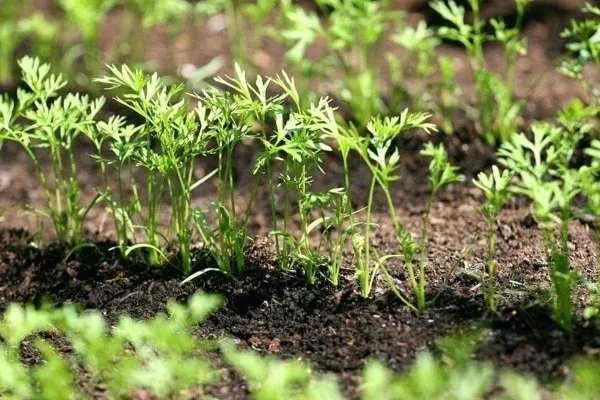
In central Russia, the first harvest can be reached in midsummer. By late summer, the roots reach full maturity and can be used for further storage or processing.
Productivity
The Samson carrot variety is known for its high yield – 6 to 9 kg per square meter. This depends on plant care and growing conditions. Soil, fertilizer, and climate also play a significant role. This yield is high; for example, the world-famous Nantes carrot yields 30% fewer roots.
The Samson carrot harvest is in excellent condition. There are very few defective or misshapen roots.
Seed production technology
The Dutch company that developed this variety is known for its high-quality products, so before going on sale, the seeds undergo rigorous cleaning and processing. This includes calibration, germination stimulation, and treatment against diseases and pests.
The Dutch breeding society sells seeds in different forms:
- ordinary seed material with a high degree of varietal purity;
- calibrated grains with average germination; granulated seeds with a nutritious shell;
- seed material with a high content of prophylactic agents, etc.
Predecessors of carrots in the plot
Crop rotation plays a major role in crop cultivation. Plant carrots after onions, potatoes, cabbage, zucchini, cucumbers, and pumpkins. Just be sure not to sow Samson seeds in the same area where carrots or beets were grown. If you don't have another plot of land, dig the area especially thoroughly before planting.
Landing features
The Samson variety is unique; the plant thrives in any climate, so following basic agricultural practices will ensure no problems growing it.
- ✓ The area should be well lit, with minimal shading during the day.
- ✓ The soil should be loose, with good air permeability, avoid clayey and heavy soils.
Selecting a location and preparing the soil
A good harvest can only be obtained in illuminated areas with fertile and loose soil.
The carrot area is not fertilized with fresh manure.
Prepare the plot for carrots in the fall, carefully dig the soil and apply fertilizer. Pay attention to the soil's acidity; if it's too acidic, add chalk or lime. You can also use dolomite flour.
Soil fertilization per 1 sq.m:
- 5 kg of humus or ready-made compost;
- 2 cups of wood ash.
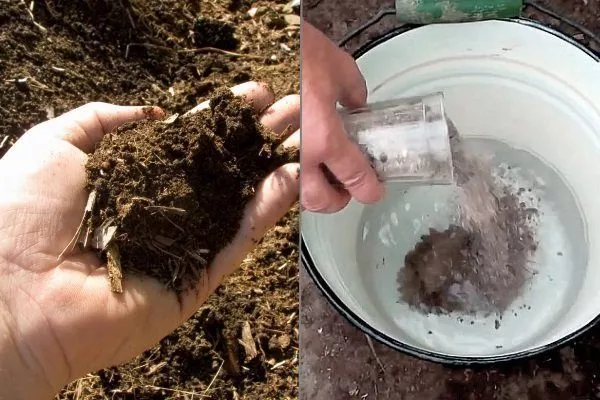
When choosing a site for growing carrots, choose elevated areas, as the plant does not grow well in low-lying areas with shallow groundwater. Improve heavy soils by adding peat or sawdust. Clay soils will produce minimal yields, and the risk of deformed roots increases.
The sowing process
Seeds can be sown in both spring and fall. The variety is cold-hardy, but it's still not recommended to plant too early. Ideal sowing temperatures are: air temperature between 14 and 17 degrees Celsius, and soil temperature between 5 and 9 degrees Celsius.
Samson carrot sowing algorithm:
- In the prepared bed, make holes for sowing, leaving a distance of 20 cm between them.
- Carefully water the furrows and sow the seeds. For easier sowing, you can mix the seeds with sand or chalk.
- Plant the seeds no deeper than 2 cm and cover with soil. You can cover the seedlings with non-woven fabric, but this is not necessary. Covering is only necessary if frosts have not passed in your area and you want to protect the crop from temperature fluctuations.
- For sowing, choose pelleted seeds; they germinate better. You can also use paper strips to plant the seeds.
- After 7-10 days, the first shoots appear, and after 2 weeks, the carrots are producing ears in even green rows. Covering material is not needed at this stage.
Growing and caring for carrots
Samson carrots require standard care, which consists of loosening the soil, watering the plants, and applying fertilizer.
Watering
Irrigate crops carefully from the moment the seedlings emerge. Do not overwater if it rains or the soil remains damp. As soon as the roots begin to form, increase the frequency of watering. Use only settled, warm water, and thoroughly moisten the soil. Stop watering 1-2 weeks before harvest. This simple technique will help the fruits become stronger, crisper, and juicier.
You can find more information about the correct watering of carrots here.
Loosening and weeding
Loosening the soil should be done after watering. This will prevent a hard crust from forming on the soil surface and will also ensure oxygen reaches the plant roots.
Once carrot seedlings emerge, control weeds. They grow very quickly and can eventually crowd out the carrots. Initially, pull out weeds to prevent them from damaging the seedlings. Once the carrots gain strength, they will be less susceptible to weeds. Weed the beds as needed.
If you've planted carrots in rows, thinning isn't necessary. In other cases, thinning is essential.
- 1st time – 3 weeks after the formation of the first shoots;
- 2nd time – as soon as the root vegetables reach 2 cm in diameter.
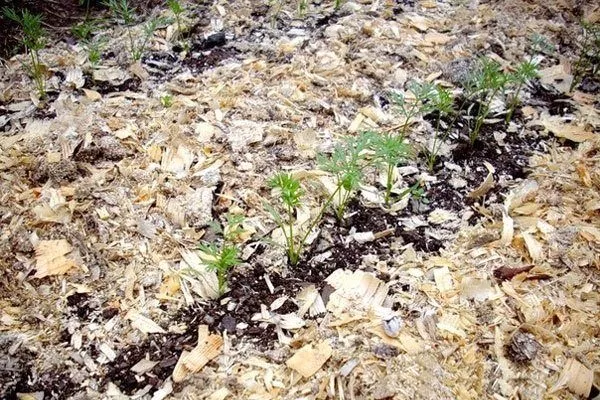
Don't forget about mulchingIt is better to make the soil protection layer from sawdust, peat or humus.
Top dressing
Like all other crops, carrots also need application of fertilizersDuring the fall, it's common to fertilize plants 2-3 times, using nitrophoska or superphosphate. Wood ash is a good alternative; it not only enriches the soil but also protects against pests and diseases.
Add potassium; it improves the taste of root vegetables and helps carrots last longer in the cellar.
Fertilizers are especially important for vegetables stored over the winter. Root crops must be completely protected from rot and various infections. Use special solutions. humatesOf the ready-made mixtures, Kemira, Rastvorin and Universal are suitable.
Apply organic fertilizers after harvesting to restore and enrich the soil.
Pest and disease control
This carrot variety is not susceptible to pest attacks. However, it's best to take preventative measures. To prevent rot, treat the plants with Bordeaux mixture, and use folk remedies to control insects:
- Use herbal infusions for spraying: wormwood + wood ash.
- Dust with tobacco, hot pepper or mustard.
- Plant onions next to carrots; they repel their main enemy – the carrot fly.
- Plant pelleted seeds. This way, you won't have to thin the plants, and the roots won't develop holes where carrot fly likes to lay their eggs.
- Before planting seeds, treat them in solutions of boric acid, potassium permanganate or hydrogen peroxide.
Use chemicals only in the most extreme cases.
Harvesting
Harvest root vegetables in September, depending on the weather in your region and the condition of the crop. Harvesting too early won't be beneficial (the carrots won't be as sweet and juicy) or too late (they will crack or spoil).
The harvest time is calculated based on the growing season, starting from the moment the first shoots emerge. The best way to check the condition of the crop is to dig it up and sample the root.
What is the best way to store Samson carrots?
Storing carrots This variety is no different from other carrot varieties. Provide the proper conditions:
- Air humidity not less than 85%.
- Temperature 0…+3 degrees Celsius.
- ✓ Root crops must be dry before storing.
- ✓ Avoid storing damaged or diseased root vegetables, as they can spoil the entire harvest.
The harvest should be stored in a dry and dark place. Root vegetables store well for about 8-9 months in boxes or crates filled with sand or sawdust.
Why do carrots grow ugly?
Carrot roots don't always grow straight and beautiful; sometimes they turn out crooked, small, and branched. The main reasons for root "deformity" are:
- uneven watering;
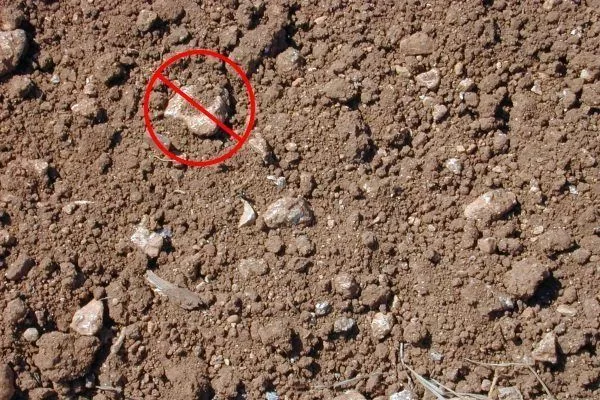
- presence of stones in the soil;
- poor quality soil.
If the root crop encounters a stone, glass, or pebble along its growth path, it will begin to wrap around the obstacle and grow into an irregular shape. To avoid this, carefully inspect the area before planting, dig it over, and remove any unnecessary "obstacles."
Reviews from gardeners
The Samson carrot is one of the best varieties of carrots, its main advantage being that it can be grown anywhere in the country. The plant is resistant to cold and sudden frosts, which is crucial for gardeners in our country. With proper planting and care, it produces bountiful harvests.