
The Rahat Lukum carrot is a variety that has earned recognition among gardeners, cooks, and healthy eaters. It not only boasts high yields and high-quality roots, but also offers unique flavor characteristics. With proper care and adherence to standard agricultural practices, it will yield excellent results.
Introduction to the variety
Developed by specialists at Heterosis Selection LLC and tested in 2022, it belongs to the mid-early group of varieties and is characterized by high yields.
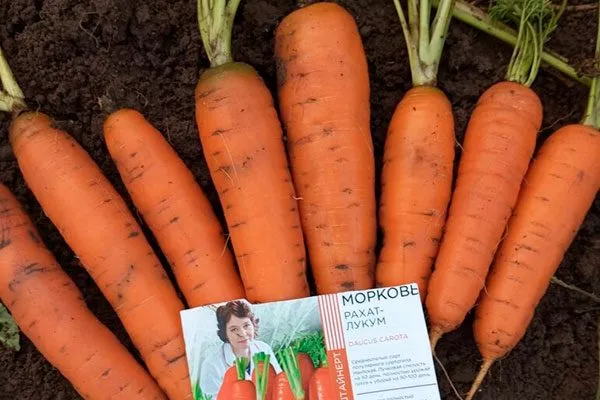
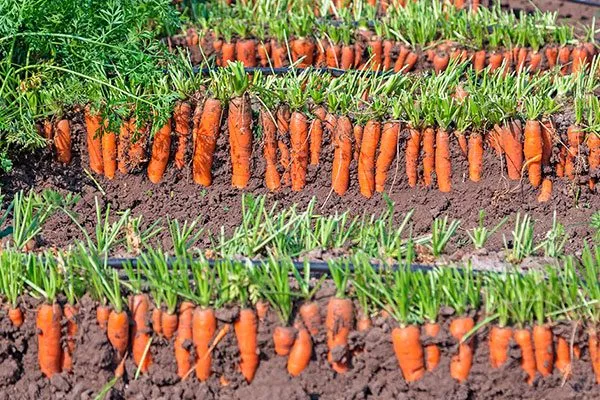
Characteristics of the appearance of the plant and root crops
The plant forms a semi-spreading rosette and has the following distinctive qualities:
- Leaves - finely dissected, medium length, dark green in color.
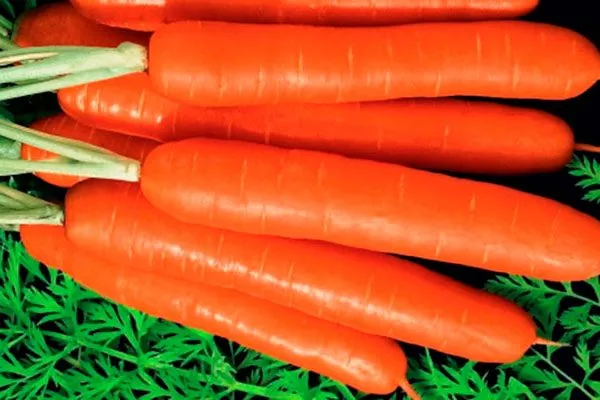
- Fruits – cylindrical in shape, with a rounded end, 16-18 cm long.
- Weight - from 110 to 180 g
- Peel – deep orange, dense but thin, smooth.
- Core – orange, small.
Purpose and taste of tubers
The flavor is highly prized for its exceptional qualities. It contains a high amount of sugar and carotene. Turkish delight carrots are widely used due to their excellent quality and unique characteristics.
Its main areas of application:
- Fresh consumption. Ideal for eating fresh, these vegetables are sweet and juicy, making them a wonderful addition to salads and appetizers.
- Preparation of juices. Due to its high sugar content, it is used to make freshly squeezed juices. This is not only a healthy but also a delicious way to get additional vitamins and minerals.

- Cooking. It is used in the preparation of various dishes: soups, purees, casseroles, side dishes and even desserts.
- Canning and freezing. The vegetable is canned or frozen for later use throughout the year. Carrots retain their flavor and nutritional properties well.
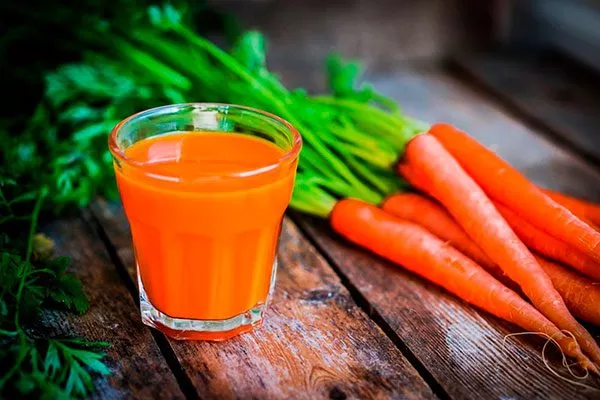

It is used in the production of bunch products, which are often used in the restaurant business and in the preparation of various culinary dishes.
Growing and care
Growing the crop requires some special care to achieve high yields and maintain the quality of the root crops.
- ✓ Soil pH should be in the range of 6.0-6.8 to ensure optimal nutrient absorption.
- ✓ The soil must be enriched with organic matter (at least 3-4% humus) to maintain structure and water-holding capacity.
Follow these recommendations:
- Turkish delight prefers sunny locations and light, well-drained soil. Preparing the bed involves loosening the soil to a depth of about 20 cm and adding organic fertilizer.
- Sow seeds in the spring when the soil warms to 10-12°C. Distribute them evenly to a depth of 1-2 cm, with row spacing of 15-20 cm.
- Water the plants throughout the growing season. Regular watering is especially important during germination and root formation. Carrots don't like being overwatered, so monitor the soil moisture.
- Apply fertilizer at the beginning of the growing season to stimulate leaf growth. Use fertilizers rich in phosphorus to promote root development and potassium to strengthen plants.
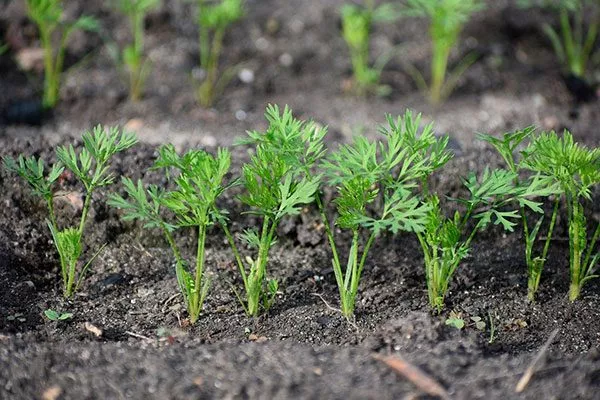
- When the plants reach a height of about 5 cm, thin them out to 5-8 cm apart. This helps the roots develop without competing for space and nutrients.
- Regular weeding helps prevent weed competition. Inspect your greens for diseases. They may be susceptible to powdery mildew or root rot. Apply protective measures as needed.
Reviews
Turkish Delight carrots are the best choice for both beginner and experienced gardeners. These juicy and sweet roots are not only delicious but also rich in nutrients, promoting health when consumed daily. Generous harvests can only be achieved by following proper agricultural practices.