
Early and fast-ripening carrot varieties, sown in spring, ripen by July. For an earlier harvest, as early as mid-June, the crop can be sown in the fall. This will also result in a harvest of larger, sweeter carrots.
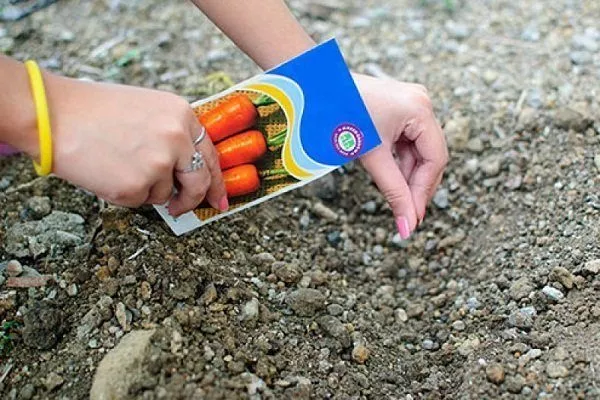
Planting dates
The yield of vegetable crops depends on the timing of autumn sowing. It's important that the seeds don't germinate before winter sets in. If they germinate in the fall, the seedlings may freeze after the frost sets in, resulting in no harvest.
Winter carrots should only be planted after consistent cold weather sets in and average daily temperatures are between 0 and 3°C. If warmer weather and rain are expected later, delay sowing the seeds, otherwise they may germinate.
The optimal time for planting is late October to early November. In southern regions, carrots can sometimes be sown as late as late fall, and in northern regions, as late as September. The key is to sow at least a week before the onset of permanent frost.
Don't sow carrots too early or too late. It's also not advisable to sow during full and new moons.
What varieties should be planted before winter?
| Name | Ripening period (days) | Yield (kg/m2) | Root shape |
|---|---|---|---|
| Moscow winter A 515 | 70-100 | 5-7 | Elongated conical |
| Vitamin 6 | 80-110 | Not specified | Cylindrical |
| Nantes 4 | 80-100 | 6.5 | Cylindrical |
| Shantane-2461 | 80-120 | Not specified | Truncated conical |
| Losinoostrovskaya-13 | 80-120 | Not specified | Cylindrical |
| Incomparable | 105-130 | Not specified | Truncated conical |
| Nantik Resistafly F1 | 85-90 | 7-9 | Cylindrical |
| Samson | 110-120 | Not specified | Not specified |
| Nandrin F1 | 95-105 | Not specified | Cylindrical |
| Tushon | 80-100 | Not specified | Cylindrical |
| Nectar F1 | 120-125 | Not specified | Cylindrical |
| Flakke | 110-150 | Not specified | Truncated conical |
| Children's sweet | 110-112 | Not specified | Cylindrical |
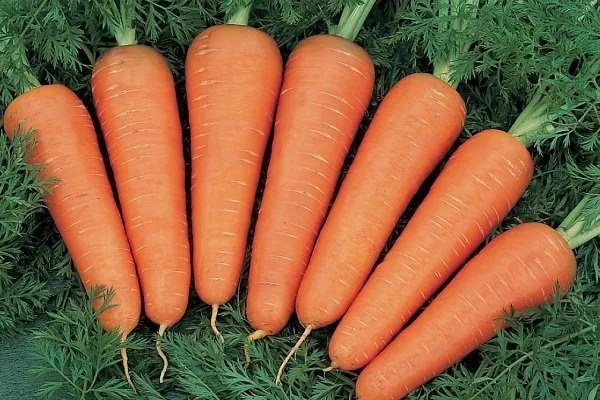
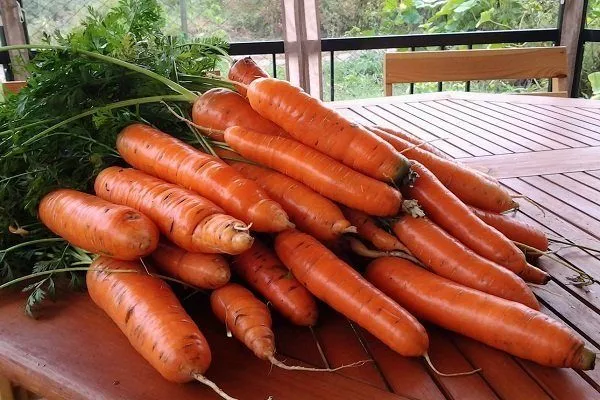
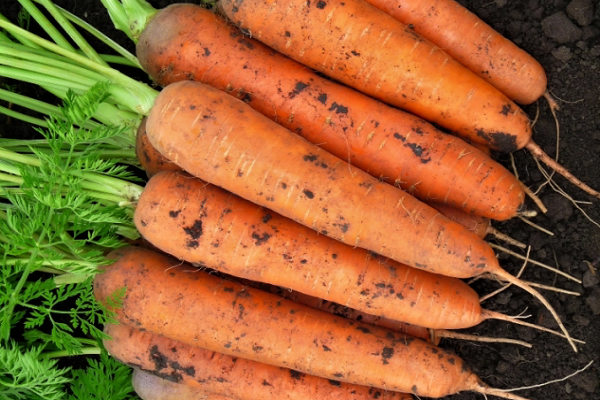
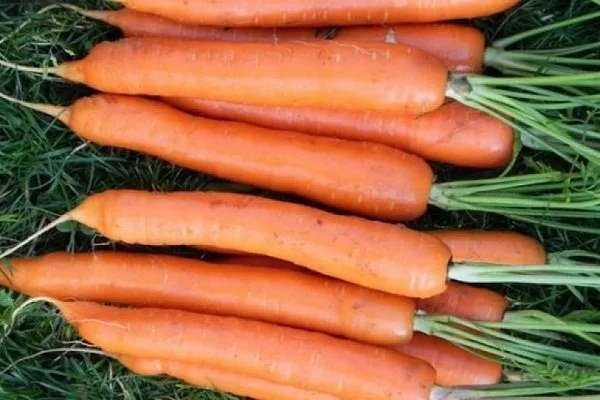
For winter sowing, it is better to choose cold-resistant early and mid-sized carrot varieties, which include:
- Moscow winter A 515This variety ripens in 70-100 days and produces a high yield (5-7 kg per square meter). The orange fruits are elongated and conical, weighing 100-170 g and reaching 15-18 cm in length. The flesh is juicy and has a pleasant aroma.

- Vitamin 6This variety has a growing season of 80-110 days. When sown in the fall, it produces mature, cylindrical roots as early as July, weighing up to 80-130 g and up to 17 cm long. They store well, but are prone to cracking.
- Nantes 4From full germination to harvest, it takes approximately 80-100 days. The roots weigh up to 100 g, are cylindrical, 14-16 cm long, and have tender yet juicy flesh. The yield is 6.5 kg per square meter. The vegetable is resistant to rot and mold, but is prone to bolting. For autumn sowing, you can also choose seeds of this variety. Nantes Improved. This crop produces roots up to 90-160 cm in weight and yields 5-7 kg per square meter.
- Shantane-2461A variety with a vegetation cycle of 80-120 days, which produces truncated conical root vegetables weighing 100-250 g. Shantane It does not tolerate excess organic matter in the soil, but is not afraid of cold and is resistant to flowering.
- Losinoostrovskaya-13The growing season lasts 80-120 days. Roots weigh 80-120 g, are cylindrical, and resistant to rot and mold. This variety requires regular watering.
- IncomparableA carrot with a maturity period of 105-130 days. The roots weigh 100-200 g and have a truncated conical shape. The variety is resistant to bolting, dry soil, and cold.
- Nantik Resistafly F1A hybrid with an 85-90-day maturity period and an upright rosette of leaves. The smooth, cylindrical roots weigh 95-120 cm and reach 18 cm in length. They can be stored for up to 5 months. The plant yields 7-9 kg per square meter.
- SamsonA variety with a growing season of 110-120 days, producing roots weighing 130-300 g. They are resistant to flowering and cold, and store well.
- Nandrin F1A carrot with a growing season of 95 to 105 days. The smooth, cylindrical fruits weigh 150-250 g and reach 20 cm in length. A distinctive feature of this carrot is that it has virtually no core.
- TushonA representative of the Amsterdam variety with a growing season of 80-100 days. The roots weigh 100-150 g and reach 15-20 cm in length. They have a sweet taste and a delicate texture. Tushon Grows well on light sandy loam soils.
- Nectar F1The period from full germination to technical maturity of the hybrid is 120-125 days. The dark orange roots weigh 100-150 g, are cylindrical with a blunt tip, and have a sweet taste. The hybrid is resistant to cracking and flowering.
- FlakkeA variety with a growing season of 110-150 days, producing roots weighing 180-220 grams and a truncated conical shape. They do not crack or accumulate nitrates.
- Children's sweetAs its name suggests, this variety is ideal for preparing food and drinks for children. The growing season is 110-112 days. The red-orange roots weigh 90-130 g, reach 18-22 cm in length, and are cylindrical with a rounded tip.
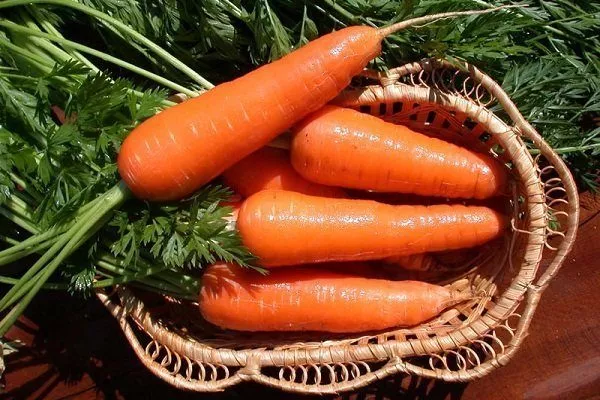

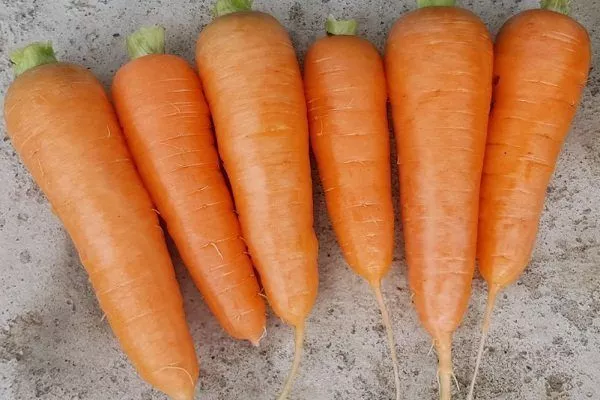

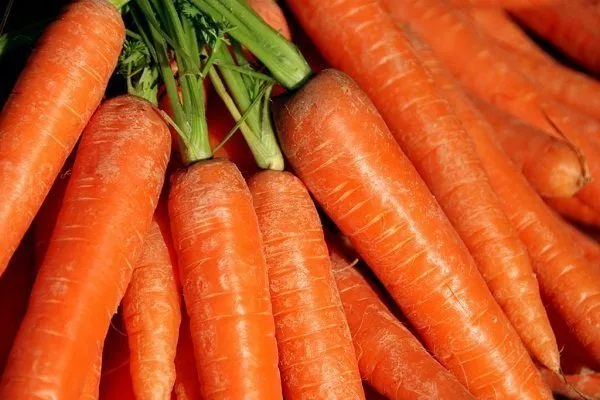

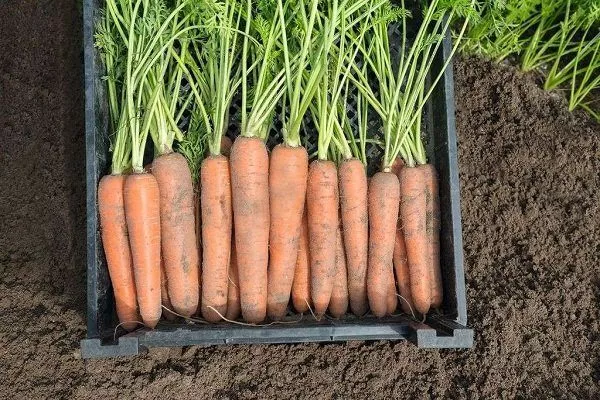
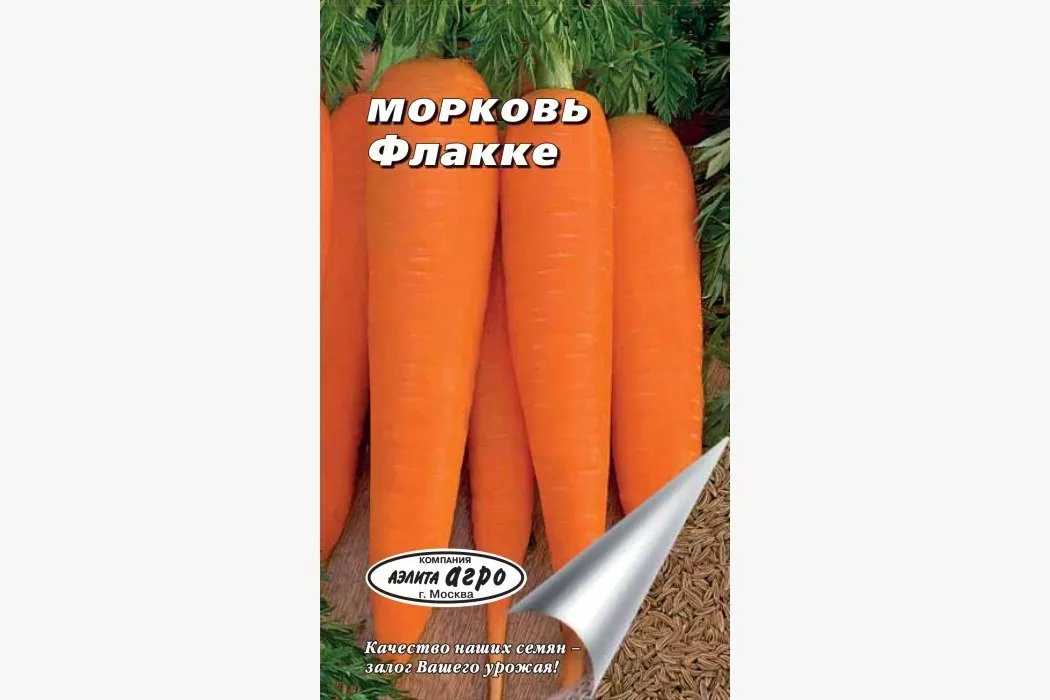

It's best to buy pelleted seeds, which have already undergone the necessary pre-sowing treatment. They're also much easier to sow than very small seeds.
The following video explains which carrot varieties are best suited for winter sowing:
Selecting a site
When planting carrots in the winter, special care must be taken when choosing a site. It should be located on a level, wind-protected area with ample sun exposure.
- ✓ The site must be protected from northern winds to prevent seeds from freezing.
- ✓ The soil must have good drainage to avoid water stagnation and seed rotting.
Seeds should not be sown on a slope, as they may be washed away by water during the spring snowmelt. The soil itself should be loose, light, and fertile. Loamy or sandy loam soil with low or neutral pH is ideal, as it is loose and nutritious and does not compact too much over the winter.
If the plot meets these requirements, it's necessary to determine what crops have been grown there over the past three years. According to crop rotation rules, the best predecessors for carrots are:
- potato;
- onion;
- cabbage;
- tomatoes;
- cucumbers;
- squash;
- zucchini;
- melons (melon, pumpkin, watermelon).
The best yield of root crops can be obtained if the listed crops were grown on the plot, for which humus or compost was added to the soil.
As for the worst predecessors of carrots, these are:
- beans;
- parsley;
- dill;
- fennel;
- celery;
- carrot.
After such crops, root crops can be grown only after 3-4 years to avoid infection with common diseases and pest attacks.
After fertilizing the soil with fresh manure or humus, you can sow carrots only after two years. If you do this immediately, the tops will grow tall and juicy, while the roots will be deformed and branched.
Soil preparation
The carrot planting area should be prepared in advance, before the cold weather sets in and the soil is still soft. So, 1-1.5 months before planting, do the following:
- Clear the area after the previous crop, removing all weeds and plant debris.
- Dig the bed deeply to the depth of a spade (30-40 cm). Fertilize the soil, but avoid adding organic matter such as manure. It's best to add 2-4 kg of humus, 20-25 g of superphosphate, and 10-15 g of potassium salt per square meter. Ash can replace mineral fertilizers, as it contains phosphorus, potassium, magnesium, calcium, and other elements. Apply at a rate of 1 cup per square meter. Select other fertilizers based on soil type:
- In acidic soil, it is essential to add either 1 glass of wood ash, or 150 g of dolomite flour, or 300-400 g of chalk per 1 sq. m, since they neutralize the acidic environment;
- Heavy, clayey soils should be diluted with sand or half-rotted sawdust, as they will make the soil more airy and loose, but fresh sawdust and other undecomposed organic components should be avoided, otherwise they will attract carrot flies, which are dangerous to root crops;
- Poor soils should be additionally fertilized with nitrogen fertilizers at a rate of 1 tablespoon per 1 square meter, but no more, since exceeding the specified dosage will not contribute to increased plant yield, but will lead to cracking and deformation of root crops.
You can sow any green manure on the plot and, when it grows to 15-20 cm, dig it into the soil, since carrots like a high humus content.
- After digging, loosen the soil deeply and make furrows in it to a depth of 4-5 cm and every 15-20 cm. When it's time to sow the seeds, the furrows will compact and settle, so the depth will not exceed 2-3 cm.
- Cover the prepared area with plastic sheeting or other moisture-proof material to prevent rain from washing away the bed and wind from blowing away the soil. Secure the sides of the cover with bricks, boards, stones, or any other heavy material you have on hand.
Carrot seeds can be simply sown on the soil surface without making any furrows. The area will simply need to be covered with prepared loose soil and covered with spunbond, which can be removed in the spring when the snow melts.
However, even when sowing seeds in furrows, it's necessary to prepare a dry mixture in advance to cover them. Sowing is done when the ground is already cold, and in some places even frozen solid, making it difficult to evenly cover the seeds.
While the weather is warm, prepare dry soil sifted through a coarse sieve, as well as compost, humus, or a mixture of both with peat, at a rate of 4-5 buckets per square meter (it's best to sort the mixture by hand to remove lumps and then dry it in the sun). Pour the mixture into boxes or bags and store them in a dry, warm place, such as a frost-free shed.
If you don't have a dry seedbed mix ready, you can purchase a ready-made peat-based soil from a gardening store. It won't form a crust, so the seedlings won't have a hard time breaking through.
You can learn how to prepare a bed for autumn carrot planting from the video below:
Preparing seeds for sowing
Not all carrot varieties are suitable for fall planting. Therefore, when purchasing seeds, make sure the packaging indicates that the crop is suitable for winter sowing. It's advisable to purchase seeds directly from a specialty store, as their high quality significantly increases the chances of successful germination.
There's no need to treat seeds with growth stimulants before planting, as rapid germination isn't the goal for fall planting. In fact, this shouldn't be allowed, as rapid germination can lead to a high risk of losing the entire harvest.
As a last resort, the seeds can be dipped in a weak solution of potassium permanganate to disinfect them from potential diseases. After soaking, be sure to dry them thoroughly, as seeds for winter sowing must be dry.
When sowing carrots in winter, the seed rate should be increased by 20-25% to cover the risk of snowless weather and a thaw.
Sowing seeds in the ground
Once the weather becomes consistently cold, temperatures drop to +5°C, and the soil freezes to a depth of 5-8 cm, you can begin sowing seeds directly onto the frozen ground. Favorable conditions typically arrive in late October or early November. The sowing instructions are as follows:
- If the prepared area is covered with snow, carefully clear it with a broom.
- Scatter dry seeds 3-4 cm apart in pre-prepared furrows to a depth of 1 cm (in dense soil) or 3 cm (in light soil in arid regions). Seeds can also be simply sown directly onto the soil surface.
For neat planting, it's best to use a special carrot seeder, which allows you to set the optimal seeding spacing. The seed rate for winter planting is 0.8-1 g per square meter. For spring planting, the rate is 0.6-0.8 g per square meter.You can also sow radish or lettuce seeds in the bed so that in the spring they will mark the rows with carrots, making it easier to weed and loosen the space between the rows.
- Cover the seeds with pre-prepared dry soil, then mulch the bed with organic matter to a depth of 3-4 cm. Compact the mulch to prevent it from being blown away by the wind.
- At the first sign of precipitation, rake the snow onto the garden bed and press it down with spruce branches to cover the mulch layer. In winters with little snow or in areas with persistent droughts, it's also worth taking additional measures to retain snow in the garden bed. To do this, cover it with a layer of coarse mulch, such as large branches, fallen leaves, or spruce or pine branches.
The crops should not be disturbed until the spring thaw, since the seeds will simply “sleep” in the ground during the winter.
Spring care for plantings
Caring for winter carrots involves timely implementation of a number of measures:
- When the snow begins to melt, remove the spruce branches from the garden bed. You can also rake some of the snow to speed up the melting process.
- Once the snow has completely melted from the garden bed, remove all branches and grass. Next, install low arches around the perimeter of the plot and stretch plastic or non-woven material over them. This protects the seeds from night frosts and accelerates their germination.
- When the first shoots appear, remove the covering material. The weather should be consistently warm with an average daily temperature of 15°C or above.
- Once dense and dense seedlings emerge, thin the plants, leaving 1.5-2 cm between them. After 2-3 weeks, remove any excess seedlings again to increase the spacing to 4-6 cm, otherwise the roots will grow very small. However, when sowing seeds using a seeder, thinning may be unnecessary altogether.
- As soon as the first greenery appears on the surface of the bed, weeding should begin. Weeds should be removed only by hand, as applying herbicides will prevent the root vegetables from being eaten for the next four months.
- Treat carrots for pests 15 days after emergence. To control snails and slugs, use Grom or another pesticide.
- During the period of intensive plant growth and when 3-4 true leaves appear, carrots need to be fertilized. To do this, a single application of a complex fertilizer, such as nitrophoska or Fertika labeled "universal," is sufficient between the rows.
- If a dry crust appears on the soil, water it until it's evenly moist. Avoid overwatering, as even slight waterlogging can cause the plant to rot. After watering, it's also a good idea to loosen the spaces between the rows.
- After the snow melts, remove the cover immediately to prevent over-watering.
- Carry out the first thinning of seedlings when 2-3 leaves appear.
- Apply complex fertilizer 3 weeks after emergence.
Harvesting
When planting carrots in the winter, the root crop can be harvested as early as the first ten days of June. They can be harvested even before they reach technical maturity. Even fruits no larger than a finger's width in diameter are edible.
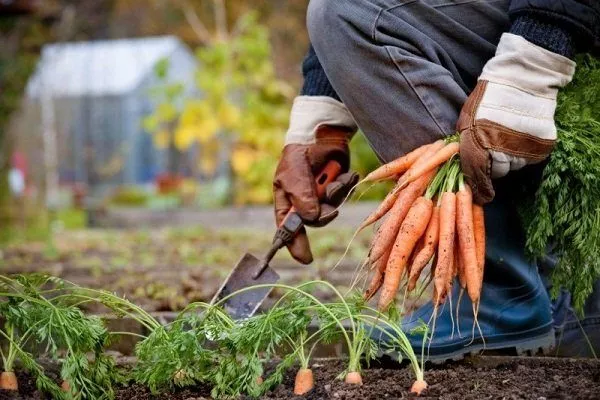
When harvesting, root vegetables should be dug up or carefully pulled out, separated from the tops, and stored in a dark, cool, and dry place. Carrots should not be left in the garden, as exposure to sunlight will cause them to wilt and lose some of their nutrients.
Winter carrot varieties are not suitable for long-term storage, so they should be eaten in the summer.
Growing winter carrots in different regions
Many gardeners complain that winter carrots bolt in the spring. This is due to one of two reasons: sowing poor-quality seeds or stress caused by the seeds remaining in cold soil for a long time.
Despite the second reason, seeds should still be sown in frozen soil, otherwise they may not germinate until spring. Meanwhile, depending on the growing region, there are a number of recommendations that, if followed, can increase the likelihood of a bountiful harvest.
Moscow region
In temperate climates, sow seeds in late October to early November, when soil temperatures drop to 2-3ºC. The weather should be stable, but with light frosts, so the sown seeds have time to swell before the real frost arrives.
Among the cold-resistant carrot varieties, the following are most suitable for autumn sowing in the Moscow region:
- Losinoostrovskaya-13;
- Nantes-4;
- Incomparable;
- Moscow winter;
- Callisto.
Ural
In the Urals, the same agricultural practices are carried out as in the central zone, but for sowing, it is better to select seeds of the following varieties:
- Nantes-4;
- Mo;
- Moscow winter;
- Vitamin-6;
- Altai shortened;
- Incomparable.
When growing carrots in the Urals, it is important to cover the bed well for the winter with a layer of mulch and spruce branches.
Siberia
In this region, the most suitable varieties for winter sowing are those that are most resilient to the harshest weather conditions. These include:
- Shantane;
- Nastena the sweet tooth;
- Altai shortened;
- Diana;
- Queen of Autumn;
- Nantes-4;
- Vitamin-6;
- Losinoostrovskaya-13.
In Siberia, sowing is best carried out between mid-October and mid-November.
Advantages and disadvantages of planting carrots in winter
The advantages of sowing carrots in winter are as follows:
- The gardener is able to get an early harvest of root vegetables. While spring carrots should be harvested in July, autumn carrots are ready as early as June.
- When planted in the fall, the seeds grow without delays when spring arrives, since the cold period evaporates the essential oils that inhibit their germination.
- During the germination period of seeds planted in the fall, the soil has plenty of natural moisture, which saves time on watering and results in tastier carrots. Natural moisture (snow, rain) is known to contain more beneficial nutrients for plants than tap water or even well water.
- The gardener is able to unload his busy spring schedule, since autumn has significantly more time than spring.
As for the disadvantages of autumn sowing of carrots, they look like this:
- If the correct planting technology is not followed, the seeds will freeze, and therefore it will not be possible to get a rich harvest;
- seed consumption is significantly higher than in spring, since from the very beginning one must expect that some of the seed material will perish;
- there is a risk of spring thaws, during which the seeds will germinate, but with the return of frosts the seedlings will freeze and die;
- Winter carrots can be stored for no more than 2-3 months, so the crop often has to be sown in the spring.
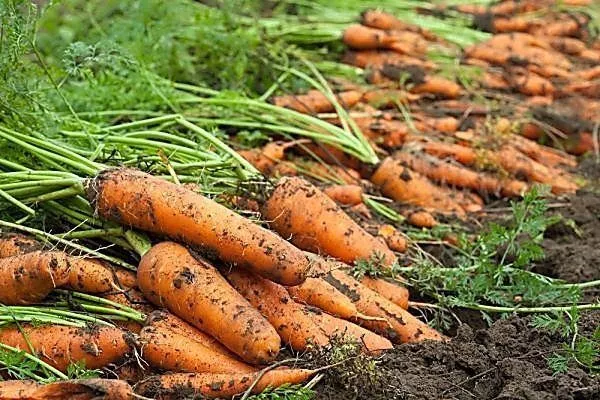
Following all the rules for growing carrots in the fall will allow you to reap an excellent harvest as early as mid-July. The seeds of varieties planted in the spring will only be ripening at this time. Harvested carrots should be consumed promptly, as they are not intended for long-term storage.