
The Autumn King carrot attracts the attention of both novice and experienced growers. It produces generous and abundant harvests, is rarely susceptible to diseases and pests, and tolerates droughts reliably. With proper care, it will grow robust plants and high-quality roots with crisp, tasty flesh.
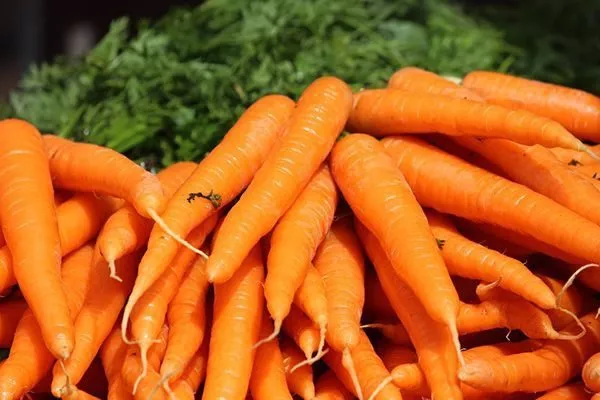
What kind is this?
This time-tested variety is known for its excellent fruit quality. It's popular among gardeners due to its low maintenance and long shelf life, which can last up to 8 months under favorable conditions.
Origin
Autumn King was developed by breeders S. V. Maksimov and N. N. Klimenko. The variety was officially approved for cultivation in 2006.
Appearance, taste
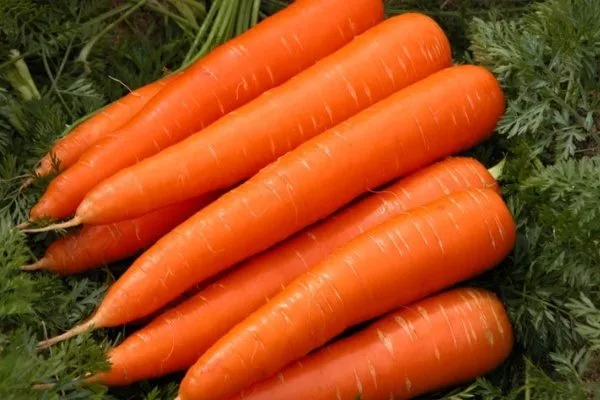
The plant has a semi-spreading rosette of long green leaves, which can be finely or moderately dissected. The underground part is a long, cylindrical root, 20-23 cm long and weighing 120-135 g. The pith is small or completely absent. The skin is orange.
Summer residents highly value the taste of carrots: they're sweet, with hints of honey, but without the unpleasant cloying quality. The juicy flesh has a delicious crunch and is rich in sugar and carotene. This product is beneficial for both children and adults and can be part of a healthy diet.
Features of application
Root vegetables are eaten fresh and are suitable for various cooking methods: frying, boiling, stewing, and baking. They are also canned, frozen, and used to make juice.
How many days does it take for Autumn King carrot seeds to germinate?
The seeds germinate in 10-15 days. Since they are often sold in pelleted form, they do not require special preparation or soaking. However, to speed up germination, plant the seeds in pre-moistened soil.
Ripening period
The first root crops appear 110-115 days after planting in open ground. In southern regions, ripening time is reduced by choosing a warmer, more fertile planting site.
Productivity
The average yield is 4-6 kg per square meter. With careful management, up to 8.5 kg can be harvested. In larger areas, the yield is 170-369 centners per hectare.
Disease resistance
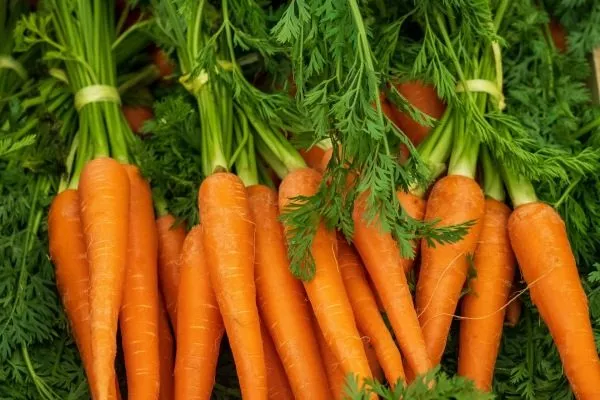
Autumn King is susceptible to fungal infections caused by waterlogged soil and can suffer from fruit rot (black, white, and gray). Good agricultural practices can help prevent these problems. This vegetable crop is pest-resistant, although it can occasionally be attacked by carrot fly.
Which regions are best suited for and what climate requirements does it have?
This crop is recommended for open-ground cultivation in the Central and Central Black Earth regions of Russia. Cultivation is also permitted in southern regions. In the Urals and Siberia, carrots are grown in greenhouses. They thrive in full sun and are frost-resistant, withstanding temperatures down to -3°C.
What are the different producers of Autumn King seeds?
The Autumn King variety is produced by both foreign and domestic producers. Despite the higher cost of domestically produced seedlings, they are more popular. Gardeners note that seeds produced in Russia have a significantly higher germination rate.
Analogues
If you can't find suitable planting material, you can substitute this variety with others similar to Autumn King. Vita Longa is a late-ripening variety, ripening 140 days after germination. The fruits can be stored for 5-6 months under proper conditions.
Another similar variety is Shantane – a mid-season, high-yielding variety with a ripening period of 100 days from germination. The fruits are large, tasty, and high in sugar.
The main advantages and disadvantages of the variety
Before sowing seeds, make sure you're satisfied with the variety's varietal characteristics. It has both positive and negative qualities. Among its advantages are:
The variety has no critical shortcomings, but the crop reacts poorly to excess nitrogen and requires careful watering control, so do not allow the soil to become over-watered or dry out.
Difference from other varieties
It compares favorably with other varieties due to its higher carotene and sugar content, excellent shelf life of its roots, and its sweet, rich flavor. In these respects, the Autumn King significantly surpasses the following varieties: Alyonka, Vita Longa, Laguna, and Shantane.
Features of planting and growing
To get an excellent carrot harvest, simply follow basic farming practices. Plant the seeds correctly and pay a little attention to maintenance.
Preparing for landing
Prepare the soil in advance. In the spring, dig the area and fertilize with urea, superphosphate, and potassium chloride. Avoid using fresh organic fertilizers, such as manure, as they can negatively affect the harvest. The area should be sunny, protected from wind and waterlogging.
To improve germination, prepare the seeds. Place them in a canvas bag and bury them in the soil for 10 days. Remove the bag before germination. Another option is to use the bubbling method: soak the seeds in oxygenated water or store them in the refrigerator.
Soil requirements
The culture prefers sandy, light loamy soil, which should be slightly acidic and well aerated.
Predecessors
Plant carrots in an area where tomatoes, cucumbers, beans, onions or potatoes were previously grown.
Timing, scheme and rules of planting
Sow the seeds in late April, when the soil has warmed up sufficiently. In mild climates, winter planting is acceptable, starting in November when the temperature is 5°C. In this case, mulch the bed with peat.
To sow seeds in open ground, follow the following scheme:
- The distance between rows is 15 cm.
- The distance between plants is 2 cm.
- The depth of the furrows is 1.5-2 cm.
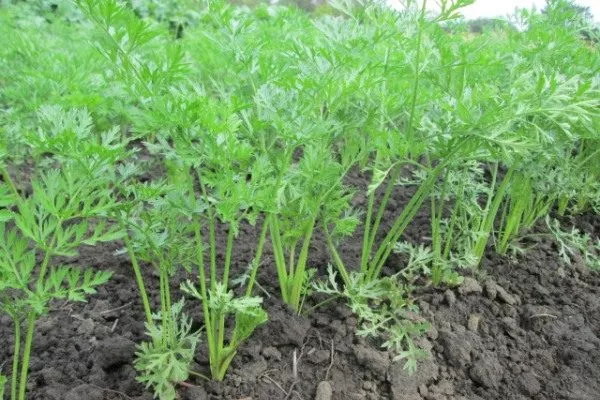
After sowing, moisten the bed and cover with film until seedlings appear.
Care nuances
Provide your crop with comprehensive care to ensure bountiful harvests. Follow these simple agricultural practices:
- Watering. Carrots require regular watering, especially in the first weeks after planting. Water them every 3-4 days, depending on the weather. The soil should be moist to a depth of 20-30 cm. If the soil is not moist enough, the roots may become woody and bitter.
Avoid overwatering to prevent root rot. Drip irrigation or early morning or evening irrigation are best. - Fertilizers. Apply the first fertilizer 2-3 weeks after germination. Use a complex mineral fertilizer (such as nitroammophoska) at a rate of 20-30 g per 10 liters of water.
Three to four weeks after the first feeding, apply potassium fertilizer (such as potassium nitrate) to improve the taste and storage of root vegetables. Three to four weeks before harvest, apply additional phosphorus fertilizer. - Loosening. Carry out the procedure 1-2 days after watering or rain to break up the soil crust and improve air access to the roots. Loosen the soil to a depth of no more than 5-7 cm to avoid damaging the roots.
- Weeding. Remove weeds regularly, especially in the first weeks after planting, to prevent competition for nutrients and moisture. Weed by hand or use specialized tools to avoid damaging the carrots.
- Thinning. Perform thinning when the seedlings have 2-3 true leaves. Remove weak plants, leaving a distance of 2-3 cm between the remaining ones. Two to three weeks after the first thinning, leave 4-6 cm between plants.
Continue thinning as needed to ensure sufficient space for root crops to grow (usually 10-15 cm between plants).
By following these recommendations, you can get a good harvest of tasty and healthy carrots.
Pest and disease control
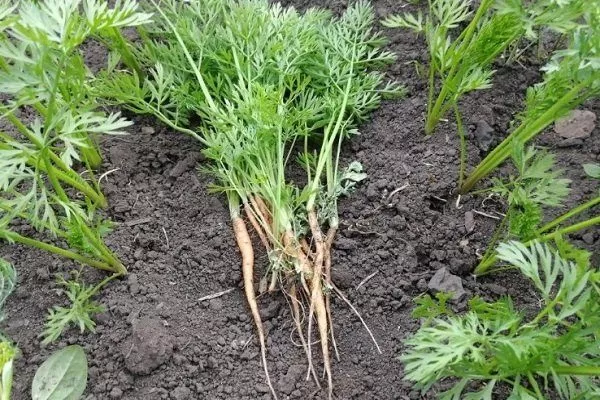
The crop is generally pest-resistant, but carrot fly can occasionally attack crops. To combat this pest, use the following products: Karate, Inta-Vir, and Volaton. Soil treatment with garlic infusion is effective.
To prevent fruit rot, treat plants with Mikosan-V. Adherence to proper agricultural practices is key to preventing diseases and pests. At the first sign of disease or pest attacks, use appropriate protection and treatment.
Harvesting and storage
To ensure good storage of carrots, it's important to harvest them promptly and correctly. Below are some helpful tips.
How and when to collect?
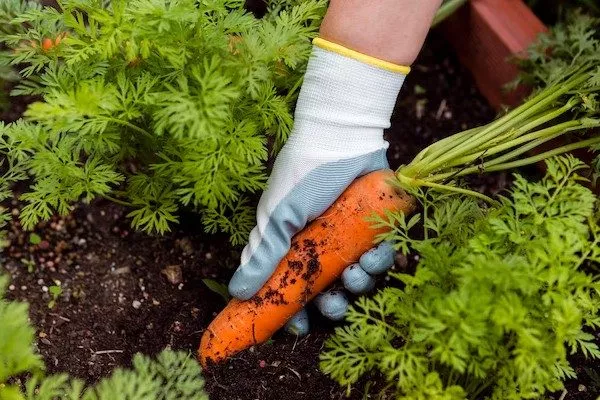
Begin harvesting the first carrots in July. Begin the full harvest in August-September. Dig the roots by hand or using specialized tools.
Storage features and shelf life of the variety
Store vegetables at temperatures between 0 and 2°C and a relative humidity of 85-95%. Under these conditions, they will remain fresh and flavorful for up to 8 months.
What difficulties might arise when growing?
Gardeners may encounter various challenges when growing crops. Below are solutions:
- Delay in growth and development of root crops. The cause is an excess of nitrogen and moisture in the soil. Feed with potassium-rich fertilizers to correct the nutrient balance.
- The tops darken and dry out, and fall off from the vegetable. This is due to diseases caused by dense plantings, especially during heavy rainfall, or pests. Treat with Oxychom.
- Yellowing, elongation and weakening of seedlings. This is caused by parasites that feed on carrot juices or infections. To combat these, use Aktara, Ecogel, or Zircon. To prevent infections, use Mikosan-V.
Tips from experienced gardeners
To store vegetables longer without loss after harvesting, carefully trim off the tops. Place the root vegetables in containers filled with sand to protect them from frost and rodents.
Purchase seedlings on tape (made from natural, easily soluble materials without glue): these seeds are already prepared for sowing. The optimal distance between seeds (3-3.5 cm) on the tapes ensures that the seedlings will develop fully and won't require thinning.
Reviews of the Autumn King carrot variety
The Autumn King carrot is one of the most popular and time-tested varieties among gardeners. Its mid-late ripening period and excellent flavor make it ideal for those who want not only a good harvest but also delicious, crunchy roots. The key is to provide the crop with comprehensive care.