
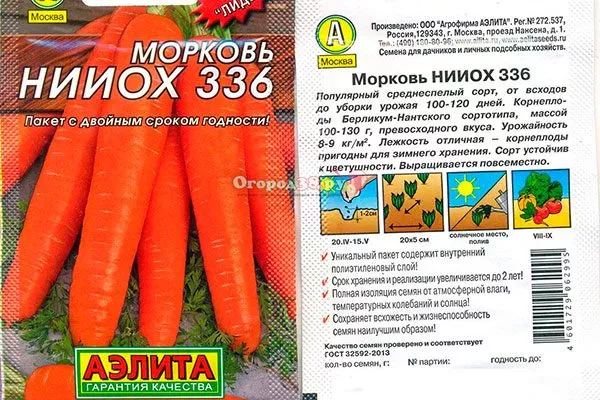
The NIIOKh 336 carrot is one of the most time-tested varieties, recognized by gardeners and professional farmers. It boasts not only high yields and excellent flavor, but also adaptability to a variety of climates. With proper care, it will fully develop its varietal characteristics.
Introduction to the variety
This variety successfully competes with new species. It is valued for its high carotene content and its ability to quickly adapt to any climate.
History of appearance
The variety was approved for use in 1978. It was created by breeders from the All-Russian Research Institute by crossing the Hybrid 5 and Vitaminnaya 6 varieties.
Description of the plant and root crops
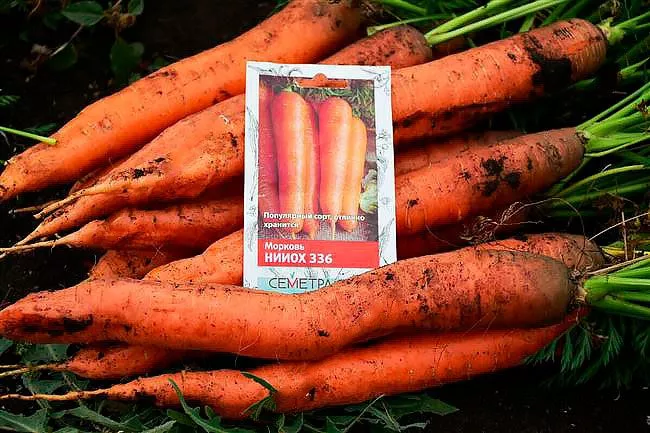
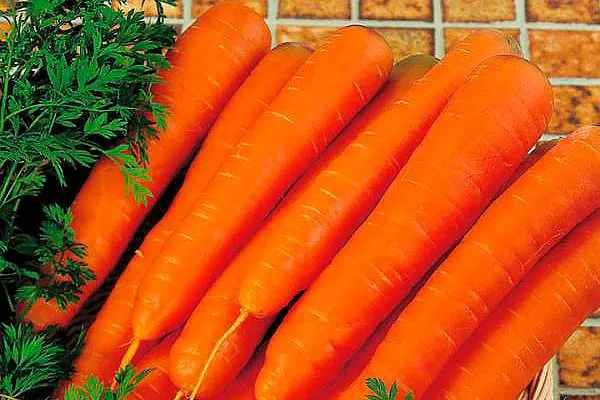
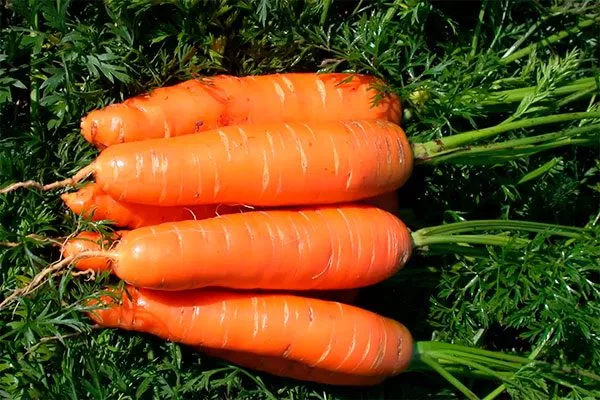
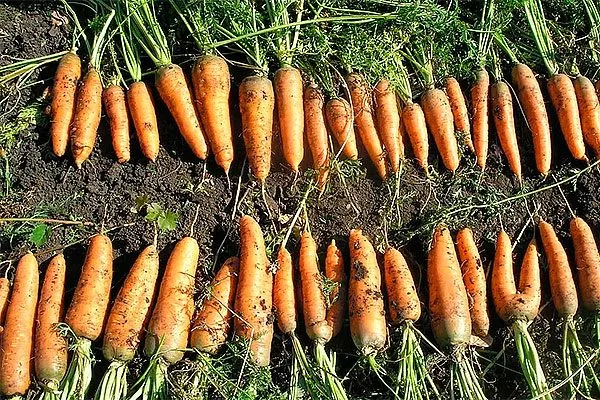
The rosette of leaves is semi-erect, with rich green, lanceolate leaf blades on long petioles. The roots are cylindrical and blunt-tipped, although pointed specimens are sometimes found. They weigh between 96 and 132 g, reach a length of 18 cm, and reach a diameter of 5 cm.
Composition and properties
It is rich in beta-carotene and contains a significant amount of polyacetylenes, carotenoids (including alpha-carotene and lutein), and hydroxycinnamic acids, which have antitumor and anti-inflammatory properties, which contributes to the formation of an adequate immune response of the body.
Vegetables contain the following vitamins:
- Vitamin A (retinol). Presented in the form of beta-carotene, it is beneficial for eye health, skin health, growth and immune system support.
- Vitamin B1 (thiamine). Important for the nervous system, has a positive effect on neuroreflex regulation.
- Vitamin B2 (riboflavin). Actively participates in oxidation-reduction reactions of the body.
- Vitamin B6 (pyridoxine). Plays a role in growth, hematopoiesis and blood circulation, and normalizes the functioning of the central nervous system.
- Vitamin C. Strengthens the immune system and prevents the development of colds, has an anti-stress effect.
- Vitamin E (tocopherol). Participates in protein synthesis and metabolism, supports the reproductive functions of the body.
- Vitamin H (biotin). Promotes the absorption and processing of proteins in the body, restores metabolism in the skin.
Thanks to their high beta-carotene content, carrots have antioxidant properties. These root vegetables reduce the risk of cardiovascular disease and improve vision.
Taste characteristics and purpose
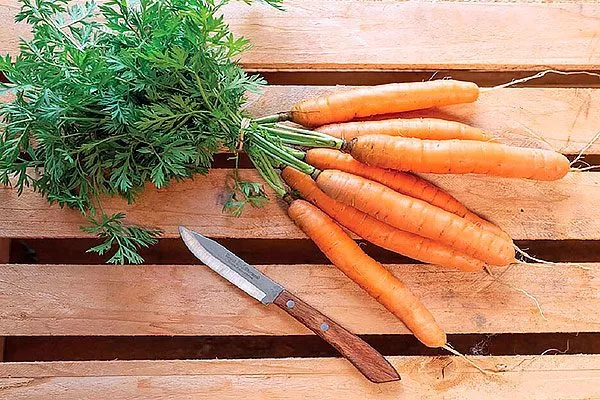
The flesh is juicy and tender, possessing excellent flavor and a sweet taste. Research Institute of Organic Chemistry 336 is used for fresh consumption, juice production, and canning.
Ripening period
This is a mid-season variety, with a growing season of 100-120 days. In warmer regions, the roots ripen faster, in 80-90 days.
Carrot yield Niiokh 336
It is characterized by high yields. Up to 9 kg of ripe vegetables are harvested from 1 square meter of planting.
Resistance to diseases and pests
Crops are susceptible to key diseases and insects, such as brown rot (phoma), powdery mildew, aphids, mole crickets, and carrot flies. Therefore, soil and seed treatment and preventative measures are essential when cultivating the crop.
Growing regions
Due to its high resistance to temperature fluctuations and easy adaptation, the crop is successfully cultivated in various regions, including the Northwest, Central, Volga-Vyatka, Middle Volga, Lower Volga, West Siberian, East Siberian and Far Eastern regions.
What is the difference from other types?
It has a high content of carotene (23%), which makes it especially suitable for children's and dietary nutrition.
Advantages and disadvantages
The crop has its strengths and weaknesses. To achieve high yields during cultivation, it's important to consider these characteristics.
The variety is not susceptible to bolting or flowering.
Planting and care features
The NIIOKh 336 variety has specific requirements for light and soil quality. For planting (read more about planting features) here) Choose sunny, not overwatered areas with nutritious soil. The quality of the harvest depends on the preceding crops, the frequency of watering, and the regularity of fertilizing.
Preparation
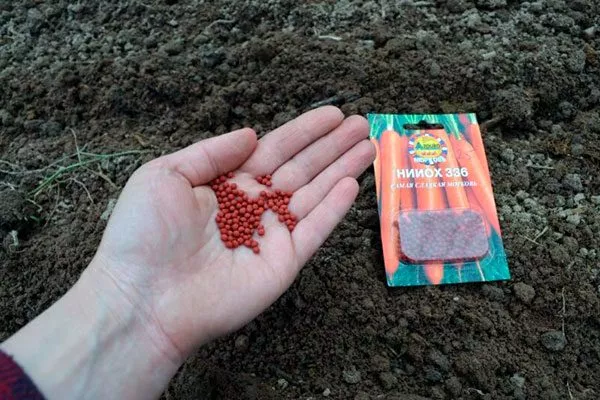
Given the crop's susceptibility to diseases, disinfect the planting material beforehand. To do this, soak the seeds in a weak solution of potassium permanganate or HOM for 24 hours.
Soil requirements
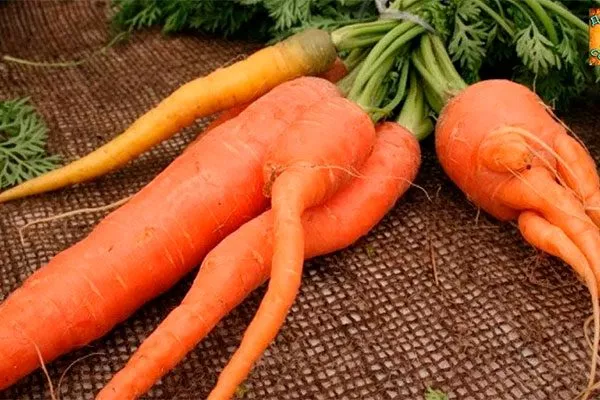
Heavy, rocky soils are unsuitable, as they will produce crooked, tasteless roots. Avoid sowing seeds in highly acidic areas. Light, sandy soil is the best choice for cultivation.
Before planting, add humus, dry peat, or compost to the soil at a rate of 4 kg per 1 square meter. This will improve the soil structure and provide the plants with nutrients.
Predecessors
To ensure a good harvest, follow crop rotation rules. The best predecessor crops for carrots are:
- tomatoes;
- onion;
- salad;
- potato;
- cucumbers.
Do not plant it after dill and parsley, as related crops can weaken the immune system and lead to new diseases.
Planting times and rules
Sowing time depends on the region and weather conditions. The optimal time is late spring, when the risk of cold snaps and frosts is minimal. Recommendations for different regions:
- For the Middle Belt: end of April.
- For Siberia and the Urals: early or mid-May.
- For southern regions: early or mid-March.
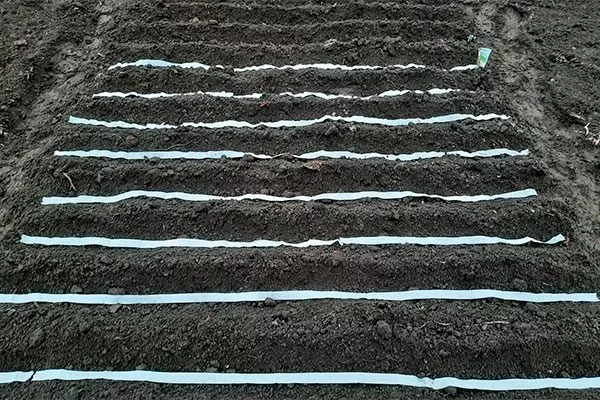
After preparing the soil, make furrows 1-2 cm deep. Sow the seeds, spacing them about 0.5 cm apart. Level the soil and water it thoroughly. Sprinkle the seeds with a light layer of peat moss or compost.
Care activities
Provide your plantings with comprehensive care. This includes several key aspects:
- Watering. Perform the procedure in the morning or evening to allow the moisture to be absorbed rather than evaporated by sunlight. Frequency depends on weather conditions, but on average, water the beds once every 4-7 days.
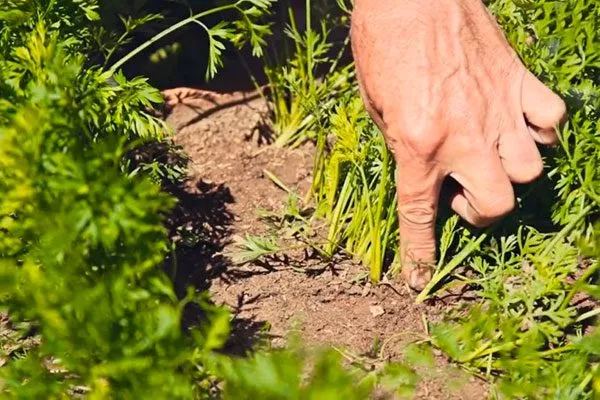
Excess moisture can encourage pest infestations. Keep plants moist between rows, avoiding water directly at the roots. - Thinning and weed control. Thin the carrots twice during the growing season: two weeks after sowing and three weeks after the first thinning. Be careful not to damage the roots. If thinned incorrectly, carrots may grow crooked and horny.

Remove weeds regularly to prevent them from interfering with growth. - Top dressing. To get a good harvest regularly apply fertilizerDuring active growth, apply nitrogen or potassium fertilizers. Fertilize the crop three times during the growing season:
- During seedling growth. Add Superphosphate (5 g per 1 l of water).
- At the flowering stage. Use potassium nitrate (3 g per 1 l of water).
- During fruiting. Use ammonium nitrate (3 g per 1 liter of water).
Pest and disease control
To prevent and control diseases and insects, use control measures. Common problems:
- Phytophthora. Treat the plantings with Fotafox at a rate of 5 g per 10 liters of water.
- Root rot. To protect root crops, use colloidal sulfur – 20 g per 10 liters of water.
- Powdery mildew. Use Skor at a dosage of 1.6 ml per 8 liters of water.
- Anthracnose. To prevent this disease, spray the tops with a solution of Khomus - 35 g per 10 liters of water.
If insects appear, use the following preparations:
- Decis;
- Aktara;
- Splendor;
- Actellic.
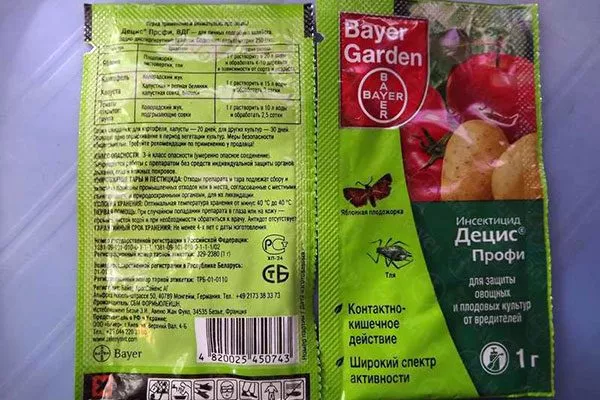
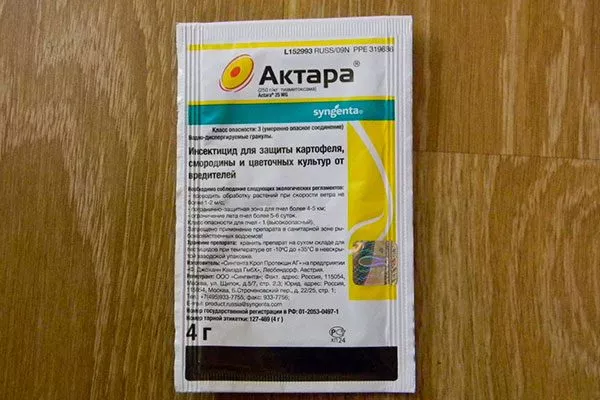
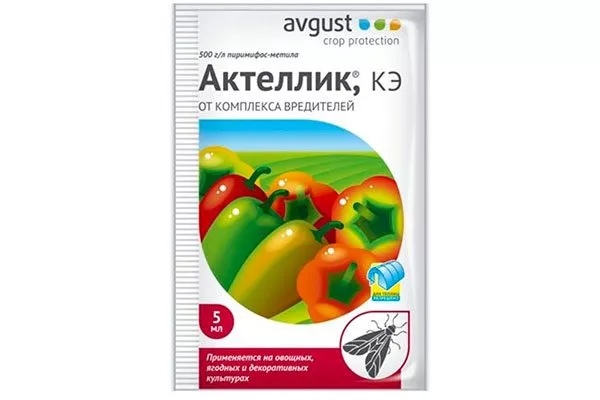
To combat mole crickets, place boiled grain bait soaked in a BI-58 solution into the holes.
Harvesting and storage of crops
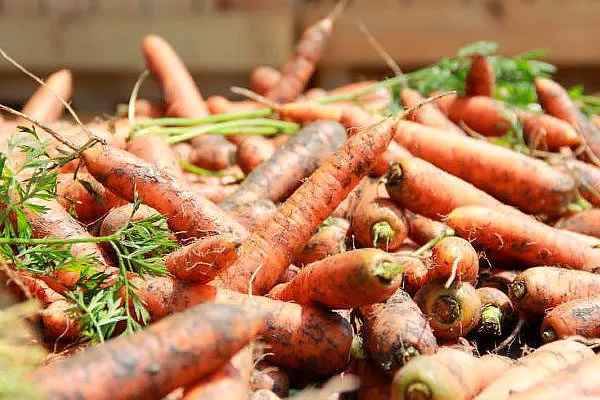
Begin harvesting for bunches two months after germination; for long-term storage, do so in late August or early September. Dig up the roots when the tops turn yellow. Don't delay harvesting, as this can lead to the formation of absorbent root suckers and a bitter taste.
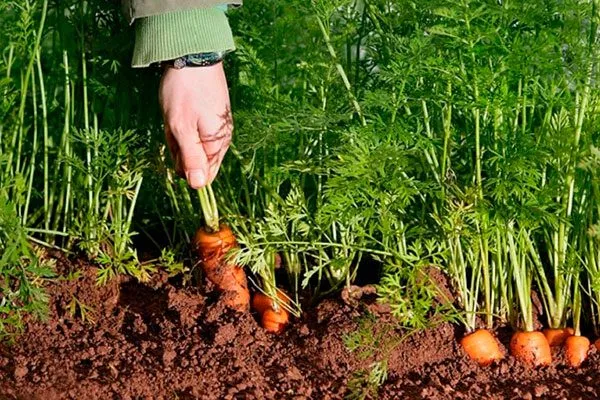
Wipe the vegetables clean of soil with a rag and dry them lightly in the shade. Place them in wooden or plastic boxes, layering them with damp sand, sawdust, or pine needles.
Various problems in growing and ways to solve them
Failure to follow agricultural practices, adverse weather conditions, and poor-quality seed can cause various problems when growing plants. Knowing how to solve these problems will help you save your crop this season and avoid them in the future.
Main problems and solutions:
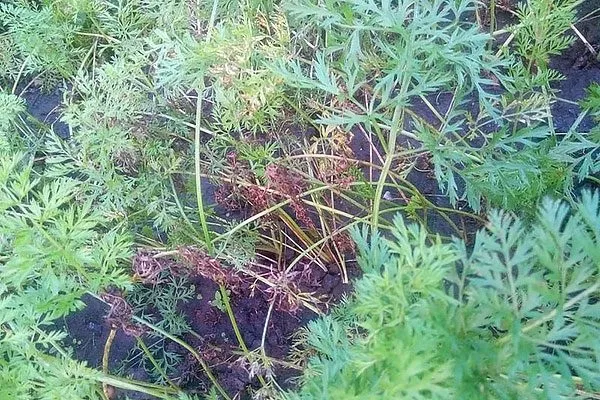
- The shoots or tops turn yellow, stretch out and weaken. The cause is parasites or disease. Use pest control products such as Aktara, Ecogel, or Zircon.
If you notice phomosis (yellowing at the bottom) or brown spots (yellowing at the edges and turning brown), or rhizoctonia, destroy such plants to avoid infecting the rest of the crop.
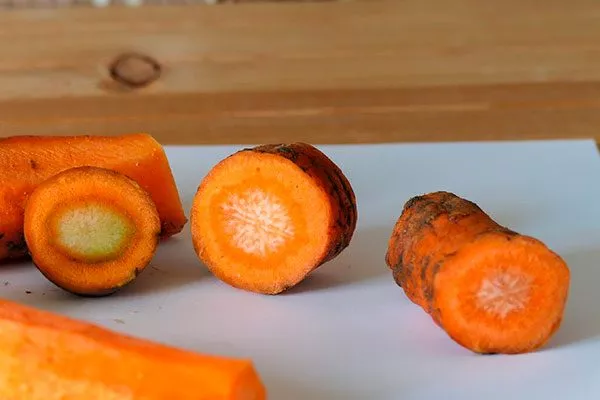
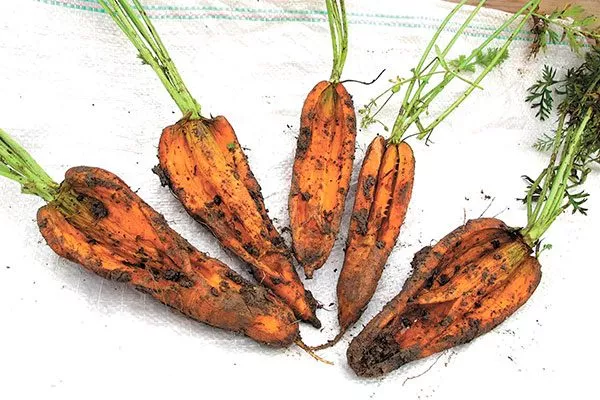
- White core. Poor-quality seed or excess nitrogen with other element deficiencies are the main causes. Check the seeds for quality and adjust the fertilizer schedule to ensure balanced nutrition.
- Cracking. Uneven watering, excess fertilizer, heavy soil, or overripe soil can cause this problem. Water plants regularly and evenly, apply fertilizer correctly, and avoid excess nitrogen. If your soil is clayey, use raised beds.
- Dryness and lack of sweetness. This is due to a lack of moisture or nutrients. Regularly water the plants and apply fertilizer according to the instructions.
- Deformation. This is often due to poor soil preparation, insufficient irrigation, pests or improper fertilization.
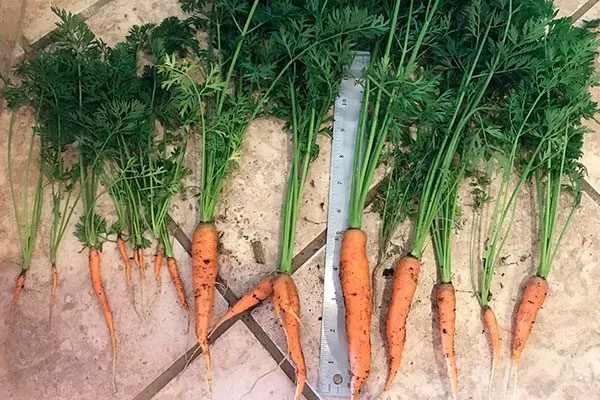
Prepare the soil by removing stones and improving the structure. Ensure regular watering for the first month after planting and use the right fertilizer (avoid manure and potassium chloride). Watch for pests. - Small sizes. Varieties, insufficient sun, or excessive heat can cause this problem. Ensure adequate sunlight and increase watering during dry periods.
- Unsuitable soil (heavy or highly acidic). Next season, add sand to the soil during the preparation stage and add lime or dolomite flour to adjust the acidity.
These recommendations will help you successfully overcome problems when cultivating NIIOKh 336 and ensure healthy plant growth and a good harvest.
Tips from experienced gardeners
Experienced vegetable growers recommend loosening the soil a week before planting and treating it with a copper sulfate solution (1 tablespoon per 1 liter of water). This will help prepare the soil and prevent disease.
After sowing, cover the bed with dark plastic to retain heat and moisture, and to protect against pests. This approach ensures good plant development and protection from external factors.
Gardeners' reviews of carrots from NIIOKh 336
The NIIOKh 336 carrot is a popular variety that combines excellent taste, good productivity, and resistance to adverse conditions. By following simple agronomic recommendations, you can grow healthy, tasty, and nutrient-rich vegetables. Care is minimal, but essential for bountiful harvests.