Loading Posts...

Carrot Mango: Growing Features

Carrot Mango is a high-yielding hybrid variety, which has gained popularity among both novice and experienced gardeners. It is characterized by large, smooth roots with juicy flesh and excellent flavor. Its ease of care and high disease resistance make it a sought-after crop. With proper cultivation practices, it produces excellent results.
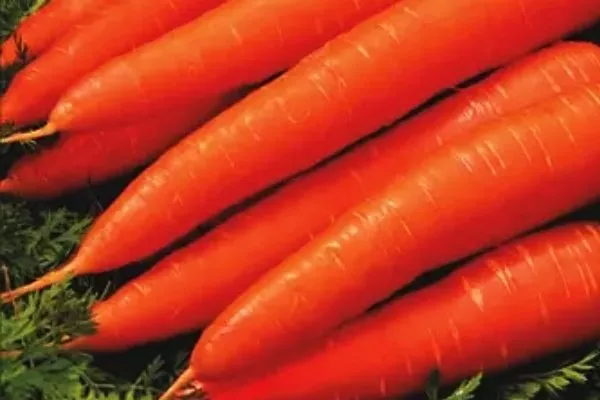
Mango

Introduction to the variety

This hybrid was developed in Holland. It is a mid-season variety with excellent yields of 2.4-6 kg/m2. Harvested vegetables store well for a long time.

Characteristics of the appearance of the plant and root crops

Mango F1

The leaves are deep green and feathery, reaching up to 30 cm in length. The vegetables are large, cylindrical, and smooth, with deep orange skin and juicy flesh. The root length varies from 20 to 25 cm, and the diameter from 4 to 6 cm.

The average weight of one vegetable is 150-200 g.

Purpose and taste of tubers

Mango carrots are ideal for fresh consumption and juice production. Their roots have a bright, rich flavor and excellent juiciness.
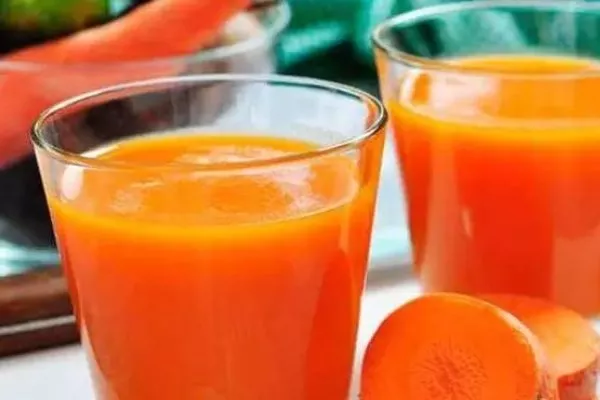
Mango carrot juice

The deep orange flesh makes this vegetable especially appealing for use in salads and other fresh dishes. Its high sugar content and delicate texture make this variety ideal for baby food.

Growing and care

Choose a well-lit location with neutral or slightly acidic soil. It's best to grow carrots in areas previously occupied by potatoes, cabbage, or onions.

Critical Soil Parameters for Mango Carrots
  • ✓ The soil pH level should be strictly within 6.0-6.8 for optimal nutrient absorption.
  • ✓ The soil must be well-drained to avoid water stagnation and root rot.

Follow the recommendations:

  • Dig the soil deeply in the fall, removing weeds. Add compost or rotted manure.
  • In spring, loosen the soil and level the surface with a rake.
  • Sowing should be done in early spring, when the soil warms up to +5°C.
  • Make furrows 1-2 cm deep and place the seeds 2-3 cm apart.
  • Cover them lightly with soil and water carefully.
  • Keep the soil moderately moist, especially during the germination period.
  • Avoid overwatering to prevent root rot.
  • Thin the seedlings twice: once when they reach 2-3 cm in height, and again 2-3 weeks after the first thinning. Leave 4-5 cm between plants.
  • Feed carrots for the first time 3-4 weeks after germination, using a complex mineral fertilizer. During the period of active root growth, apply potassium fertilizer to improve flavor and shelf life.
  • Regularly loosen the soil between rows to ensure oxygen reaches the roots.
  • Mulch the soil around plants to retain moisture and reduce weed growth.
  • Conduct preventative pest and disease treatments using biological or chemical agents. Monitor the condition of your plants and remove any diseased specimens.
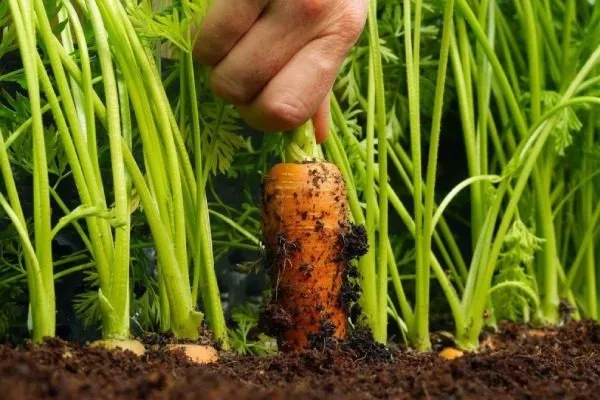
Errors when thinning seedlings
  • × You can’t delay the first thinning, otherwise the root crops will be small and deformed.
  • × Leaving too much distance between plants during the second thinning may result in reduced yields.

Mango harvest

  • Harvest 80-95 days after sowing. Carefully dig up the vegetables and clean them of soil, being careful not to damage them. Remove the tops, leaving small stems, and let the vegetables air dry for a few hours.
Optimization of feeding
  • • To improve the taste of Mango carrots, it is recommended to use potassium fertilizers in the form of potassium sulfate, rather than potassium chloride, to avoid the accumulation of chlorine in the soil.
  • • Foliar feeding with microelements such as boron and manganese can significantly increase the sugar content and juiciness of root crops.
Store the harvest in a cool, dark place with good ventilation, preferably in boxes with sand or sawdust.

Reviews

Marina, 46 years old, Nizhny Novgorod.
The mango impressed me with its exceptional juiciness and vibrant flavor. Each root is a rich orange color and perfectly even in shape. The variety proved to be very productive, and we harvested much more than we expected from our plot. I especially want to note that the vegetables are excellent for making juice – the result is sweet and rich. Our whole family enjoys fresh carrot salads and this healthy drink.
Andrey, 34 years old, Magnitogorsk.
I've been growing Mango carrots for several years now, and I'm always pleased with the results. This variety tolerates a wide range of climates and is disease-resistant. The roots grow large and uniform, making harvesting much easier. The harvest lasts a long time without losing its flavor, allowing you to enjoy fresh vegetables all winter long. The flavor is excellent, enhancing a variety of dishes, including fresh salads, side dishes, and soups.
Timur, 29 years old, Voronezh.
Mango carrots have become one of my favorite varieties. I was surprised at how easy they are to care for—the plants don't require any special conditions and grow quickly. The yield is impressive, and the roots themselves always look beautiful and appetizing. Children especially love them, as they're sweet and crunchy, perfect for snacking.

Mango carrots attract gardeners with their excellent productivity, tolerance to adverse conditions, and resistance to diseases and pests. Cultivation is easy, but plant care is time-consuming. To maximize yields, it's important to regularly water the plants and perform other maintenance.

Frequently Asked Questions

What is the optimal interval between waterings during the period of active root crop growth?

Can fresh manure be used as fertilizer?

Which companion plants will increase yields?

How to determine if plants are ready to be harvested without digging?

What is the minimum temperature for seed germination?

How to prevent the top of the root crop from turning green?

What biological products are effective against carrot psyllid?

Is it possible to grow seedlings in peat pots?

What is the shelf life of the product in the cellar without losing its juiciness?

Which weeds are most dangerous for seedlings?

What soil color indicates boron deficiency?

Can I re-sow in the same area next year?

What loosening depth is safe for young root crops?

What mulch material is best for retaining moisture in the summer?

What proportion of sand improves heavy soil?

Comments: 0
Hide form
Add a comment

Add a comment

Loading Posts...

Tomatoes

Apple trees

Raspberry