
The most suitable varieties for the Moscow region, located in the central region of Russia, were developed with the region's climate in mind. By choosing a variety suitable for growing in your area and adhering to all agricultural guidelines, you can be sure of an excellent harvest.

Early ripening varieties
Early spring carrots are sown to produce a harvest for bunches. These carrots are eaten fresh and can be grown in greenhouses or open ground. Early varieties mature in 60 to 90 days.
- ✓ Consider the variety's resistance to temperature fluctuations typical for the Moscow region.
- ✓ Pay attention to the ripening times to ensure you have time to harvest before the cold weather sets in.
Standard
| Name | Ripening period (days) | Yield (c/ha) | Sugar content (%) |
|---|---|---|---|
| Artek | 60-90 | 670 | 8.4 |
| Bangor | 60-90 | 670 | 8.4 |
| Gribov resident | 60-90 | 500 | 8.4 |
| Nandrin | 60-90 | 670 | 8.4 |
Certain carrot varieties, based on their technical characteristics and taste, have long been standards in Russian breeding. These parameters are used to compare newly developed varieties and hybrids. The names of these carrot varieties are familiar to anyone who has ever grown this root vegetable:
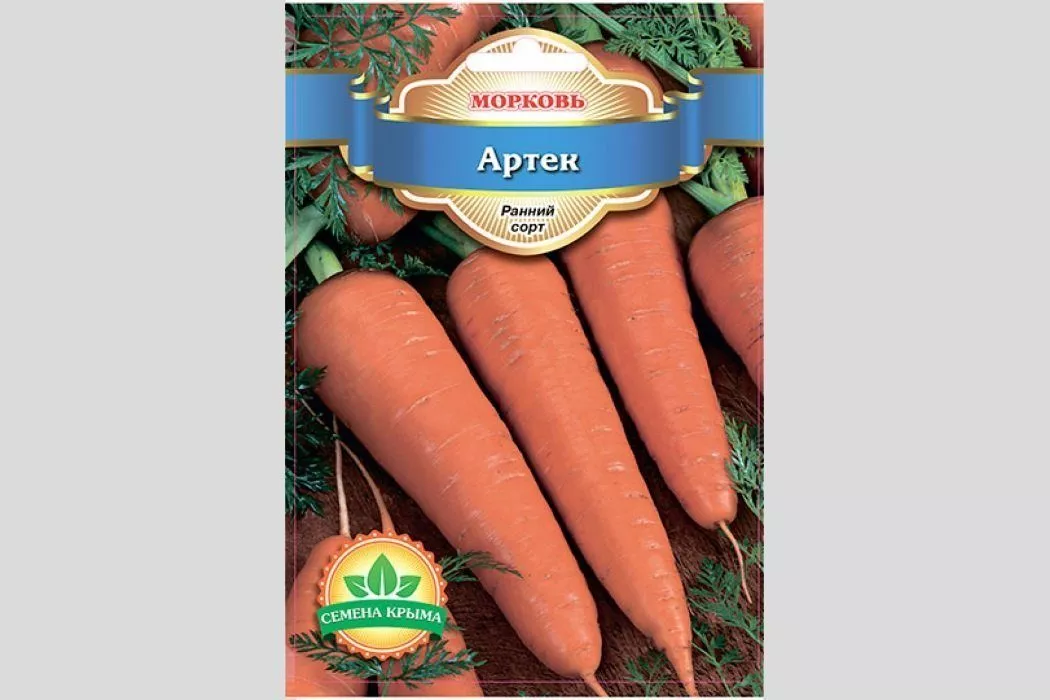
- Artek. This variety was developed back in 1983. It has a thick, cylindrical root, red-orange in color, with orange flesh. It has a high yield of up to 670 c/ha, with carrots averaging 15 cm in length and weighing 130 g. When storing the harvest, beware of gray mold; this root is resistant to white mold.

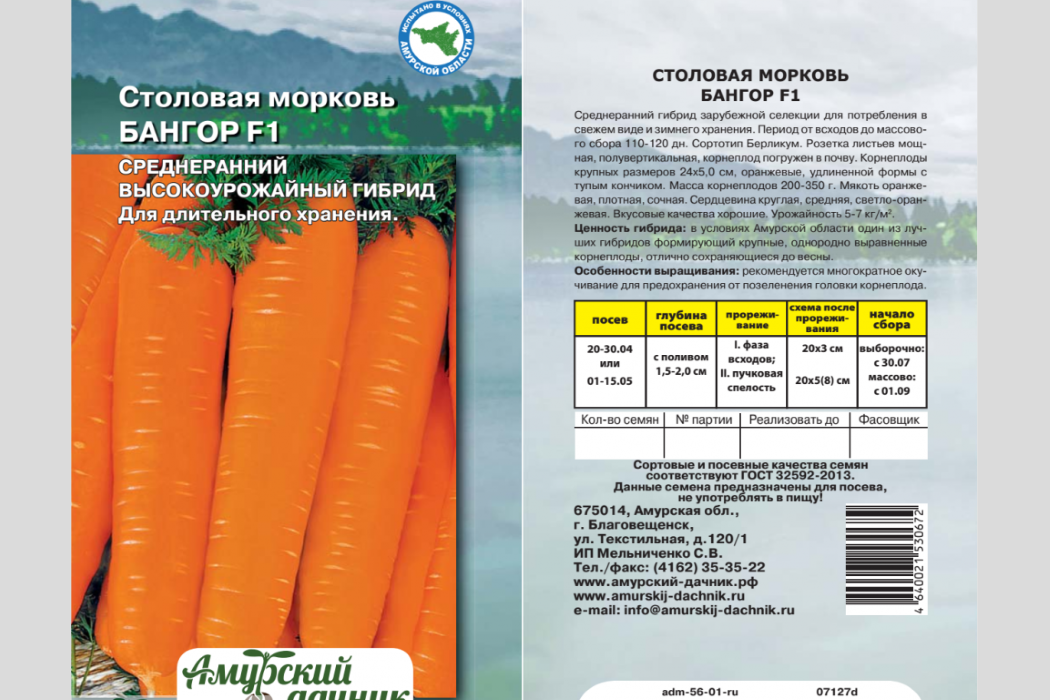
- Bangor. A Dutch hybrid with a cylindrical shape. Its length ranges from 16 to 20 cm, weighing 120-200 g. Yields are similar to those of the Artek variety, at 670 c/ha. This variety has well-uniform roots and is suitable for long-term storage.
- Gribov resident. This cylindrical hybrid has orange bark and flesh. With roots weighing 120-150 g, it produces a high yield of 500 c/ha. Its relatively high sugar and carotene content gives it excellent flavor.
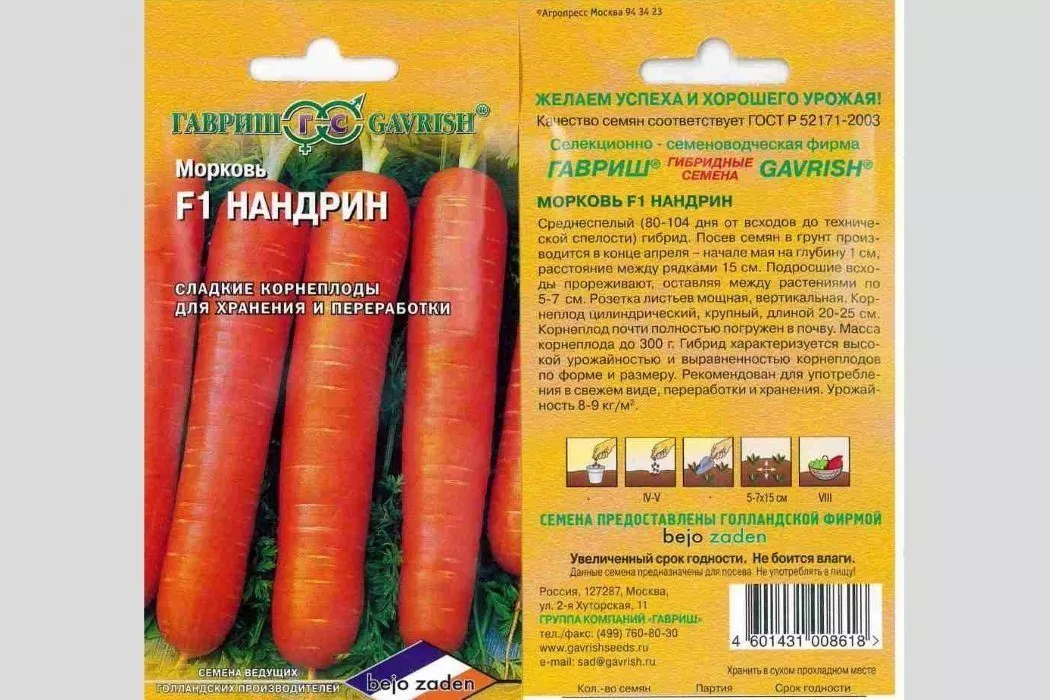
- Nandrin. The seeds of this hybrid are delivered to Russia from Holland already treated for diseases, so they should not be soaked. Large roots weighing 150-250 grams reach 20 cm in length and have a regular cylindrical shape.

New varieties and hybrids
Carrots are a highly sought-after food product in our country. Therefore, every year more and more new carrot varieties are developed, each improved by one characteristic, and sometimes even by several.
| Name of the variety | Root crop weight g | Maximum yield, c/ha | Sugar content % |
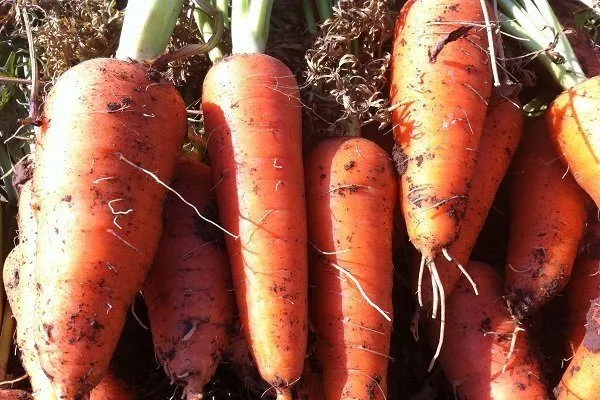
| Abaco | 125-210 | 560 | 8.4 |
| Yummy | 95-165 | 620 | 9.1 |
| Granddaughter | 60-115 | 530 | 8.6 |
| Sweetie Baby | 110-190 | 480 | 8.5 |
| Fun | 50-80 | 470 | 7.9 |
| Charger | 75-150 | 370 | 7.5 |
| Quadrille | 100-170 | 480 | 7.3 |
| Carvora | 80-150 | 380 | 8.2 |
| Coloring | 100-200 | 450 | 9.2 |
| The Red Maiden | 90-130 | 420 | 8.6 |
| Marlinka | 90-170 | 580 | 7.1 |
| Sophie | 60-110 | 520 | 8.6 |
| Crunchy Bunny | 130-190 | 660 | 8.4 |
- ✓ New hybrids often have increased resistance to diseases typical for the region.
- ✓ May require more intensive care, including regular watering and fertilizing.
Abaco
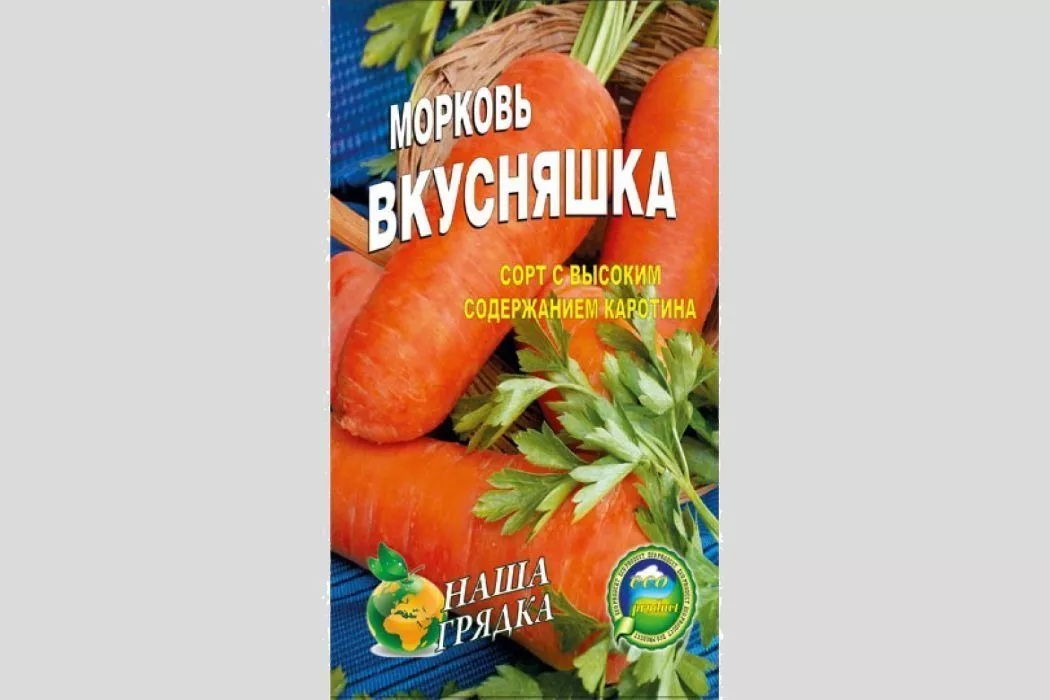
Carrot Yummy
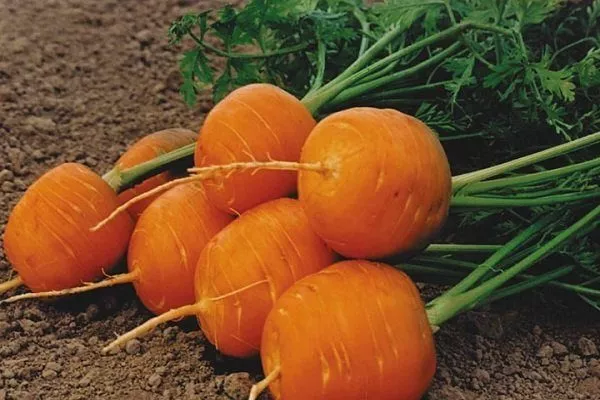
Carrot Granddaughter

Sweetie Baby
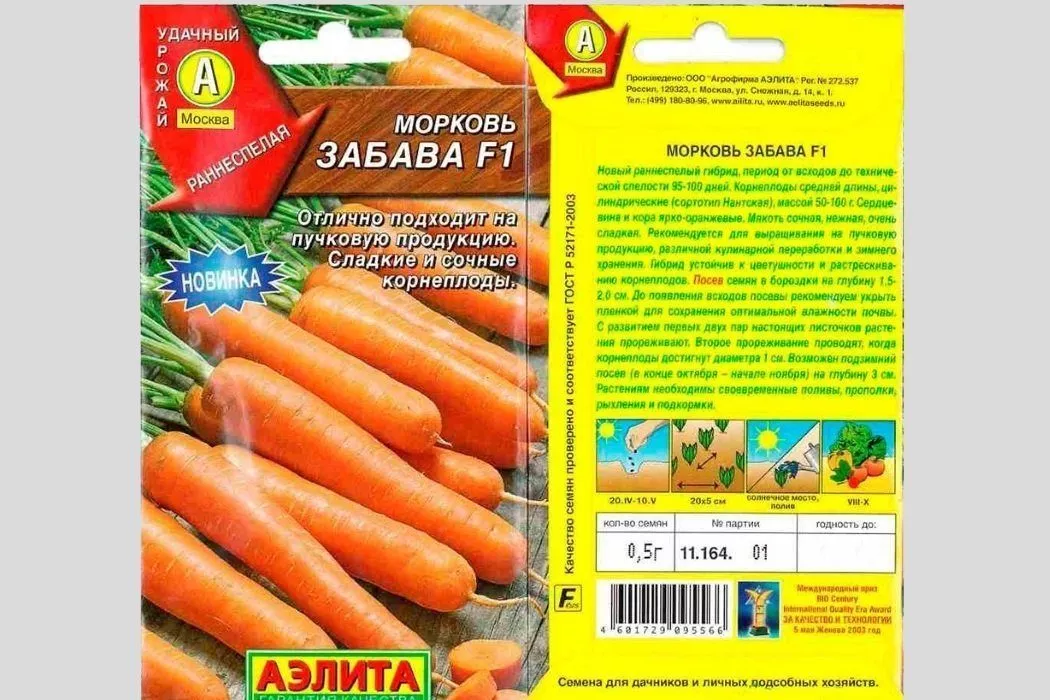
Carrot Zabava
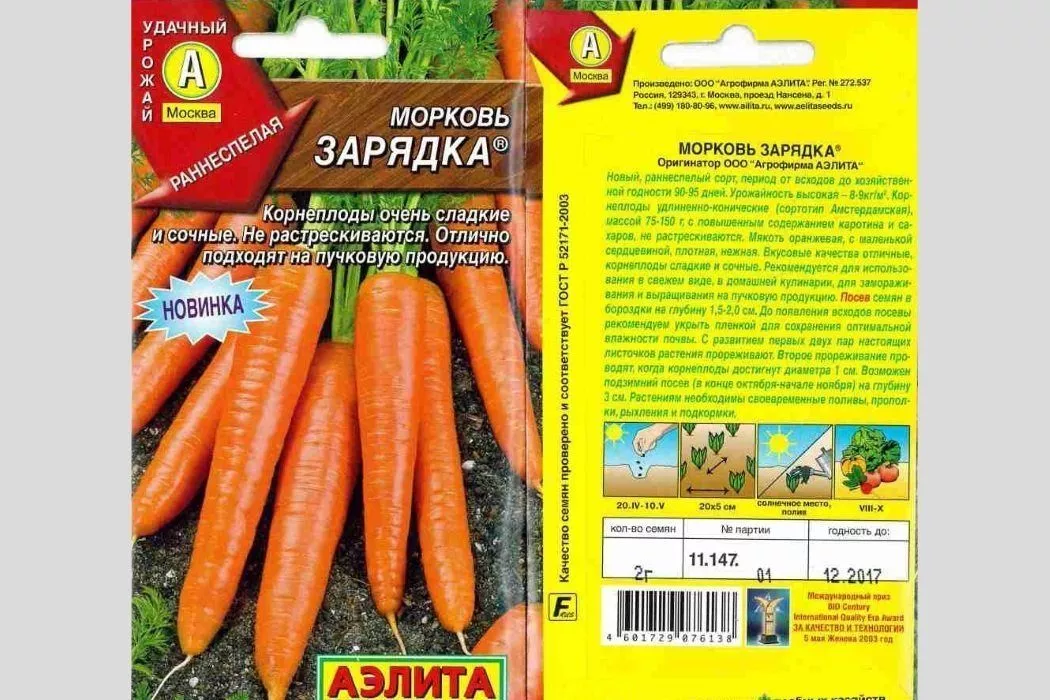
Carrot Exercise

Carrot Quadrille

Carrot Carvora

Carrot Colorit

The Red Maiden

Marlinka

Sophie
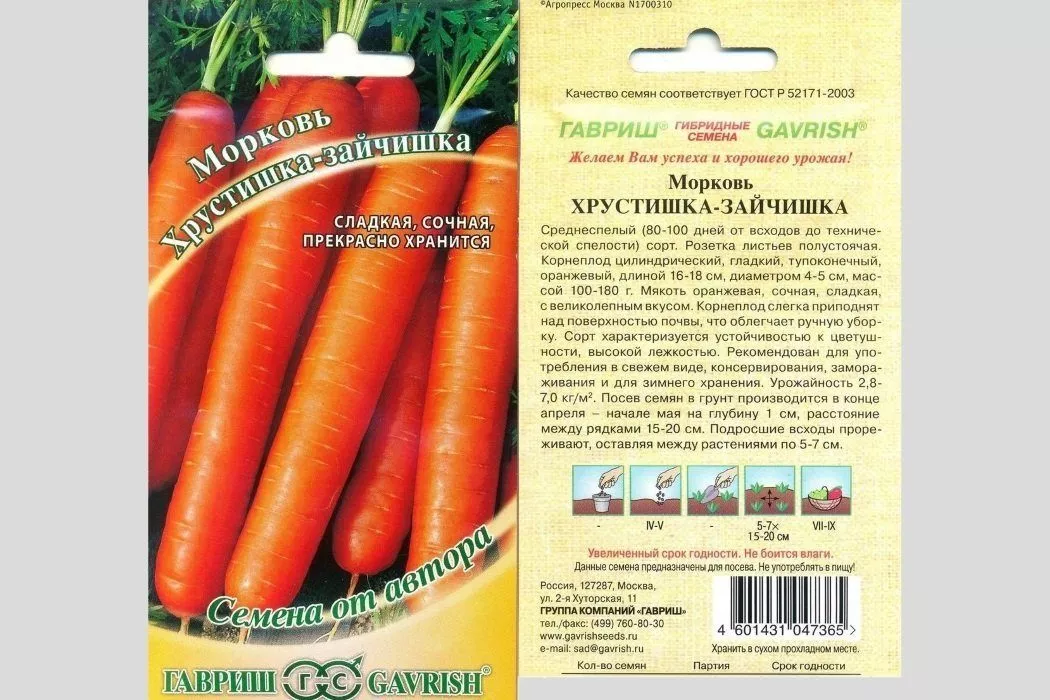
Crunchy Bunny
Sweet carrot varieties
Sweet carrot varieties, which have a higher sugar content than others, are especially worth noting. Children especially love these carrots, as they make excellent sweet juices and desserts. Among the early varieties with high sugar content are: Vkus Detstva, Miraflores, Rafinad, and Pharaoh.
Mid-early carrot varieties
Mid-early carrot varieties have a growing season of 90 to 100 days, on average, from germination to technical maturity. Sowing occurs in the first half of May, weather permitting.
Standard
The mid-early standard carrots suitable for growing in the Moscow region are represented by two well-known varieties:
- Naval. A mid-early hybrid with high sugar and carotene content. Medium-weight roots (up to 160 g) reaching 22 cm in length have a moderate yield of 316 c/ha. However, this carrot can be harvested even under unfavorable growing conditions, and its smooth, cylindrical roots are resistant to cracking.
- Namur. This variety's short roots (up to 16 cm) produce a high yield of 730 centners per hectare. The Nantes variety features orange, cylindrical roots. It has excellent flavor and marketability.


New varieties and hybrids
New foreign varieties are bred with an eye toward improving the marketability of the product, focusing on root uniformity and consistency in length and diameter. Russian breeders, however, prioritize flavor, but our carrots are not much inferior to foreign varieties in terms of marketability.
| Name of the variety | Root crop weight g | Maximum yield, c/ha | Sugar content % |
| Alyonka | 120-200 | 660 | 8 |
| Angara | 95-160 | 620 | 9.1 |
| Bolivar | 120-205 | 500 | 7.5 |
| Children's breakfast | 90-170 | 690 | 7.8 |
| Jerada | 120-180 | 670 | 7.5 |
| Irkutsk | 90-190 | 600 | 6.4 |
| Red Arrow | 100-190 | 520 | 8.9 |
| Lydia | 80-100 | 620 | 7.3 |
| Foxy sister | 90-180 | 460 | 7.8 |
| Music | 100-155 | 540 | 8 |
| Nagano | 100-190 | 550 | 7.6 |
| Namdal | 100-150 | 600 | 8 |
| Nansen | 90-130 | 430 | 6.9 |
| Olympus | 120-200 | 590 | 7.8 |
| Sweet tooth | 105-180 | 540 | 8.7 |
| Topaz | 105-115 | 400 | 8.4 |
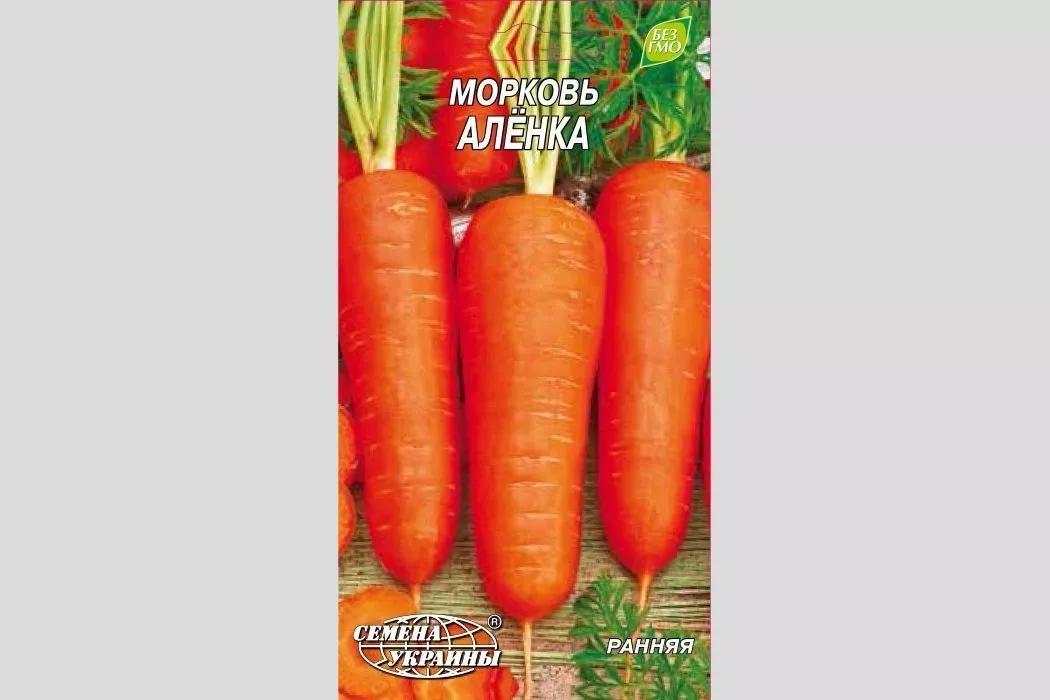
Carrot Alyonka

Angara carrot
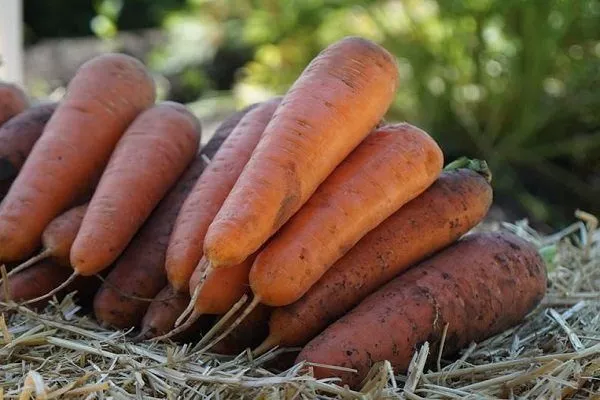
Bolivar carrot

Children's breakfast
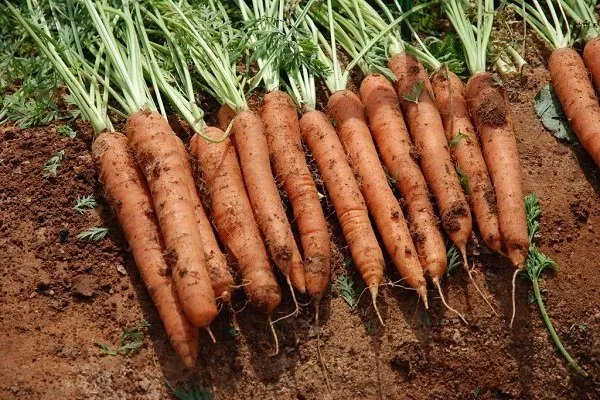
Jerad's carrots

Carrots Irkut

Red Arrow

Carrot Lydia
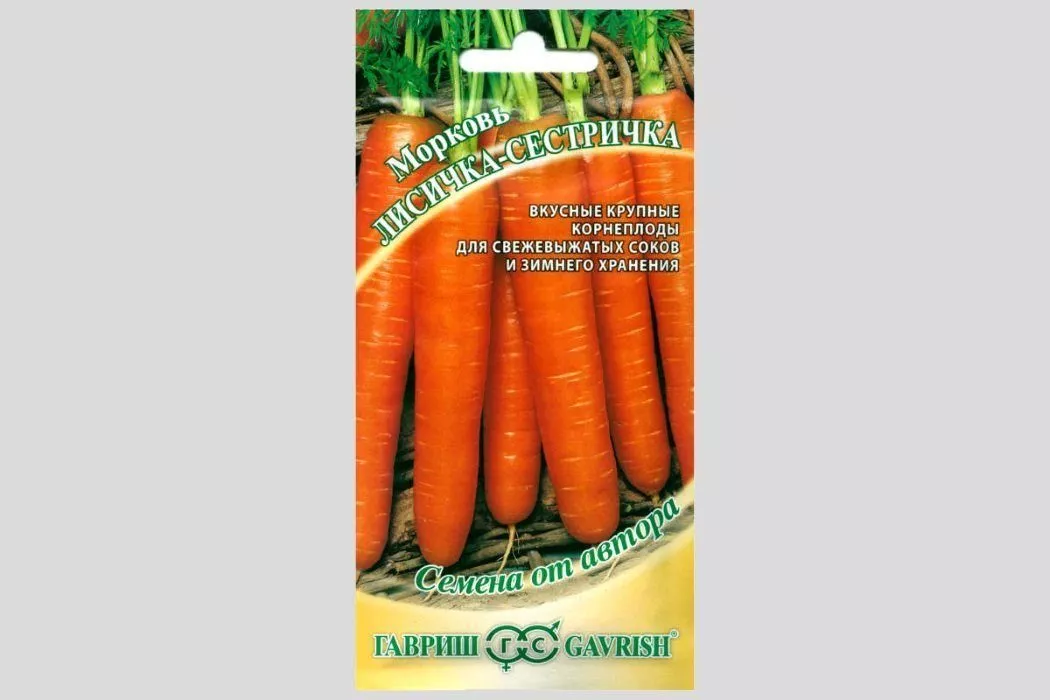
Foxy sister

Carrot Musico

Nagano carrots

Namdal carrots

Nansen carrot
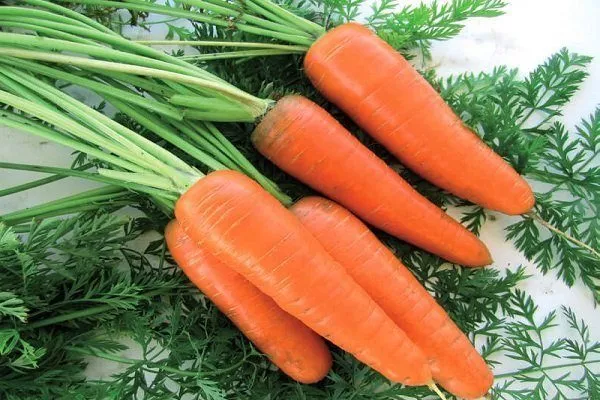
Olimpo carrot

Sweet Tooth Carrot
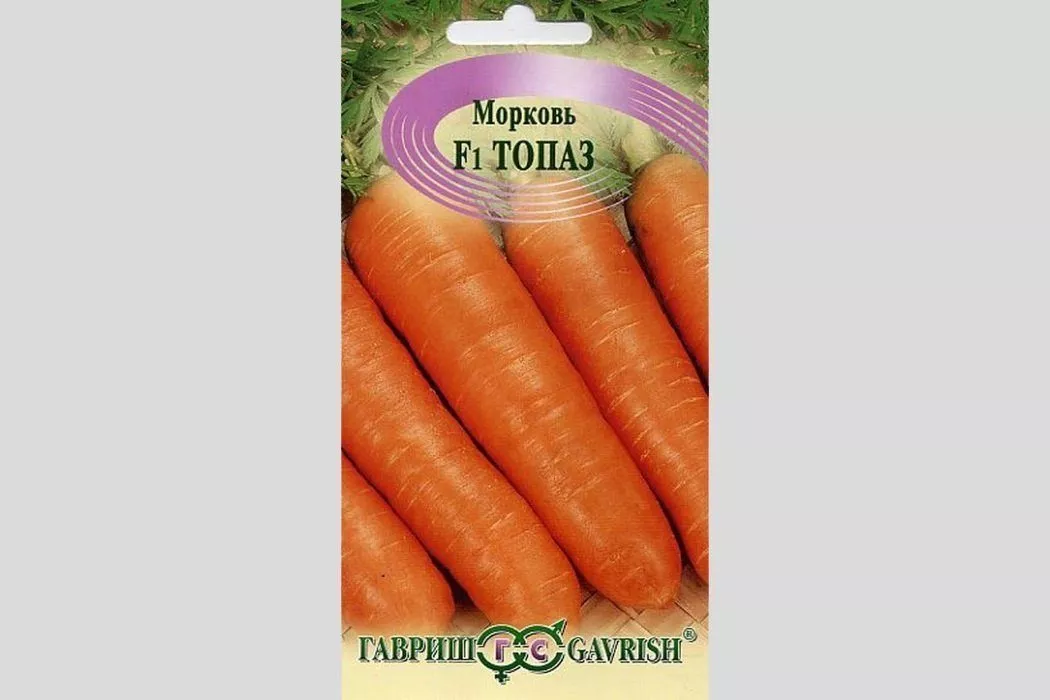
Carrot Topaz
Sweet carrot varieties
Sweet mid-season carrot varieties include those with sugar content exceeding 9.2%. Three varieties were developed by the renowned Dutch breeding firm Bejo: Curacao, Nigel, and Nairobi, and one variety, Corsair, is a domestic development.
Mid-season carrot varieties
The growing season of mid-season carrot varieties ranges from 100 to 120 days. They are planted outdoors in late May to early June. This group accounts for the largest number of developed varieties.
Standard
The standards are based on varieties from both foreign and domestic producers:
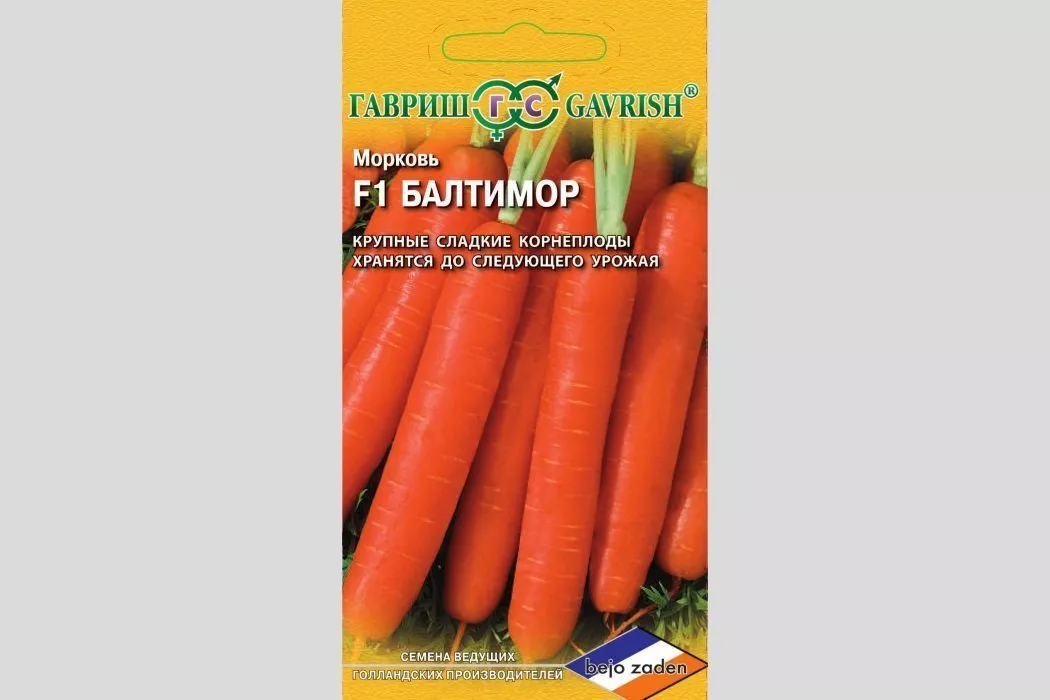
- Baltimore. This Dutch hybrid, with a conical shape and roots weighing 200-220 g and reaching up to 25 cm in length, produces a consistently high yield of up to 600 c/ha. It has a very uniform shape and a thin core. Due to its flavor, it is often used in dietary and baby food, as well as juices.
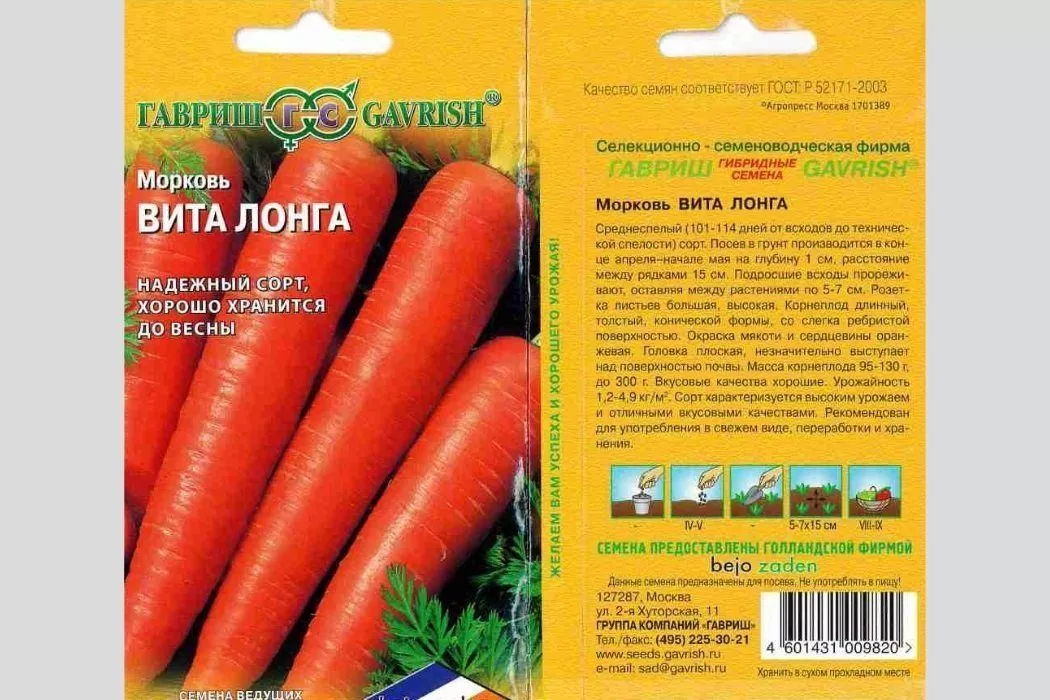
- Vita Longa. This carrot variety is distinguished by its virtually absent core, making it an excellent choice for juice production. This orange carrot is medium-sized, weighing up to 130 g, and yields up to 490 c/ha.
- Vitamin 6.One of the most well-known varieties due to its high carotene and sugar content. The root reaches 17 cm in length and weighs up to 170 g at maturity. It has excellent shelf life and is highly productive, producing a good harvest even in unfavorable climates.
- Volzhskaya 30. The orange, truncated-conical root vegetable weighs up to 220 g. Yields are high, at 250-540 c/ha. This variety is relatively resistant to black and bacterial rot, although it is susceptible to other diseases, such as powdery mildew, brown spot, and rhizoctonia.
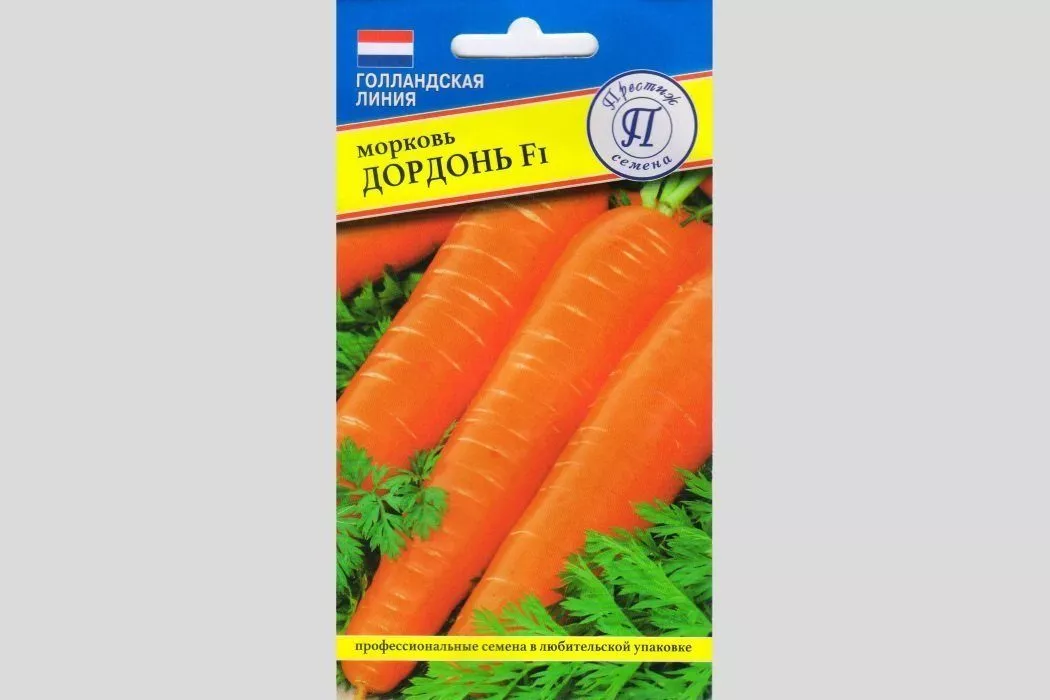
- Dordogne. The Nantes hybrid variety has uniform, even roots that vary by 2-3 cm. The maximum carrot weight is 130 g. This vegetable produces a consistently high yield of up to 530 c/ha. The variety's value lies in its resistance to bolting, cracking, and root coarsening.
- Callisto. The roots of this Russian hybrid are high in carotene and are a deep orange. Carrots weigh no more than 135 g and average 20-22 cm in length. With these characteristics, the variety has an average yield of 350 c/ha.
- Carson. This hybrid produces vigorous, medium-length roots weighing up to 140 g. The seeds are treated with a fungicide, so they do not need to be soaked before planting. The variety is resistant to bolting and is also suitable for winter and early cultivation. Marketable yields reach 560 c/ha.
- Losinoostrovskaya 13. This variety has received numerous positive reviews for its flavor, resistance to low temperatures, and good shelf life. This carrot is often used to make juices and purees. The 15 cm long roots weigh up to 170 g, with a high yield of 600-800 c/ha.
- Moscow winter. Bright orange, conical roots reach a weight of 170 g. This carrot is ideal for winter sowing, but also produces an excellent yield (up to 700 c/ha) when planted in April-May. This variety stores well and has a pleasantly fragrant, juicy flesh.
- Nantes 4. One of the oldest Russian varieties, it remains in demand today. Its even, cylindrical roots weigh between 90 and 160 g. Nantes carrots Produces yields of up to 660 centners per hectare. This variety produces a good harvest even in poor soils, stores well, and has a pleasant taste.
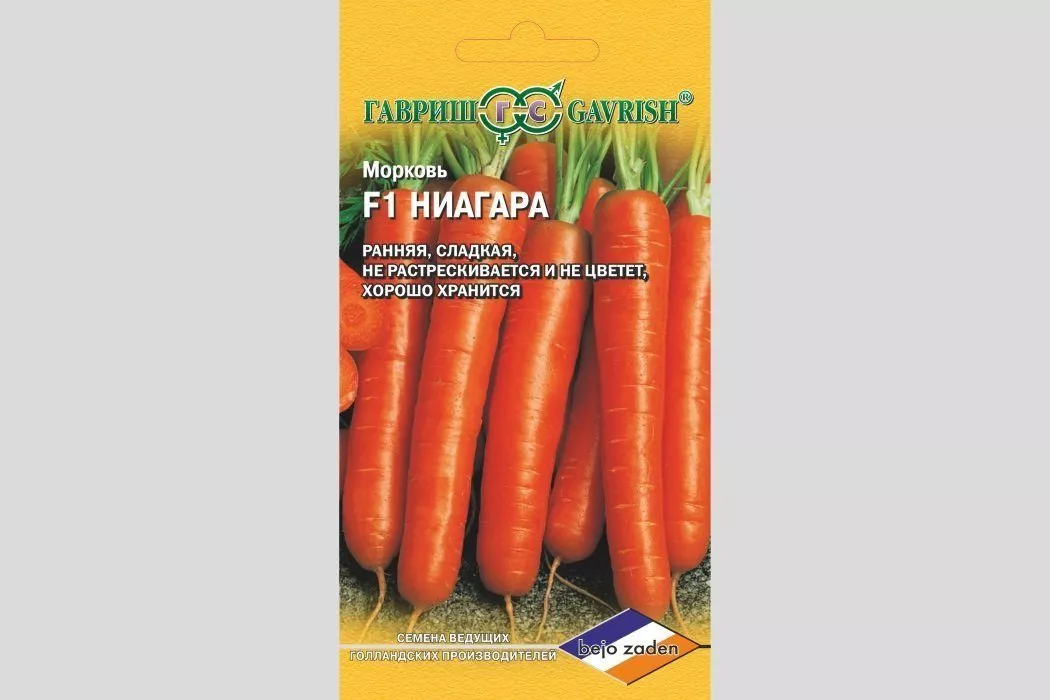
- Niagara. This Dutch hybrid is resistant to major carrot diseases and is not susceptible to leaf-budding or cracking. The roots are quite large, reaching 200 g in weight, with a yield of 420 c/ha.
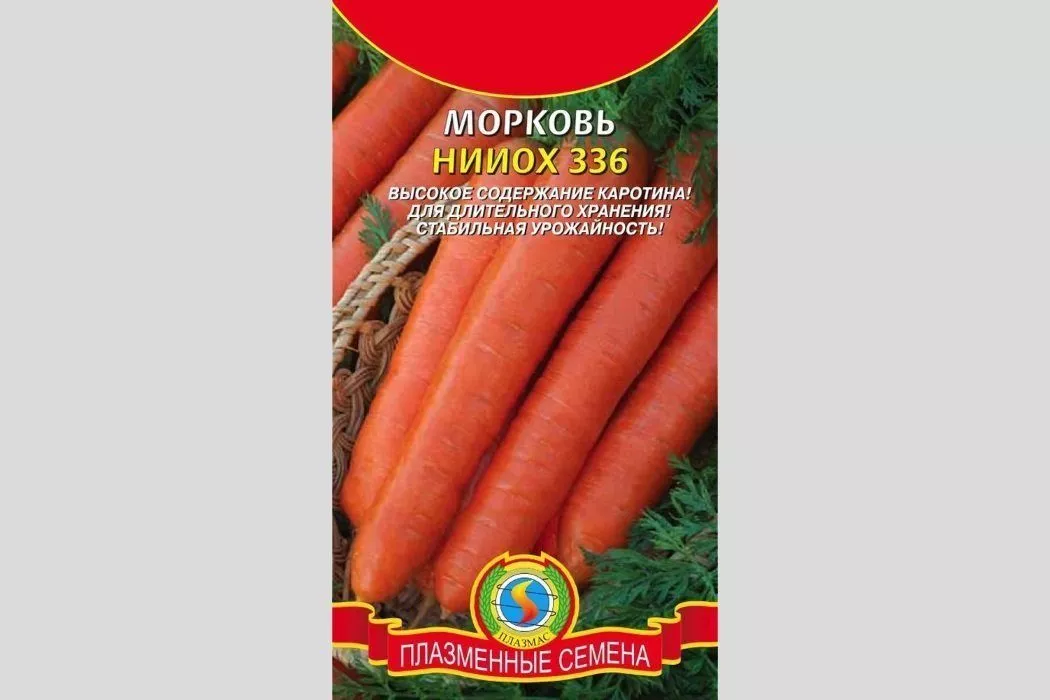
- Research Institute of Oncology and Microbiology 336. This variety is a hybrid crop and is disease-resistant. The average root length is approximately 20 cm and weighs 110 g. Under favorable conditions, it can yield 540 c/ha, characterized by excellent shelf life.
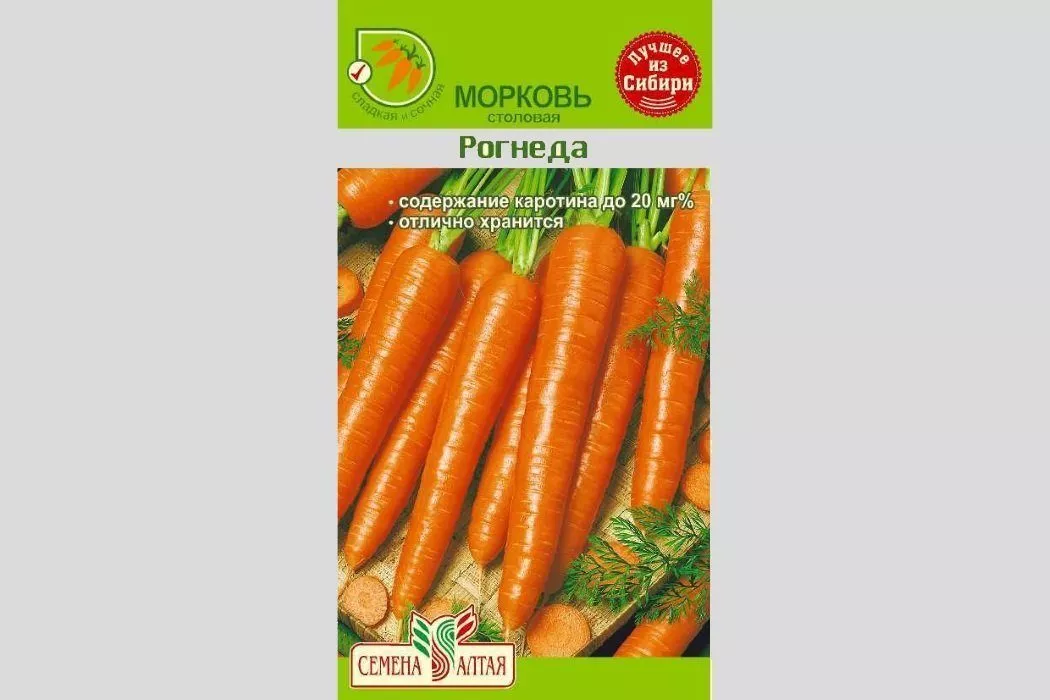
- Rogneda. The root of this variety is small (90-100 g), orange, and cylindrical. Its advantages include high yields of up to 650 c/ha and excellent shelf life. However, like many other varieties, this root vegetable is highly susceptible to brown spot, black rot, gray rot, and white rot.
- Shantenay. This French hybrid, with a small, conical root of 10-15 cm, has juicy, sweet flesh with virtually no stem. The carrots are very sweet, with a sugar content of up to 10%, are easy to grow, and transport and store well.








New varieties and hybrids
The following can be classified as new mid-season varieties and hybrids:
| Name of the variety | Root crop weight g | Maximum yield, c/ha | Sugar content % |
| Altair | 130-160 | 450 | 9.2 |
| Attilio | 90-150 | 740 | 7 |
| Indian summer | 100-200 | 440 | 7.7 |
| Bolero | 85-190 | 560 | 8 |
| Children's | 100-200 | 620 | 8.2 |
| Children's joy | 100-160 | 480 | 8 |
| Dunyasha | 70-130 | 430 | 7.4 |
| Zafiro | 95-180 | 760 | 6.9 |
| Vigilance | 80-130 | 530 | 6.7 |
| Canberra | 115-205 | 580 | 8.8 |
| Karamba | 100-220 | 630 | 7.1 |
| Concerto | 80-170 | 515 | 6 |
| The Red Maiden | 90-130 | 420 | 8.6 |
| Red Giant | 110-160 | 355 | 8.8 |
| Leander | 80-130 | 530 | 7.7 |
| Longe Rote | 95-185 | 460 | 6.5 |
| Minor | 80-180 | 550 | 8.8 |
| Morevna | 90-150 | 650 | 7.9 |
| Morelia | 110-190 | 730 | 7.8 |
| Hope | 90-140 | 390 | 8.3 |
| Nantes | 110-200 | 290 | 8.5 |
| Nantes Semko | 90-150 | 600 | 5.8 |
| Natalia | 60-110 | 400 | 6.8 |
| Nebula | 90-220 | 340 | 9.3 |
| Sissy | 80-150 | 500 | 8.8 |
| Octavo | 100-190 | 430 | 7.2 |
| Olympian | 100-120 | 640 | 8.7 |
| Sadko | 100-190 | 560 | 9.9 |
| Saturn 200 | 120-180 | 600 | 8.4 |
| Sugar Queen | 80-220 | 460 | 9.4 |
| Slav | 90-180 | 430 | 7.9 |
| Tushon | 100-170 | 420 | 8.2 |
| Shakira | 100-210 | 530 | 5.6 |
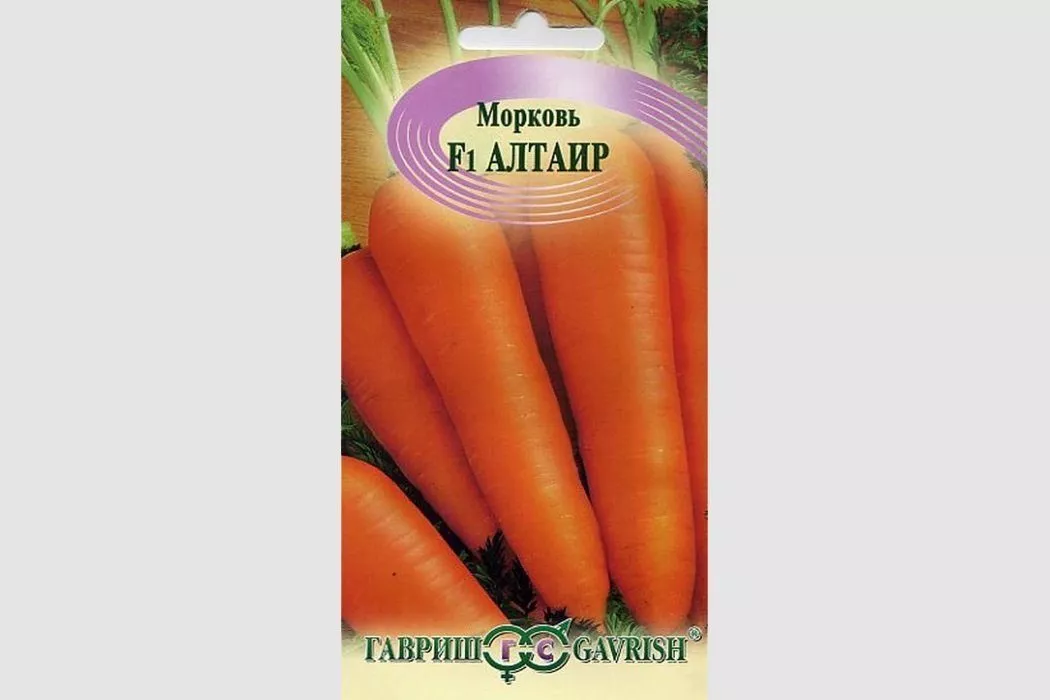
Altair carrot

Attilio carrots

Indian Summer Carrot
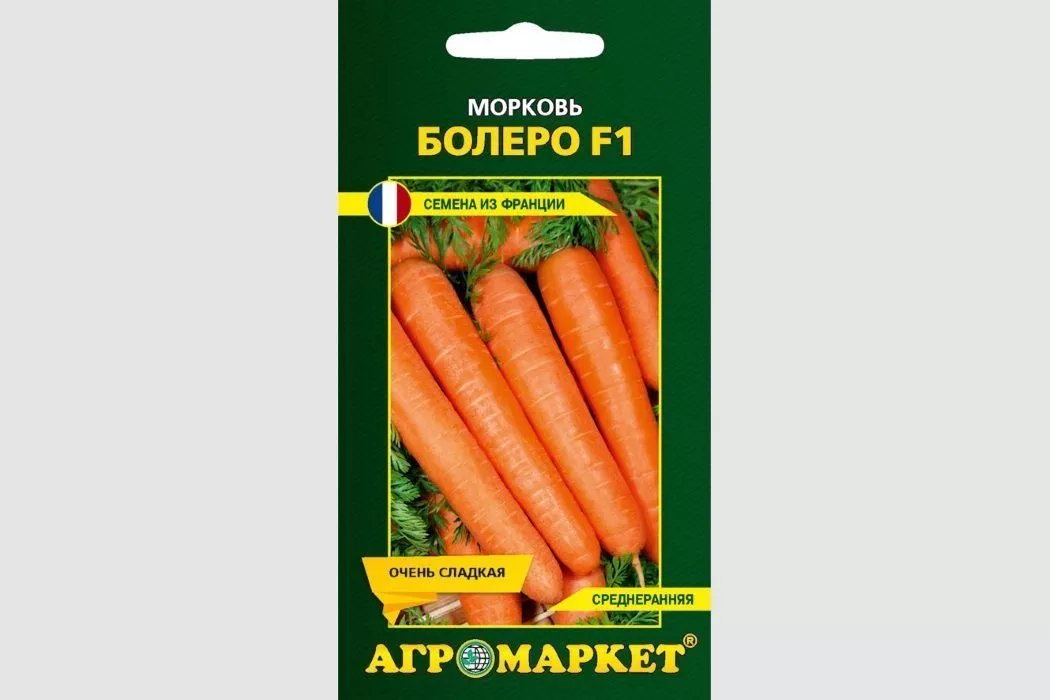
Bolero Carrot

Baby Carrots

Children's joy

Carrot Dunyasha

Zafiro carrots

Carrot Zorkost

Canberra carrots

Caramba carrot

Carrot Concerto

The Red Maiden

Red Giant
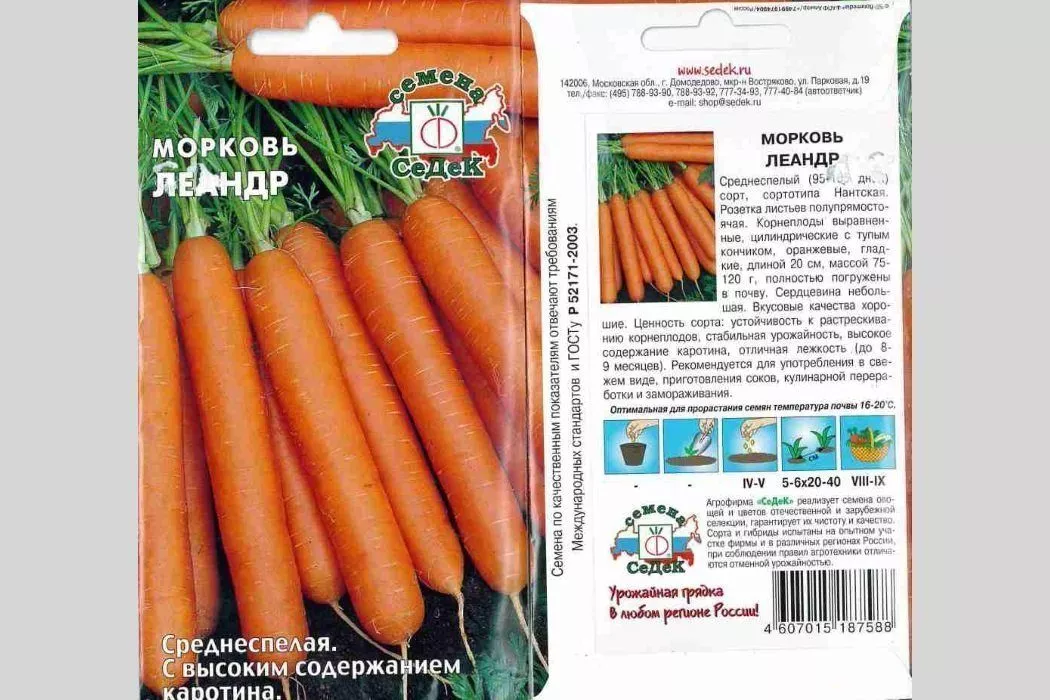
Carrot Leander

Longe Rote

Carrot Minor

Carrot Morevna
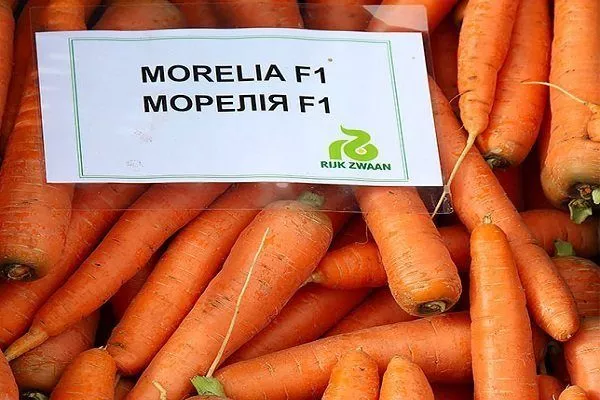
Morelia carrot

Carrot Hope
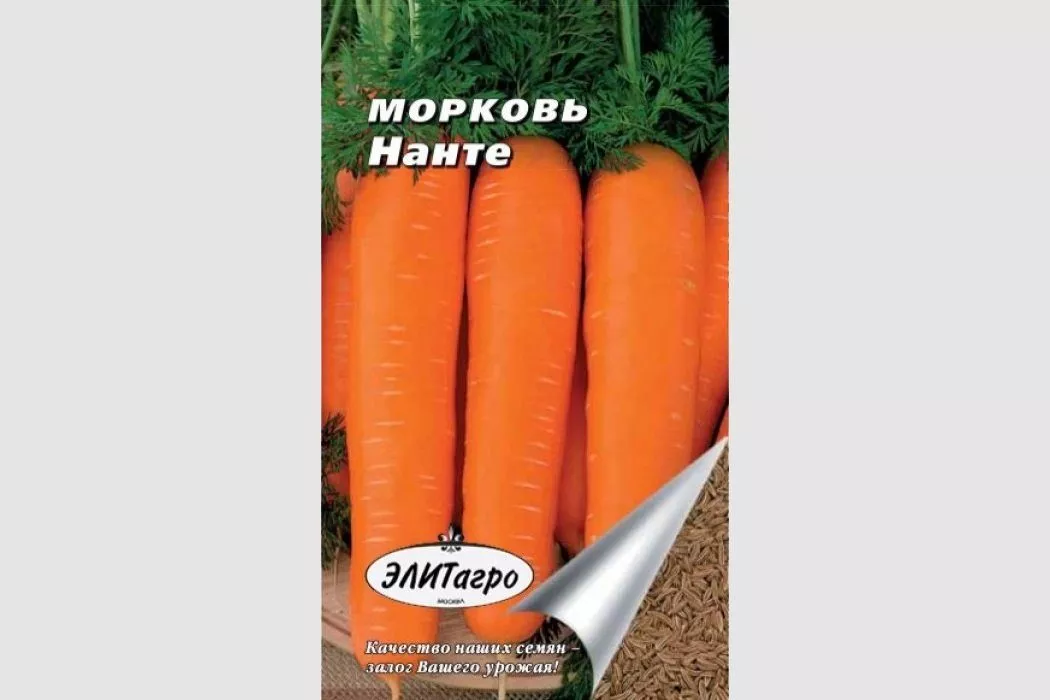
Nantes carrots

Nantes Semko

Carrot Natalia

Nebula carrot
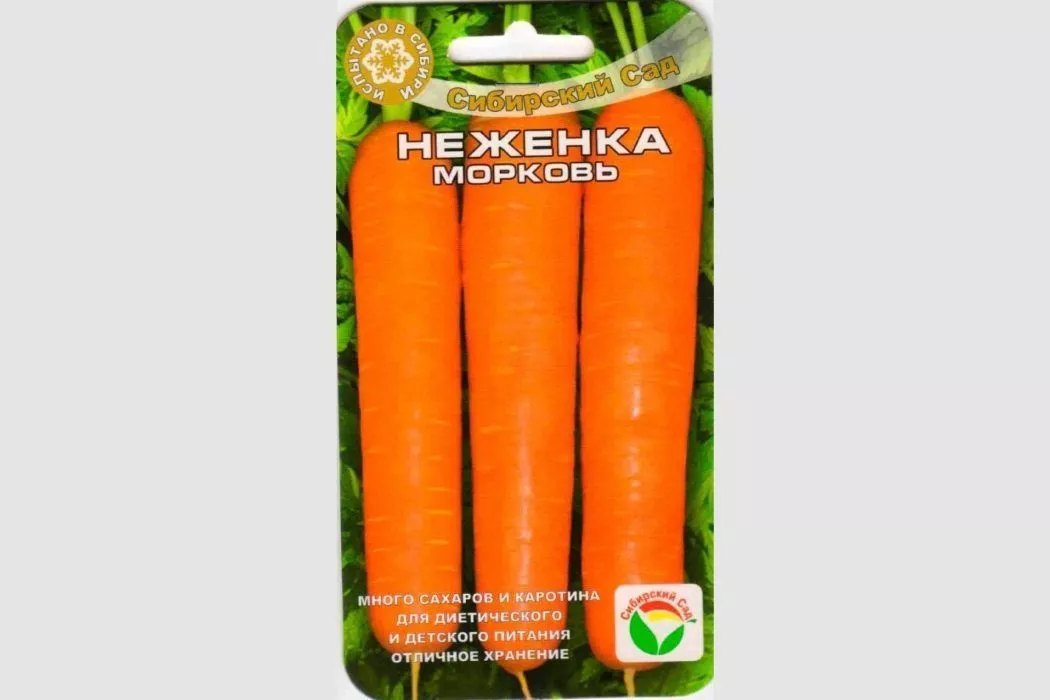
Carrot Nezhenka
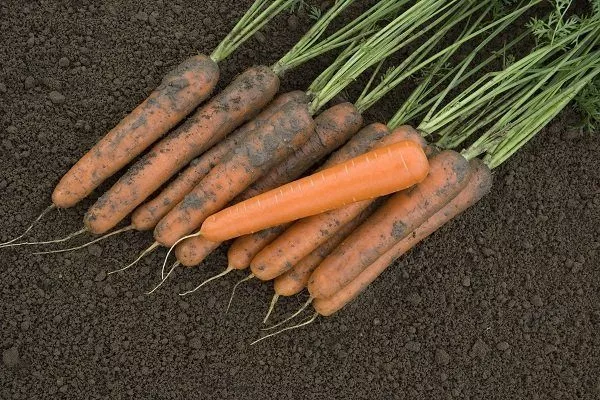
Carrot Octavo

Olympian carrot
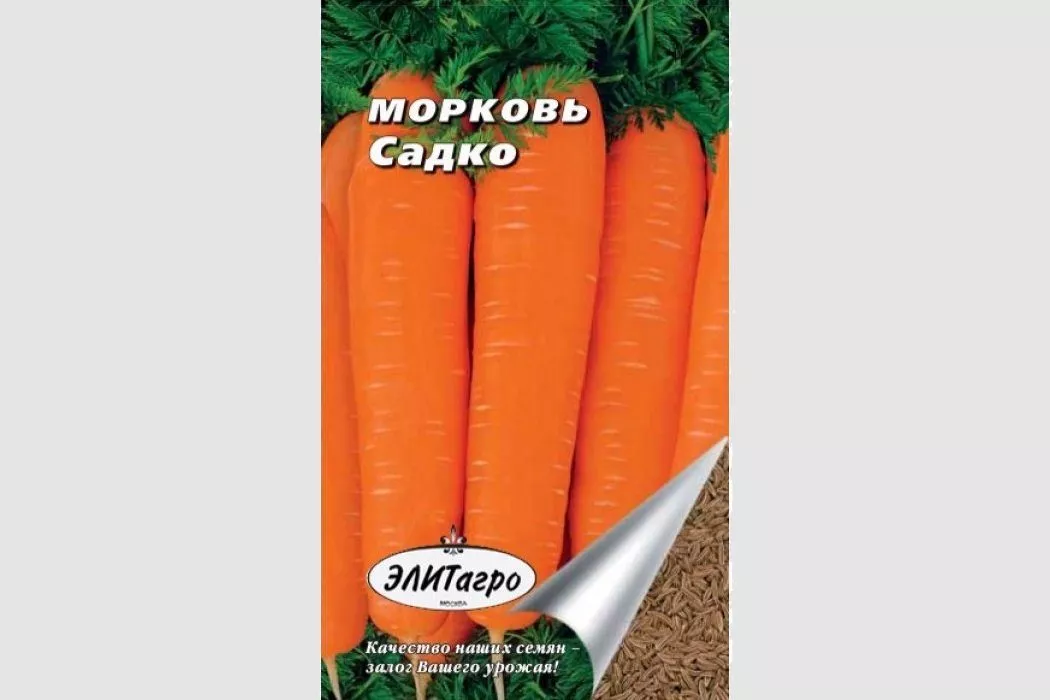
Sadko carrot

Carrot Saturn 200
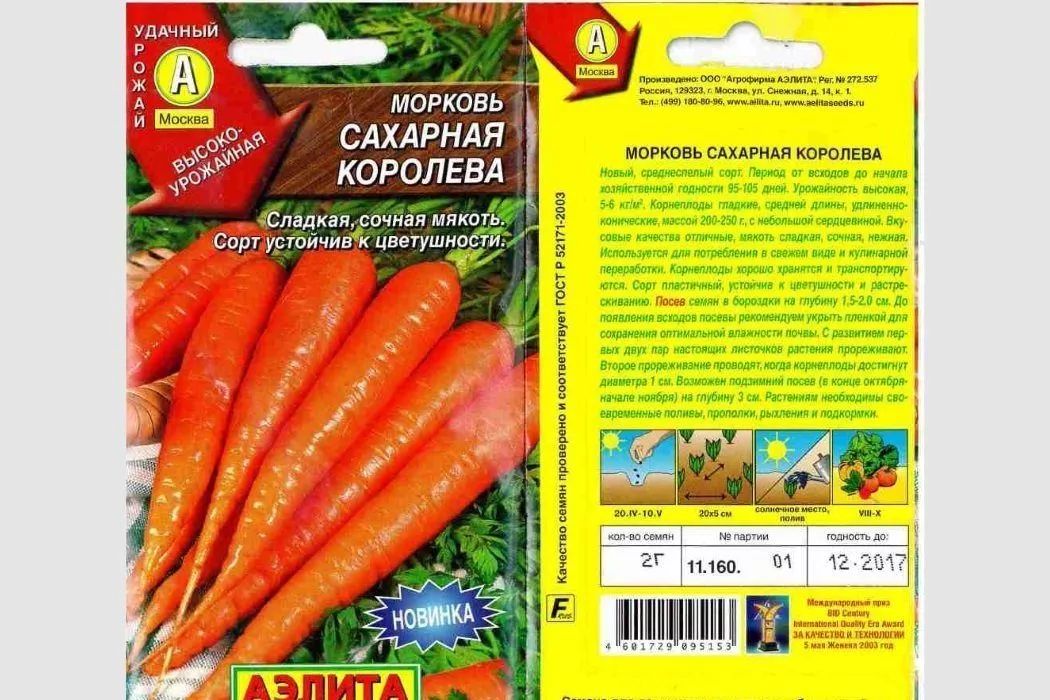
Sugar Queen

Slavyanka carrot

Carrot Tushon

Shakira carrot
Sweet carrot varieties
The sugar content of mid-early carrot varieties is record-breaking, hovering around 9.5-11%. These carrots are most often used in the production of juices, dietary foods, and baby food:
- Baby;
- Village;
- Diamento;
- Golden pilaf;
- Caracas;
- Major;
- Romance.
Mid-late carrot varieties
Mid-season carrots are most often grown for winter storage. They are characterized by good transportability and shelf life. The growing season of these varieties averages 120-130 days.
Standard
Carrot standards are selected in the State Register not only from old, proven varieties, but also from relatively new varieties and hybrids developed at the beginning of the century:
- Canada. A Dutch hybrid with increased yield of up to 630 c/ha, excellent taste, high sugar and beta-carotene content. Canada variety It is not afraid of heavy soil and has a large root crop (120-180 g) up to 20 cm long.
- Cordoba. This variety is characterized by fast growth and low maintenance, while producing a high marketable yield of up to 740 centners per hectare. Its high sugar content gives it excellent flavor.
- Autumn King. Large carrots, up to 25 cm long and weighing up to 250 g, are resistant to various diseases and transport and store well. They have an average yield of 370 c/ha and boast excellent flavor due to their high sugar, vitamin, and carotene content.
- Riga RZ. One of the sweetest carrot varieties, with a sugar content of 13.9%. Although the root is small (80-120 g), it produces a high yield of 500 c/ha.


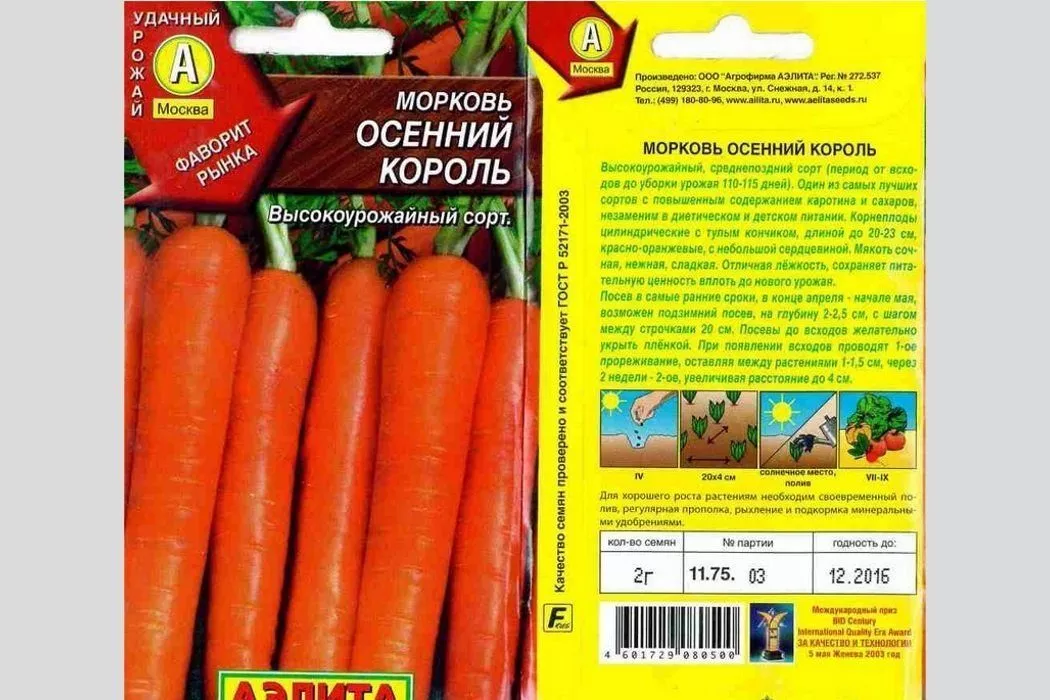

New varieties and hybrids
| Name of the variety | Root crop weight g | Maximum yield, c/ha | Sugar content % |
| Anastasia | 90-160 | 530 | 7.5 |
| Athlete | 80-160 | 380 | 9.3 |
| Basel | 90-190 | 700 | 9 |
| Berlin | 120-200 | 670 | 6.5 |
| Bermuda | 100-195 | 560 | 8.7 |
| Warmia | 110-180 | 570 | 8.7 |
| Star | 95-160 | 450 | 8.8 |
| Camarillo | 120-170 | 550 | 7.5 |
| Canterbury | 95-250 | 420 | 9.3 |
| Cardiff | 100-190 | 320 | 8.8 |
| Crofton | 100-150 | 570 | 9 |
| Cupar | 140-170 | 470 | 9 |
| Honey | 120-210 | 420 | 6.8 |
| Nectar | 85-190 | 670 | 7.7 |
| Presto | 100-200 | 515 | 5.9 |
| Rosal | 160-240 | 770 | 7.5 |
| Torch | 105-140 | 400 | 7.5 |
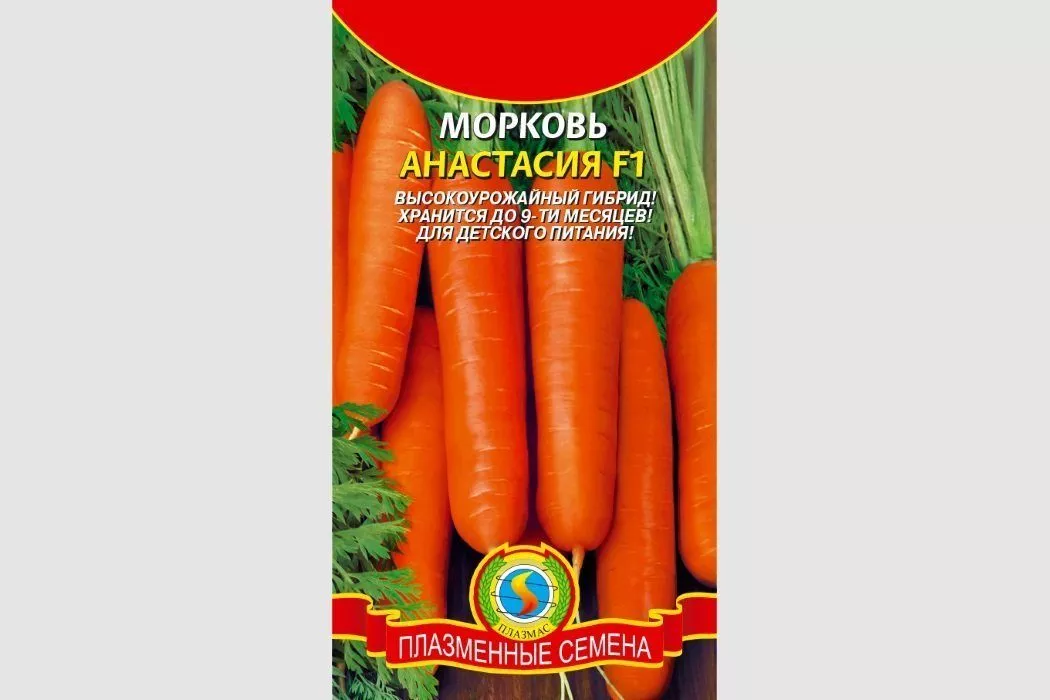
Carrot Anastasia

Carrot Athlete

Basel carrots
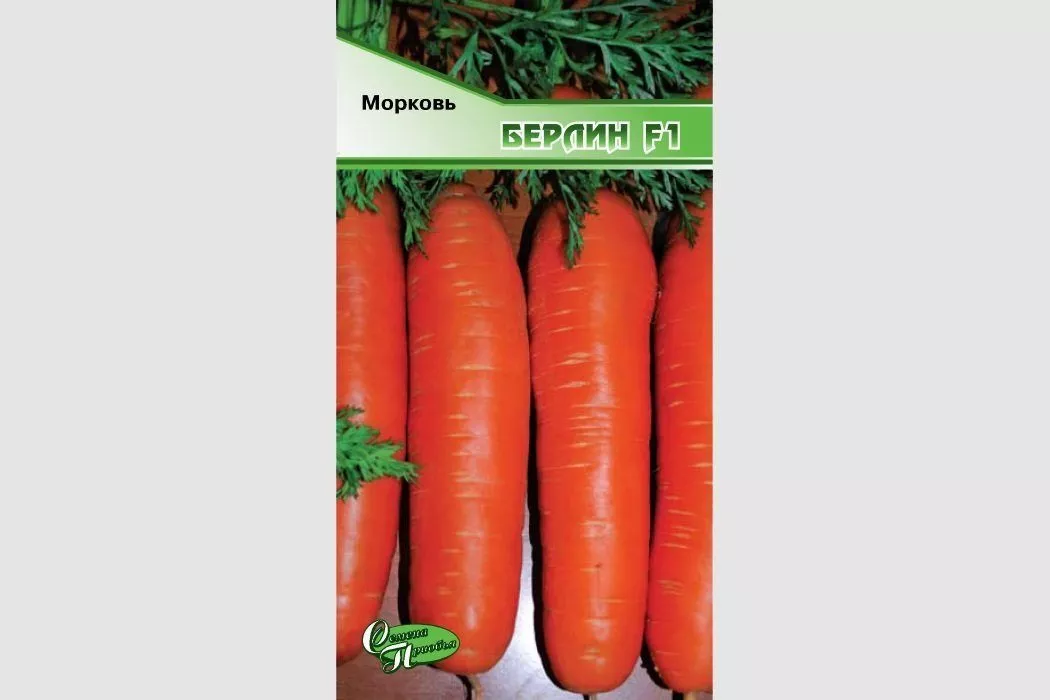
Berlin carrots

Bermuda carrots

Carrot Varmia
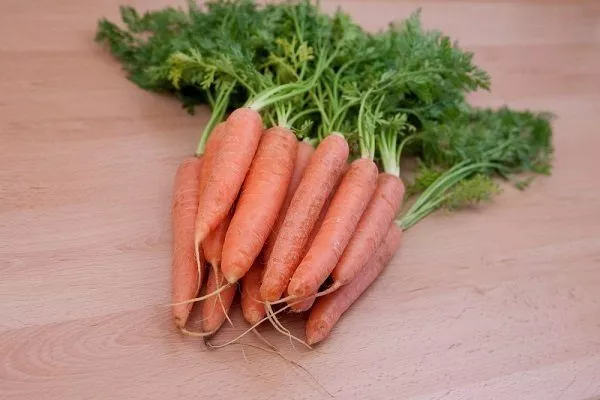
Carrot Star
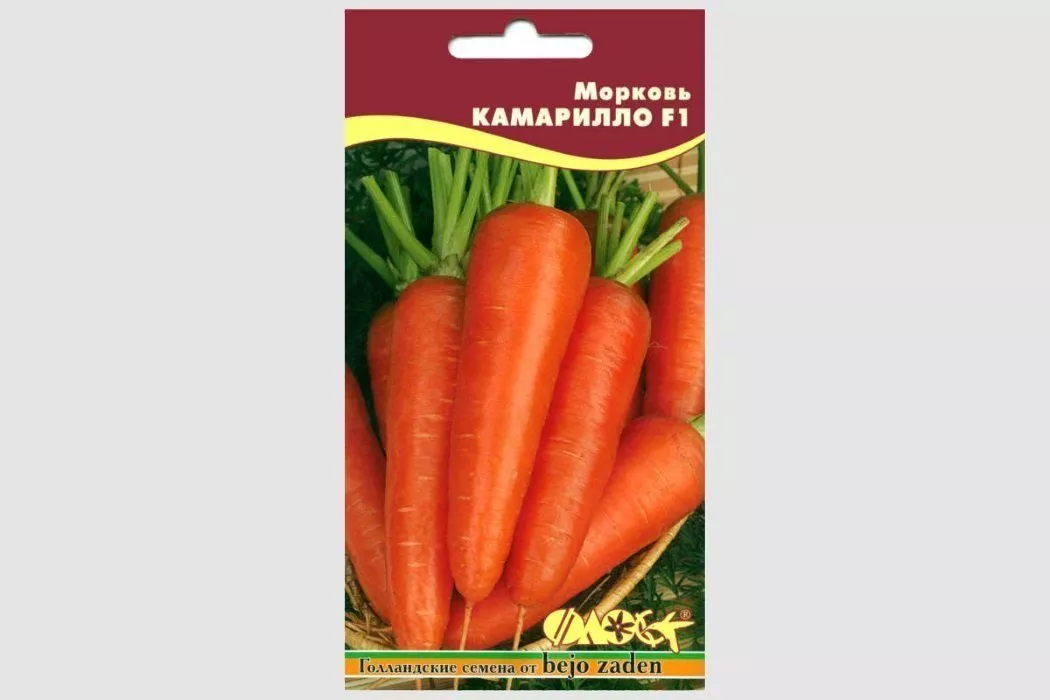
Camarillo carrots

Canterbury carrots

Cardiff Carrots

Crofton carrots
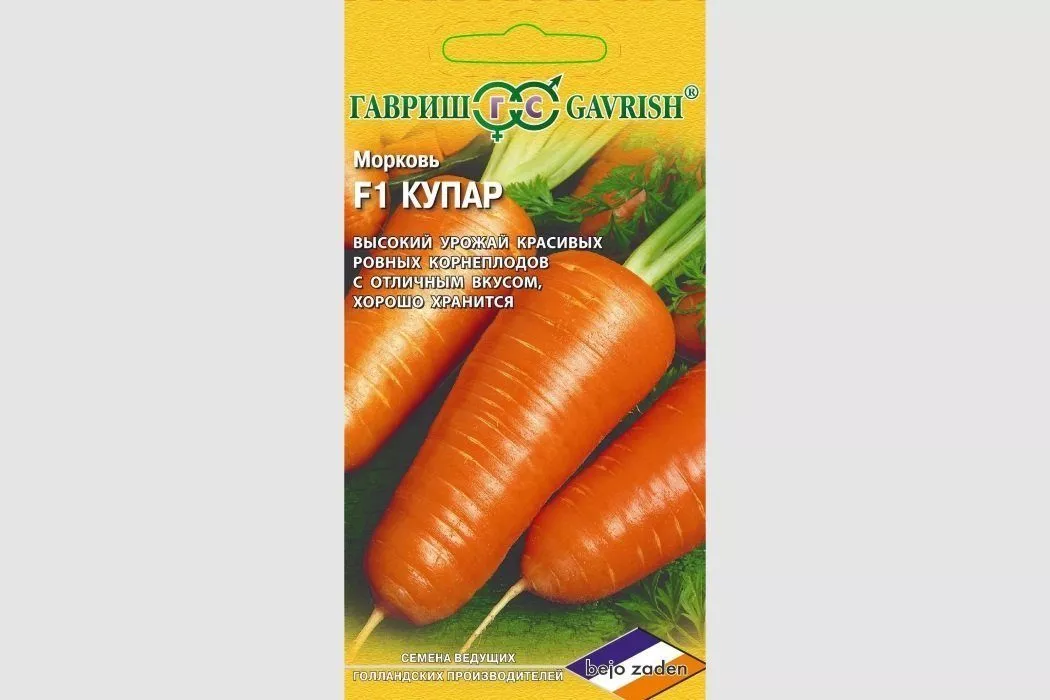
Carrot Cupar
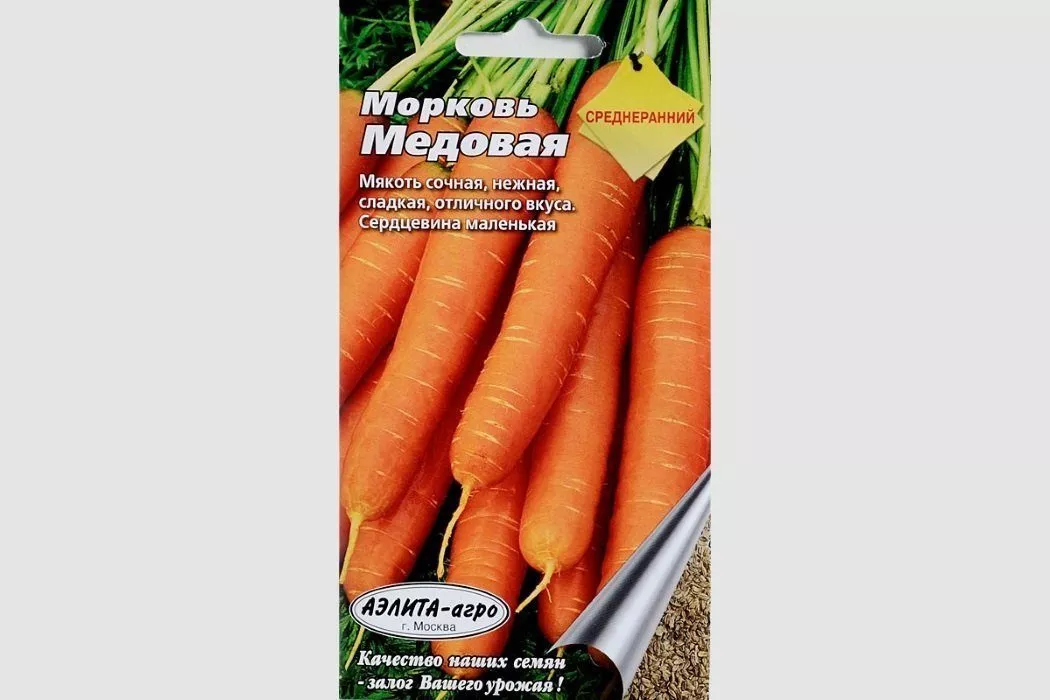
Honey Carrot
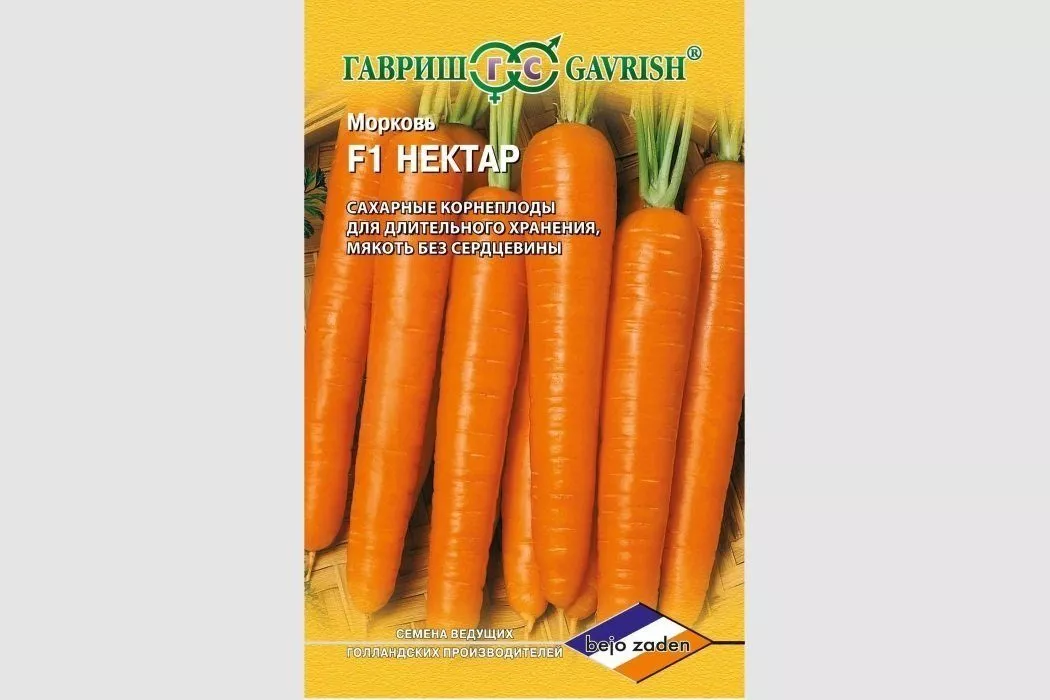
Carrot Nectar
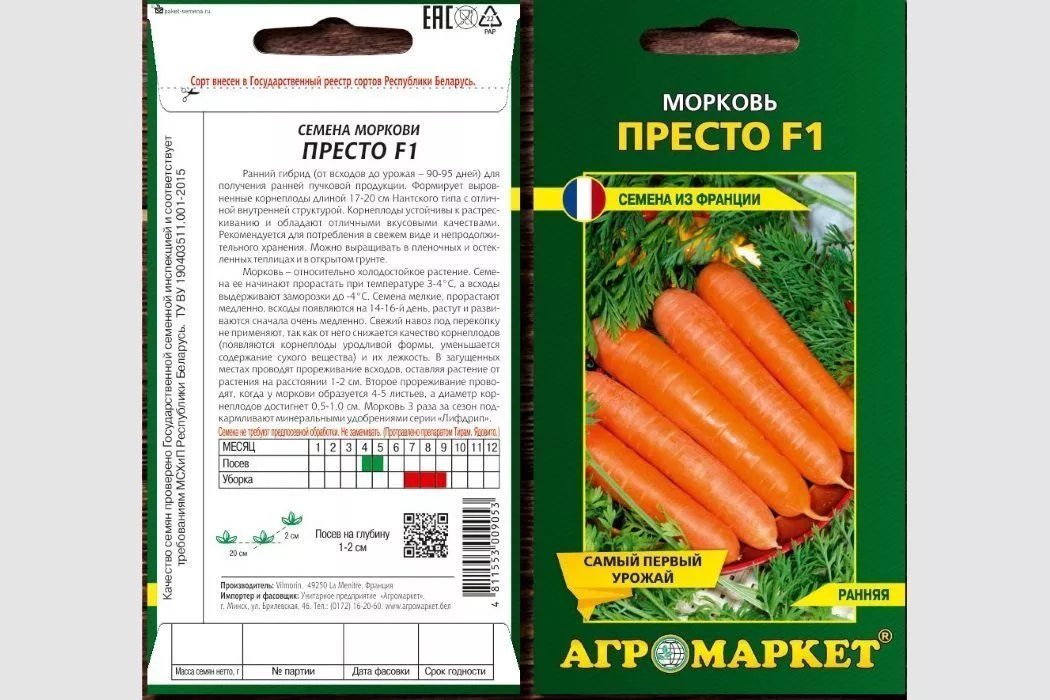
Presto Carrots

Carrot Rosal
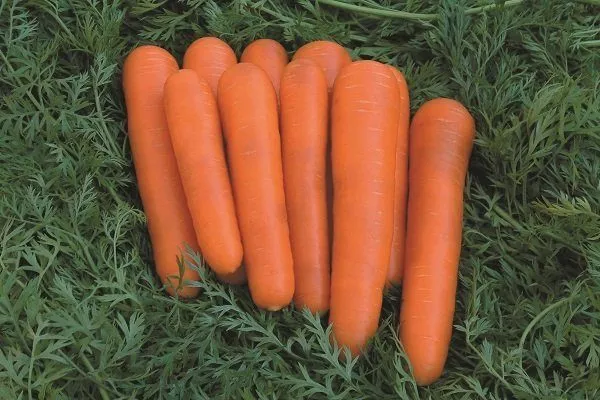
Torch
Sweet varieties
Sweet mid-season carrot varieties retain their flavor when stored until at least mid-winter, and some even longer. The sugar content of these varieties is around 10-11%. These varieties come from both foreign and domestic producers such as Belgrado, Brilliance, Neliks, and Cetora.
Late varieties of carrots
Late-ripening carrot varieties are primarily intended for winter storage. Although these varieties lack a distinctive flavor, they store well and do not wilt.
Standard
Standard late varieties are:
- Dobrynya. This late-ripening carrot variety produces orange roots with a high sugar content and weighing up to 150 g. Yields are high, reaching 540 c/ha. A record yield of 985 c/ha was achieved in the Moscow region.
- Dolyanka. This medium-sized carrot (90-150 g) produces a fairly high yield of up to 370 c/ha. This variety boasts high seed germination and is easy to care for. It is moderately resistant to fusarium wilt and carrot fly.
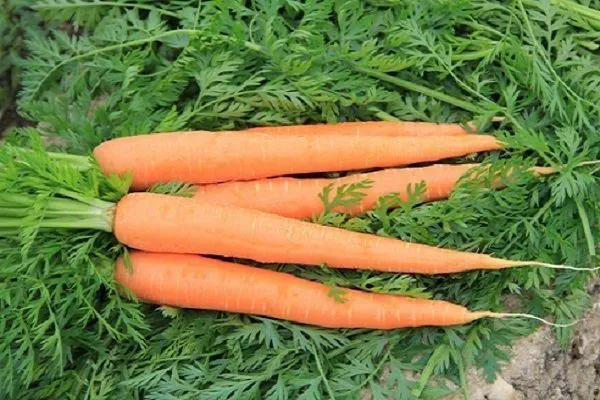
- Coral. The root vegetable of this variety has juicy, dense flesh, reaching 22 cm in size and weighing 60-110 g. The carrot is resistant to flowering and cracking, as well as to the main types of diseases.


New varieties and hybrids
Compared to mid-late varieties, there are not many late hybrids to grow, but there is always a choice:
| Name of the variety | Root crop weight g | Maximum yield, c/ha | Sugar content % |
| Albedo | 90-190 | 510 | 7.6 |
| Golden autumn | 85-130 | 590 | 8.2 |
| Carbeta | 90-220 | 550 | 6.8 |
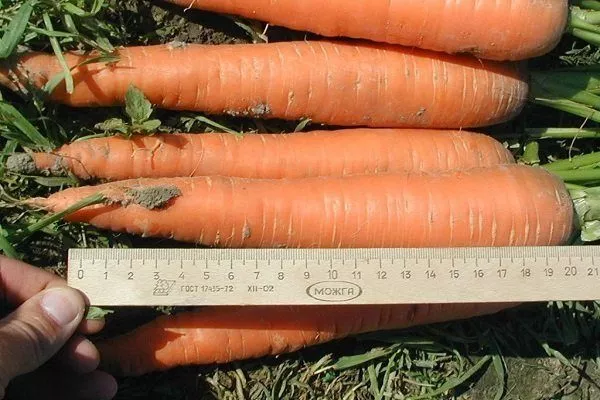
| Karotan RZ | 120-220 | 405 | 7.2 |
| Monastery | 90-150 | 580 | 7.6 |
| Olympus | 70-130 | 580 | 6.4 |
| Rote Riesen | 80-130 | 370 | 7.9 |

Albedo

Golden autumn

Carbeta
Karotan RZ

Monastery

Olympus carrot

Rote Riesen
Sweet carrots
The sugar content in these carrot varieties is lower than in others, hovering just over 9%, but this doesn't make them any less sweet. Previously, carrot sweetness was influenced by climate conditions, but new varieties have now been developed that produce excellent yields even under unfavorable conditions.
Sweet late carrot varieties suitable for growing in the Moscow region include: Berlicum Royal, Emperor, and Cascade.
Multicolored varieties of carrots
I'd especially like to highlight the colorful carrot varieties. By planting several carrot varieties in your garden, each with a different coloring, you'll delight not only children but also adults. This variety looks especially impressive in fresh salads.
The color of carrots is determined by the carotene, anthocyanin, lutein, betaine, and lycopene they contain. Each variety also contains many other beneficial substances that influence the functioning of internal organs.
White carrots, unlike other varieties, do not contain pigments and therefore practically do not cause allergies.
The following colored carrot varieties can be grown in the Moscow region:
- Orange with a red center. You'd think that a cross-section of an ordinary carrot would surprise you with its red color. These are the Mikulovskaya and Maestro varieties.
- Red. Such carrots can be completely red, like the Delikatesnaya and Nerak varieties, or have an orange center, like the Nantesse variety.
- Pink-red. The Caramel red variety has such an unusual color.
- White. It looks like parsley or parsnip root. The Argo variety can be grown in the Moscow region.
- Yellow. The bright, cheerful Yellow Caramel carrot variety will delight you with a high yield.
- Purple. It can be completely purple, like the Purple Caramel variety, or contain an orange filling, like the Violetta variety.
Some purple carrot varieties are used to extract a pigment used in the food industry. It's important to note that these varieties release their pigment rapidly and are therefore not suitable for cooking.
Reviews from summer residents
Growing carrots in the Moscow region, as in the rest of Russia's central region, is not particularly difficult. It's important to choose the right variety for the area, select the desired characteristics based on your intended use, and, if possible, adhere to the growing conditions. This way, you'll get a bountiful harvest.