
The Losinoostrovskaya 13 variety is a true favorite among gardeners in Russia and abroad. This carrot has an incredibly sweet flavor, thanks to its high sugar content. It tolerates low temperatures and stores well in cold storage. Furthermore, its rich beta-carotene content makes it an indispensable source of vitamins.
Introduction to the variety
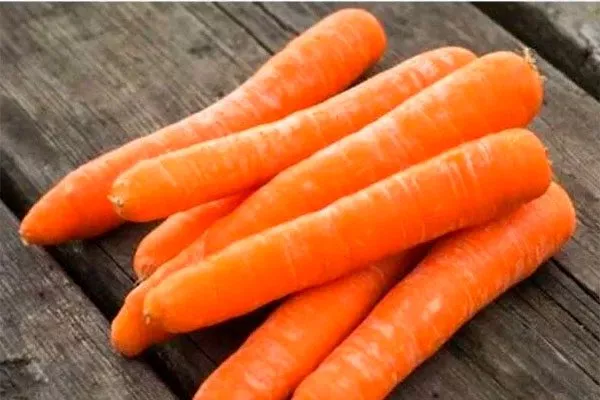
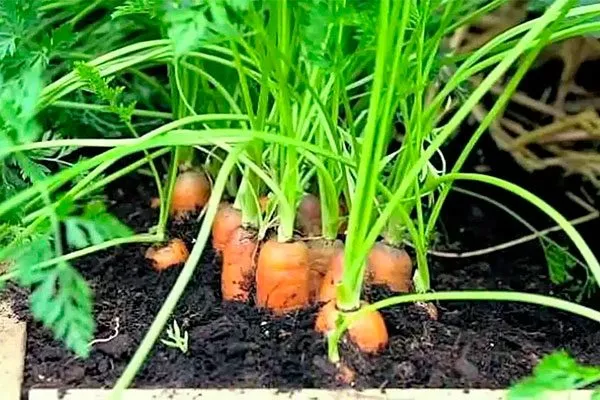
The origin of the name is linked to a settlement of the same name in the Moscow region, which formerly housed a plant breeding station. The number 13 in the name reflects the number of leaves that typically form in a rosette. Throughout its growth period, the root remains in the ground, not exposed at the base, resulting in the absence of greenish hues on its upper part.
Origin
The Losinoostrovskaya 13 variety is the pride of Russian breeding. This variety was developed as part of research at the Federal Scientific Center for Vegetable Growing in the 1950s.
Scientists and breeders N. Zhidkova, B. Kvasnikov and T. Belik used crossing and selection of the most outstanding representatives of such carrot varieties as Nantes, Tushon and Amsterdam to obtain this variety.
An application for its registration was submitted in 1960. After rigorous variety testing lasting four years, the Losinoostrovskaya 13 variety was officially registered in the State Register of the Russian Federation in 1964.
External characteristics of the plant and root crop, taste characteristics
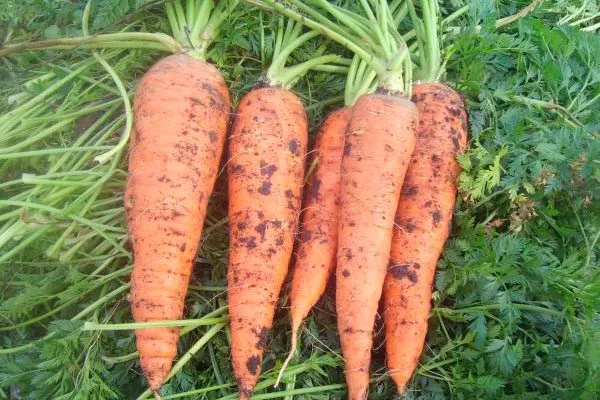
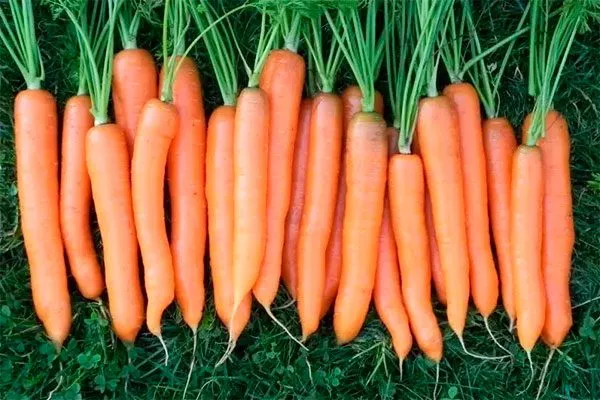
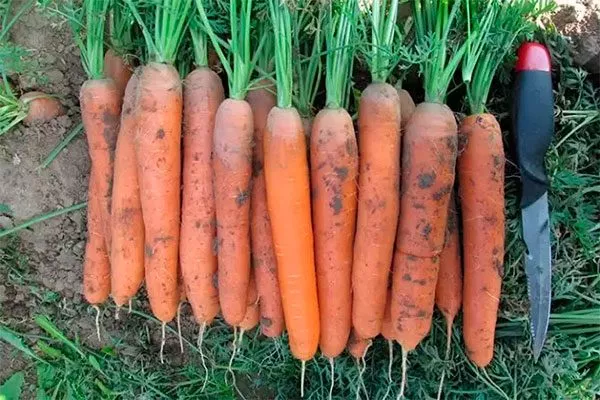
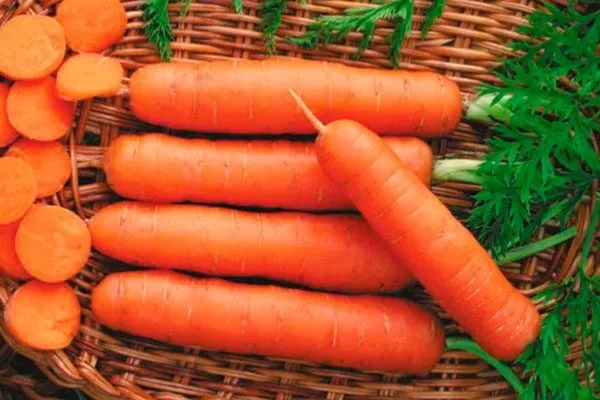
The Losinoostrovskaya 13 variety stands out for its characteristic root shape – they have a uniform cylindrical profile, with a diameter of 3.2-4.2 cm, which remains constant throughout the entire length.
There are also other varietal characteristics:
- The top of the carrot can be either slightly drooping or slightly thickened.
- The height of the root crop ranges from 15 to 18 cm, and the average weight is 140-175 g.
- Carrots contain orange coloring both outside and inside.
- The tops grow upright, but can sometimes spread out to the sides.
- The leaves reach a height of 35-45 cm.
- The rosette of leaves has 13 pieces (according to one hypothesis, this fact became the basis for the name), although sometimes their number can be 11.
- The leaf blade is characterized by deep and complex dissection, and the leaf petiole is almost identical in size.
- The leaves are colored in a rich green tone.
- The carrot flesh is tender and juicy, and has an excellent sweet aroma.

Benefits and composition
Regular consumption of this carrot variety has a beneficial effect on overall metabolism, strengthens the immune system, and promotes visual health. Carrot juice is recommended for anemia, vitamin A deficiency, biliary tract diseases, and polyarthritis associated with metabolic disorders.
The beneficial effects are due to its rich composition of not only vitamins but also minerals. 100 g of the product contains approximately 8.5-9.5 g of sugar and 27-29 mg of beta-carotene.
Features of application
The Losinoostrovskaya 13 variety is rich in carotene and contains a high concentration of sugars. It is also characterized by its increased juiciness compared to other varieties. These qualities make it an ideal ingredient for baby food.
The juice from this carrot is especially valuable. Many restaurants offer a unique carrot soup puree on their menus, boasting a stunning aroma and rich vitamin content.
It can be eaten fresh or cooked. This carrot variety is excellent for freezing and canning.
When ripe, the yield
Losinoostrovskaya #13 reaches maturity in 75 days in the south to 110 days in cooler conditions after sowing. This variety is characterized by high yield: 6 to 8 kg of carrots can be obtained per square meter. This figure reaches 380 centners per hectare, and under particularly favorable conditions, it can increase to 750 centners or slightly more.
Resistance to disease
The variety is resistant to many common carrot diseases, but it is susceptible to some.
Planting regions and climate requirements
The State Register recommends the following regions of Russia for growing the Losinoostrovskaya 13 variety: the Volga-Vyatka District, the Far Eastern Territory, the West Siberian Region, the Northwest, the North Caucasus, the Middle Volga, the Central Black Earth, and the Central.
The variety's yield may vary depending on the specific region; in the Central Black Earth and North Caucasus regions, it is usually higher due to more suitable climatic conditions for the variety, including temperature and light.
What are the positive and negative qualities?
This variety has a number of characteristics that make it particularly valuable. These include:
There are no critical flaws
Key differences
The unique feature of Losinoostrovskaya carrot No. 13 lies not only in its high carotene content but also in the absence of a green zone at the base of the plant, which typically forms where the carrot attaches to the tops. This occurs because the fruit is completely submerged in soil throughout its entire growth period.
How to plant and grow correctly?
Success depends on the quality of the soil and local climate and weather conditions. At soil temperatures of 9 to 10°C, sprouts will appear 22-35 days after sowing, while at 23 to 25°C, the wait is reduced to 7-12 days. Full root growth begins at temperatures of 15 to 20°C, and ideal conditions for leaf development are 20 to 25°C.
Key aspects of pre-planting work:
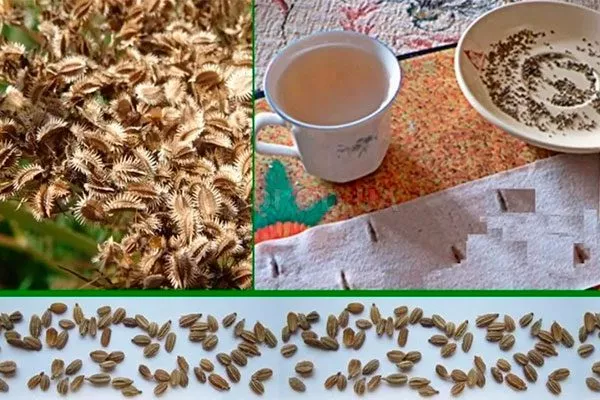
- Before planting, remove oily esters from the seeds. To do this, place them in a thin cloth bag and immerse them in water at a temperature of 44 to 48°C. Repeat this procedure two or three times, then leave them until the water has cooled completely. Next, rinse the seeds under running water and lay them out on a napkin to dry.

- To stimulate growth, seeds are placed between two layers of linen cloth soaked in a growth accelerator solution, such as Epin or Heteroauxin, and left for 24 hours. They are then rinsed with water and kept in a cool, dark place for 6-8 hours, which will allow the seedlings to harden slightly.
- After this time, place the seeds again on the damp linen cloth, place them in a shallow container, cover with plastic wrap, and place in a warm place. Keep the cloth moistened regularly, and remove the cover periodically to ensure adequate oxygenation.
- In anticipation of spring, clear the area of plant debris, dig up the soil and fertilize with rotted manure or humus (10-12 kg per 1 sq. m).
- In the spring, dig up the soil again, level it, moisten it with warm water at a temperature of +50 to +55°C and cover it with garden film to create a greenhouse effect and prevent drying out.
- ✓ The soil pH level should be strictly within 6.0-7.0 for optimal nutrient absorption.
- ✓ The soil must have high moisture permeability and aeration to prevent root crops from rotting.
For successful growth, the plant requires light, nutritious soil that is permeable and aerated, as well as neutral (pH 6.0-7.0). Ideal soils include loamy-ash, sandy-clay, and mixed substrates.
Key planting nuances:
- To improve poor soil, use 10 kg of river sand, and for acidic soils, use chalk, lime or dolomite flour.
- Carrots grow ideally in areas where potatoes, tomatoes, lettuce, espargo, onions and garlic were previously grown.
- It is recommended to sow carrot seeds before the winter cold (October) or in spring (from March 20 to April 10), provided that the soil temperature reaches at least +5°C.
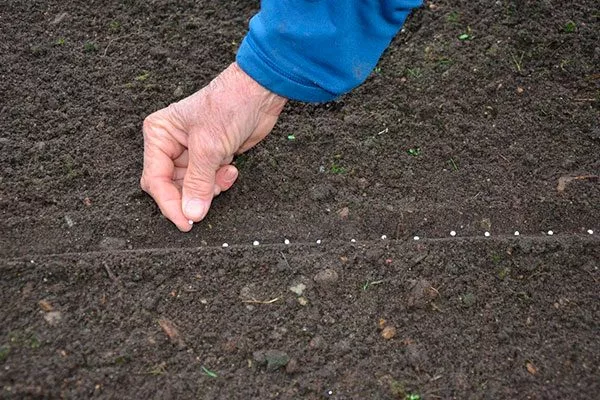
The planting process is as follows:
- Make grooves to a depth of 1-1.5 cm (for loams) or 2-2.5 cm (for sandy loams) at intervals of 30-35 cm.
- Distribute the seeds in furrows with a gap of 4.5-5.5 cm between them.
- Sprinkle with nutrient substrate.
- Moisten with a spray can.
Care instructions
Maintaining Losinoostrovskaya 13 doesn't require much effort, but there are some specific points to consider:
- Irrigation technique. Plants should be sprayed every three days, using 3-3.5 liters of water per square meter. If there is no rain, water the plants every other day, increasing the dosage to 5-6 liters. Watering should be stopped approximately 15-20 days before harvest.
- Cleaning and weed control. It's necessary to thin densely growing seedlings to ensure the roots gain the required weight and don't become tangled or deformed. Here's how:
- The first procedure is carried out immediately after the seedlings emerge. The soil is lightly moistened and weak shoots are removed by carefully pulling them upward. This leaves only the strong shoots in the beds, spaced 4-5 cm apart. They are watered with warm water, 30-35 degrees Celsius.
- After 20-23 days, when the seedlings reach a height of 8-12 cm, thinning is repeated, achieving a distance between plants of 6-9 cm.
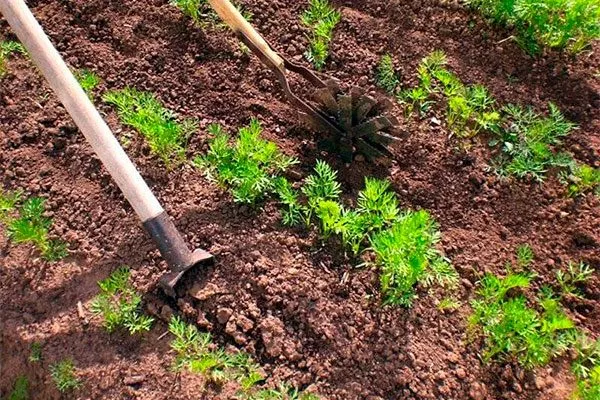
- The spaces between the rows are periodically compacted, loosened and weeded, clearing them of weeds.
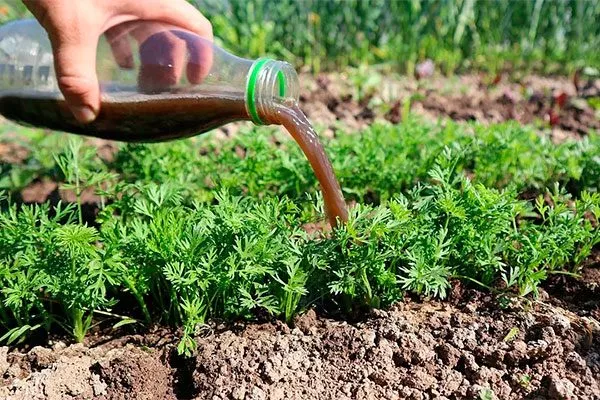
- Nutrition. To improve plant growth and development, mineral salts enriched with calcium and potassium are used in the area. Fertilizer application procedure:
- 3 weeks after the plants awaken from winter sleep (if sown before winter), water them with a solution of potassium salt;
- After the first weeding, a mixture of superphosphate and potassium chloride is applied.

Pest and disease control
Losinoostrovskaya 13 is resistant to diseases and pests, but damage does occur. This is facilitated by unfavorable growing conditions and gross violations of agricultural practices. What can happen:
- Carrot leaf spot causes grayish marks on carrot leaves. To prevent infection, warm the planting material to 45°C before planting and add potassium fertilizer to the soil during the growing season.
- When infected by a white fungus, a whitish, foam-like coating forms on root crops, concealing a slimy substance. To prevent infection, it's important to water the plants with hot water and add organic fertilizer to the soil.
- Bacterial blight manifests itself as yellowing of the foliage and the appearance of brown spots on the petioles. To combat this disease, use HOM or similar effective treatments.
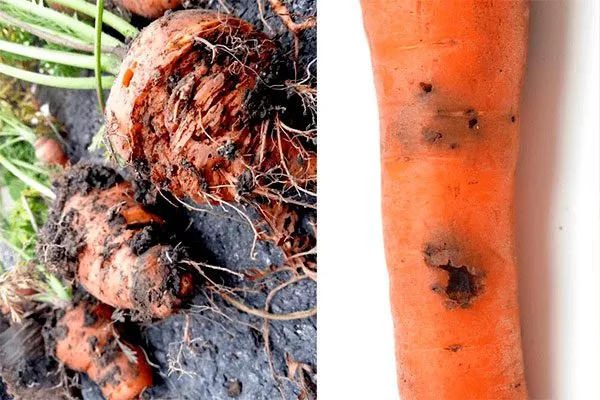
- If black spots form on the roots and grayish spots appear under the skin, this indicates rhizoctonia. Copper oxychloride is used for treatment.
- If the carrot fly infects the plant, its leaves will take on a bronze tint. To prevent this, carefully and thoroughly till the soil before sowing and treat it with wood ash and tobacco powder.
- When encountered by mole crickets, various damage appears on plants, both on stems and roots. Prevention involves deep plowing the area in the fall, adding laundry detergent to the soil, or using an infusion of pepper or kerosene.
- Carrot psyllid larvae feed on leaf sap, causing the leaves to dry out and turn yellow. To repel the insect, it is recommended to spray the plants with a tobacco solution.
- Prevention of wireworms includes the use of ammonium nitrate as a fertilizer.
- The winter moth is a caterpillar that feeds on greenery and the tops of root crops. Chemical pesticides such as Decis and Polytron are used to control it.
Difficulties in growing
When growing the Losinoostrovskaya 13 carrot variety, gardeners may encounter a number of challenges that they should be aware of in advance:
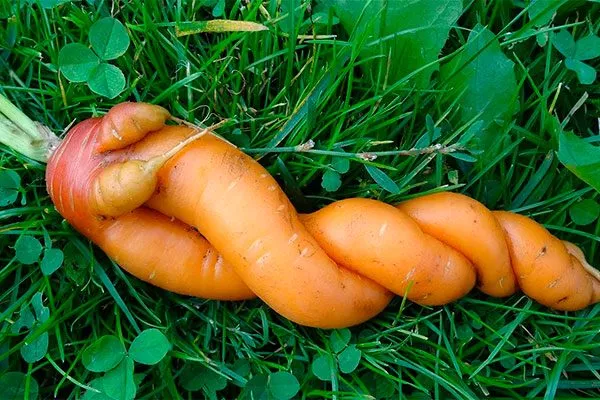
- Fruit deformation, which complicates storage and processing, can be caused by improper soil selection (too dense, too clay-rich, or too rocky), or by using fresh manure as fertilizer. To avoid such problems, it's important to carefully prepare the soil for planting and use mineral fertilizers.
- Incorrect seed thinning and planting too close together can result in fruits of the wrong size.
- Branching of root crops can be a result of damage to the root system during the initial growing period. This problem can be prevented by following the recommended sowing dates and regularly moistening the soil.
- Incorrect use of fertilizers can lead to excessive growth of shoots and loss of aromatic qualities of fruits.
- Root crop development has slowed down – perhaps the soil lacks moisture due to overheating; increased watering is necessary.

Harvesting and storage
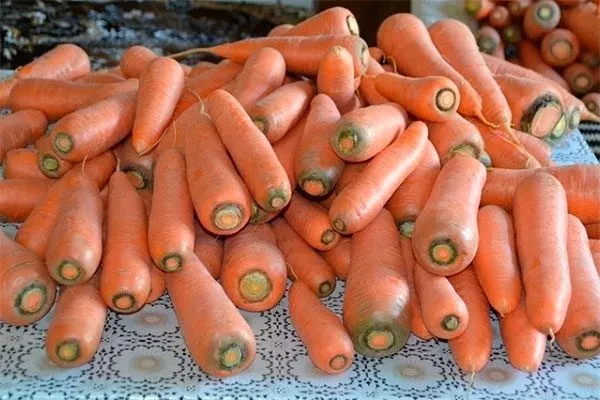
Carrots harvested from the fields are stored in a sheltered area to dry, carefully selecting only whole vegetables. Damaged fruits are removed for earlier use or disposal.
Collection and storage features:
- For long-term storage, select root vegetables with intact coverings and no signs of rotting or damage.
- Preference is given to carrots of moderate size.
- Before being placed in storage, vegetables are dried for 2-3 days at a comfortable temperature of 18-20°C and air humidity within 80-85%.
- Next, cut off the fruit, leaving a small tail (1-2.5 cm long).
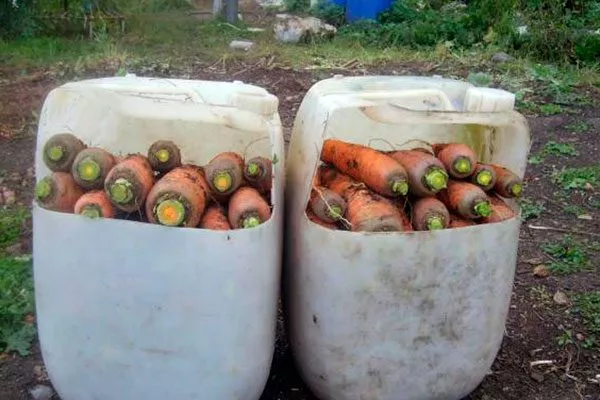
- Root crops are evenly distributed in boxes or trays with a given height in layers of 20-22 cm and sent for storage.
- Ideal conditions for storing carrots include: temperatures in the range of 0-1°C and air humidity of about 95%.
- Throughout the entire period, it is necessary to monitor temperature and humidity, regularly moistening root crops and removing rotting vegetables.
Tips from experienced gardeners
To avoid difficulties in obtaining a bountiful harvest, use some recommendations from professionals:
- If the bushes aren't growing well and the leaves are turning yellow, apply superphosphate and potassium sulfate as fertilizers. This helps prevent the appearance of phoma fungus.
- It's not recommended to plant carrots in areas previously used for greens and parsnips. If you do sow carrots in the same area, wait at least four years.
- Use the biopreparations Immunocytophyte and Baikal to strengthen the protective properties of plants.
Similar varieties
If it is not possible to purchase the Losinoostrovskaya 13 variety, it can be replaced with identical types of carrots:
- Vitaminnaya 6 variety It is distinguished by its cylindrical shape with a rounded end, a small core, and an attractive orange hue. During ripening, the roots are deeply buried in the ground.
- Nantes 4 variety Offers large cylindrical fruits, also rich in beta-carotene, and is resistant to rot, allowing for a longer shelf life.
- Praline variety It is a long, bright orange root vegetable with a high content of beta-carotene.
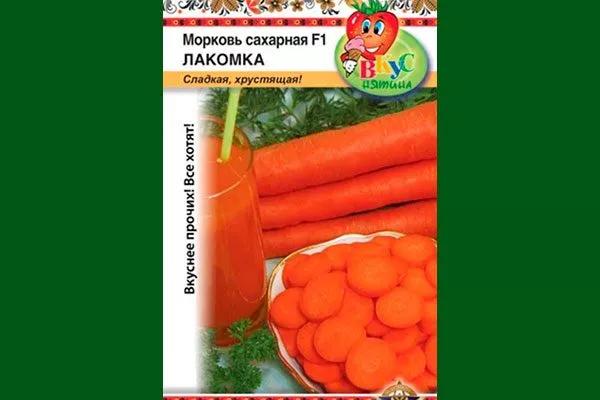
- Sugar Lakomka variety – These are also long, large roots with a small core and smooth skin, rich in beta-carotene.
Reviews of the Losinoostrovskaya 13 carrot variety
Losinoostrovskaya 13 is a carrot variety with no drawbacks and numerous advantages: high frost resistance, disease resistance, significant yield, excellent resistance to mechanical damage, and a pleasantly sweet root flavor. This variety is ideal for both individual plots and large commercial farms.