
The Laguna carrot is an early-ripening hybrid variety boasting excellent flavor, high yield, and low maintenance. This carrot is especially prized by gardeners in regions characterized by long springs and short summers.
Breeding history
The Laguna F1 variety was developed by Dutch breeders and is a first-generation hybrid. This hybrid carrot was obtained from the Nantes 4 variety. The originator is NUNHEMS BV (Holland). The hybrid was added to the State Register in 2007.
Characteristics of the plant and root crops
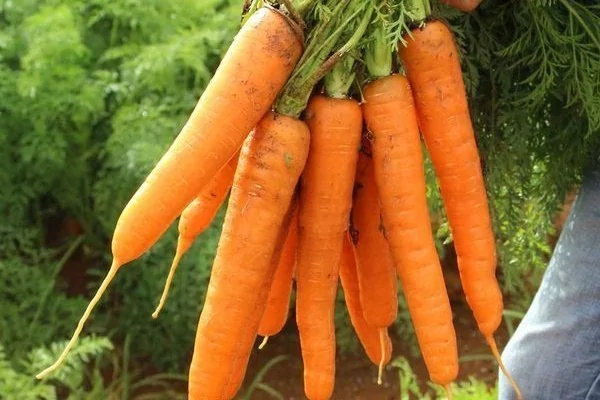
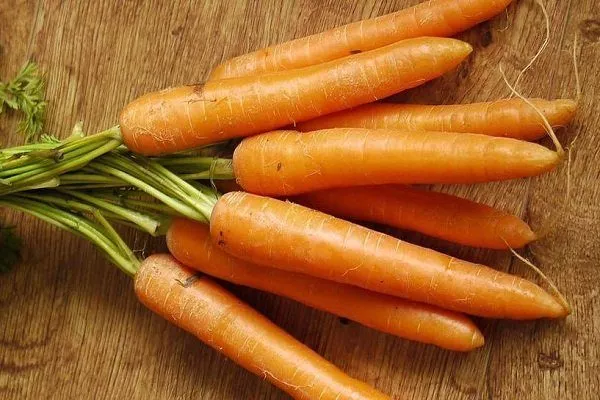
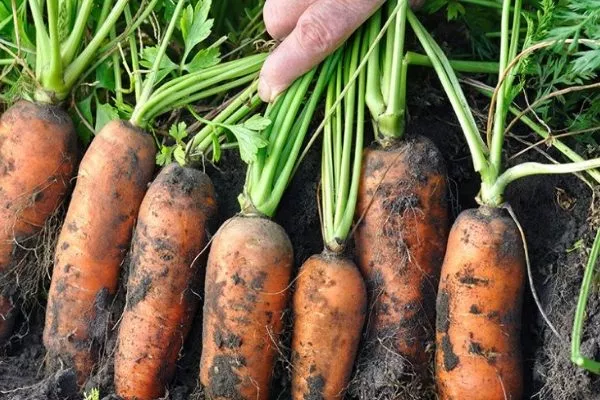
The plant is medium-sized, with a semi-spreading rosette and green, finely dissected leaves. The roots are large to medium, ranging from 14 to 16 cm in length and weighing from 80 to 130 g.
The roots are spindle-shaped, with blunt tips. The core is small or absent. The color is bright orange. The roots are smooth and even, without any imperfections. The eyes are shallow, almost invisible.
Growing regions
The Laguna hybrid can be grown practically anywhere in the country and adapts well to a variety of climatic conditions. The best yields are observed in regions with mild climates, particularly in the North Caucasus region. The largest yields of this carrot are harvested in the Krasnodar Krai.
Taste and application
Laguna carrots have a sweet taste and excellent flavor. The flesh is juicy and crunchy. 100 g of raw carrots contain up to 7.3% sugars, up to 17.2 mg carotene, and up to 13.8% dry matter.
This variety is suitable for fresh consumption and is also suitable for canning. Laguna carrots produce high-quality bunches. They are also ideal for soups, purees, fillings, juices, and a wide variety of culinary dishes.
Characteristics of the Laguna variety
The Laguna hybrid is an early-ripening variety. The time from germination to harvest is 60-65 days. It is considered a high-yielding variety, with large-scale cultivation yielding up to 190-315 centners of root vegetables per hectare. In gardens, the yield of this hybrid is 5-6 kg/sq.m.
Pros and cons
Before planting Laguna carrots in your garden, carefully review all of their advantages and disadvantages. This will help you determine how suitable this hybrid is for your needs.
Site selection and soil preparation
The Laguna hybrid is demanding regarding soil composition and other characteristics. This carrot prefers clay-sandy soils. However, it also grows well in peatlands. The optimal pH level is 6-6.5. The site should be level, sunny, and free of drafts and stagnant water.
To successfully grow Laguna carrots, it's important to practice crop rotation. The best precursors are potatoes, tomatoes, cucumbers, zucchini, legumes, cabbage, onions, garlic, and herbs. Parsley, dill, caraway, beets, and celery are considered undesirable crops, as they are susceptible to the same diseases as carrots.
Landing features
To get a decent harvest when growing Laguna carrots, it is important to plant them correctly.
Landing features:
- Seeds are usually sold prepared for planting—pre-treated and treated with all necessary chemicals. If you're unsure, soak the seeds in a potassium permanganate solution, then wrap them in a damp cloth and refrigerate for 24 hours (to harden them).
- Sowing takes place in the spring, from April to May. Temperatures should warm to 15–20°C. Sowing can also be done in the fall. In the south, two crop rotations are possible—in spring and fall. The first harvest is in mid-September. The second sowing takes place from late October to mid-November.
- The planting site is prepared in the fall if spring planting is planned. For fall planting (pre-winter), the site is prepared at least a couple of weeks in advance. The soil is dug to a depth of 30 cm, removing rhizomes and other plant debris. Mineral fertilizers, organic matter, and other components necessary for improving the soil structure and adjusting its acidity are added during the digging process.
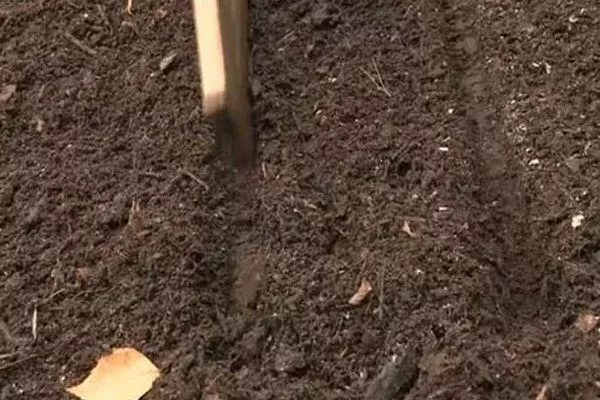
- The optimal planting pattern is 5-7 cm between adjacent seeds and 15 cm between rows. The furrow depth is 3 cm. Seeds are planted in furrows at the intervals specified above, covered with soil, and watered.
Care instructions
Laguna carrots require standard care, including watering, fertilizing, and protection from diseases and pests.
Care features:
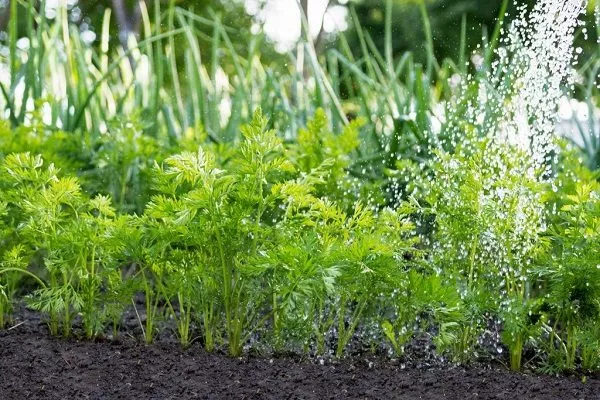
- This variety thrives on moisture. Watering should be regular and generous, but avoid overwatering. It's recommended to water carrots in the evening, after sunlight exposure ends. Watering should be stopped completely three weeks before harvesting.
- Periodically, loosening is carried out to saturate the soil with oxygen, and weeding of the beds from weeds is carried out.
- Fertilizers are applied a month after sowing. Potassium and sodium are essential for this crop to prevent rotting processes that can develop due to improper watering. Organic fertilizers are then applied to the beds.
Fighting diseases
The Laguna hybrid is resistant to most diseases, but this doesn't mean you can skip preventative measures. Under unfavorable conditions, plants can be susceptible to various infections, most commonly fungal.
Preventative spraying of carrot beds is carried out in the evenings, during calm and dry weather, at temperatures between 15 and 20°C. Bordeaux mixture, Fundazol, HOM, and other fungicides are used for preventative and curative spraying.
Pest control
Among the pests, the most dangerous are leafhoppers, aphids, carrot flies, and some others. They can be controlled quite successfully with folk remedies—solutions of laundry and tar soap, infusions of garlic, onion peels, or tobacco.
For severe infestations, powerful insecticides are used, such as Fitoverm, Confidor, Inta-Vir, and others. It's important to remember that at least a week should pass between the last spraying and harvesting.
Harvesting and storage
Harvesting takes place from mid-July to mid-August. The best time to dig up the roots is sunny, dry weather. Once the carrots are removed from the ground, the tops are immediately trimmed, leaving 3 cm-long shoots.
Reviews
The Laguna carrot is certainly worth the attention of gardeners interested in early-ripening varieties. It grows fairly quickly, is disease-resistant, has a good flavor, and is suitable for commercial cultivation. One thing to keep in mind is that it is not suitable for long-term winter storage.