
The Cordoba carrot has gained popularity among gardeners thanks to its excellent varietal characteristics. This hybrid boasts not only high yields but also excellent flavor, making it an ideal choice for those who appreciate high-quality vegetables. With proper and meticulous care, it will consistently produce high yields.
Introduction to the variety
Carrots are one of the most popular vegetables in Russia and are grown in both commercial and home gardens. The Cordoba variety is considered the best choice for cultivation.
External and taste characteristics, purpose
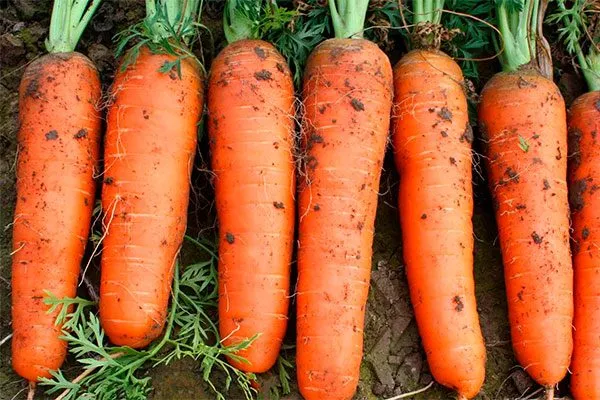
The plant has an upright rosette of leaves. They are long, moderately dissected, and light green. The plant tolerates heat well and does not yellow or curl. The fruits range from short to medium in size, are conical in shape, and have a slightly pointed tip. They weigh between 120 and 250 g and are 16-18 cm long.

The bark and core are orange, the surface smooth. The flavor is distinctly fresh and sweet, without bitterness. It is especially pronounced when eaten fresh. This variety is versatile and suitable for salads, preserves, and various culinary dishes. The vegetables are often canned.
Origin
Created by foreign breeders in 2007, the hybrid is characterized by high yields and excellent resistance to most diseases and pests.
Composition and beneficial properties
Early carrots contain a near-perfect balance of macro- and micronutrients, making them ideal for year-round consumption. These roots are particularly rich in potassium (200 mg per 100 g) and magnesium (27 mg per 100 g).
Carrots are low in calories: 100 g contains only 35 kcal and 0.15 g of fat. Despite their high density, they are juicy. They also contain a small amount of sugar (6-10%).
It contains vitamins:
- Vitamin A – necessary for growth, improves vision, condition of skin, hair, and nails.
- B vitamins – normalize the functioning of the nervous and cardiovascular systems.
- Vitamin C – strengthens the immune system, reduces the severity of inflammation.
- Vitamin E – has antioxidant properties, improves skin condition.
- Vitamin K – Prevents hemorrhages and bleeding, restores the skeletal system, normalizes the functioning of the gastrointestinal tract.
- Vitamin PP – lowers cholesterol levels, improves coordination and memory, and is involved in the breakdown of fats and carbohydrates.
Ripening time
The Cordoba hybrid ripens 100-120 days after emergence, making it a mid-late variety.
Productivity
The yield is excellent, with average figures ranging from 460 to 740 centners per hectare, provided the crop is properly cared for.

Resistance to diseases and pests
The crop is resistant to rhizoctonia. Pests such as wireworms and carrot psyllids rarely appear on the plants.
Characteristics
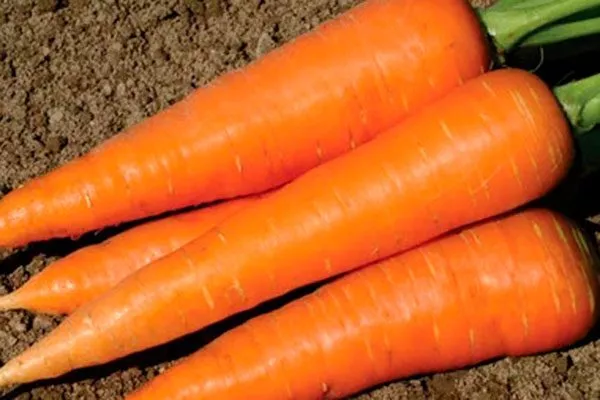
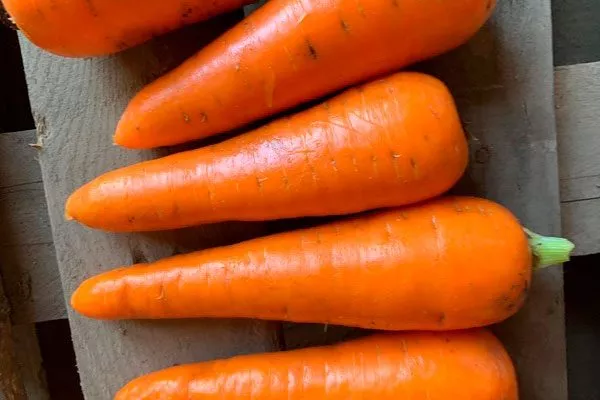
Cordoba grows to 16-18 cm in length and is shaped like an elongated cone. The roots are firm, juicy, and quite sweet, with a high carotene content. The plant's leaves are tightly folded, making harvesting easy.
What regions is it suitable for?
It is cultivated in central Russia. Recommended growing regions include the Central Black Earth, Volga-Vyatka, and Central regions. The climate of Siberia and the Urals is suitable for planting this variety, but planting times will be later.
Advantages and disadvantages
Before planting a new variety in your garden, study its positive and negative qualities. Hybrids have many advantages:
Differences from other varieties
It's a frost-hardy variety, making it suitable for early spring planting. Early-ripening carrots aren't typically suited for long-term storage, but Cordoba is an exception.
Features of planting and growing
Growing carrots isn't difficult if you approach it correctly. It's important to follow a few guidelines.
- ✓ Soil pH should be between 6.0-7.0 for optimal growth.
- ✓ The soil should be well drained to avoid water stagnation.
Preparation for planting and soil requirements
The hybrid doesn't require disinfection, as this has already been done by the grower. The plant prefers well-aerated soil. Ideal options include loam, peat, or sandy soil. Choose a slightly alkaline or neutral soil. Lime acidic soil before planting.
Predecessors
The best predecessors are onions, cabbage, cucumbers, potatoes, tomatoes, and zucchini. This is especially effective if these plants have previously been fed with organic fertilizers.
Avoid planting this crop in the same spot for more than two years in a row, as this increases the risk of root crop pests. Avoid growing it after peas, beans, lettuce, celery, parsnips, and parsley.
Timing, scheme and rules of planting
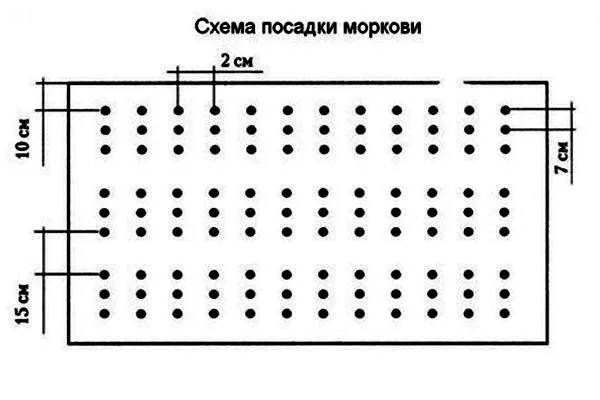
Cordoba is not particularly sensitive to cold, so sow the seeds in late April. Water the beds thoroughly two days before sowing. Place the seeds in furrows 2-3 cm deep, leaving 40-50 cm between rows, and space the seeds about 2 cm apart.
- Soak seeds in warm water for 24 hours to improve germination.
- Stratify seeds in the refrigerator for 5 days to increase cold tolerance.
Three basic planting patterns:
- Flat. Form rows on a flat bed and sow the seeds evenly. This method helps retain moisture in the soil.
- Linear. Plant seeds along the ridge of the bed. This method is convenient for weeding, but water runs off the ridge when watering and fertilizing.
- High. A method for planting in raised areas. Create deep rows and bury the seeds in them, making it easier to control watering.
Choose the option that suits you best so that care does not cause inconvenience.
Features of cultivation
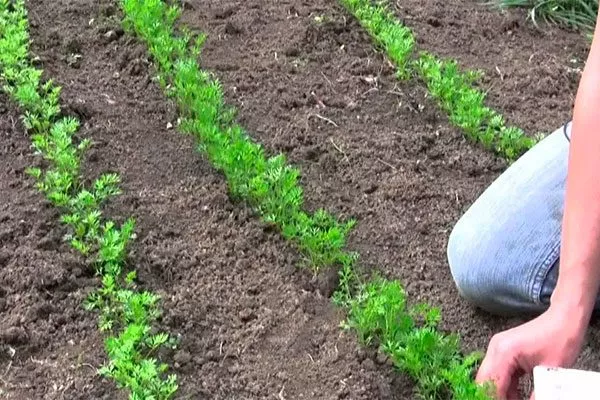
Loosen the soil regularly to prevent crusting on the surface, which can cause root crops to become crooked. Loosen the soil after watering or rain, when it has dried out slightly.
Care nuances
Caring for the hybrid involves standard agricultural practices. These include:
- Watering. Water the plants every 2-3 days to prevent bitterness. Water should penetrate to a depth of 25-30 cm. As the roots grow, reduce the frequency of watering, and stop completely 2-3 weeks before harvest to prevent cracking.
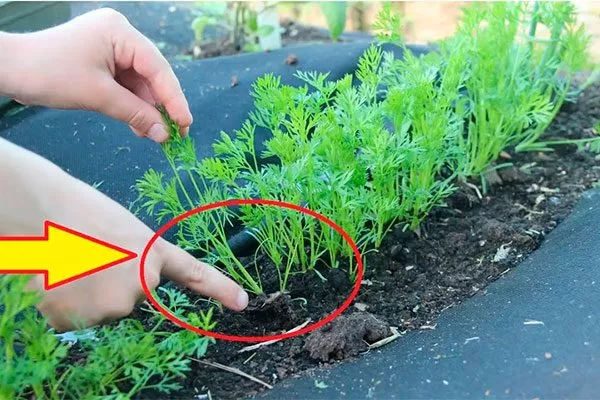
Avoid watering during rainy weather to avoid overwatering. During hot weather, increase the frequency to three times a week. - Thinning and weed control. Space seedlings 4-7 cm apart. Begin thinning after seedlings emerge, leaving only the strongest plants. Carrots require regular weeding, which is best done before seedlings emerge. Weeds draw nutrients from the soil, which can slow growth and make the vegetables tough and of poor quality.

- Top dressing. Fertilize Cordoba twice per season: the first time when the first leaves form and the second time 30 days after the first feeding.
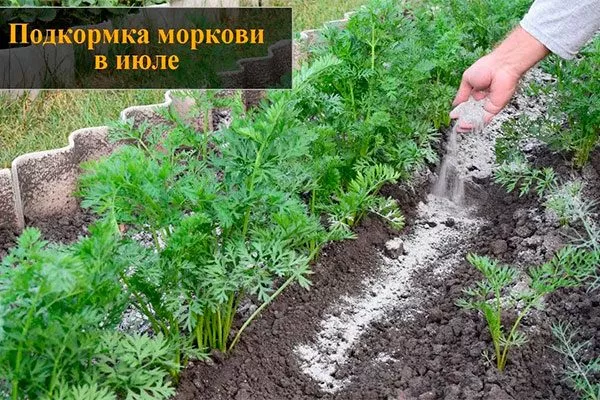
For feeding, dissolve one of the following fertilizers in 10 liters of water:
- nitrophoska - 15 g;
- ash - 400 g;
- saltpeter - 20 g;
- urea - 15 g;
- Superphosphate - 30 g.
When watering, add 5 liters of solution per 1 sq. m to the soil.
Pest and disease control
Early hybrids are often susceptible to insects and diseases if crop rotation, care, and planting density are not properly followed. The most common diseases and pests are:
- Carrot fly. To combat this, use the insecticide Inta-Vir. Dissolve one tablet in 10 liters of water and spray the plants. Repeat the treatment after two weeks.
- Root rot. Treat affected plants with a 1% solution of copper sulfate.
- Alternaria. For treatment, use the biological fungicide Alirin-B. Dissolve two tablets in 10 liters of water and water the plants.
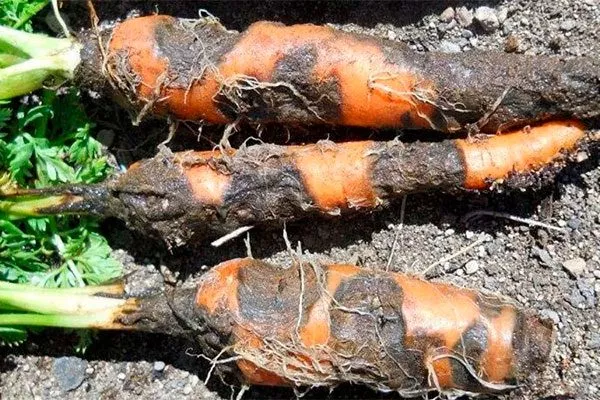
Following these measures will help protect the crop from various problems, ensuring its healthy growth and harvest.
Harvesting and storage
Depending on planting time, harvest in August or September. Harvest root vegetables grown outdoors 3-3.5 months after sowing. In dry weather, carefully remove the vegetables from the soil by the tops. If planted too deeply, the tops may break off, so use a pitchfork.
Carrots planted in the spring will keep for 7-8 months after harvest. Before storing, remove soil and dry thoroughly. Then trim off the tops, leaving no more than 0.5-1 cm. Place in storage boxes.
Store at temperatures between 0 and +5°C with a humidity of 85-95%. Damaged specimens removed with a pitchfork or shovel should be placed in a separate box and used first.
Difficulties in growing
Despite the crop's low maintenance, vegetable growers may encounter a number of challenges when growing it. Most often, these difficulties arise due to improper care:
- Curved root vegetables. The main cause of deformation is improper watering. Vegetables can become crooked if the soil is initially too dry and then overwatered within a few days.
Another cause could be rocky soil or the application of nitrogen fertilizers and fresh manure during fruit formation.
- Hairiness of carrots. This phenomenon occurs due to irregular moisture and infertile soil. Although the taste of such vegetables remains unchanged, they are not suitable for long-term storage.
- Bitter taste. Bitterness occurs due to improper farming practices, when the tops of the root crops become exposed and solanine forms. To avoid this, regularly hill the beds and cover the tops of the fruits with soil. Another cause of bitterness can be late harvesting.

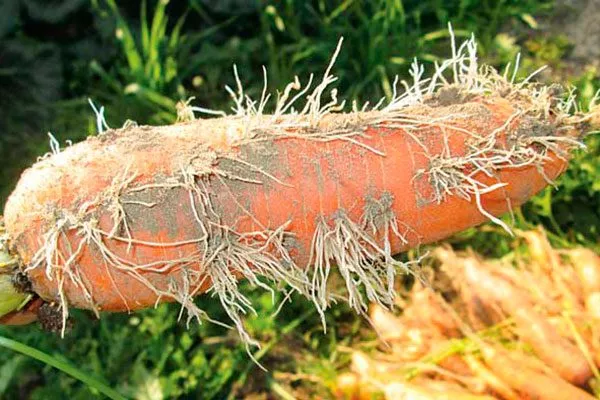
Ensure proper agricultural practices to avoid these problems.
Tips from experienced gardeners
Experienced gardeners have some tricks for successfully growing this crop. Follow these recommendations:
- Plant next to onions or calendula to protect plants from pests.
- Water in the evening when the tops wilt. Stop watering as soon as you smell the fresh carrot scent.
- Use used black tea leaves as fertilizer.
- Harvest ripe root vegetables in stages. Pull up a few for food, which helps thin out the bed and improve growing conditions for the remaining vegetables.

Reviews
Cordoba carrots are a worthy choice for any garden. Not only will they produce excellent vegetables, but they'll also provide a rewarding experience thanks to their low maintenance and disease resistance. For optimal results, it's important to take care of your plants and maintain them regularly.